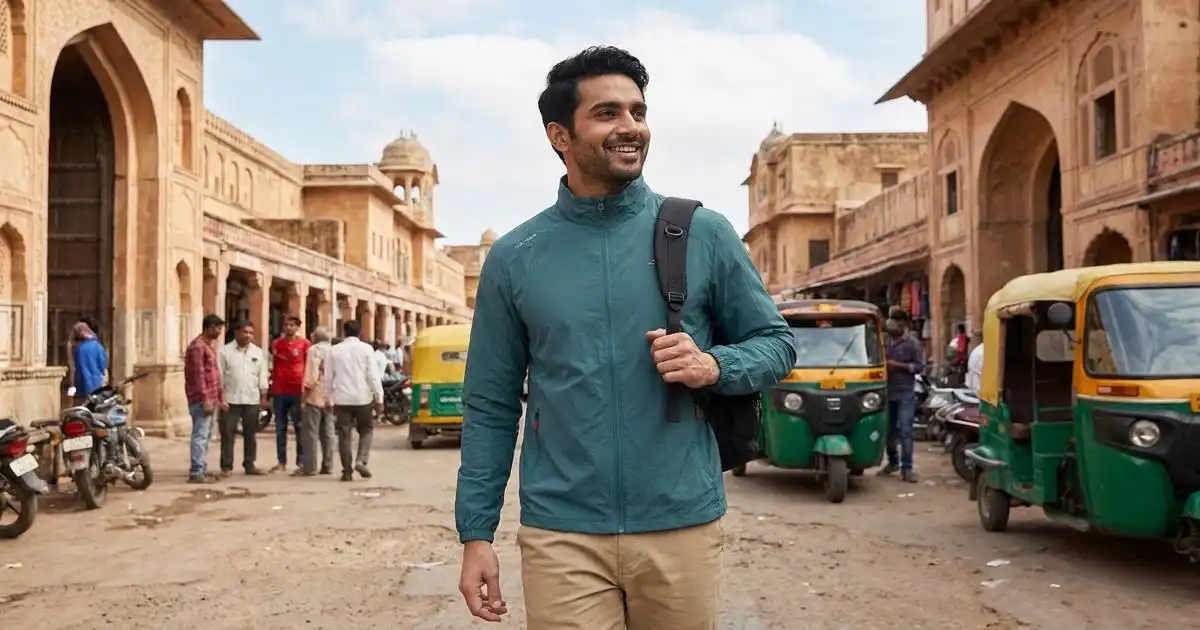
India’s scorching summer months demand strategic packing, especially when it comes to sun protection. With temperatures soaring to 45°C (113°F) in many regions, the right clothing and accessories can make the difference between a memorable adventure and heat exhaustion.
After years of helping travelers prepare for India’s intense heat, I’ve learned that successful hot weather packing isn’t about quantity—it’s about selecting the right fabrics, colors, and protective layers that keep you cool while shielding you from harmful UV rays.
This practical guide walks you through everything you need to pack for hot weather travel across India, from essential sun protection clothing to accessories that combat heat and humidity. Whether you’re exploring Rajasthan’s desert cities, visiting Delhi’s monuments, or trekking through Uttarakhand’s summer destinations, you’ll learn how to pack smart and stay comfortable.
India experiences extreme heat from March through June, with different regions presenting unique challenges:
| Region | Peak Heat Period | Avg Temperature | Humidity Level | Special Considerations |
|---|---|---|---|---|
| North India (Delhi, Agra, Jaipur) | April-June | 40-45°C (104-113°F) | Low (20-40%) | Dry heat, intense sun, dust storms |
| Desert Regions (Rajasthan) | March-June | 42-48°C (107-118°F) | Very Low (15-30%) | Extreme sun exposure, sand, dry winds |
| Coastal Areas (Goa, Kerala) | March-May | 32-38°C (90-100°F) | Very High (70-90%) | Humidity makes it feel hotter, sticky conditions |
| Central India (Maharashtra) | March-May | 38-42°C (100-107°F) | Moderate (40-60%) | Combination of heat and humidity |
| Eastern India (Kolkata) | April-June | 35-40°C (95-104°F) | High (60-80%) | High humidity, frequent heat waves |
Understanding your destination’s specific climate helps you pack appropriately. Desert heat requires different protection than coastal humidity.
Not all clothing protects equally against UV radiation. Fabric effectiveness depends on several factors:
UPF Rating Explained:
Fabric Characteristics That Matter:
| Factor | Good Protection | Poor Protection |
|---|---|---|
| Weave Density | Tight weave (holds to light, can’t see through) | Loose weave (light passes through) |
| Color | Dark or bright colors | White and pastels |
| Fabric Weight | Heavier fabrics | Sheer, thin materials |
| Moisture | Dry fabric | Wet fabric (reduces UPF by 50%) |
| Stretch | Minimal stretch | High stretch when worn |
Long-Sleeve Shirts (3-4 pieces): Lightweight, breathable long sleeves provide superior protection compared to short sleeves with sunscreen. Look for:
Convertible Pants (2-3 pairs): Zip-off pants that convert to shorts offer flexibility:
Sun Protection Jackets: A lightweight sun protection jacket serves multiple purposes during Indian summers. These specialized jackets offer UPF 50+ protection, breathable mesh panels, and lightweight packability—essential for transitioning between air-conditioned interiors and scorching outdoor temperatures. Choose jackets withhoods for additional head and neck coverage.
Wide-Brimmed Hat: Essential for face, neck, and ear protection:
Neck Gaiter/Buff: Versatile protection for face and neck:
Tops (7-10 items):
Bottoms (5-7 items):
Undergarments:
Footwear:
| Item | Quantity | Purpose | Packing Priority |
|---|---|---|---|
| Sunscreen SPF 50+ | 2 bottles | Face and body protection | Essential |
| Sunglasses (UV400) | 1 pair + backup | Eye protection | Essential |
| Wide-brimmed hat | 1 | Head, face, neck coverage | Essential |
| Umbrella | 1 compact | Sun and rain dual-purpose | Highly Recommended |
| Cooling towel | 2-3 | Instant cooling relief | Recommended |
| Lip balm SPF 30 | 2 | Prevent chapped lips | Recommended |
| Aloe vera gel | 1 bottle | Sunburn relief | Recommended |
Portable Fan:
Cooling Accessories:
Anti-Chafing Products:
Cotton:
Linen:
Merino Wool (Lightweight):
Synthetic Blends (Polyester/Nylon):
Bamboo Fabric:
What NOT to Pack:
Light Colors vs Dark Colors Myth: While light colors reflect heat, dark colors actually provide better UV protection. The strategy is to choose:
Practical Color Recommendations:
India’s air-conditioned indoor spaces create dramatic temperature differences:
Layer 1 (Base):
Layer 2 (Sun Protection):
Layer 3 (Indoor/Evening):
This system allows you to add or remove layers as you move between 45°C streets and 18°C air-conditioned spaces.
Modest Dressing Requirements: Many Indian temples and religious sites require covered shoulders and knees:
Practical Women’s Items:
If you’re exploring Rajasthan’s tourist attractions, add:
For places to visit in Delhi and nearby Agra:
Planning a Maldives trip or visiting Indian coastal areas:
Packing Cubes Strategy:
Compression Bags: Use for bulkier items like:
Never check these items:
Wear loose-fitting, lightweight clothing made from breathable natural fibers like cotton and linen, or moisture-wicking synthetic blends. Long sleeves and pants actually keep you cooler than shorts and T-shirts by protecting your skin from direct sun exposure while allowing air circulation. Choose light or bright colors that reflect heat, and always wear a wide-brimmed hat. For maximum comfort, opt for convertible pants that zip off to shorts, and layer lightweight pieces you can add or remove when moving between outdoor heat and air-conditioned spaces.
While conventional wisdom suggests light colors, the reality is more nuanced. Bright colors (coral, turquoise, yellow) offer the best combination—they reflect heat while providing better UV protection than white or pastels. Dark colors (navy, dark gray, olive) provide excellent UV protection but should be chosen in lightweight, breathable fabrics to prevent heat retention. White and light pastels offer minimal UV protection and show sweat and dirt quickly, making them less practical for India travel despite reflecting heat. The fabric weight and weave matter more than color alone.
Pack 7-8 outfits maximum for a 10-day summer trip to India. This includes: 3-4 long-sleeve sun-protective shirts, 2-3 short-sleeve shirts, 2-3 pairs of convertible or lightweight pants, 1-2 shorts, and 1-2 modest dresses or additional bottoms. Plan to do laundry once mid-trip (most hotels offer affordable same-day laundry service) or hand-wash quick-dry items in your room. This approach keeps your luggage light while ensuring you always have clean, fresh clothing. Remember, Indian summers are intense—you’ll likely change shirts daily due to sweat.
Sun protection clothing is essential and significantly more effective than sunscreen alone. UPF-rated clothing blocks 97.5-98%+ of UV rays consistently, whereas sunscreen requires reapplication every 2 hours and is often applied too thinly or missed in areas like ears and neck. In India’s intense summer sun (UV index often 10-11+), exposed skin burns within 10-15 minutes without protection. Clothing provides constant protection without the hassle of frequent reapplication, won’t wash off with sweat, and prevents the sticky sunscreen feeling in humid conditions. Use both: UPF clothing for base protection, sunscreen for exposed areas.
Pack three types of footwear: (1) Comfortable, breathable walking sandals with good arch support for daily sightseeing—these will be your primary shoes, (2) Lightweight, breathable sneakers or closed-toe shoes for temple visits and longer walking tours, and (3) Flip-flops for hotel rooms and quick errands. Ensure walking sandals have adjustable straps to accommodate foot swelling from heat and walking. Avoid heavy boots, pure leather shoes (sweat and don’t breathe), and delicate sandals with thin straps (cause blisters). Your shoes should be broken in before the trip—never bring brand new footwear.
Prevent heat exhaustion through strategic planning and preparation: Stay hydrated (drink 3-4 liters of water daily, plus electrolyte drinks), wear loose-fitting, moisture-wicking clothing in light colors, take frequent breaks in shade or air-conditioning, avoid peak sun hours (11 AM – 3 PM) for outdoor activities, use cooling towels on your neck and wrists, carry a portable fan, eat light meals avoiding heavy foods, and recognize early warning signs (dizziness, excessive sweating, nausea, rapid heartbeat). Always carry water with you, wet your hat or buff for evaporative cooling, and don’t push through feeling unwell—heat exhaustion can progress to dangerous heat stroke quickly.
Yes, humidity requires different packing strategy. For humid destinations (Kerala, Goa, coastal areas): prioritize quick-dry synthetic fabrics, pack more frequent clothing changes, bring anti-chafing products and body powder, choose loose-fitting styles that allow maximum air circulation, and include moisture-wicking undergarments. For dry heat (Rajasthan, Delhi): cotton and linen work better, bring dust protection scarves, pack extra lip balm and moisturizer, include closed-toe shoes for hot sand, and plan for larger temperature swings between day and night. Both require sun protection clothing, but humidity demands fabrics that dry quickly.
Essential sun protection accessories include: (1) Wide-brimmed hat with minimum 3-inch brim all around and UPF rating, (2) UV400-rated sunglasses that block 100% of UVA and UVB rays, (3) SPF 50+ broad-spectrum water-resistant sunscreen, (4) SPF 30+ lip balm, (5) Lightweight scarf or neck gaiter for versatile coverage, (6) Compact umbrella for dual sun and rain protection, and (7) Cooling towels for instant relief. Additionally, pack aloe vera gel for sunburn treatment and a small mirror to check your sunscreen coverage. These items work together with your UPF-rated clothing to provide comprehensive protection.
While India has growing availability of outdoor and athletic wear, it’s best to pack sun protection clothing from home for several reasons: UPF-rated clothing isn’t widely available in most Indian cities outside major metro areas, sizing may differ from your home country, selection is limited compared to Western outdoor retailers, prices for quality items are often higher, and you’ll need the protection immediately upon arrival. If you’re staying long-term or your luggage is delayed, major cities like Delhi, Mumbai, and Bangalore have Decathlon stores and outdoor shops where you can purchase basic sun protection items.
Keep clothes fresh in Indian summer heat through these strategies: Air-dry clothes immediately after wearing rather than keeping them in bags, use odor-eliminating travel sprays or essential oil mixtures, pack cedar balls or activated charcoal in luggage to absorb moisture, wash clothes frequently (every 1-2 wears due to sweat), choose moisture-wicking fabrics that resist odor (merino wool, certain synthetics), separate worn clothes from clean in different packing cubes, and use hotel laundry services which are affordable in India (₹100-200 for full load). In humid areas, avoid leaving damp clothes in closed spaces where mildew can develop.
Packing for hot weather travel in India requires thoughtful selection rather than overpacking. The key principles—prioritize sun protection through UPF-rated clothing, choose breathable and quick-dry fabrics, layer strategically for varied conditions, and invest in quality accessories—ensure comfort and safety throughout your journey.
Your sun protection jacket, wide-brimmed hat, and moisture-wicking layers form the foundation of smart hot-weather packing. Combined with proper hydration, strategic timing of outdoor activities, and regular breaks in air-conditioned spaces, you’ll navigate India’s intense summer heat comfortably.
Whether you’re exploring Rajasthan’s palaces, visiting Agra’s monuments, or embarking on any Indian summer adventure, the right clothing and accessories transform potentially uncomfortable heat into a manageable aspect of an unforgettable journey.
Pack light, pack smart, and stay protected—India’s summer awaits!
This comprehensive packing guide is brought to you by Travel Tourister, your trusted companion for India travel planning. For more destination guides, packing tips, and expert travel advice, visit our website today.

As an upcoming travel agent I got much support from travel tourister. We are getting very good leads from travel tourister and they mend our website which is also very commendable.... Excellent work Hope to do more business forward.... Thanks and regards CEO,Andaman Unlocked
Rating:
10/20/2018
As an upcoming travel agent I got much support from travel tourister. We are getting very good leads from travel tourister and they mend our website which is also very commendable.... Excellent work Hope to do more business forward.... Thanks and regards CEO,Andaman Unlocked
Rating:
10/20/2018
2nd Floor, 39, Above Kirti Club, DLF Industrial Area, Kirti Nagar, New Delhi, Delhi 110015



Travel Tourister is a leading Travel portal where we introduce travellers to trusted travel agents to make their journey hasselfree, memorable And happy. Travel Tourister is a platform where travellers get Tour packages ,Hotel packages deals through trusted travel companies And hoteliers who are working with us across the world. We always try to find new and more travel agents and hoteliers from every nook and corners across the world so that you could compare the deals with different travel agents and hoteliers and book your tour or hotel with the one you have chosen according to your taste and budget.
Copyright © Travel Tourister, India. All Rights Reserved











 Call
Call Enquiry