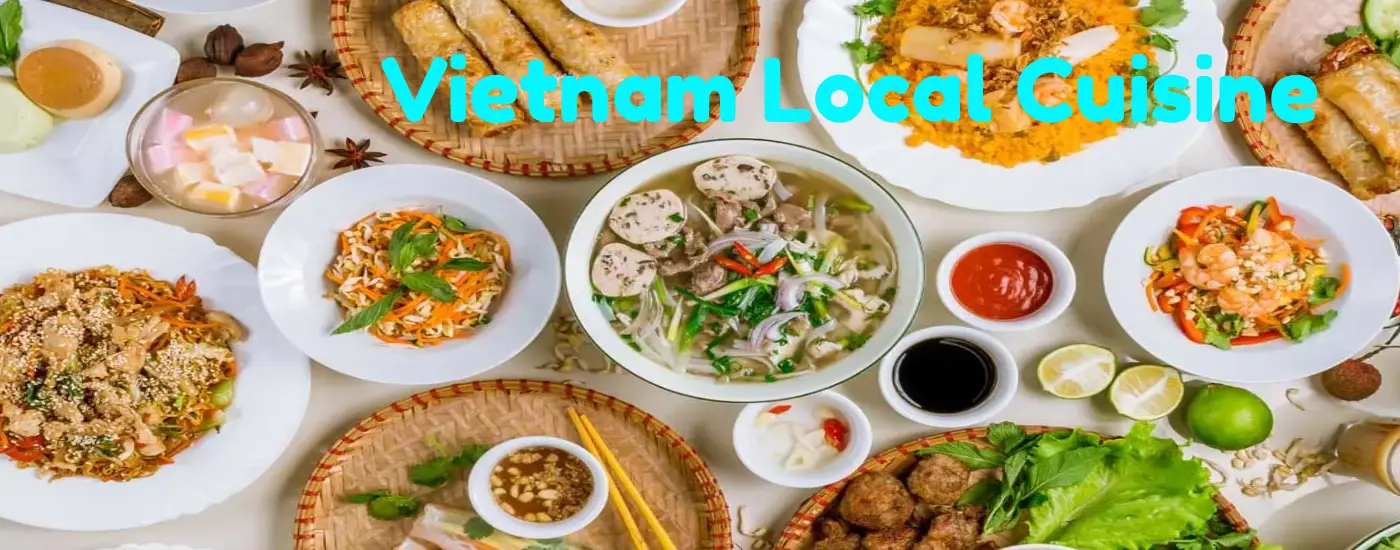
After countless bowls of pho, banh mi sandwiches, and street food adventures across Vietnam, I can confidently say that vietnam local cuisine is far more complex and diverse than most travelers realize. Having eaten my way from the bustling streets of Ho Chi Minh City to the quiet alleys of Hanoi, I’ve discovered that each region offers unique flavors and dishes that reflect centuries of history, culture, and local ingredients.
Vietnamese cuisine isn’t just about the famous dishes you see on Instagram. It’s about the 65-year-old grandmother carefully balancing sweet, sour, salty, and spicy in her family recipe, or the street vendor who’s been perfecting his noodle soup for decades. Let me take you on this culinary journey through Vietnam’s most authentic and delicious dishes.
Vietnamese cooking is built on the principle of balance – the harmony of five elements (wood, fire, earth, metal, water) translated into five flavors (sour, bitter, sweet, spicy, salty). Fresh herbs, rice, fish sauce, and seasonal ingredients form the backbone of every meal. What makes Vietnamese food special is its emphasis on fresh ingredients and minimal cooking techniques that preserve natural flavors.
Flat rice noodles dance around with medium-rare slivers of beef or boiled chicken in a hearty beef stock. The more popular of the two widely known varieties is phở Hanoi. Originally from the north, it is distinguished by a clear broth and dressed only with a squeeze of lemon and slices of chili and herbs.
Regional Variations:
Where to Try: Small street stalls with plastic stools – if locals are eating there, it’s authentic.
At its most basic, it’s a sandwich made with a French baguette with a crispy exterior and soft interior. What sets it apart are the fillings, a medley of Vietnamese ingredients, including pate, cold cuts, pickled vegetables, fresh herbs, and sometimes grilled meats or tofu.
French baguettes once carried butter and ham; now they are stuffed with pork, pickled carrot, daikon, herbs, chilli, and pâté. The crust shatters, the inside stays soft, and the flavours fight for space but never overwhelm.
Classic Varieties:
Bún bò Huế is a Vietnamese rice noodle (bún) dish with sliced beef (bò), chả lụa, and sometimes pork knuckles. The dish originates from Huế, a city in central Vietnam associated with the cooking style of the former royal court.
The key ingredients in Bun Bo Hue include beef (typically slices of beef shank), pork, and a signature lemongrass-based broth that is simmered with shrimp paste, annatto oil, and a blend of aromatic spices. The noodles used in Bun Bo Hue are thick, round rice noodles, which provide a chewy texture that perfectly absorbs the rich, spicy broth.
Bún Chả – Hanoi’s Charcoal-Grilled Perfection While in Hanoi, he famously took then-US president Barack Obama for a bowl of bun cha – chargrilled pork patties with vermicelli noodles, vibrant greens and a bowl of chilli, lime and fish sauce for dipping. This simple yet perfect dish represents Northern Vietnamese cuisine at its finest.
Chả Cá Lã Vọng – Turmeric Fish with Herbs A Hanoi specialty featuring turmeric-marinated fish served with rice noodles, peanuts, and an abundance of fresh herbs.
Cao Lầu – Hoi An’s Exclusive Noodle Dish Cao lầu is a regional Vietnamese noodle dish, from the city of Hội An, in central Vietnam’s Quảng Nam Province. It typically consists of pork and greens on a bed of rice noodles made from rice which has been soaked in lye water, giving them a characteristic texture and colour that sets the dish apart from other Vietnamese noodle dishes.
What makes cao lầu truly special is that authentic versions can only be made in Hoi An, using water from specific local wells and traditional preparation methods passed down through generations.
Mì Quảng – Central Vietnam’s Signature Noodle Soup A turmeric-tinted broth with thick rice noodles, shrimp, pork, and quail eggs, representing the bold flavors of Quang Nam province.
Bún Riêu – Crab and Tomato Noodle Soup The interplay between crab and tomato makes bún riêu a truly standout dish. A hearty soup bursting with acidity, the components of this meal include slippery bún, fresh crab meat, blocks of tofu and stewed tomatoes.
Cơm Tấm – Broken Rice with Grilled Pork Southern Vietnam’s comfort food featuring broken rice grains topped with grilled pork, pickled vegetables, and fish sauce dressing.
| Dish Name | Region | Main Ingredients | Flavor Profile | Best Time to Eat | Price Range (₹) |
|---|---|---|---|---|---|
| Phở Bò | North/South | Rice noodles, beef, herbs | Clear, aromatic, warming | Breakfast/Lunch | ₹100-200 |
| Bánh Mì | All regions | Baguette, pork, pâté, pickled vegetables | Savory, crunchy, fresh | Breakfast/Snack | ₹50-100 |
| Bún Bò Huế | Central | Rice noodles, beef, pork, lemongrass | Spicy, rich, complex | Lunch/Dinner | ₹120-180 |
| Cao Lầu | Hoi An only | Special noodles, pork, herbs | Unique, savory, herbal | Lunch | ₹100-150 |
| Bún Chả | North | Grilled pork, vermicelli, herbs | Smoky, sweet, fresh | Lunch | ₹80-120 |
| Gỏi Cuốn | All regions | Rice paper, shrimp, herbs, pork | Fresh, light, healthy | Appetizer/Snack | ₹60-100 |
| Cơm Tấm | South | Broken rice, grilled pork, egg | Smoky, savory, filling | Lunch/Dinner | ₹80-150 |
| Bánh Xèo | South/Central | Rice pancake, shrimp, pork, sprouts | Crispy, savory, interactive | Lunch/Dinner | ₹100-160 |
| Chả Cá | North | Turmeric fish, noodles, herbs | Aromatic, herbal, unique | Lunch/Dinner | ₹150-250 |
| Bún Riêu | All regions | Crab, tomato, rice noodles, tofu | Tangy, rich, comforting | Lunch | ₹100-180 |
Delicate steamed rice crepes filled with seasoned ground pork and mushrooms, served with herbs and dipping sauce.
A category of desserts ranging from simple sweet bean soups to complex layered creations with coconut milk, tapioca, and tropical fruits.
Unlike fresh spring rolls, these are deep-fried and filled with pork, shrimp, vegetables, and glass noodles.
Vietnamese Coffee Culture:
Traditional Beverages:
Choose Busy Places: High turnover means fresh ingredients. If locals are eating there, it’s usually safe.
Street Food Timing: Best times are typically 6-8 AM for breakfast dishes and 6-8 PM for dinner specialties.
Herb Plates: Most Vietnamese meals come with a plate of fresh herbs – don’t skip them! They’re essential to the authentic experience.
Chopstick Etiquette: Don’t stick chopsticks upright in rice bowls (considered bad luck). Rest them on the provided holder or across your bowl.
Focus on street food culture with stops at local markets, pho stands, and coffee shops in the Old Quarter.
Learn to make cao lau, white rose dumplings, and other Central Vietnamese specialties using traditional methods.
Experience authentic Delta cuisine on boat tours, sampling tropical fruits and river fish dishes.
During my first trip to Vietnam, I made the mistake of sticking to tourist restaurants. It wasn’t until a local friend took me to a tiny pho stand in Hanoi’s Old Quarter – with no English menu and plastic stools smaller than my laptop – that I understood what Vietnamese cuisine truly offers.
The elderly cook had been making the same recipe for 40 years. The broth was clear as glass but rich with depth, the herbs were picked fresh that morning, and the experience cost less than ₹100. That bowl of pho changed everything about how I approach food travel.
Pro Tips from Experience:
Spring (March-May): Fresh spring rolls, bánh chưng (sticky rice cake), seasonal fruit smoothies.
Summer (June-August): Chè (sweet soups), iced coffee variations, tropical fruit dishes. Autumn (September-November): Hearty noodle soups, grilled dishes, warming broths. Winter (December-February): Rich pho varieties, bánh chưng, hot pot dishesVietnamese cuisine extends far beyond pho and banh mi. Each region tells its culinary story through local ingredients, cooking techniques, and cultural influences. The real magic happens when you venture beyond tourist areas and eat where locals eat.
My advice? Come hungry, come curious, and come ready to discover flavors you never knew existed. Vietnamese food isn’t just about filling your stomach – it’s about understanding a culture that has perfected the art of balance, freshness, and simplicity over thousands of years.
From the subtle complexity of Northern pho to the bold spices of Central bun bo hue to the fresh vibrancy of Southern dishes, Vietnam offers a culinary journey that will forever change your understanding of Southeast Asian cuisine. Each meal is an opportunity to connect with locals, learn about history, and create memories that last long after your trip ends.

As an upcoming travel agent I got much support from travel tourister. We are getting very good leads from travel tourister and they mend our website which is also very commendable.... Excellent work Hope to do more business forward.... Thanks and regards CEO,Andaman Unlocked
Rating:
10/20/2018
As an upcoming travel agent I got much support from travel tourister. We are getting very good leads from travel tourister and they mend our website which is also very commendable.... Excellent work Hope to do more business forward.... Thanks and regards CEO,Andaman Unlocked
Rating:
10/20/2018
2nd Floor, 39, Above Kirti Club, DLF Industrial Area, Kirti Nagar, New Delhi, Delhi 110015



Travel Tourister is a leading Travel portal where we introduce travellers to trusted travel agents to make their journey hasselfree, memorable And happy. Travel Tourister is a platform where travellers get Tour packages ,Hotel packages deals through trusted travel companies And hoteliers who are working with us across the world. We always try to find new and more travel agents and hoteliers from every nook and corners across the world so that you could compare the deals with different travel agents and hoteliers and book your tour or hotel with the one you have chosen according to your taste and budget.
Copyright © Travel Tourister, India. All Rights Reserved






 Call
Call Enquiry