
Every year, over 5 million tourists flock to Assam, drawn by its legendary one-horned rhinos, endless tea gardens, and the mighty Brahmaputra River. Yet many arrive at the wrong time and miss the magic entirely. I’ve seen travelers brave monsoon floods only to find Kaziranga closed. I’ve watched others melt in pre-monsoon heat when they could have experienced the same landscape in perfect winter comfort.
Timing matters here more than almost anywhere else in India. The Best Time To Visit Assam can make the difference between spotting a rhino grazing peacefully in golden morning light or staring at flooded grasslands from a closed park gate. Let me share what I’ve learned from years of exploring this incredible state.
Assam sits in Northeast India where the Brahmaputra River shapes everything. The climate follows distinct patterns that directly impact your experience.
Winter (November to February) brings the state’s finest weather. Temperatures range from 10°C to 25°C. The air is crisp. Wildlife congregates near water sources. Visibility stretches for miles across tea estates. This is when Assam shows its best face.
Spring (March to April) maintains pleasant conditions before the rains arrive. Temperatures climb to 18-32°C. The landscape blooms with fresh growth. Festivals fill the calendar. It’s warm but still manageable for exploration.
Monsoon (May to September) transforms the state into a waterlogged wonderland and a traveler’s challenge. Heavy rains pound the region from June through August. The Brahmaputra swells and floods. National parks close. Roads become treacherous. Yet the landscape turns impossibly green.
Autumn (October) serves as a transition month. Rains taper off. The land stays lush from monsoon soaking. Tourist crowds haven’t peaked yet. Parks prepare to reopen.
If I had to choose just one month, I’d pick January. Here’s why: temperatures are perfect, wildlife viewing peaks, the Magh Bihu festival brings cultural immersion, and you’ll find the goldilocks zone between post-December crowds and pre-spring heat. February runs a close second with similarly excellent conditions.
| Month | Temperature Range | Rainfall Level | Parks Status | Best Activities | Crowd Level |
|---|---|---|---|---|---|
| January | 10-24°C | Minimal | Open ✓ | Wildlife safaris, Magh Bihu festival, tea tours | Moderate-High |
| February | 12-26°C | Low | Open ✓ | Rhino spotting, comfortable sightseeing | Moderate-High |
| March | 15-30°C | Low | Open ✓ | All outdoor activities, pleasant weather | Moderate |
| April | 18-32°C | Moderate | Open ✓ | Rongali Bihu celebrations, last call for parks | Moderate |
| May | 20-33°C | High | Closed ✗ | Limited (monsoon begins) | Low |
| June | 22-32°C | Very High | Closed ✗ | Indoor activities only | Low |
| July | 24-32°C | Extreme | Closed ✗ | Avoid travel | Very Low |
| August | 24-32°C | Extreme | Closed ✗ | Avoid travel | Very Low |
| September | 23-31°C | High | Closed ✗ | Green landscapes (challenging) | Low |
| October | 20-30°C | Decreasing | Preparing to open | Transition season | Low-Moderate |
| November | 15-28°C | Minimal | Open ✓ | Wildlife returns, perfect weather | Moderate-High |
| December | 12-25°C | Low | Open ✓ | Peak season comfort | High |
Kaziranga National Park hosts nearly 2,400 one-horned rhinos. They’re easiest to spot in winter when animals gather at limited water sources. Elephant safaris start at dawn when mist hangs over the grasslands. Jeep safaris offer better range but less elevation.
I remember my first winter morning in Kaziranga. We rode elephants through knee-high grass. A rhino emerged from the fog just meters away. Its prehistoric form seemed to belong to another era. That moment happens reliably in winter, rarely in other seasons.
Manas National Park offers similar advantages during these months. Tigers, elephants, and rare pygmy hogs all become more visible as vegetation thins and water sources consolidate.
Wildlife viewing tips:
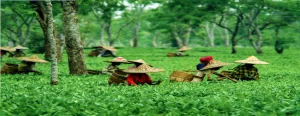
Assam produces some of the world’s finest black tea. The state’s tea gardens stretch across thousands of acres in regions like Jorhat, Dibrugarh, and Tinsukia. Winter offers the best conditions for touring estates.
I’ve walked through tea gardens in December when the air was cool and the light perfect for photography. Workers move methodically through the rows, plucking leaves with practiced precision. Many estates welcome visitors for tours that include processing demonstrations and tastings.
The tea flush (harvest) happens year-round, but the quality varies by season:
Assam’s festivals offer windows into local life that casual visits can’t match.
Magh Bihu (Mid-January) celebrates the harvest with community feasts called bhoj. Villages build temporary structures called mejis from bamboo and hay, then burn them in evening ceremonies. The festival emphasizes abundance, with traditional dishes like pitha (rice cakes) served generously.
Rongali Bihu (Mid-April) marks the Assamese New Year and spring’s arrival. This is Assam’s biggest celebration! Traditional Bihu dances fill public spaces. Young people dress in colorful traditional attire—mekhela chador for women, dhoti and gamosa for men. Music and dance continue for days.
Majuli Island becomes especially vibrant during festival times. This river island hosts ancient satras (monasteries) where monks preserve centuries-old traditions. Visiting during Raas Mahotsav (November) offers a unique cultural experience.
The Brahmaputra River defines Assam’s geography and identity. Luxury cruises operate from October through April when water levels remain stable and predictable.
These aren’t short boat rides. Many cruises span 3-7 days, stopping at riverside villages, wildlife sanctuaries, and cultural sites. You’ll see Gangetic dolphins breaking the surface, migratory birds wheeling overhead, and rural life unfolding along the banks.
Monsoon floods make cruising impossible and dangerous. The Brahmaputra can rise several meters in hours during heavy rains. Stick to the dry season.
Let me be direct: unless you have specific reasons, avoid June through September. Here’s what you’ll face:
Flooding: The Brahmaputra regularly breaches its banks. Villages evacuate. Roads disappear underwater. Travel becomes genuinely difficult.
Closed attractions: Kaziranga National Park closes completely from May to October. The flooding that threatens visitors also sustains the ecosystem, but it means no access for tourists.
Limited mobility: Heavy rains make roads slippery and dangerous, especially in hilly areas. Landslides block routes. What should take 3 hours can take 8.
Health concerns: Monsoon brings increased mosquito populations. Waterborne diseases become more common. Medical facilities in rural areas remain limited.
The counterargument: Some photographers specifically seek monsoon Assam. The landscape turns an intense shade of green. Waterfalls reach their peak flow. If you’re an experienced traveler comfortable with unpredictability and you’re not dependent on visiting parks, monsoon Assam has stark beauty. Just know what you’re signing up for.
| Attraction | Best Months | Why Visit | Recommended Duration |
|---|---|---|---|
| Kaziranga National Park | Nov-Apr | One-horned rhinos, elephant safaris, diverse wildlife | 2-3 days |
| Majuli Island | Oct-Mar | World’s largest river island, monasteries, Assamese culture | 2-3 days |
| Manas National Park | Nov-Apr | Tigers, elephants, UNESCO site, pristine forests | 2-3 days |
| Guwahati & Kamakhya Temple | Oct-Mar | Spiritual center, Brahmaputra river views, city life | 1-2 days |
| Tea Gardens (Jorhat, Dibrugarh) | Nov-Apr | Estate tours, tea tasting, colonial heritage | 1-2 days |
| Sivasagar | Oct-Apr | Ahom dynasty monuments, historical exploration | 1 day |
| Haflong | Nov-Feb | Hill station, cooler climate, scenic beauty | 2 days |
Day 1-2: Guwahati Arrive and acclimate. Visit Kamakhya Temple in the morning when crowds are lighter. Take an evening Brahmaputra river cruise. Explore local markets for Assamese silk and handicrafts.
Day 3-5: Kaziranga National Park Three full days for thorough wildlife exploration. Book both elephant and jeep safaris. Early morning elephant rides offer intimate encounters. Jeep safaris cover more ground. Spend afternoons at leisure or book additional safaris.
Day 6-7: Majuli Island Ferry across to this cultural treasure. Visit ancient satras (monasteries). Watch traditional mask-making. Attend evening prayer ceremonies. Experience rural Assamese life at its most authentic.
Day 1: Guwahati Arrival and orientation. City exploration.
Day 2-3: Tea Garden Tour in Jorhat Visit colonial-era tea estates. Stay in heritage bungalows. Learn the entire tea process from plucking to packaging. Enjoy multi-course teas with estate-made snacks.
Day 4-5: Kaziranga National Park Two days of safaris. Temperatures are warmer than winter but still manageable.
Day 6: Return via Guwahati Last-minute shopping for Assam tea and local textiles.
Day 1: Guwahati Day 2-3: Majuli Island Day 4: Sivasagar Day 5: Return to Guwahati
October offers lower accommodation prices and fewer tourists. Parks aren’t open yet, but cultural sites and tea gardens remain excellent options.
Winter visitors (Nov-Feb) pack:
Spring visitors (Mar-Apr) bring:
If you must visit during monsoon:
| Season | Booking Timeline | Accommodation Tips | Average Cost Range |
|---|---|---|---|
| Peak (Dec-Feb) | 2-3 months ahead | Limited availability, book early | ₹3,000-8,000/night |
| Shoulder (Mar-Apr, Nov) | 1-2 months ahead | Good availability, reasonable prices | ₹2,000-5,000/night |
| Off-peak (Oct) | Last minute okay | Best deals available | ₹1,500-3,500/night |
| Monsoon (May-Sep) | Not recommended | Many properties closed | N/A |
Guwahati’s Lokpriya Gopinath Bordoloi International Airport serves as Assam’s main entry point. It connects to major Indian cities and a few international destinations.
Trains reach Guwahati from across India. The journey from Delhi takes about 30 hours. From Kolkata, expect 12-15 hours.
Within Assam: Hiring a private vehicle with driver is standard practice. Roads vary from excellent highways to challenging rural routes. Self-driving isn’t recommended unless you’re experienced with Indian road conditions. Typical costs run ₹2,500-4,000 per day for a car with driver.
Yes! Assam welcomes solo travelers, including women. The state’s tourism is well-developed around major attractions. Standard safety precautions apply: avoid isolated areas after dark, book reputable accommodations, and inform someone of your itinerary. The Best Time To Visit Assam for solo travel is winter when tourist infrastructure operates at full capacity.
A minimum of 5-7 days lets you experience Kaziranga, Majuli, and Guwahati without rushing. Ten days to two weeks allows for tea garden visits, multiple parks, and deeper cultural immersion. The state is larger than many realize!
No. The park closes completely from May to October. This isn’t a bureaucratic decision—it’s a safety necessity. The Brahmaputra floods the entire park. Animals migrate to higher ground. Rangers evacuate. Attempting to visit is both impossible and irresponsible.
Assamese cuisine emphasizes rice, fish, and distinctive flavors. Try masor tenga (sour fish curry), khar (alkaline dish unique to Assam), pitha (rice cakes), and doi (curd). The food tends toward subtle flavors rather than heavy spices. Tea, obviously, is everywhere!
Indian nationals don’t need permits for most of Assam. Foreign nationals require Protected Area Permits (PAP) for certain regions near international borders. Your tour operator usually handles this. For independent travel, apply through the Foreigners Regional Registration Office (FRRO) in Guwahati.
Assamese is the primary language, but Hindi and English are widely understood in tourist areas. Major hotels, guides, and restaurants have English-speaking staff. Learning a few Assamese phrases (dhanyabad for thank you, apunar naam ki? for “what’s your name?”) earns genuine smiles.
The Best Time To Visit Assam ultimately depends on your priorities, but for most travelers, November through March delivers the optimal experience. Wildlife viewing peaks. Weather remains comfortable. Cultural festivals dot the calendar. All attractions operate fully.
I think about that foggy morning in Kaziranga—the rhino emerging from mist, the sun breaking through, the absolute rightness of being exactly where I needed to be at exactly the right time. That’s what good timing gives you in Assam. Not just a trip, but moments that stay with you forever.
Assam rewards those who plan thoughtfully. The state’s rhythms follow ancient patterns: monsoon floods renewing the land, winter drying and concentrating life, spring celebrating renewal. Visit in harmony with these rhythms, and you’ll understand why this corner of India captivates everyone who experiences it properly.
So when will you visit? The tea gardens await. The rhinos graze peacefully in winter grass. The Brahmaputra flows eternal. Choose your season, pack your bags, and prepare for something extraordinary.
Related Reading from Travel Tourister:
Ready to explore more of Northeast India? Check out our comprehensive guides to Meghalaya, Darjeeling, and Kashmir for your next adventure!

As an upcoming travel agent I got much support from travel tourister. We are getting very good leads from travel tourister and they mend our website which is also very commendable.... Excellent work Hope to do more business forward.... Thanks and regards CEO,Andaman Unlocked
Rating:
10/20/2018
As an upcoming travel agent I got much support from travel tourister. We are getting very good leads from travel tourister and they mend our website which is also very commendable.... Excellent work Hope to do more business forward.... Thanks and regards CEO,Andaman Unlocked
Rating:
10/20/2018
2nd Floor, 39, Above Kirti Club, DLF Industrial Area, Kirti Nagar, New Delhi, Delhi 110015



Travel Tourister is a leading Travel portal where we introduce travellers to trusted travel agents to make their journey hasselfree, memorable And happy. Travel Tourister is a platform where travellers get Tour packages ,Hotel packages deals through trusted travel companies And hoteliers who are working with us across the world. We always try to find new and more travel agents and hoteliers from every nook and corners across the world so that you could compare the deals with different travel agents and hoteliers and book your tour or hotel with the one you have chosen according to your taste and budget.
Copyright © Travel Tourister, India. All Rights Reserved




 Call
Call Enquiry