
Assam accounts for over 50% of India’s total tea production, yet most travelers never step inside a tea garden. They miss the early morning plucking sessions. They skip the processing demonstrations. They leave without understanding why Assam tea tastes so distinctly bold and malty compared to anything else in their cup back home.
I learned this the hard way during my first visit. I spent three days focused solely on Kaziranga’s rhinos—magnificent, yes, but just one piece of Assam’s incredible puzzle. When I returned the following year with a broader itinerary, everything changed. I discovered that the things to do in Assam extend far beyond wildlife, encompassing cultural immersion, adventure sports, spiritual experiences, and culinary discoveries that most guidebooks barely mention.
Let me share what five years of exploring this remarkable state have taught me about its most rewarding experiences.
Before diving into specific activities, understand what makes Assam special. This isn’t just another Indian state with temples and hills. Assam serves as the cultural and geographical heart of Northeast India.
The Brahmaputra River shapes everything here. One of Asia’s greatest rivers flows 650 kilometers through Assam, creating fertile plains that sustain tea gardens, rice paddies, and some of India’s most important wildlife habitats. The state sits at a cultural crossroads where Indo-Aryan, Tibeto-Burman, and Tai cultures have blended over centuries.
Weather matters enormously for activity planning! The best time to visit Assam runs from November through March when temperatures stay comfortable and wildlife parks remain open. Monsoon season (June-September) closes major attractions and floods large areas. Plan accordingly.
Nothing—absolutely nothing—prepares you for your first rhino sighting in Kaziranga. These prehistoric-looking creatures graze peacefully just meters away during elephant safaris. The park hosts roughly 2,400 one-horned rhinos, representing two-thirds of the world’s entire population!
Kaziranga spans four zones across 430 square kilometers. Each zone offers different landscapes and wildlife opportunities. The Central Range (Kohora) provides the highest rhino density. The Eastern Range showcases more wetlands. The Western Range offers excellent tiger territory.
What makes this experience special:
Practical details:
I’ve done seven safaris across different zones, and I’ve never had a disappointing experience. The sheer abundance of wildlife guarantees memorable encounters!
The Brahmaputra defines Assam’s identity more than any other single feature. A river cruise offers perspectives you simply can’t get from land—sunset over sandbars, Gangetic dolphins breaking the surface, riverside villages conducting daily life much as they have for centuries.
Cruise options range from one-hour sunset trips to week-long expeditions. Short cruises from Guwahati work perfectly for time-limited travelers. Multi-day luxury cruises operated by companies like Assam Bengal Navigation and Alfresco Grand provide comprehensive experiences combining wildlife viewing, village visits, and cultural performances.
What you’ll experience:
Cruise types and costs:
The best season for cruising runs October through April when water levels remain stable. Monsoon floods make cruising impossible.
Majuli Island exemplifies everything Assamese culture represents—artistic traditions, spiritual devotion, environmental harmony, and resilience despite constant threats from erosion. This 880-square-kilometer island in the Brahmaputra hosts 30+ satras (Vaishnavite monasteries) where centuries-old traditions survive.
The island itself is slowly disappearing. Erosion has reduced Majuli from 1,250 square kilometers in the 1950s to its current size. Yet life continues with remarkable optimism. Farmers cultivate rice in the flood-prone soil. Artisans craft masks for traditional performances. Monks maintain spiritual practices dating back 500 years.
Unique things to do in Assam don’t get more distinctive than Majuli!
Essential Majuli experiences:
Getting there and staying:
I spent three days in Majuli and felt I’d only scratched the surface. The pace of life slows dramatically here. That’s precisely the point.
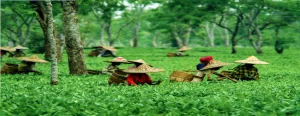
Assam tea is fundamentally different from Darjeeling’s delicate first flush or Nilgiri’s mild character. Assam tea screams bold, malty flavor that stands up to milk and sugar—perfect for breakfast blends. The tea gardens themselves are visual poetry: endless rows of manicured bushes against mountain backdrops, colonial-era bungalows, and workers moving rhythmically through the plants.
Dibrugarh calls itself the “Tea City of India” with 150+ tea estates. Jorhat serves as the gateway to upper Assam’s tea country. Both regions welcome visitors for tours.
What a proper tea garden visit includes:
Recommended estates for visits:
Practical information:
The Assamese cuisine you’ll experience at estate lunches is often outstanding—these properties maintain traditional cooking methods!
Bihu isn’t just a festival—it’s the heartbeat of Assamese identity. Celebrated three times annually, each Bihu marks different agricultural and seasonal milestones. Rongali Bihu (mid-April) celebrating spring and Assamese New Year is the biggest and most accessible for travelers.
I happened to be in Assam during Rongali Bihu my second visit. The energy was electric! Every village, every neighborhood erupted in music and dance. Traditional Bihu dancers performed in colorful mekhela chadors and dhotis with gamosas. Musicians played pehpa (buffalo horn instrument), gogona (jaw harp), and dhol drums in intoxicating rhythms.
What makes Bihu special:
The three Bihus:
Experiencing Bihu:
Perched atop Nilachal Hill overlooking Guwahati, Kamakhya Temple ranks among Hinduism’s most important pilgrimage sites. As one of 51 Shakti Peethas—locations where body parts of Goddess Sati fell during Lord Shiva’s cosmic dance—Kamakhya holds immense spiritual significance, particularly in Tantric traditions.
The temple’s architecture blends Hindu and indigenous Assamese styles. The sanctum houses no traditional idol—instead, a natural underground spring represents the goddess. The annual Ambubachi Mela (June) draws hundreds of thousands of devotees celebrating the goddess’s menstruation, a unique festival recognizing fertility and feminine power.
Visiting details:
Spiritual etiquette:
Even non-spiritual travelers find Kamakhya fascinating for its architectural uniqueness and the palpable energy of devotion you’ll witness here.
While Kaziranga dominates Assam’s wildlife reputation, two other parks deserve equal attention. Manas National Park along the Bhutan border and Nameri National Park near Arunachal Pradesh offer distinct experiences and different animal encounters.
Manas National Park (UNESCO World Heritage Site):
Nameri National Park:
Both parks offer seriously good wildlife viewing with fraction of Kaziranga’s tourist crowds!
History enthusiasts, don’t skip Sivasagar! This town served as the capital of the Ahom dynasty that ruled Assam for 600 years (1228-1826 CE). The Ahoms, originally from present-day Myanmar, created a sophisticated kingdom that successfully resisted Mughal invasions multiple times.
Key historical sites:
Rang Ghar: Asia’s oldest surviving amphitheater (1744-1750), where Ahom kings watched entertainment and sports. The distinctive oval structure built entirely of brick showcases remarkable engineering.
Talatal Ghar: A seven-story palace complex (four stories above ground, three underground) that served as military headquarters. Underground tunnels allegedly connected to other strategic locations kilometers away.
Kareng Ghar: The royal palace where Ahom kings resided. Less preserved than Rang Ghar but equally fascinating for understanding royal life.
Sivadol: Impressive Shiva temple complex with the tallest Shiva temple in India, built by Queen Ambika in 1734.
Visiting Sivasagar:
Understanding the Ahom legacy helps you appreciate Assamese identity—their resistance to outside domination remains a source of enormous pride.
Assam produces some of India’s finest silk varieties and traditional handicrafts. Shopping here means supporting local artisans and carrying home genuinely unique items you won’t find elsewhere.
Assamese silk varieties:
Muga silk: Golden silk produced only in Assam by semi-domesticated silkworms. Incredibly durable (muga garments last decades) with natural golden sheen. A muga mekhela chador costs ₹10,000-50,000 depending on quality and work.
Pat silk: White silk similar to mulberry silk, used for fine garments and fabrics.
Eri silk: Known as “peace silk” because silkworms aren’t killed during production. Warm, textured fabric perfect for shawls.
Where to shop:
Sualkuchi: Called “Manchester of the East,” this village 35 km from Guwahati specializes in silk weaving. Watch weavers work on traditional looms and purchase directly from artisan families.
Fancy Bazaar, Guwahati: Largest market with everything from silk to handicrafts, tea, and bamboo products. Chaotic but rewarding for patient shoppers.
Assam State Emporium: Government-run shop guaranteeing authentic products at fixed prices (no bargaining). Good for first-time buyers unsure about quality.
Other items worth purchasing:
Budget ₹2,000-10,000 for quality handicrafts and textiles depending on what you purchase.
Assamese food differs dramatically from typical “Indian food” expectations. Rice forms the base of every meal. Fish is sacred—no Assamese meal feels complete without it. Cooking techniques emphasize natural flavors over heavy spices. The result? Subtle, sophisticated cuisine that many travelers unfortunately skip in favor of familiar North Indian dishes.
Must-try dishes:
Masor Tenga: Sour fish curry using tomatoes, lemon, or elephant apple. Light, tangy, refreshing—perfect with rice.
Khar: Unique alkaline preparation using banana peel ash that you literally won’t taste anywhere else in India. Health benefits include aiding digestion.
Pitha: Category of rice cakes and pancakes made during festivals. Sweet and savory varieties exist.
Duck Curry: Slow-cooked duck with ash gourd or white gourd. Rich, flavorful, traditional.
Xaak Bhaji: Leafy green vegetables prepared simply with mustard oil, tempering spices.
Where to eat authentic food:
For comprehensive food exploration, check out our detailed Assamese cuisine guide covering regional specialties and recommended restaurants.
Food etiquette:
Don’t leave Assam without trying proper traditional meals! They represent centuries of culinary refinement adapted to local ingredients and climate.
The things to do in Assam can’t be rushed. Here’s realistic time allocation:
Minimum trip (5-7 days):
Comprehensive trip (10-14 days):
More time allows deeper immersion without the exhaustion of constant movement!
Air: Lokpriya Gopinath Bordoloi International Airport (Guwahati) connects to major Indian cities. Jorhat and Dibrugarh have smaller airports with limited connectivity.
Train: Well-connected by rail from Kolkata, Delhi, and other major cities. Journey times: Delhi to Guwahati (30+ hours), Kolkata to Guwahati (12-15 hours).
Road: Hiring private vehicle with driver is standard practice and most flexible option. Costs average ₹2,500-4,000 per day depending on vehicle type. Roads vary from excellent highways to challenging rural routes. Self-driving not recommended unless you’re experienced with Indian road conditions.
Between destinations:
Understanding costs helps realistic planning. Here’s what you’ll spend on major activities:
| Activity | Budget Range (per person) | Notes |
|---|---|---|
| Kaziranga elephant safari | ₹2,500-3,500 | 1-hour duration, advance booking required |
| Kaziranga jeep safari | ₹3,500-5,000 | 3-4 hours, can accommodate more people |
| Brahmaputra sunset cruise | ₹500-1,000 | 2-3 hours from Guwahati |
| Multi-day river cruise | ₹25,000-45,000/night | All-inclusive luxury experience |
| Tea garden tour | ₹500-2,000 | Includes guide, tastings, sometimes meals |
| Majuli ferry | ₹30-100 | Depending on boat type |
| Manas National Park safari | ₹3,500-5,000 | Similar to Kaziranga pricing |
| Historical site entries | ₹50-100 | Per monument in Sivasagar |
| Traditional meal | ₹200-600 | Budget to mid-range restaurants |
| Handicraft shopping | ₹2,000-10,000+ | Varies dramatically by items |
Accommodation costs:
For complete budgeting guidance covering all trip aspects, see our detailed Assam trip cost breakdown with sample itineraries and spending estimates.
| Activity | Best Months | Why This Timing Works |
|---|---|---|
| Wildlife safaris | November-March | Parks open, animals visible, comfortable weather |
| Tea garden visits | November-April | Pleasant weather, active harvesting |
| River cruises | October-April | Stable water levels, clear skies |
| Majuli exploration | October-March | Ferry reliable, comfortable cycling weather |
| Festival experiences | January, April | Magh Bihu (January), Rongali Bihu (April) |
| Trekking/adventure | October-March | Dry trails, clear mountain views |
Avoid June-September (monsoon) for most activities—flooding disrupts travel and closes major attractions.
Beyond the main attractions, consider these lesser-known experiences:
Haflong: Assam’s only hill station offers trekking, boating on Haflong Lake, and cooler climate. Called the “Scotland of the East,” it provides respite from plains’ heat.
Gibbon Wildlife Sanctuary: India’s only sanctuary specifically for Hoolock gibbons. Their morning calls echoing through forests create magical soundscapes.
Pobitora Wildlife Sanctuary: Highest rhino density in the world (more than Kaziranga per square kilometer), but much smaller and less crowded. Excellent for quick rhino encounters near Guwahati.
Traditional pottery villages: Near Majuli, watch artisans create pottery without potter’s wheels using ancient techniques.
Orang National Park: Called “Mini Kaziranga,” offers similar wildlife in more compact area. Good option if Kaziranga seems too far.
Satra stays on Majuli: Some monasteries accept overnight guests, offering profound insights into monastic life and spiritual practices.
These alternatives add depth to standard itineraries without requiring excessive additional time or budget!
Yes! Assam ranks among India’s safer states for tourism. Major tourist areas have well-developed infrastructure and security. Solo female travelers commonly visit without issues, though standard precautions apply (avoid isolated areas after dark, book reputable accommodations, inform someone of your plans).
Families find Assam excellent—wildlife experiences thrill children, cultural activities educate, and most attractions offer family-friendly environments. The state’s relatively moderate climate (compared to scorching summer destinations) makes travel with children more manageable.
Indian nationals don’t require permits for standard tourist areas. Foreign nationals need Protected Area Permits (PAP) for certain border regions, but not for major tourist destinations like Kaziranga, Guwahati, Majuli, or Manas.
Your tour operator typically handles permit requirements if needed. For independent travel, apply through Foreigners Regional Registration Office (FRRO) in Guwahati or online through official channels.
Assamese is the primary language, with Bengali also widely spoken. Hindi is understood in tourist areas, hotels, and by guides. English is spoken by hospitality staff in hotels, restaurants serving tourists, and official guides.
Learning basic Assamese phrases enhances interactions:
Language barriers rarely prevent enjoyable travel—people are generally helpful and patient with tourists!
Absolutely! While fish dominates traditional cuisine, Assamese cooking includes excellent vegetarian dishes. Xaak bhaji (leafy vegetables), various dals, bamboo shoot preparations, and pitha (rice cakes) are all vegetarian. Simply specify “moi shakahari” (I’m vegetarian) when ordering.
Temple towns and many restaurants offer pure vegetarian options. However, be aware that Assamese cuisine uses fish and meat more prominently than many other Indian regional cuisines, so options might feel more limited compared to places like Gujarat or Rajasthan.
Major service providers (Airtel, Jio, Vi) offer good coverage in cities, towns, and major tourist areas. Kaziranga, Majuli, and Guwahati all have reliable 4G coverage. Remote areas and some national park zones may have weak or no signal.
WiFi is available in most hotels, though speeds vary. Budget accommodations may have slower connections. Majuli’s connectivity can be intermittent. Consider this when planning activities requiring connectivity—download maps, guides, and entertainment beforehand.
Cities like Guwahati accept cards at hotels, restaurants, and larger shops. Tourist areas around Kaziranga have increasing card acceptance. However, cash remains king in rural areas, local markets, smaller establishments, and for activities like ferry rides, local transport, and street food.
ATMs are available in all towns but not in remote areas. Carry sufficient cash when traveling to places like Majuli, Manas, or rural tea gardens. Budget ₹5,000-10,000 in cash for a week-long trip beyond what you’ll use cards for.
Now you understand the things to do in Assam and how to approach them. Here’s how to build your personalized itinerary:
Step 1: Determine your trip length (minimum 7 days recommended)
Step 2: Identify priority interests (wildlife? culture? adventure? mix?)
Step 3: Check seasonal considerations using the best time to visit Assam guide
Step 4: Calculate realistic budget with help from Assam trip cost breakdown
Step 5: Book accommodations and safaris early (2-3 months ahead for peak season)
Step 6: Arrange reliable transportation (pre-booking vehicles is strongly recommended)
Step 7: Build flexibility (Assam rewards spontaneous discoveries—don’t over-schedule)
The things to do in Assam provide structure, but Assam’s real magic happens in unplanned moments. It’s the conversation with a tea garden worker explaining why morning plucking produces better quality. It’s watching the sun rise over the Brahmaputra while fishermen cast their nets using techniques unchanged for generations. It’s the impromptu invitation to join a family’s Bihu celebration because you happened to be walking past their home.
I’ve returned to Assam five times now. Each visit reveals new layers. The state doesn’t reveal itself quickly or easily—it requires time, openness, and willingness to step beyond standard tourist experiences. But travelers who invest that time discover something increasingly rare: a destination that hasn’t homogenized itself for tourism, where authentic culture survives not as performance but as living tradition.
The rhinos will amaze you. The tea will surprise you. The cultural experiences will move you. The landscapes will inspire you. But the people—warm, generous, proud of their heritage yet remarkably humble—will be what brings you back.
So when will you experience Assam? The Brahmaputra flows eternal. The one-horned rhinos graze peacefully. The tea gardens await your visit. The satras maintain their centuries-old traditions. The state is ready to share its treasures with those who come not just to see, but to understand.
Pack your sense of adventure. Bring your curiosity. Leave your rigid expectations at home. Assam will reward you with experiences you’ll treasure forever!
Related Reading from Travel Tourister:
Planning Your Northeast India Journey? Explore our guides to Meghalaya, Darjeeling, and Sikkim to expand your adventure!

As an upcoming travel agent I got much support from travel tourister. We are getting very good leads from travel tourister and they mend our website which is also very commendable.... Excellent work Hope to do more business forward.... Thanks and regards CEO,Andaman Unlocked
Rating:
10/20/2018
As an upcoming travel agent I got much support from travel tourister. We are getting very good leads from travel tourister and they mend our website which is also very commendable.... Excellent work Hope to do more business forward.... Thanks and regards CEO,Andaman Unlocked
Rating:
10/20/2018
2nd Floor, 39, Above Kirti Club, DLF Industrial Area, Kirti Nagar, New Delhi, Delhi 110015



Travel Tourister is a leading Travel portal where we introduce travellers to trusted travel agents to make their journey hasselfree, memorable And happy. Travel Tourister is a platform where travellers get Tour packages ,Hotel packages deals through trusted travel companies And hoteliers who are working with us across the world. We always try to find new and more travel agents and hoteliers from every nook and corners across the world so that you could compare the deals with different travel agents and hoteliers and book your tour or hotel with the one you have chosen according to your taste and budget.
Copyright © Travel Tourister, India. All Rights Reserved




 Call
Call Enquiry