
Assam welcomes over 5.6 million tourists annually, yet it remains one of India’s most underexplored destinations. I’ve spent years studying this remarkable state, and what strikes me most is how it seamlessly blends untamed wilderness with ancient culture. The Brahmaputra River carves through its heart, creating ecosystems found nowhere else on Earth.
This isn’t your typical tourist guide. We’re diving deep into what makes Assam extraordinary—from one-horned rhinos to centuries-old temples, from tea gardens stretching to the horizon to river islands bigger than some countries. Whether you’re planning your first visit or returning to explore deeper, understanding these tourist attractions in Assam will transform how you experience Northeast India.
The state sits at a geographical crossroads where the Indian subcontinent meets Southeast Asia. This positioning creates something magical. You’ll find biodiversity that rivals any place on Earth, cultural traditions that date back millennia, and landscapes that shift from wetlands to mountains within hours.
Most travelers rush through, ticking off Kaziranga and moving on. That’s a mistake! The tourist attractions in Assam tell stories of conservation triumphs, spiritual journeys, and human resilience. Each destination connects to broader narratives about wildlife protection, cultural preservation, and sustainable tourism.
Before we explore specific sites, check out our guide on how to reach Assam to plan your journey effectively.
Kaziranga isn’t just a park—it’s a conservation miracle. Home to two-thirds of the world’s one-horned rhinoceros population, this UNESCO World Heritage Site sprawls across 430 square kilometers of grasslands and wetlands.
I’ll tell you what makes it special. The park hosts the highest density of tigers in the world, though you’re more likely to spot wild elephants, swamp deer, and over 480 bird species. Early morning safaris reveal a landscape transformed by mist, where massive rhinos emerge like prehistoric creatures.
Best Time to Visit: November to April (for more details, see our best time to visit Assam guide)
Entry Fees:
The park divides into four ranges—Central, Western, Eastern, and Burapahar. Each offers distinct experiences, so plan multiple safari days if possible.
Majuli defies easy description. This river island on the Brahmaputra spans approximately 350 square kilometers, though erosion constantly reshapes its boundaries. What you’ll find here is a living museum of Neo-Vaishnavite culture.
The island houses 22 satras (monasteries) where monks preserve 500-year-old traditions. These aren’t tourist attractions in the conventional sense—they’re functioning spiritual centers where dance, drama, and devotion blend seamlessly.
Walk through villages where families craft traditional masks, weave textiles on handlooms, and practice pottery techniques unchanged for generations. The sunset over the Brahmaputra from Majuli’s western shore? Absolutely breathtaking!
How to Reach: Ferry from Jorhat (2-3 hours depending on water levels)
Perched atop Nilachal Hill in Guwahati, Kamakhya Temple represents one of Hinduism’s most powerful Shakti Peethas. The temple’s architecture alone tells centuries of stories—rebuilt multiple times, it now displays distinctive Assamese style with a beehive-shaped dome.
What sets Kamakhya apart? The temple worships the goddess’s yoni (reproductive organ) rather than a traditional idol. This celebration of feminine divinity attracts millions during the Ambubachi Mela, when devotees believe the goddess menstruates.
The temple complex includes ten smaller temples dedicated to different forms of the goddess. Climb early morning to avoid crowds and experience the spiritual intensity that permeates this hill.
Manas shares its UNESCO World Heritage status with Kaziranga, but offers a completely different experience. Located along the Bhutan border, this park combines Project Tiger reserve, elephant reserve, and biosphere reserve designations.
The Manas River creates stunning landscapes where forested hills meet alluvial grasslands. You’ll potentially spot golden langurs (endemic to this region), pygmy hogs, hispid hares, and if fortune smiles, the elusive Bengal tiger.
Rafting on the Manas River adds adventure to wildlife viewing. The park recovered remarkably from insurgency-related damage in the 1990s, demonstrating what dedicated conservation can achieve.
Key Features:
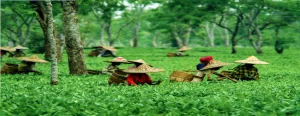
Assam produces over half of India’s tea. The gardens themselves qualify as tourist attractions in Assam—rolling hills covered in emerald bushes stretching endlessly under big skies.
Visit estates like Hathikuli, Borengajuli, or Dibrugarh’s gardens for immersive experiences. You’ll learn how British colonizers transformed this landscape, how tea cultivation works, and most importantly, you’ll taste teas at their source.
The experience goes beyond sightseeing. Stay in heritage bungalows converted to guesthouses, walk through estates at dawn when pickers begin their day, and understand why Assam tea commands global respect.
Many estates offer tea tourism packages combining accommodation, garden tours, and tasting sessions. Budget accordingly using our Assam trip cost breakdown.
For 600 years, the Ahom dynasty ruled Assam, successfully resisting Mughal expansion. Sivasagar served as their capital, and today monuments scattered across town reveal their architectural and administrative sophistication.
Must-Visit Sites:
| Monument | Year Built | Significance |
|---|---|---|
| Rang Ghar | 1746 | Asia’s oldest amphitheater |
| Talatal Ghar | 1750s | Seven-storied palace with underground tunnels |
| Sivadol Temple | 1734 | Tallest Shiva temple in India |
| Kareng Ghar | Multiple periods | Royal palace complex |
The Sivasagar tank, a massive artificial lake built in 1734, anchors the town. Walk around its perimeter at sunset while locals perform evening rituals.
Haflong breaks the pattern. While Assam is synonymous with plains and rivers, this hill station sits at 680 meters elevation in the Dima Hasao district.
The journey matters as much as the destination. The route from Guwahati winds through mountains, offering spectacular views at every turn. Once there, explore Haflong Lake, trek to viewpoints, or simply absorb the cooler climate.
The area’s tribal diversity—Dimasa, Zeme Naga, Hmar, and others—creates cultural richness distinct from lowland Assam. Try local cuisines, visit weekly markets, and understand how hill communities differ from the plains majority.
Think Kaziranga is impressive? Pobitora packs more rhinos per square kilometer than anywhere else on Earth! This compact 38.8 square kilometer sanctuary hosts around 100 rhinos, making sightings virtually guaranteed.
Located just 50 kilometers from Guwahati, Pobitora offers convenient wildlife experiences. Elephant safaris get you remarkably close to rhinos, though this proximity requires responsible behavior.
The sanctuary also shelters leopards, wild boar, and numerous water birds. Visit between November and March for optimal viewing conditions.
Accessible by ferry from Guwahati, Umananda rises from the Brahmaputra like a mythological apparition. Hindu mythology claims this as the spot where Shiva created the world’s islands.
The Umananda Temple dates to 1694, though legends push its origins much earlier. The island also houses golden langurs, an endangered species you can observe in their natural habitat.
The ferry ride itself provides excellent Brahmaputra views, with Guwahati’s skyline forming a dramatic backdrop. Budget an hour or two for this quick but culturally significant excursion.
Dibru-Saikhowa remains relatively unknown, which is precisely its charm! This biosphere reserve in eastern Assam protects semi-evergreen forests, deciduous forests, and vast wetlands.
The park’s real treasure is its birdlife. Over 500 species have been recorded, including rare migrants from the Himalayas and Southeast Asia. Between November and March, the wetlands transform into a birder’s paradise.
Feral horses roam freely—descendants of animals abandoned during World War II. Their presence adds an unexpected element to safari experiences.
| Sanctuary | Area (sq km) | Famous For | Best Safari Type |
|---|---|---|---|
| Kaziranga | 430 | One-horned rhinos, tigers | Elephant/Jeep |
| Manas | 500 | Golden langur, biodiversity | Jeep/Rafting |
| Pobitora | 38.8 | Highest rhino density | Elephant |
| Dibru-Saikhowa | 340 | Birds, feral horses | Boat/Jeep |
The tourist attractions in Assam extend beyond physical sites. Immerse yourself in living culture through:
Bihu Festivals: Assam celebrates three Bihu festivals marking agricultural cycles. Rongali Bihu in April brings the entire state to life with dance, music, and feasting.
Sattriya Dance: This classical dance form, developed in the satras of Majuli, tells stories through graceful movements and expressive gestures. Attend performances in Guwahati or Majuli.
Handicrafts: From Muga silk to brass and bell metal craft, Assamese artisans maintain traditions spanning centuries. Visit craft villages near Guwahati or shop at government emporiums for authentic pieces.
For a deeper dive into cultural experiences, explore our comprehensive guide to things to do in Assam.
No exploration of tourist attractions in Assam is complete without tasting its cuisine. The food here reflects the region’s biodiversity and cultural influences.
Start with khar, an alkaline dish unique to Assam made with raw papaya and pulses. Try masor tenga, a tangy fish curry that defines Assamese cooking. Sample pitha, rice cakes prepared in dozens of varieties for festivals.
Street food in Guwahati offers its own adventures—from jhal muri (spicy puffed rice) to laksa (a dish showing Southeast Asian influence). Tea isn’t just a beverage here; it’s a ritual enjoyed throughout the day.
Don’t miss our detailed exploration of Assamese cuisine for restaurant recommendations and dish descriptions.
Timing matters enormously when visiting these attractions. The monsoon transforms landscapes but limits access to several parks. Winter offers perfect weather but brings larger crowds.
Suggested 7-Day Itinerary:
Day 1-2: Guwahati (Kamakhya Temple, Umananda Island, local markets)
Day 3-4: Kaziranga National Park (multiple safaris, different ranges)
Day 5: Tea garden tour near Jorhat
Day 6-7: Majuli (satra visits, cultural immersion, handicraft workshops)
This itinerary covers highlights while allowing meaningful engagement with each destination. Extend to 10-14 days to include Manas, Sivasagar, or Haflong.
For comprehensive destination coverage, refer to our guide on places to visit in Assam.
Accommodation: Options range from luxury resorts in Kaziranga (₹5,000-15,000/night) to budget homestays in Majuli (₹500-1,500/night). Book wildlife lodges well in advance, especially for peak season.
Transportation: Guwahati serves as the gateway. From there, hire cars, use state transport buses, or book tourist vehicles. Roads have improved significantly, making most destinations accessible year-round.
Permits: Some areas near international borders require Protected Area Permits (PAP). Indian citizens need Inner Line Permits for certain districts. Process these through district offices or online portals.
Safety: Assam is generally safe for tourists. Standard precautions apply—don’t venture into restricted areas, respect wildlife viewing distances, and follow local guidance during festivals or gatherings.
These tourist attractions in Assam face real pressures. Climate change threatens Majuli’s very existence through increased erosion. Kaziranga’s rhinos sometimes conflict with surrounding villagers. Tourism itself, if unchecked, damages the ecosystems we come to see.
Support conservation by:
Several community-based tourism initiatives in Assam ensure local communities benefit directly from visitors. Seek these out!
Want to explore deeper? Consider these lesser-known gems:
Hoollongapar Gibbon Sanctuary: India’s only ape, the hoolock gibbon, lives in these forests. Their morning calls echo through the canopy—an unforgettable experience.
Sualkuchi: This village near Guwahati produces some of India’s finest silk. Watch weavers work magic on traditional looms, creating golden Muga silk patterns.
Nameri National Park: Combining wildlife viewing with white-water rafting, Nameri offers adventure without the crowds of larger parks.
Jorhat’s Tocklai Tea Research Centre: For tea enthusiasts, this institution revolutionized tea cultivation globally. Tours reveal the science behind the perfect cup.
Each season reveals different aspects of Assam’s attractions:
Winter (November-February): Perfect weather, optimal wildlife viewing, and festival season. This is peak tourist time, so expect crowds at major attractions.
Spring (March-April): Rongali Bihu celebrations, warming temperatures, and tea gardens at their greenest. Excellent time for cultural immersion.
Monsoon (May-September): Heavy rains limit park access but transform landscapes. The Brahmaputra swells dramatically, and tea gardens glisten with rain. Off-season rates apply!
Autumn (October): Post-monsoon freshness, parks reopening, and comfortable temperatures. Increasingly popular as word spreads about this sweet spot.
The most meaningful travel experiences come through human connections. In Assam, opportunities abound:
Stay in village homestays on Majuli to understand satra culture intimately. Join tea pickers for a morning in the gardens (arranged through estates). Participate in pottery or mask-making workshops with traditional artisans.
Many satras welcome respectful visitors to observe evening prayers and dance practices. This isn’t performance for tourists—it’s authentic spiritual practice you’re privileged to witness.
The tourist attractions in Assam represent more than destinations on a map. They’re living ecosystems, active spiritual centers, and communities maintaining traditions against modern pressures.
This state rewards travelers who look beyond the obvious, who engage thoughtfully with places and people, and who understand that meaningful travel requires patience and presence. Yes, you can tick off the top 10 tourist attractions in Assam in a whirlwind week. But why would you?
Slow down. Spend extra days in Majuli watching the river flow. Return to Kaziranga for that fourth safari when the light is perfect. Talk to the tea garden manager about climate change’s effects on cultivation. These moments define transformative travel.
I’ve watched Assam evolve over years of visits. Tourism infrastructure improves steadily, making access easier without (yet) overwhelming destinations. This window—where the state remains relatively undiscovered but increasingly accessible—won’t last forever.
The one-horned rhinos of Kaziranga, the satras of Majuli, the tea gardens stretching endlessly—these aren’t just tourist attractions in Assam. They’re treasures worth protecting, stories worth telling, and experiences worth seeking.
Start planning your journey today. Assam awaits!
The ideal time runs from November through April when the weather remains pleasant and wildlife parks operate fully. November to February offers peak wildlife viewing opportunities with comfortable temperatures. March and April bring the vibrant Rongali Bihu festival and blooming landscapes. Monsoon months (May-September) limit access to several parks due to flooding, though off-season rates and lush scenery attract some visitors.
A minimum of 5-7 days covers major highlights like Guwahati, Kaziranga, and Majuli. For comprehensive exploration including Manas, Sivasagar, tea gardens, and off-beat destinations, plan 10-14 days. Wildlife enthusiasts should allocate at least 2-3 days for Kaziranga alone to experience different zones and improve tiger sighting chances.
Yes, Assam is generally safe for all types of travelers. The tourism infrastructure has improved significantly, with reliable accommodations and transport options. Solo female travelers should follow standard precautions—avoid isolated areas after dark and dress modestly in religious sites. Families find the state particularly welcoming, with child-friendly wildlife experiences and cultural activities.
Budget travelers can explore Assam for ₹1,500-2,500 per day including accommodation, food, and local transport. Mid-range travelers should budget ₹3,000-6,000 daily, while luxury experiences (especially in Kaziranga) cost ₹8,000-15,000+ per day. Park entry fees, safari charges, and inter-city transport add to these base costs. For detailed breakdowns, check our Assam trip cost guide.
Indian citizens don’t need permits for most tourist attractions in Assam. However, certain districts near international borders require Inner Line Permits (ILP), and areas like parts of Nagaon district need Protected Area Permits (PAP). Foreign nationals require Protected Area Permits for some regions. These can be obtained through district commissioner offices or online portals—process them well before your journey.
Pack neutral-colored clothing (khaki, brown, green) for safaris, avoiding bright colors and white. Bring binoculars for wildlife viewing, a good camera with zoom lens, insect repellent, sunscreen, and a hat. Mornings are cold during winter, so carry warm layers. Waterproof bags protect equipment during boat safaris. Most importantly, bring patience—wildlife viewing requires it!
While no wildlife sighting is 100% guaranteed, Kaziranga offers exceptionally high probability of rhino sightings. The park’s dense rhino population means most visitors spot multiple rhinos during safaris. Early morning elephant safaris in the Central Range provide closest encounters. Booking multiple safaris across different zones significantly increases both rhino and other wildlife sighting opportunities.
Majuli is accessible by ferry from Jorhat, with crossings taking 1.5-3 hours depending on water levels and ferry type. Multiple departures run daily between October and March. Vehicle ferries accommodate bikes and cars. Plan at least 2-3 days on Majuli to visit multiple satras, experience village life, explore handicraft workshops, and absorb the island’s unique pace without rushing.

As an upcoming travel agent I got much support from travel tourister. We are getting very good leads from travel tourister and they mend our website which is also very commendable.... Excellent work Hope to do more business forward.... Thanks and regards CEO,Andaman Unlocked
Rating:
10/20/2018
As an upcoming travel agent I got much support from travel tourister. We are getting very good leads from travel tourister and they mend our website which is also very commendable.... Excellent work Hope to do more business forward.... Thanks and regards CEO,Andaman Unlocked
Rating:
10/20/2018
2nd Floor, 39, Above Kirti Club, DLF Industrial Area, Kirti Nagar, New Delhi, Delhi 110015



Travel Tourister is a leading Travel portal where we introduce travellers to trusted travel agents to make their journey hasselfree, memorable And happy. Travel Tourister is a platform where travellers get Tour packages ,Hotel packages deals through trusted travel companies And hoteliers who are working with us across the world. We always try to find new and more travel agents and hoteliers from every nook and corners across the world so that you could compare the deals with different travel agents and hoteliers and book your tour or hotel with the one you have chosen according to your taste and budget.
Copyright © Travel Tourister, India. All Rights Reserved




 Call
Call Enquiry