Navigation Table
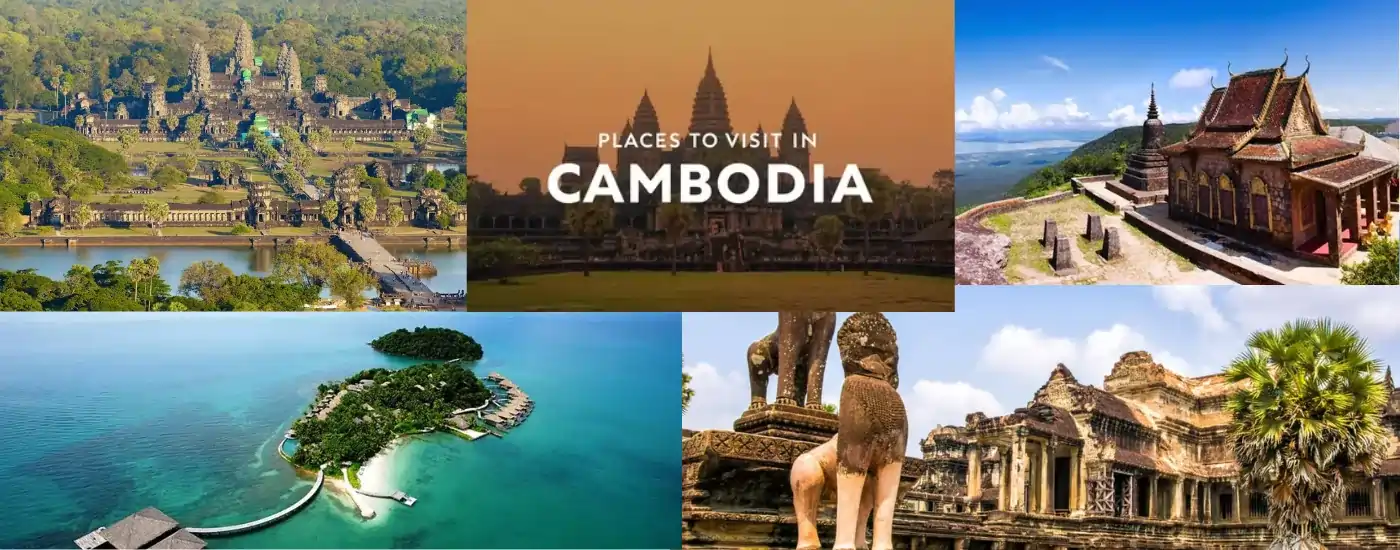
Over 6.6 million international visitors discovered Cambodia in 2019, drawn by ancient temples that pierce the jungle canopy and beaches that rival any Caribbean paradise. I’ve watched this Southeast Asian gem transform from backpacker secret to must-visit destination, yet it retains an authenticity that’s increasingly rare in our Instagram-saturated world.
When exploring the places to visit in Cambodia, you’re not just ticking boxes on a travel checklist. You’re walking through living history where saffron-robed monks still collect alms at dawn, where French colonial architecture crumbles gracefully beside glittering temples, and where the Khmer smile welcomes you despite a painful past that would break lesser nations.
This comprehensive guide reveals the top 10 places to visit in Cambodia alongside hidden gems that most tourists miss. Whether you’re drawn to archaeological wonders, pristine coastlines, or cultural immersion, Cambodia delivers experiences that’ll haunt your memory long after you’ve returned home.
Before diving deep, here’s a snapshot comparison to help you plan your Cambodia itinerary:
| Destination | Best For | Distance from Phnom Penh | Ideal Duration | Budget (Per Day) |
|---|---|---|---|---|
| Angkor Wat (Siem Reap) | Temple enthusiasts, culture lovers | 314 km (6 hours) | 3-4 days | ₹2,500-₹5,800 |
| Siem Reap Town | Nightlife, food scene, shopping | 314 km | 2-3 days | ₹2,000-₹5,000 |
| Phnom Penh | History, urban culture, museums | Base city | 2-3 days | ₹2,500-₹6,000 |
| Koh Rong Islands | Beach paradise, snorkeling, parties | 230 km + ferry | 3-5 days | ₹1,800-₹4,200 |
| Battambang | Colonial charm, countryside | 291 km (5 hours) | 2-3 days | ₹1,500-₹3,500 |
| Kampot | Riverside relaxation, pepper farms | 148 km (3 hours) | 2-3 days | ₹1,800-₹4,000 |
| Kep | Seafood, quiet beaches | 165 km (3.5 hours) | 1-2 days | ₹2,000-₹4,500 |
| Sihanoukville | Island gateway (transit only) | 230 km (4 hours) | 0-1 day | ₹2,000-₹4,000 |
| Koh Kong | Eco-tourism, waterfalls, jungle | 271 km (5 hours) | 2-4 days | ₹1,500-₹4,000 |
| Tonle Sap Lake | Floating villages, unique culture | Near Siem Reap | Half day | ₹2,000-₹3,000 |
| Destination | Budget (₹/night) | Mid-Range (₹/night) | Luxury (₹/night) |
|---|---|---|---|
| Siem Reap | ₹420-₹1,250 | ₹1,680-₹4,200 | ₹8,400-₹25,000+ |
| Phnom Penh | ₹500-₹1,400 | ₹2,000-₹5,000 | ₹10,000-₹30,000+ |
| Koh Rong Islands | ₹670-₹1,250 | ₹2,100-₹3,350 | ₹8,400-₹15,000+ |
| Battambang | ₹420-₹840 | ₹1,250-₹2,500 | ₹3,350-₹6,700 |
| Kampot | ₹420-₹1,250 | ₹1,250-₹2,900 | ₹3,350-₹6,700 |
| Kep | ₹840-₹1,680 | ₹2,100-₹4,200 | ₹6,700-₹12,500+ |
| Koh Kong | ₹670-₹1,250 | ₹1,250-₹2,500 | ₹3,350-₹8,400 |
| Attraction | Entry Fee (USD) | Entry Fee (INR) | Time Needed |
|---|---|---|---|
| Angkor Wat 1-Day Pass | $37 | ₹3,100 | 8-10 hours |
| Angkor Wat 3-Day Pass | $62 | ₹5,200 | Over 1 week |
| Angkor Wat 7-Day Pass | $72 | ₹6,000 | Over 1 month |
| Royal Palace (Phnom Penh) | $10 | ₹840 | 2 hours |
| Tuol Sleng Museum | $5 | ₹420 | 2-3 hours |
| Killing Fields | $6 | ₹500 | 2-3 hours |
| National Museum (Phnom Penh) | $10 | ₹840 | 1.5-2 hours |
| Kep National Park | $1 | ₹84 | 2-3 hours |
| Bokor National Park | $5 | ₹420 | 4-5 hours |
| Route | Bus (INR) | Private Taxi (INR) | Flight (INR) | Duration (Bus) |
|---|---|---|---|---|
| Phnom Penh → Siem Reap | ₹500-₹1,250 | ₹5,000-₹6,700 | ₹4,200-₹10,000 | 6 hours |
| Phnom Penh → Sihanoukville | ₹500-₹840 | ₹4,200-₹5,800 | ₹5,000-₹8,400 | 4 hours |
| Siem Reap → Battambang | ₹500-₹670 | ₹3,350-₹4,200 | N/A | 3-4 hours |
| Phnom Penh → Kampot | ₹420-₹670 | ₹3,350-₹4,200 | N/A | 3 hours |
| Kampot → Kep | ₹420-₹580 | ₹1,680-₹2,500 | N/A | 45 min |
| Sihanoukville → Koh Rong | ₹1,250-₹2,100 (ferry) | N/A | N/A | 40-60 min |
| Activity | Location | Cost (USD) | Cost (INR) |
|---|---|---|---|
| Angkor Wat Sunrise Tour | Siem Reap | $15-20 (tuk-tuk) | ₹1,250-₹1,680 |
| Phare Circus Show | Siem Reap | $18-38 | ₹1,500-₹3,200 |
| Cooking Class | Siem Reap/Phnom Penh | $15-25 | ₹1,250-₹2,100 |
| Floating Village Tour | Tonle Sap | $25-35 | ₹2,100-₹2,900 |
| Scuba Diving (2 dives) | Koh Rong | $60-80 | ₹5,000-₹6,700 |
| PADI Open Water Course | Koh Rong | $320-380 | ₹27,000-₹32,000 |
| Snorkeling Trip | Islands | $15-25 | ₹1,250-₹2,100 |
| Bamboo Train Ride | Battambang | $5 | ₹420 |
| Pepper Farm Tour | Kampot | $5-7 | ₹420-₹580 |
| Sunset Cruise (Mekong) | Phnom Penh | $10-20 | ₹840-₹1,680 |
| Tuk-tuk Day Hire | Anywhere | $15-25 | ₹1,250-₹2,100 |
| Motorbike Rental | Most towns | $5-10/day | ₹420-₹840/day |
| Meal Type | Cost (USD) | Cost (INR) | Where |
|---|---|---|---|
| Street Food Meal | $1-3 | ₹84-₹250 | Anywhere |
| Local Restaurant | $3-6 | ₹250-₹500 | Local areas |
| Tourist Restaurant | $6-12 | ₹500-₹1,000 | Tourist zones |
| Mid-Range Restaurant | $12-20 | ₹1,000-₹1,680 | Cities |
| Upscale Dining | $20-40 | ₹1,680-₹3,350 | Major cities |
| Beer (local) | $0.50-1 | ₹42-₹84 | Bars/restaurants |
| Coffee/Tea | $1-3 | ₹84-₹250 | Cafes |
| Bottled Water (1.5L) | $0.50 | ₹42 | Shops |
| Fresh Crab | $5-10 | ₹420-₹840 | Kep/coastal |
| Expense Category | Budget Traveler | Mid-Range Traveler | Luxury Traveler |
|---|---|---|---|
| Accommodation (6 nights) | ₹3,500 (₹580/night) | ₹12,500 (₹2,100/night) | ₹50,000+ (₹8,400/night) |
| Food (7 days) | ₹5,800 (₹830/day) | ₹10,000 (₹1,430/day) | ₹23,000+ (₹3,300/day) |
| Transport (intercity) | ₹4,200 | ₹6,700 | ₹20,000+ |
| Local Transport | ₹1,680 | ₹3,350 | ₹8,400 |
| Angkor Wat Pass (3-day) | ₹5,200 | ₹5,200 | ₹5,200 |
| Other Activities | ₹2,500 | ₹7,500 | ₹25,000+ |
| Shopping & Misc | ₹1,200 | ₹4,200 | ₹15,000+ |
| TOTAL (excluding flights) | ₹24,000-₹25,000 | ₹49,000-₹52,000 | ₹1,46,000+ |
Note: Exchange rate used: $1 = ₹84 (approximate, subject to fluctuation)
Yes, Angkor Wat is magnificent. But reducing Cambodia to its temples is like describing Paris as “that place with the tower.” The country pulses with life, complexity, and surprises that demand more than a cursory glance.
Cultural Richness: The Khmer civilization peaked when much of Europe was still medieval. That cultural sophistication didn’t disappear—it evolved, absorbed influences from India, China, and France, and created something uniquely Cambodian.
Incredible Value: Your dollar stretches further here than almost anywhere in Southeast Asia. $30 can get you a comfortable guesthouse, three delicious meals, temple entrance fees, and tuk-tuk rides with change to spare.
Warm Hospitality: The Cambodian people have mastered the art of resilience. Despite enduring unimaginable tragedy in the 1970s, they greet visitors with genuine warmth. It’s humbling and uplifting in equal measure.
Diverse Landscapes: Jungle temples? Check. Powder-white beaches? Absolutely. Misty mountains? Yes. Colonial charm? Got it. Cambodia packs extraordinary variety into a relatively compact country.
Planning your journey? Check our detailed guide on how to reach Cambodia for complete travel information.
Location: 6 km north of Siem Reap | UNESCO World Heritage Site
Angkor Wat isn’t just the world’s largest religious monument. It’s a 162-hectare masterpiece that represents the pinnacle of Khmer architectural achievement, built in the early 12th century as a Hindu temple dedicated to Vishnu before transitioning to Buddhism.
The sheer scale staggers you first. Then the details catch your eye—the bas-reliefs depicting scenes from Hindu epics, the perfectly proportioned towers representing Mount Meru, the way sunrise paints the stone lotus-bud towers gold. I’ve visited three times, and each visit revealed layers I’d previously missed.
Angkor Wat (The Main Temple)
Angkor Thom – The Great City
Ta Prohm – Where Nature Reclaims Made famous by Tomb Raider, this 12th-century temple demonstrates what happens when jungle meets architecture. Massive tree roots engulf corridors and courtyards, creating an otherworldly atmosphere. Visit early morning before cruise-ship crowds arrive.
Banteay Srei – The Pink Temple
Temple Pass Options:
Best Strategy: Day 1: Small circuit (Angkor Wat sunrise, Bayon, Ta Prohm) Day 2: Grand circuit (Preah Khan, Neak Pean, Ta Som) Day 3: Distant temples (Banteay Srei, Kbal Spean)
Transportation:
Pro Tips:
For comprehensive insights, read our tourist attractions in Cambodia guide.
Province: Siem Reap | Population: ~250,000
Siem Reap serves as base camp for Angkor exploration, but it’s evolved into a destination that deserves days of attention independent of the temples.
Old French Quarter: Stroll tree-lined boulevards past yellow-painted colonial buildings that house galleries, boutiques, and atmospheric cafes. The architecture tells Cambodia’s French colonial story (1863-1953) in butter-yellow facades and shuttered windows.
Pub Street & Night Markets: Love it or loathe it, Pub Street represents Siem Reap’s tourist heartbeat. By 8 PM, it transforms into pedestrian-only chaos—backpackers downing $0.50 draft beers, tuk-tuk drivers negotiating fares, and street food vendors grilling everything imaginable.
The Old Market (Psar Chas) offers better prices than tourist-focused stalls. Practice your bargaining skills on silk scarves, carved wood, and silverwork. Start at 40% of the asking price.
Unique Experiences:
Cambodian Cultural Village:
Angkor National Museum: Essential pre-temple education. The eight galleries contextualize what you’ll see at Angkor through artifacts, interactive displays, and English explanations. Visit before hitting the temples.
Phare Circus: This isn’t your typical circus. Founded to support young Cambodians through arts education, Phare combines acrobatics, theater, music, and dance into compelling storytelling. Performers might juggle, balance on poles, or incorporate traditional Khmer folklore into contemporary narrative.
Tonle Sap Floating Villages: The lake expands from 2,500 square km to 16,000 square km during monsoon season. Floating villages like Kompong Phluk and Kompong Khleang house entire communities—schools, markets, churches—all on water.
Take the half-day tour ($25-35 / ₹2,100-₹2,900) to witness this unique lifestyle. Choose Kompong Khleang over tourist-packed Chong Kneas for a more authentic experience.
Local Favorites:
International Options: Siem Reap’s dining scene rivals destinations three times its size. You’ll find excellent Italian, French, Japanese, and Indian restaurants alongside Khmer classics.
Budget: $5-15/night (₹420-₹1,250/night) – Hostels, basic guesthouses Mid-range: $20-50/night (₹1,680-₹4,200/night) – Comfortable hotels with pools Luxury: $100+/night (₹8,400+/night) – 5-star resorts like Raffles Grand Hotel d’Angkor
Capital City | Population: ~2.1 million | On the Mekong River
Phnom Penh wears its history like layers of paint. French colonial elegance peeks through modern development. Buddhist spirituality coexists with nightlife energy. And the tragedy of the Khmer Rouge period demands acknowledgment alongside the city’s hopeful rebirth.
Royal Palace & Silver Pagoda: The royal family still resides here, so only portions open to visitors. The Throne Hall’s soaring spires and manicured gardens showcase classical Khmer architecture. The Silver Pagoda houses a life-sized gold Buddha studded with 9,584 diamonds and a floor covered in 5,000 silver tiles.
National Museum of Cambodia: The world’s finest collection of Khmer art, housed in a terracotta traditional-style building around a peaceful courtyard. The 14,000-piece collection spans from pre-Angkorian to post-Angkorian periods.
Bronze statues, lingas, ceramics, and sandstone carvings provide crucial context for understanding Angkor. The 6th-century statue of eight-armed Vishnu and the delicate Apsara dancers are highlights.
Tuol Sleng Genocide Museum (S-21): This former high school became a Khmer Rouge torture and interrogation center where an estimated 20,000 people were imprisoned. Of the 20,000, only seven adults and five children survived.
The visit is emotionally devastating. Classrooms converted to torture chambers. Photographs of victims covering walls. Sparse cells with rusted bed frames. An audio guide ($3) provides crucial context.
I won’t call it “unmissable”—but understanding Cambodia requires confronting this history. The resilience of survivors who share their stories offers hope amid horror.
Choeung Ek Killing Fields: Located 15 km outside Phnom Penh, this was one of 300+ killing sites where Khmer Rouge victims were executed. The audio guide (included in entry) narrates the site’s history as you walk among mass graves and the memorial stupa containing 8,000 skulls.
Visit in the morning before heat peaks. Bring water. Expect to feel shaken.
Riverside Promenade: The confluence of the Tonle Sap and Mekong rivers creates Phnom Penh’s most pleasant public space. Evening strolls reveal locals exercising, street food vendors setting up, and tourists nursing drinks at riverside restaurants.
Central Market (Psar Thmei): This 1937 Art Deco masterpiece with its distinctive yellow dome houses hundreds of vendors selling jewelry, watches, clothing, and souvenirs. The central dome section specializes in gold and gems. Bargain hard.
Russian Market (Psar Toul Tom Poung): Less architecturally impressive but better for tourist goods—silk items, handicrafts, “antiques,” knockoff designer goods, and art. Named for Russian expats who shopped here in the 1980s.
Nightlife: Bassac Lane has evolved into Phnom Penh’s hippest nightlife strip. Warehouse-style bars, craft beer joints, and cool cafes attract young Khmers and expats. Less sleazy than some other areas.
Tuk-tuks: $2-3 for short rides, $5-7 for longer trips PassApp Taxi: Cambodia’s Uber equivalent, cheap and convenient Walking: Riverside and central areas are walkable Rental bikes: $2-5/day from guesthouses
Province: Preah Sihanouk | Coast: Gulf of Thailand
I need to be honest about Sihanoukville. The city I first visited in 2015—with its backpacker beach vibe and seafood shacks—has been transformed by massive Chinese investment. Dozens of casinos and high-rise hotels now dominate what was once a laid-back beach town.
Otres Beach: The southern end retains some charm. Stretches of sand remain undeveloped, and small beach bars offer loungers, cold drinks, and decent seafood. It’s quieter than other areas, attracting long-term travelers who’ve escaped the city center chaos.
Activities include:
Serendipity Beach: Now largely construction sites, but the pier area still functions as the jumping-off point for island boats. You probably won’t linger.
Ream National Park: This 210-square-kilometer protected area offers respite from Sihanoukville’s development fever. Mangrove forests, beaches, and wildlife make for pleasant boat tours through ecosystems home to dolphins, fishing cats, and numerous bird species.
Sihanoukville currently serves primarily as a transit point to Cambodia’s beautiful islands rather than a destination itself. If beaches are your priority, I’d suggest spending minimal time in the city and heading straight to the islands.
Location: 25 km off Sihanoukville coast | Access: Ferry 40-60 minutes
These sister islands deliver the tropical paradise that Sihanoukville once promised. Powder-soft beaches, bioluminescent plankton, jungle hiking, and a backpacker party scene (Koh Rong) or peaceful relaxation (Koh Rong Sanloem).
Koh Toch Beach (Main Beach): This is where most ferries dock and where the “party island” reputation comes from. By day, it’s stunning—turquoise water, white sand, and beach bars serving $1.50 cocktails. By night, it transforms into Southeast Asia’s newest party destination.
Activities:
4K Beach: A 45-minute boat ride or 2-hour jungle trek from the main beach brings you to 4-kilometer-long pristine shoreline. Peace, quiet, and nature rule here. A handful of basic bungalows provide accommodation.
Accommodation:
The quieter sister island attracts those seeking rest over revelry. Two main beaches—Saracen Bay (more developed) and Lazy Beach (aptly named)—offer different vibes.
Saracen Bay: Horseshoe-shaped bay with crystal-clear water and soft sand. Development has accelerated, but it remains significantly calmer than Koh Toch. Perfect for:
Lazy Beach: Accessible only by boat (no road connections), this beach lives up to its name. A dozen simple bungalows, one restaurant, jungle backdrop, and nothing to do except swim, read, and contemplate life.
M’Pai Bay: The fishing village on Sanloem’s north offers the most “real Cambodia” experience on the islands. Stay with local families in homestays, learn about fishing traditions, and enjoy authentic Khmer meals.
Getting There: Multiple ferry companies run daily services:
What to Bring:
Best Time: November-April (dry season) Skip: May-October (monsoon, rough seas, some closures)
Want to plan your budget? Check our Cambodia trip cost guide.
Province: Battambang | Population: ~200,000 | Sangker River
Battambang doesn’t assault you with attractions. Instead, it seduces with authenticity, colonial architecture, and experiences that feel genuinely Cambodian rather than tourist-manufactured.
The city retains early 20th-century French buildings in better condition than Phnom Penh. Riverside life proceeds at a human pace. Locals still outnumber tourists 100 to 1. And the surrounding countryside serves up temples, caves, and villages unchanged for generations.
The Bamboo Train (Norry): This makeshift railway uses a bamboo platform mounted on wheels powered by a small engine. Originally created by locals after the Khmer Rouge destroyed the railway system, it’s now a tourist attraction beloved for its bumpy, breezy rides through rice paddies.
The 7-km ride costs $5 return. When trains meet coming opposite directions, passengers disassemble one train, move it aside, let the other pass, then reassemble and continue. It’s brilliantly pragmatic.
Phnom Sampeau: This hilltop temple complex offers panoramic views, ancient ruins, and the famous “Killing Caves” where Khmer Rouge soldiers threw victims to their deaths. The site’s beauty contrasts painfully with its history.
At sunset, watch millions of bats emerge from caves in a spectacular natural phenomenon lasting 30-40 minutes.
Wat Ek Phnom: 11th-century Angkorian temple ruins 11 km north of town. Less restored than Angkor temples, giving you that “discovering ruins” feeling. A giant modern Buddha statue nearby provides interesting juxtaposition.
Phnom Banan: Climb 358 steps to reach this 11th-century temple atop a hill. Five towers remain intact, offering views over rice paddies and countryside. It’s Angkor-lite—less grand but also less crowded.
Countryside Tour by Bike or Tuk-tuk: The region produces rice paper, fish paste, and rice wine using traditional methods. Half-day tours ($15-20) visit family workshops where you can observe (and sample) the process.
Battambang has become Cambodia’s arts capital. Several NGOs support traditional and contemporary Khmer arts:
Phare Ponleu Selpak: The original Phare (before Siem Reap branch). This arts school provides free education to underprivileged children in music, dance, acrobatics, and visual arts. Evening performances showcase student talent.
Traditional Houses: Well-preserved colonial and traditional Khmer houses line the riverside. The Governor’s Residence, now a restaurant, exemplifies the French colonial style.
Getting There:
Getting Around: Rent a bicycle ($2-3/day) or motorbike ($5-7/day) to explore. The flat terrain makes cycling pleasant.
Accommodation: $5-40/night range covers budget hostels to boutique colonial hotels
Time Needed: 2-3 days allows proper exploration without rushing
Province: Kampot | Population: ~50,000 | River town
Kampot has mastered the art of doing nothing productively. This riverside town moves at a pace that makes even Battambang seem hectic. Colonial buildings lean gently toward the river. Expat-run restaurants serve farm-to-table cuisine. And the surrounding countryside produces world-famous Kampot pepper.
The town itself is the attraction. Rent a bicycle and pedal along the river. Stop at a cafe for iced coffee. Chat with a shopkeeper. Watch locals fishing. Repeat daily.
Kampot Pepper Farms: Kampot pepper is serious business—it has Protected Geographical Indication status, like Champagne or Parmesan. The unique terroir produces complex, aromatic peppercorns prized by chefs worldwide.
Several farms offer tours ($5-7) explaining cultivation, harvesting, and processing. You’ll taste different varieties (white, black, red, green) and understand why this pepper costs $20-40 per kilogram compared to $3 for regular pepper.
Popular farms:
Bokor National Park: This 140,000-hectare protected area in the Elephant Mountains contains the eerie Bokor Hill Station—a French colonial resort town abandoned since the 1940s. The mist-shrouded “ghost town” features a derelict casino, church, and king’s villa.
A Chinese company has built a modern casino complex nearby (ignore it) but the old ruins remain atmospheric. The 32-km drive up the mountain passes through thick jungle and offers spectacular views.
River Cruises: Sunset cruises on the Kampot River ($8-12) drift past stilted houses, fishing boats, and mangrove forests. Some tours include firefly watching after dark—magical!
Teuk Chhou Rapids & Zoo: Popular local picnic spot 8 km from town. The “rapids” are modest, but locals love swimming here on weekends. The zoo is sad—skip it, visit the river only.
Secret Lake (Lake Kbal Chhay): Actually not very secret anymore, but this forested area with natural springs makes a pleasant half-day trip. Bamboo pavilions provide picnic spots, and you can swim in the cool water.
Kampot punches above its weight gastronomically. Expat-run restaurants serve excellent international cuisine while local spots offer authentic Khmer flavors:
Must-Try:
Top Restaurants:
Budget: $5-15/night (hostels, basic guesthouses) Mid-range: $15-35/night (comfortable hotels, some colonial buildings) Boutique: $40-80/night (renovated colonial gems like Columns)
3-4 days allows proper relaxation. Many travelers arrive planning 2 days and stay a week.
Province: Kep | Population: ~40,000 | Coast: Gulf of Thailand
Tiny Kep once served as Cambodia’s beach playground for French colonials and Khmer elite. The Khmer Rouge destroyed most villas, leaving atmospheric ruins dotting the hillsides. Today, Kep attracts those seeking quiet beaches, excellent seafood, and escape from crowds.
Kep Beach: Don’t expect Koh Rong. This small, gray-sand beach is more about wading than swimming. But the palm-tree-shaded promenade, beach shacks selling fresh crab, and mountain backdrop create a pleasant scene.
Crab Market: The reason most people visit Kep! The market consists of waterfront shacks where women sell the day’s catch—crabs, fish, squid, prawns. Point to what you want, they’ll cook it to order with Kampot pepper sauce, and you’ll eat at plastic tables overlooking the water.
A whole crab with pepper: $5-10 depending on size Prawns: $8-12 per kg Fish: $3-6
Go early afternoon for best selection. Bring wet wipes—eating crab is messy business!
Kep National Park: The 50-square-kilometer park protects forested hills behind town. Well-marked hiking trails wind through jungle, past ruined French villas, to viewpoints overlooking the coast.
The 8-km circuit takes 2-3 hours at a leisurely pace. Bring water, wear good shoes, and start early to avoid heat.
Rabbit Island (Koh Tonsay): A 20-minute boat ride ($10 return) brings you to this undeveloped island with basic bungalows and empty beaches. Perfect for digital detox and beach reading.
Day-trippers can enjoy the beach, simple seafood lunch, and swimming before returning on afternoon boats. Or stay overnight in basic wooden bungalows ($10-15) with candles for lighting.
French Villas: Ruined colonial villas scatter the hillsides—nature slowly reclaiming elegant architecture. Some have been renovated into guesthouses and restaurants, others remain romantic ruins.
Kep Butterfly Farm: Small family-run farm with hundreds of butterflies in enclosed gardens. Educational and peaceful.
Kep has evolved from budget basics to include luxury options:
Budget: $10-20/night Mid-range: $25-50/night (including renovated French villas) Luxury: $80-150/night (Knai Bang Chatt, boutique excellence)
2-3 days provides ample time to relax, eat crab, hike, and decompress.
Location: Central Cambodia | Size: 2,500-16,000 sq km (seasonal)
Tonle Sap isn’t just a lake—it’s a living, breathing ecosystem that drives Cambodia’s agriculture and fishing industries. During monsoon season, the Tonle Sap River actually reverses flow, draining into the lake and expanding it to six times its dry-season size!
Entire communities live on the water—houses, schools, churches, shops, even pig farms—all floating. Several villages near Siem Reap offer tours:
Kompong Phluk:
Kompong Khleang:
Chong Kneas:
November-March: Lower water levels, houses on stilts visible July-October: High water, fully floating villages, more dramatic
Province: Koh Kong | Population: ~70,000 | Thai Border
Koh Kong remains Cambodia’s wild west—literally and figuratively. This frontier province bordering Thailand offers untouched rainforests, pristine waterfalls, mangrove forests, and beaches that see more dolphins than tourists.
Most travelers skip Koh Kong entirely, using it only as a Thailand-Cambodia border crossing point. That’s their loss. This region protects some of Southeast Asia’s last intact rainforest ecosystems within the Southern Cardamom Mountains.
Koh Kong Island: Cambodia’s fourth-largest island remains wonderfully undeveloped. A handful of eco-resorts offer bungalows on empty beaches where fishing boats outnumber tourists 100 to 1.
Activities include:
Getting there: 1-hour boat from Koh Kong town ($20 return)
Tatai Waterfall & River: The Tatai River, 18 km east of Koh Kong, offers stunning natural beauty. The waterfall impresses during rainy season (June-November) when water thunders over rocks. Dry season reveals rock pools perfect for swimming.
Several excellent eco-lodges line the river:
Activities:
Cardamom Mountains: One of Asia’s largest remaining rainforest areas (1.5 million hectares!) shelters endangered species including Asian elephants, clouded leopards, sun bears, and Siamese crocodiles.
Multi-day trekking expeditions ($80-150/day) venture deep into protected areas with experienced guides. You’ll likely see little large wildlife but the pristine jungle experience alone justifies the journey.
Chi Phat: This former logging village 14 km from Koh Kong has transformed into an ecotourism success story. The Community-Based Ecotourism (CBET) program offers jungle treks, mountain biking, kayaking, and homestays while providing sustainable income for locals.
Activities ($20-40 per person per day):
Peam Krasop Wildlife Sanctuary: Mangrove forests protect coastline while providing habitat for numerous species. Wooden walkways allow exploration without damage. The raised boardwalk extends 1 km through dense mangroves—peaceful and educational.
Getting There:
Best Time: November-April (dry season)
Accommodation: Town: $8-40/night (budget guesthouses to decent hotels) Eco-lodges: $40-200/night (higher quality, remote locations)
Time Needed: 2-4 days for proper exploration
Location: Northeast Cambodia, Mekong River | Population: ~80,000
Kratie (pronounced “kra-cheh”) serves as base for spotting the critically endangered Irrawaddy dolphins. Only 80-90 individuals survive in this Mekong River stretch.
Dolphin Watching: 15 km north at Kampi, boat tours ($9 per boat, 1-2 hours) bring you close to these gentle creatures. Unlike ocean dolphins, Irrawaddy dolphins have rounded heads and shy nature.
Best time: Early morning or late afternoon Success rate: 90% (dolphins are resident, not migratory)
Other Activities:
Province: Mondulkiri | Eastern Highlands
Cambodia’s largest and least populated province offers cool climate, rolling hills, waterfalls, and ethical elephant sanctuaries.
Elephant Valley Project: True sanctuary where rescued elephants roam freely. No riding! You’ll walk alongside elephants as they forage, bathe in streams, and live naturally.
Bousra Waterfall: 42-meter-high double-tiered waterfall surrounded by jungle. Swimming possible in pools below.
Indigenous Villages: Bunong people maintain traditional lifestyle. Community-based tourism allows respectful cultural exchange.
Location: Remote northeast | Volcanic crater lakes
Even more remote than Mondulkiri, Ratanakiri rewards adventurous travelers with pristine nature and indigenous culture.
Highlights:
Challenge: Remote location, basic infrastructure, rough roads Reward: Genuine adventure, few tourists, stunning nature
Location: Thai border, Dangrek Mountains | UNESCO Site
This 11th-century temple perched atop 525-meter cliff offers the most dramatic setting of any Khmer temple. Better preserved than most Angkor temples and far less crowded.
Why It’s Special:
Getting There:
Entry: $10 Best time: Morning for light, avoid midday heat
Location: 120 km northeast of Angkor | Former capital
This remote archaeological site served briefly as Khmer Empire capital (928-944 AD). The 7-tiered pyramid Prasat Thom rises 36 meters above jungle—you can climb to the top for panoramic forest views.
Highlights:
Logistics:
Provincial capital | Population: ~25,000
Small town serving as base for Ratanakiri adventures. Limited tourist infrastructure but authentic northeastern Cambodia experience.
Understanding Cambodia’s seasons is crucial for planning. The tropical climate divides into distinct wet and dry periods.
November-February: Perfect Weather
March-April: Hot Season
May-October: Monsoon
Advantages:
Disadvantages:
November-December: Peak season begins, excellent weather, festivals January-February: Best weather, highest prices, most crowds March-April: Very hot, fewer tourists, Khmer New Year (mid-April) May-June: Early monsoon, moderate rains, good deals July-August: Heavy rains, lowest prices, quiet September-October: Late monsoon, spectacular landscapes, waterfalls impressive
For detailed seasonal information, check our best time to visit Cambodia guide.
Khmer New Year (mid-April): Cambodia’s biggest festival! Three days of celebrations, temple visits, traditional games, and family reunions. Expect higher prices and transport difficulties but incredible cultural immersion.
Water Festival (November): Marks end of rainy season with spectacular boat races in Phnom Penh. Hundreds of boats compete on the Tonle Sap River before massive crowds.
Angkor Wat International Half Marathon (December): Run past ancient temples! Popular event requiring early registration.
Visa on Arrival: Most nationalities receive 30-day tourist visa on arrival at airports and land borders.
E-Visa: Apply online before travel (recommended for smoother entry)
Land Border Notes: Some borders charge “unofficial fees” ($2-5). Pay to avoid hassles. Major borders work smoothly.
Currency: Cambodia uses dual currency system:
ATMs:
Credit Cards: Accepted at hotels, upscale restaurants, tour agencies. Small businesses and local restaurants cash-only.
Budget Tips:
Vaccinations: Consult doctor, but generally recommended:
Malaria: Risk in rural areas, minimal in cities. Prophylaxis recommended for jungle areas. Bring insect repellent with DEET.
Food & Water:
Common Issues:
Safety: Cambodia is generally safe, but:
Domestic Flights:
Buses:
Tuk-tuks:
Motorbike Rental:
Grab App:
Booking Strategy:
Budget Breakdown:
What to Check:
Temples:
General Behavior:
Photography:
Language: Khmer is official language. English increasingly spoken in tourist areas.
Useful Phrases:
Internet:
Support Local:
Environmental Awareness:
Begging & Donations:
Elephant Tourism:
Cambodia remains one of Southeast Asia’s most budget-friendly destinations, but costs vary significantly based on travel style.
Shoestring Budget: $15-25/day
Mid-Range Budget: $40-70/day
Comfortable Budget: $100-150/day
Luxury Budget: $200+/day
Angkor Wat Pass:
Meals:
Transportation:
Activities:
Sample 7-Day Budget:
Budget Traveler:
Mid-Range Traveler:
For comprehensive budget planning, visit our Cambodia trip cost guide.
Q1: Is Cambodia safe for tourists?
Yes, Cambodia is generally safe for tourists. Exercise normal precautions—watch your belongings in crowded areas, don’t walk alone late at night in cities, and be cautious of scams. The biggest risks are traffic accidents (be careful crossing streets) and petty theft. Political situation has stabilized significantly since the 1990s.
Q2: How many days do I need in Cambodia?
Minimum 5-7 days covers Angkor Wat and either Phnom Penh or beaches. Ideal is 10-14 days allowing Siem Reap (3-4 days), Phnom Penh (2-3 days), beaches (3-4 days), and one additional destination. Cambodia rewards slow travel—rushing misses the magic.
Q3: Do I need vaccines for Cambodia?
Consult your doctor, but generally recommended: Hepatitis A and B, Typhoid, routine vaccinations (MMR, DTP). Japanese Encephalitis if traveling to rural areas extensively. Yellow fever certificate required if arriving from yellow fever endemic country.
Q4: Can I drink tap water in Cambodia?
No. Drink bottled or filtered water only. Ice in tourist areas generally safe (made from purified water), but when in doubt, skip it. Brush teeth with bottled water in rural areas.
Q5: What currency does Cambodia use?
Cambodia uses both Cambodian Riel and US Dollars. Dollars accepted everywhere and preferred for amounts over $1. Bring small bills ($1, $5, $20). Change usually given in riel. ATMs dispense US dollars.
Q6: Is English widely spoken?
In tourist areas (Siem Reap, Phnom Penh, beaches), many people speak basic English. Rural areas have limited English. Young people speak more English than older generations. Learn basic Khmer phrases—locals appreciate the effort!
Q7: What should I wear to temples?
Cover shoulders and knees. No tank tops, short shorts, or revealing clothing. Bring lightweight scarf to cover up if needed. Remove shoes before entering temple buildings. Many temples now enforce dress codes strictly.
Q8: How do I get from Siem Reap to Phnom Penh?
Four options:
Q9: Can I use credit cards?
Major credit cards accepted at hotels, upscale restaurants, tour agencies, and some shops in tourist areas. Always carry cash for small purchases, local restaurants, markets, and tuk-tuks. ATMs widely available in cities.
Q10: What’s the best way to get around Cambodia?
Between cities: Tourist buses (comfortable, affordable) Within cities: Tuk-tuks (negotiate price first) Longer distances: Consider private taxi for comfort Around temples: Tuk-tuk day hire or bicycle Apps: Grab works in Phnom Penh and Siem Reap
Q11: Are there land mines in Cambodia?
Cambodia has extensive mine contamination from decades of conflict. However, tourist areas are completely safe. Risk only exists in remote rural areas. Always stay on marked paths and never venture into unmarked jungle or fields. Don’t touch metal objects or unexploded ordnance.
Q12: What’s the wifi situation?
Most accommodations offer WiFi, quality varies. Cities have decent connectivity. Rural areas and islands have limited or slow internet. Consider buying local SIM card ($1-2) with data package ($2 for 3GB) for reliable connection.
Q13: Can I visit Cambodia during rainy season?
Yes! May-October sees fewer tourists and significant discounts (30-50% off accommodations). Mornings usually clear, afternoon rains last 1-3 hours. Temples less crowded, landscapes lush. Some roads difficult, islands have limited services. Waterfalls spectacular!
Q14: What souvenirs should I buy?
Buy from markets or artisan shops, bargain at markets, avoid purchasing antiques (illegal to export).
Q15: Is Cambodia child-friendly?
Yes, Cambodian people love children! Families welcome at most hotels and restaurants. Challenges include heat, long distances, and some heavy history (Killing Fields, genocide museums may be inappropriate for young children). Beaches and temples fascinate kids. Consider travel clinic visit before going.
I’ve returned to Cambodia four times now. Each visit reveals new layers—a temple I’d somehow missed, a village meal that surpasses restaurant fare, a conversation with a tuk-tuk driver that shifts my perspective.
The places to visit in Cambodia extend far beyond Angkor Wat, though those ancient stones certainly justify the journey alone. This country asks more of you than passive sightseeing. It invites engagement, challenges assumptions, and rewards curiosity.
You’ll encounter resilience that humbles you—how does a nation recover from genocide that claimed 2 million lives just 45 years ago? You’ll witness development that concerns and excites simultaneously—gleaming airports alongside subsistence farming, smartphones in hands that remember land mines.
Cambodia isn’t always easy. The poverty is real. The traffic is chaotic. The heat can be punishing. History weighs heavy. But somewhere between a sunrise over Angkor Wat, a meal of fresh crab in Kep, and a conversation with a monk in Battambang, you’ll understand why Cambodia stays with travelers long after they’ve left.
Start planning your Cambodian adventure today. The temples await. The beaches beckon. The people will welcome you. And I guarantee you’ll start planning your return before you’ve even left.
Ready to explore the Kingdom of Wonder?
Have you visited any of these places to visit in Cambodia? Share your experiences in the comments below!

As an upcoming travel agent I got much support from travel tourister. We are getting very good leads from travel tourister and they mend our website which is also very commendable.... Excellent work Hope to do more business forward.... Thanks and regards CEO,Andaman Unlocked
Rating:
10/20/2018
As an upcoming travel agent I got much support from travel tourister. We are getting very good leads from travel tourister and they mend our website which is also very commendable.... Excellent work Hope to do more business forward.... Thanks and regards CEO,Andaman Unlocked
Rating:
10/20/2018
2nd Floor, 39, Above Kirti Club, DLF Industrial Area, Kirti Nagar, New Delhi, Delhi 110015



Travel Tourister is a leading Travel portal where we introduce travellers to trusted travel agents to make their journey hasselfree, memorable And happy. Travel Tourister is a platform where travellers get Tour packages ,Hotel packages deals through trusted travel companies And hoteliers who are working with us across the world. We always try to find new and more travel agents and hoteliers from every nook and corners across the world so that you could compare the deals with different travel agents and hoteliers and book your tour or hotel with the one you have chosen according to your taste and budget.
Copyright © Travel Tourister, India. All Rights Reserved


 Call
Call Enquiry