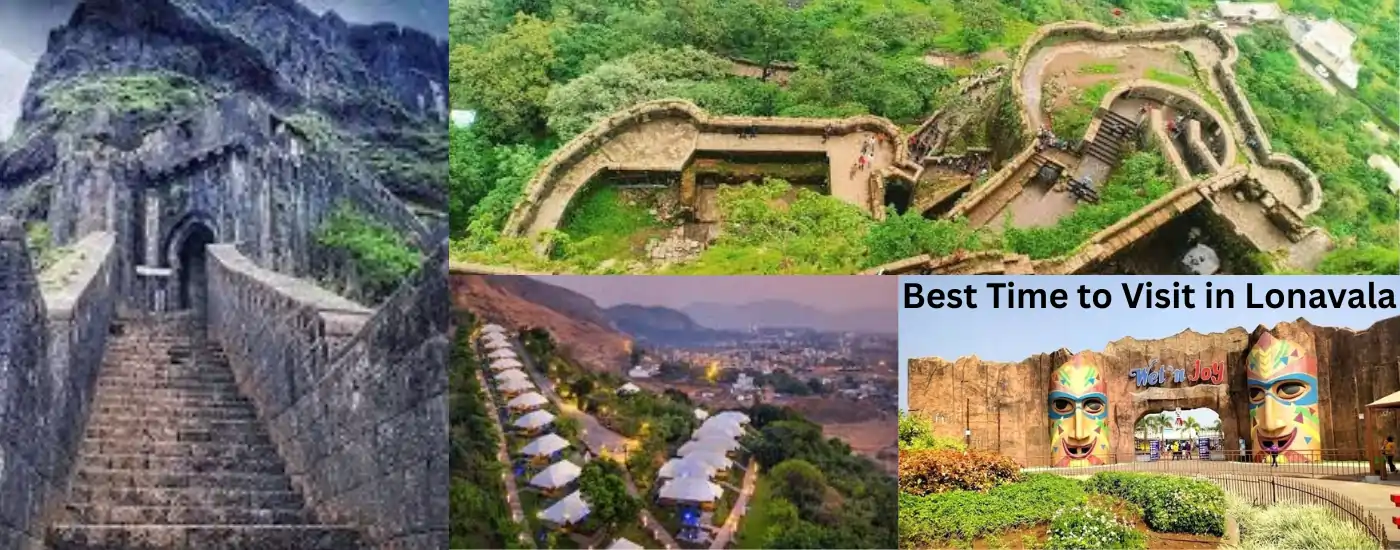
Picture this: mist-covered valleys, cascading waterfalls, and lush green hills stretching as far as your eyes can see! The best time to visit Lonavala transforms this Western Ghats paradise into dramatically different experiences throughout the year, and choosing the right season can make or break your trip.
With over 2 million visitors annually, Lonavala’s popularity peaks during certain months for good reason. Understanding when to visit based on your preferences—whether you crave monsoon magic, winter adventures, or budget-friendly summer escapes—ensures you experience this hill station at its absolute best.
Before diving into specifics, let me give you the big picture! Lonavala sits at 622 meters above sea level in the Sahyadri mountain range, enjoying a tropical monsoon climate that creates three distinct seasons—each offering unique experiences.
Annual Weather Summary:
The dramatic seasonal changes mean your Lonavala experience in monsoon bears absolutely no resemblance to a winter visit. That’s the beauty of this destination—it offers something completely different depending on when you arrive!
Three Distinct Seasons:
Each season attracts different types of travelers. Let’s explore them in detail!
Peak Tourist Season – Nature’s Grand Performance!
If you ask locals about the best time to visit Lonavala, most will enthusiastically point to monsoon! This is when the hill station undergoes a magical transformation that has to be seen to be believed.
Temperature Range: 22-29°C (72-84°F) Rainfall: Heavy and continuous (about 20 rainy days per month) Humidity: 80-93% Visibility: Often misty and cloudy
The monsoon months experience heavy, almost 24-hour rainfall in Lonavala, with torrential rains showing no signs of stopping except for brief periods. But don’t let that deter you! The rain creates the very magic that draws visitors here.
Waterfalls in Full Glory Every waterfall—Kune, Bhushi Dam, Reverse Waterfall—flows at maximum capacity. The sight of water cascading down rocky surfaces against vibrant green vegetation is absolutely spellbinding!
Lush Greenery Everywhere The hills transform from brown to emerald green within weeks of monsoon’s arrival. The landscape becomes so verdant that it barely looks real!
Romantic Atmosphere Mist-covered valleys, cool weather, and the constant patter of rain create an incredibly romantic ambiance. No wonder this is prime time for couples!
Fewer Daytime Crowds While weekends get busy, weekdays during monsoon are relatively peaceful as many avoid the rains.
Continuous Rainfall Pack multiple changes of clothes and waterproof gear. You WILL get wet!
Slippery Roads and Trails Due to the hilly terrain, the region is prone to landslides during periods of intense rainfall. Drive carefully and avoid trekking during heavy rains.
Higher Prices Accommodation rates surge by 40-70% during monsoon weekends and long weekends.
Limited Visibility Misty conditions sometimes obscure panoramic views from viewpoints.
Visit immediately post-monsoon (late September to early October) to enjoy lush greenery without constant rainfall!
Most Popular Season – Perfect Weather for Everything!
Winter is what I call the “Goldilocks season”—not too hot, not too cold, just right! This is arguably the best season to visit Lonavala for first-time visitors and families.
Temperature Range: 10-28°C (50-82°F) Rainfall: Minimal to none Humidity: Low to moderate (40-60%) Visibility: Crystal clear skies
The average temperature during winter ranges from 12 to 29 degrees Celsius, making the weather perfect for sightseeing. Nights can get quite cool, especially in December and January when temperatures drop to 10-12°C.
Perfect Trekking Weather Clear skies and comfortable temperatures make this THE season for fort treks. Lohagad, Rajmachi, Tikona, and Visapur forts are best explored during these months.
Post-Monsoon Greenery Early winter (October-November) still retains much of the monsoon greenery, giving you the best of both worlds!
Ideal for All Activities Whether it’s sightseeing, photography, adventure sports, or leisurely walks, winter weather supports everything!
Clear Panoramic Views Unlike monsoon’s mist, winter offers crystal-clear visibility from every viewpoint. Sunset and sunrise views are phenomenal!
Comfortable Exploration No rain to worry about, no excessive heat to battle. You can explore from dawn to dusk comfortably.
October-November (Early Winter):
December-February (Peak Winter):
Crowded Weekends Winter weekends, especially during December-January, see maximum crowds. Book accommodations well in advance!
Premium Pricing While not as expensive as monsoon, winter weekends command 30-40% price premiums.
Chilly Mornings Early mornings and nights require light woolens, especially in December-January.
Visit on weekdays in November or early December for the best combination of pleasant weather, post-monsoon greenery, and reasonable prices!
Off-Season – Budget Travelers’ Paradise!
Here’s a secret most people don’t know: summer is actually a fantastic time to visit Lonavala if you plan smartly! While it’s labeled “off-season,” the weather is far more manageable than in nearby cities.
Temperature Range: 25-35°C (77-95°F) Rainfall: Occasional pre-monsoon showers in May Humidity: Moderate to high (50-70%) Visibility: Clear, excellent for long-distance views
Summers have uncharacteristically hot and humid weather, with temperatures between 25 to 35 degrees Celsius. However, it’s significantly cooler than Mumbai or Pune during the same period!
Massive Budget Savings This is the game-changer! Accommodation costs drop by 40-60% compared to peak season. That ₹5,000 room? Now available for ₹2,000-2,500!
Minimal Crowds Attractions are blissfully empty on weekdays. You can practically have Tiger’s Leap to yourself!
Clear Skies for Photography Excellent visibility and dramatic cloud formations create stunning photography opportunities.
Adventure Activities Many adventure parks and activities offer special summer discounts and promotions.
Pleasant Mornings and Evenings The afternoons are quite hot, but evenings and mornings are pleasant enough. Plan activities accordingly!
Night Trekking Trekking enthusiasts visit Lonavala for night treks—they start around 9 PM, reach the summit by midnight, and return early next morning. This completely avoids daytime heat!
Indoor Afternoon Breaks Book resorts with pools or indoor amenities. Spend hot afternoons relaxing indoors, then venture out for evening explorations.
Early Morning Activities Start your day at 6 AM when temperatures are pleasant. Cover major viewpoints before 10 AM.
Daytime Heat Midday temperatures (11 AM – 4 PM) can be uncomfortable for outdoor activities.
Pre-Monsoon Humidity May sees increasing humidity as monsoon approaches, which can feel sticky.
Dry Waterfalls Most waterfalls are dry or have minimal flow during summer months.
March and early April offer the best summer experience—warm but not excessively hot, with occasional refreshing breezes. Check out Lonavala trip cost to see how much you can save traveling during summer!
Not everyone wants the same experience! Here’s my personalized recommendation based on traveler type:
Best Time: Monsoon (June-September) or Winter weekends (October-February)
Why: Monsoon offers unmatched romance with misty valleys and cozy weather. Winter provides comfortable exploration with clear views. Both seasons support lakeside camping and bonfire experiences that couples love!
Avoid: Summer weekdays when resorts might feel empty and activities limited.
Pro Tip: Check out specialized Lonavala honeymoon tour packages that bundle romantic experiences like candlelight dinners, spa treatments, and private valley-view rooms.
Best Time: Winter (October-February)
Why: Comfortable weather supports all-day activities without weather-related concerns. Theme parks, caves, and forts are all accessible. No risk of children falling sick due to rain exposure!
Avoid: Peak monsoon (July-August) due to continuous heavy rainfall that limits activities.
Pro Tip: Explore Lonavala family tour packages designed specifically for families, including kid-friendly accommodations and age-appropriate activities.
Best Time: Post-monsoon and Winter (October-February)
Why: Trails are dry and safe, weather is perfect for physical activity, and visibility is excellent for panoramic views from fort tops.
Avoid: Peak monsoon when trails become dangerously slippery and prone to landslides.
Alternative: Summer for challenging night treks that avoid daytime heat.
Best Time: Summer (March-May)
Why: Save 40-60% on accommodation, transportation, and activities! With smart planning (early mornings, late evenings), you can enjoy Lonavala fully at a fraction of peak-season costs.
Avoid: Monsoon and winter weekends when prices skyrocket.
Pro Tip: Weekdays in March offer the sweet spot—pleasant weather and rock-bottom prices!
Best Time: Monsoon (June-September) for waterfall photography; Winter (October-February) for landscape photography
Why: Monsoon offers dramatic water features and lush greenery. Winter provides clear skies, excellent visibility, and perfect lighting conditions.
Avoid: Summer when landscapes can look dry and brown.
Best Time: Winter (October-February)
Why: Easier to meet fellow travelers, safe trekking conditions, comfortable weather for exploring alone, and vibrant social atmosphere at hostels and cafes.
Avoid: Monsoon if traveling alone to remote areas due to safety concerns with slippery terrain.
Best Time: Monsoon for water adventures; Winter for land-based adventures
Why: Monsoon enables waterfall rappelling and river activities. Winter is perfect for paragliding, zip-lining, rock climbing, and fort explorations.
Year-Round: Della Adventure and Imagica operate throughout the year with different seasonal offerings.
Let me break down each month so you can pinpoint the exact best time to visit Lonavala for your schedule!
Temperature: 11-29°C (52-84°F) Rainfall: Minimal (1mm) Crowd Level: High on weekends, moderate on weekdays
Highlights: January is the driest month with an average of just 0.27 rainy days. Perfect for outdoor activities! Crisp mornings require light jackets, but afternoons are comfortably warm.
Best For: Trekking, sightseeing, adventure activities Pack: Light woolens for morning/evening, comfortable cotton for daytime
Temperature: 12-30°C (54-86°F) Rainfall: Very minimal (2mm) Crowd Level: High (peak tourist month)
Highlights: February is a tropical month with an average high of 30°C. Warmer than January, still very comfortable. Clear skies continue, making it ideal for photography and outdoor exploration.
Best For: All activities, family trips, group tours Pack: Light cotton clothing, sunscreen, cap
Temperature: 16-32°C (61-90°F) Rainfall: Minimal Crowd Level: Moderate (transition to off-season)
Highlights: Transition month when summer begins but heat is still manageable. March has the lowest relative humidity at 43.95%, making it surprisingly comfortable despite warming temperatures.
Best For: Budget travel, less crowded exploration Pack: Light summer clothes, sunglasses, water bottle
Temperature: 20-33°C (68-91°F) Rainfall: Occasional showers Crowd Level: Low (off-season)
Highlights: April receives the most sunshine with an average of 10.64 daily hours. Great for early morning and evening activities. Excellent month for budget travelers!
Best For: Budget travel, photography, early/late day activities Pack: Light summer clothing, strong sunscreen, hat
Temperature: 23-34°C (73-93°F) Rainfall: Pre-monsoon showers increase Crowd Level: Very low
Highlights: May is the warmest month with high temperatures of 34°C. However, pre-monsoon showers bring relief. Best budget rates of the year!
Best For: Budget travelers, resort stays with pools Pack: Summer clothes, umbrella, plenty of water
Temperature: 23-30°C (73-86°F) Rainfall: Monsoon begins (moderate to heavy) Crowd Level: Increasing (monsoon excitement builds)
Highlights: June marks the beginning of monsoon with temperatures reducing from 34°C to 30°C. The landscape starts transforming! Early June sees lighter rains compared to July-August.
Best For: Early monsoon enthusiasts, romantic getaways Pack: Rain gear, multiple change of clothes, waterproof bags
Temperature: 22-26°C (72-79°F) Rainfall: Very heavy (652mm – wettest month!) Crowd Level: Very high (peak monsoon tourism)
Highlights: July receives heavy rainfall with an average of 652mm distributed across 24 rainy days. Waterfalls at maximum glory! Despite rainfall, July has the highest relative humidity at 92.99%.
Best For: Waterfall lovers, monsoon photography, couples Pack: Complete rain gear, extra clothes, waterproof shoes
Temperature: 22-27°C (72-81°F) Rainfall: Heavy (continues from July) Crowd Level: High
Highlights: Similar to July with continuous heavy rainfall. August marks the darkest time of year with only 3.7 hours of sunlight per day. Lush greenery peaks!
Best For: True monsoon lovers, photography enthusiasts Pack: Multiple rain jackets, quick-dry clothing, waterproof electronics covers
Temperature: 21-28°C (70-82°F) Rainfall: Reducing (monsoon ending) Crowd Level: Moderate
Highlights: Best of both worlds—still green from monsoon but rains reducing significantly! Late September is what I call the “sweet spot” period.
Best For: Everyone! Perfect compromise month Pack: Light rain gear (just in case), comfortable clothing
Temperature: 20-29°C (68-84°F) Rainfall: Occasional post-monsoon showers Crowd Level: Increasing (winter season begins)
Highlights: Post-monsoon season from October to November offers mild and pleasant weather with temperatures ranging from 20-30°C. Landscape still beautifully green, but skies clearing up!
Best For: Trekking, photography, all outdoor activities Pack: Light clothing, light jacket for evenings
Temperature: 15-28°C (59-82°F) Rainfall: Minimal Crowd Level: High on weekends
Highlights: Excellent month combining post-monsoon freshness with winter’s comfortable temperatures. Clear skies return fully, making it ideal for panoramic photography.
Best For: First-time visitors, families, trekkers Pack: Light woolens for morning/evening, comfortable daywear
Temperature: 11-29°C (52-84°F) Rainfall: Almost none Crowd Level: Very high (holiday season)
Highlights: December is the first winter month with temperatures ranging from 11-29°C. Christmas and New Year bring maximum crowds and premium prices, but the weather is absolutely delightful!
Best For: Winter lovers, holiday celebrations, family trips Pack: Woolens for night/early morning, layers for daytime
Understanding peak and off-season dynamics helps you plan better!
Characteristics:
Advantages:
Who Should Visit: Those who prioritize weather and don’t mind crowds or premium prices.
Characteristics:
Advantages:
Who Should Visit: Smart travelers seeking value without compromising too much on weather.
Characteristics:
Advantages:
Who Should Visit: Budget travelers, heat-tolerant adventurers, those seeking solitude.
| Month | Temperature (°C) | Rainfall Level | Crowd Level | Price Level | Best For |
|---|---|---|---|---|---|
| January | 11-29 | Minimal | High | High | Trekking, Sightseeing |
| February | 12-30 | Minimal | Very High | Very High | All Activities |
| March | 16-32 | Low | Moderate | Moderate | Budget Travel |
| April | 20-33 | Low | Low | Low | Budget, Photography |
| May | 23-34 | Moderate | Very Low | Very Low | Budget, Night Treks |
| June | 23-30 | Heavy | High | High | Early Monsoon |
| July | 22-26 | Very Heavy | Very High | Very High | Waterfalls, Romance |
| August | 22-27 | Heavy | High | High | Monsoon Peak |
| September | 21-28 | Moderate | Moderate | Moderate | Best Compromise |
| October | 20-29 | Low | High | High | Post-Monsoon Beauty |
| November | 15-28 | Minimal | High | High | Ideal Month |
| December | 11-29 | Minimal | Very High | Very High | Winter Peak |
Legend:
Different seasons support different activities! Here’s your seasonal activity guide:
Nature-Based:
Moderate Adventures:
Avoid During Monsoon:
Adventure Activities:
Sightseeing:
Family Activities:
Everything Works: This is the season when ALL activities are operational and weather-friendly!
Smart Timing Activities:
Indoor/Water Activities:
Year-Round Indoor Options:
Want to know what specific places to visit in Lonavala during your chosen season? Our detailed guide covers 20+ attractions with seasonal recommendations!
Packing Essentials:
Safety Precautions:
Smart Strategies:
Packing Essentials:
Booking Strategies:
Activity Planning:
Packing Essentials:
Smart Planning:
Budget Optimization:
General Year-Round Tips:
Q1: What is the absolute best time to visit Lonavala?
The best time to visit Lonavala depends on your preferences! For most travelers, monsoon season (June-September) offers the most dramatic scenery with waterfalls and lush greenery, while winter (October-February) provides the most comfortable weather for all activities. If you love rain and don’t mind getting wet, choose monsoon. If you prefer clear skies and outdoor adventures, pick winter!
Q2: Which month is best for visiting Lonavala waterfalls?
July and August are peak months for waterfall viewing, as this is when Lonavala’s waterfalls are in full flow due to heavy monsoon rainfall. Kune Falls, Bhushi Dam, and Reverse Waterfall are at their most spectacular during these months. September is also excellent, with strong flows but slightly less rain.
Q3: Is Lonavala worth visiting in summer?
Absolutely! While summer (March-May) is considered off-season, it’s perfect for budget travelers and those who don’t mind warmth. Afternoons are quite hot, but evenings and mornings are pleasant. You’ll save 40-60% on costs and enjoy empty attractions. Plan activities for early morning or late evening, and spend hot afternoons at resort pools!
Q4: What is the peak season in Lonavala?
Peak season runs from June to September (monsoon weekends) and October to February (entire winter season). During peak season, hotel prices may skyrocket and availability may be an issue. Book at least 3-4 weeks in advance and expect to pay 40-70% premium rates, especially on weekends and long holidays.
Q5: Can I visit Lonavala during monsoon with kids?
Yes, but with precautions! Monsoon can be challenging with small children due to continuous rain and slippery surfaces. If you do visit, stick to easily accessible attractions, avoid difficult treks, pack plenty of rain gear, and book family-friendly resorts with indoor activity options. Winter is generally easier and safer for families with children.
Q6: Which is better—monsoon or winter in Lonavala?
Both seasons offer distinct experiences! Monsoon provides dramatic natural beauty with waterfalls, mist, and lush landscapes—perfect for nature lovers and photographers. Winter offers comfortable weather, clear views, and accessibility to all activities—ideal for families and trekkers. Choose monsoon for romantic, nature-centric trips and winter for active, adventure-filled vacations.
Q7: How many days should I spend in Lonavala?
For a comprehensive experience, 2-3 days is ideal. This allows you to cover major attractions without rushing, enjoy both sunrise and sunset viewpoints, complete at least one trek, and experience local culture. Weekend trips (2 days) work well if you focus on key attractions, while 3-day trips let you explore at a leisurely pace.
Q8: Does Lonavala have snowfall?
No, Lonavala does not experience snowfall. Winter temperatures drop to about 10-12°C (50-54°F) at night, which is cool but nowhere near freezing. You’ll need light woolens for comfort, but don’t expect snow. For snow experiences, you’d need to visit higher altitude destinations like Shimla, Manali, or Kashmir.
Q9: What should I avoid during monsoon in Lonavala?
Avoid difficult treks during heavy rainfall as trails become dangerously slippery and landslide-prone. Don’t stand directly under waterfalls or near edges of cliffs. Avoid driving at night due to poor visibility. Skip outdoor adventure activities like paragliding and zip-lining (they’re suspended during heavy rains anyway). Also avoid walking on rocks near water bodies as they become extremely slippery.
Q10: Is it safe to drive to Lonavala during monsoon?
Yes, but drive very carefully! The roads can be wet and slippery, visibility is often reduced due to fog and rain, and landslides occasionally occur during heavy downpours. Drive slowly, use fog lights, maintain safe distance from vehicles ahead, avoid overtaking in low visibility, and check weather conditions before starting your journey. The Mumbai-Pune Expressway is generally well-maintained even during monsoon.
Q11: When is Lonavala least crowded?
Summer months (March-May), especially weekdays, see the least crowds. May is typically the quietest month. If you want to avoid crowds entirely, visit on weekdays during March or April when attractions are practically empty. This is perfect for travelers seeking solitude and peaceful exploration without tourist chaos!
Q12: Can I see cherry blossoms or special flowers in Lonavala?
While Lonavala doesn’t have cherry blossoms, the monsoon and post-monsoon seasons (June-October) bring various wildflowers and blooming vegetation. The hills are covered in vibrant purple Karvi flowers every seven years (next bloom expected around 2025-2026). October-November sees various flowering plants in full bloom across the Western Ghats.
Q13: What’s the worst time to visit Lonavala?
There’s no objectively “worst” time—it depends on preferences! However, if you dislike rain, avoid July-August. If you can’t handle heat, skip April-May. If crowds bother you, avoid monsoon weekends and all of December. If you’re on a tight budget, monsoon and winter weekends during long holidays will strain your wallet with 70-100% price premiums.
Q14: How is the weather in Lonavala compared to Mumbai and Pune?
Lonavala is consistently 3-5°C cooler than Mumbai and Pune due to its elevation. During summer, while Mumbai/Pune sizzle at 38-40°C, Lonavala remains at 32-35°C. Winters are cooler in Lonavala (10-12°C nights) compared to the plains (15-18°C). Monsoon rainfall is significantly heavier in Lonavala as it lies in the Western Ghats rain shadow region.
Q15: Should I book hotels in advance, and how far ahead?
Yes, advance booking is essential during peak season! For monsoon weekends and winter holidays, book 3-4 weeks ahead—rooms sell out quickly. For regular winter weekends, 2-3 weeks is sufficient. Summer and weekdays can be booked 1 week in advance or even last-minute. Long weekends (Independence Day, Diwali, Christmas, New Year) require 4-6 weeks advance booking and command premium rates.
After exploring every season in detail, here’s my honest take on the best time to visit Lonavala: there’s no single answer, and that’s the beauty of this destination!
Lonavala transforms dramatically across seasons, offering completely different experiences. The misty, rain-soaked monsoon paradise bears no resemblance to the clear-skied, adventure-ready winter landscape, which is entirely different from the peaceful, budget-friendly summer escape.
My Personal Recommendations:
For Your First Visit: Choose winter (November-January) for the most balanced experience. You’ll get comfortable weather, accessibility to all attractions, clear photographs, and minimal weather-related concerns.
For the Most Dramatic Beauty: Monsoon (July-August) delivers nature’s grandest performance. Yes, you’ll get wet. Yes, it rains continuously. But the cascading waterfalls, emerald valleys, and romantic atmosphere create memories that last forever!
For the Best Value: Summer (March-April) offers incredible budget savings without extreme discomfort. Plan smartly—early mornings, late evenings, resort pools during hot afternoons—and you’ll enjoy Lonavala at 40-60% lower costs than peak season.
For Adventure: Post-monsoon and early winter (October-November) combine the best conditions for trekking—trails are dry, weather is perfect, landscape is still green from monsoon, and visibility is excellent.
For Romance: Monsoon weekends win hands down! Book a cozy resort, watch rain from your balcony, trek to misty viewpoints, and enjoy the atmosphere that makes Lonavala Maharashtra’s romance capital.
What Really Matters
Here’s something important I’ve learned from multiple Lonavala visits: the season matters less than your expectations and preparation! I’ve had incredible budget summer trips and disappointing expensive monsoon weekends. The difference? Planning!
Understanding what each season offers lets you prepare appropriately. Expect rain in monsoon and pack accordingly. Expect crowds in winter and book early. Expect heat in summer and plan activity timings smartly.
The Season Less Traveled
If I had to pick one underrated period, it’s late September and early October. You get post-monsoon greenery without heavy rainfall, comfortable temperatures, fewer crowds than peak winter, and reasonable prices. It’s the sweet spot that most travelers overlook!
Making It Happen
Regardless of when you choose to visit, proper planning ensures a fantastic experience. Research Lonavala tour packages that match your preferred season and travel style—many packages offer seasonal activities and accommodations optimized for the weather.
Whether you arrive during monsoon’s dramatic downpours, winter’s perfect weather, or summer’s peaceful warmth, Lonavala has a way of exceeding expectations when you know what to expect and plan accordingly.
One Last Tip
Don’t just visit Lonavala once and check it off your list! This hill station deserves multiple visits across different seasons. Experience monsoon’s waterfalls, winter’s treks, and summer’s tranquility—each season reveals a different face of this Western Ghats gem.
Now that you know the best time to visit Lonavala for YOUR preferences, it’s time to mark your calendar, book that trip, and experience the magic yourself! The hills are calling, and the perfect season for your visit is waiting! 🏔️
Ready to plan your perfectly timed Lonavala escape? Check the weather forecast, compare seasonal costs, book your accommodation, and get ready for an unforgettable Western Ghats adventure at exactly the right time of year!

As an upcoming travel agent I got much support from travel tourister. We are getting very good leads from travel tourister and they mend our website which is also very commendable.... Excellent work Hope to do more business forward.... Thanks and regards CEO,Andaman Unlocked
Rating:
10/20/2018
As an upcoming travel agent I got much support from travel tourister. We are getting very good leads from travel tourister and they mend our website which is also very commendable.... Excellent work Hope to do more business forward.... Thanks and regards CEO,Andaman Unlocked
Rating:
10/20/2018
2nd Floor, 39, Above Kirti Club, DLF Industrial Area, Kirti Nagar, New Delhi, Delhi 110015



Travel Tourister is a leading Travel portal where we introduce travellers to trusted travel agents to make their journey hasselfree, memorable And happy. Travel Tourister is a platform where travellers get Tour packages ,Hotel packages deals through trusted travel companies And hoteliers who are working with us across the world. We always try to find new and more travel agents and hoteliers from every nook and corners across the world so that you could compare the deals with different travel agents and hoteliers and book your tour or hotel with the one you have chosen according to your taste and budget.
Copyright © Travel Tourister, India. All Rights Reserved


 Call
Call Enquiry