Fisheries Museum: Your Gateway to Andaman’s Underwater Treasures
Over 350 marine species exist nowhere else on Earth except in the waters surrounding the Andaman Islands. These endemic creatures, preserved and displayed in remarkable detail, make the Fisheries Museum a destination that bridges scientific discovery with accessible tourism education.
I’ve walked through countless museums across India, but few offer the immediate sensory impact you experience here. The moment you step through the entrance, you’re transported into what feels like a living laboratory—installations of tropical plants greet you, preserved marine specimens line the walls, and the air carries that distinct museum scent of preservation and knowledge.
Understanding the Fisheries Museum
The Fisheries Museum serves a dual purpose that many visitors don’t initially recognize. Yes, it’s a tourist attraction. But it’s also a critical educational resource for understanding one of the world’s most biodiverse marine ecosystems.
Located adjacent to the Rajiv Gandhi Water Sports Complex in Port Blair, this institution houses hundreds of marine species—from tiny anemones to massive whale skeletons. The collection focuses specifically on creatures found in the Bay of Bengal and Indo-Pacific waters, with particular emphasis on species exclusive to the Andaman and Nicobar Islands.
What Makes This Museum Distinctive
The museum showcases marine life that simply doesn’t exist elsewhere in the Indian subcontinent. We’re talking about truly unique biodiversity.
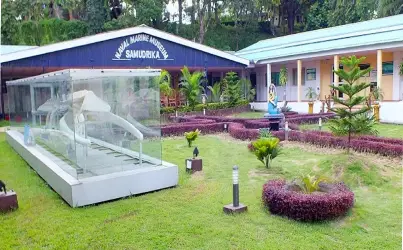
The collection includes over 350 preserved specimens. Live exhibits feature crabs, starfish, and various shark species swimming in carefully maintained aquariums. You’ll encounter life-size displays of sawfish and dolphins, plus the skeleton of a sperm whale—one of the most massive toothed whale species ever documented.
The preservation techniques vary based on specimen type. Glass jars contain smaller specimens in formalin solution. Larger creatures receive special treatment to maintain their structural integrity. Some corals and shells sit behind protective glass walls, their colors still vibrant despite being removed from their natural habitat.
Planning Your Visit to Fisheries Museum Port Blair
Essential Visitor Information
Detail
Information
Location
Rajiv Gandhi Nagar, adjacent to Rajiv Gandhi Water Sports Complex
Distance from City Center
Approximately 9 kilometers from central Port Blair
Distance from Bus Terminus
About 3 kilometers from Aberdeen Bazar/Port Blair bus terminus
Operating Hours
9:00 AM to 4:45 PM
Closed On
Mondays, second Saturdays, and public holidays
Entry Fee (Adults)
₹5
Entry Fee (Children)
₹3
Photography
Standard cameras allowed; video cameras require additional fee with specific light settings
The museum was inaugurated on October 5, 1997, by Lieutenant Governor Shri Ishwari Prasad Gupta. His vision was to create a space where both tourists and locals could access scientific knowledge about Andaman’s extraordinary marine ecosystem.
Getting There
Reaching the museum is straightforward. Multiple transportation options exist.
By Auto or Taxi: The most convenient option for tourists. Private cab services operate throughout Port Blair and can drop you directly at the entrance.
By Local Bus: Regular buses run from Aberdeen Bazar to the museum vicinity. Ask the conductor for the Rajiv Gandhi Water Sports Complex stop.
By Rental Vehicle: Two-wheeler rentals give you flexibility to explore nearby attractions on the same day. Many rental agencies operate in Port Blair.
By Walk: If you’re staying near the waterfront, the walk offers pleasant views—though the tropical heat means early morning visits work best.
Best Time to Visit
The museum operates year-round, but timing matters. November through February offers ideal weather conditions—cooler temperatures, lower humidity, and clearer skies. These months align with Andaman’s peak tourist season, so expect more visitors.
Monsoon season (roughly June through September) brings powerful rainfall that can disrupt travel plans. While the museum remains open, getting there becomes less pleasant. Summer months (March through May) mean intense heat, though the museum’s interior provides air-conditioned relief.
The primary collection overwhelms first-time visitors with its scope. Specimen jars line entire walls, each carefully labeled with scientific and common names.
Start with the smaller specimens—colorful reef fish like clownfish and butterflyfish, preserved at the peak of their coloration. Then progress to medium-sized species: rabbitfish, mangrove crabs, and various mollusca that demonstrate the incredible diversity packed into Andaman’s coastal waters.
The larger specimens command attention. Shark displays show various species, from relatively small specimens to impressive predators. The sawfish installation, with its distinctive elongated rostrum studded with teeth, never fails to generate visitor questions.
The Whale Skeleton
The sperm whale skeleton dominates one section of the museum. This massive structure—arranged to show the creature’s natural form—helps visitors grasp the sheer scale of marine megafauna.
Interpretive panels explain sperm whale biology, their deep-diving capabilities, and their role in ocean ecosystems. The specimen serves as both scientific reference and conservation reminder.
Living Exhibits
Several aquariums contain living specimens that preserved displays cannot adequately represent. Watch crabs scuttle across rocky surfaces. Observe starfish slowly moving across glass walls. See small sharks patrol their tank’s perimeter.
These living exhibits provide context for the preserved specimens. You understand movement patterns, feeding behaviors, and natural coloration that preservation cannot fully capture.
Coral and Shell Collections
A dedicated section showcases the region’s extraordinary coral diversity. Table corals, brain corals, staghorn varieties—each species represents years of slow growth in Andaman’s warm waters.
The shell collection ranges from tiny specimens barely visible without close inspection to massive examples that require both hands to lift. Many shells display iridescent interiors that catch and reflect light in spectacular patterns.
Educational Value and Research Significance
The Fisheries Museum functions as more than tourist entertainment. Local schools regularly bring student groups for marine biology education. University researchers use the collection for taxonomic studies. Conservation organizations reference specimens when tracking population changes.
According to available reports, over 1,200 fish species inhabit the waters surrounding the Andaman Islands. Of these, approximately 300 hold commercial fishing value. The museum’s collection helps visitors understand this biodiversity while highlighting conservation needs.
Exploring More of Port Blair’s Cultural Heritage
The Fisheries Museum sits within a rich tapestry of historical and cultural sites. Consider extending your visit to include:
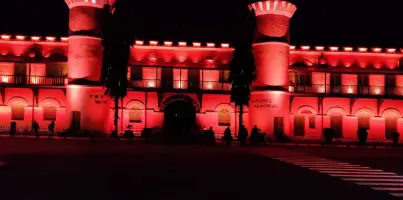
Cellular Jail: This colonial-era prison tells the poignant story of India’s freedom struggle. The evening light and sound show brings history to life in powerful ways.
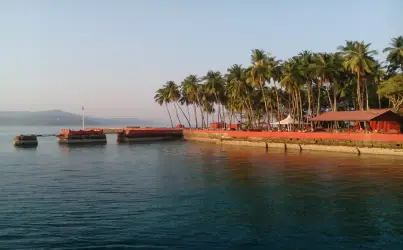
Ross Island: Once the administrative headquarters of the British, now a haunting ruin overtaken by nature. The ferry ride offers excellent photo opportunities.
Viper Island: Another historical site connected to colonial imprisonment. The gallows structure remains as a sobering reminder of the past.
Chatham Saw Mill: One of Asia’s oldest and largest sawmills, showcasing the islands’ timber industry history.
Japanese Bunker: World War II fortifications that reveal the islands’ strategic military importance during the war years.
Combining Your Museum Visit with Nearby Attractions
The museum’s strategic location near several other Port Blair attractions makes planning a full day easy. Consider this itinerary:
The museum’s strategic location near several other Port Blair attractions makes planning a full day easy. Consider this itinerary:
Morning: Arrive at the Fisheries Museum when it opens at 9:00 AM. Spend 1.5-2 hours exploring the collection.
Mid-Morning: Walk to Marina Park for coastal views and fresh air. This excellent picnic spot offers relaxation between museum visits.
Lunch: Head to nearby restaurants. New Lighthouse Restaurant serves excellent seafood. Icy Spicy offers vegetarian Indian and Chinese cuisine.
Arrive Early: The museum opens at 9:00 AM, and early arrival means fewer crowds and cooler temperatures for any walking required.
Bring Context: If visiting with children, prepare them with basic information about marine ecosystems. This advance preparation transforms the visit from simple observation into active learning.
Take Notes: Photography restrictions apply to certain sections. Bring a small notebook to record interesting facts or species names for later research.
Ask Questions: Staff members possess extensive knowledge about the collection. Don’t hesitate to inquire about specific specimens or marine biology topics.
Allow Sufficient Time: While you could rush through in 45 minutes, dedicating 1.5-2 hours allows proper appreciation of the collection’s scope.
Dress Appropriately: The museum maintains comfortable temperatures, but you’ll likely walk through hot, humid conditions getting there. Light, breathable clothing works best.
Accommodation and Dining Options
The museum’s central Port Blair location means abundant accommodation options at various price points. J Hotel offers mid-range comfort. Blue Bridge Home provides budget-friendly stays. Fortune Resort Bay Island caters to luxury preferences.
For dining, the area delivers surprising variety. Ananda multi-cuisine restaurant handles large groups well. Amaya specializes in refined Indian cuisine. Local eateries near Aberdeen Bazar serve authentic regional dishes at lower prices.
Understanding the Marine Conservation Context
The Fisheries Museum exists within a larger conservation framework. The Andaman and Nicobar Islands contain some of India’s most pristine marine environments, yet face increasing pressures from tourism, development, and climate change.
Coral bleaching events have affected local reefs. Some fish populations face overharvesting pressure. The museum’s collection serves as a baseline record—showing what these ecosystems contained before modern stressors intensified.
When you view these specimens, you’re seeing a snapshot of biodiversity that requires active protection. The museum subtly communicates this conservation message without becoming preachy or overwhelming visitors with guilt.
Scientific Research and Documentation
The 1997 transformation from simple museum to comprehensive aquarium reflected growing understanding of marine education needs. The 2005 tsunami partially destroyed the original structure, but rebuilding efforts restored and expanded the collection.
Today, the facility maintains detailed records of each specimen—collection location, date, environmental conditions, and biological data. This information supports ongoing research into Andaman’s marine ecosystems and helps track long-term environmental changes.
Comparing with Other Marine Museums
How does the Fisheries Museum compare to other marine institutions in Port Blair? Several options exist:
Samudrika Naval Marine Museum: Operated by the Indian Navy, offering broader coverage of regional history and ecology.
Anthropological Museum: Focuses on indigenous tribes rather than marine life, but provides cultural context for understanding human-ocean relationships.
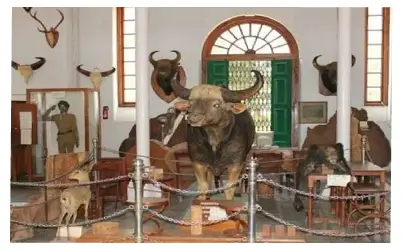
Zoological Survey of India Museum: Emphasizes terrestrial species but includes some marine specimens.
The Fisheries Museum distinguishes itself through specialized focus and specimen volume. If marine biology interests you specifically, this becomes the priority visit.
Final Thoughts on the Fisheries Museum Experience
This modest institution punches above its weight. The low entry fee (₹5 for adults!) makes it accessible to virtually everyone. The collection’s quality rivals much larger museums with significantly bigger budgets.
You leave understanding something fundamental about the Andaman Islands—that their value extends far beyond beaches and resorts. These islands harbor irreplaceable biodiversity that exists nowhere else on our planet.
The museum doesn’t overwhelm you with interactive technology or flashy displays. Instead, it offers something increasingly rare: straightforward presentation of natural specimens with clear, informative labeling. Sometimes that simple approach works best.
Whether you’re a marine biology enthusiast, a parent seeking educational activities, or simply a curious traveler wanting to understand your destination more deeply, the Fisheries Museum delivers value. It transforms abstract concepts about “biodiversity” and “endemic species” into concrete, visible reality.
Plan your visit. Bring curiosity. Leave with deeper appreciation for the extraordinary underwater world surrounding these tropical islands. And perhaps consider how your travel choices might help protect the species you’ve just encountered in their preserved forms—so future generations might see them thriving in their natural habitats.
For comprehensive information about planning your complete Andaman itinerary, including the Fisheries Museum and dozens of other attractions, explore detailed travel guides that help you maximize your island experience.
Frequently Asked Questions About Fisheries Museum
1. How much time should I allocate for visiting the Fisheries Museum?
Most visitors spend between 1.5 to 2 hours exploring the full collection. If you’re particularly interested in marine biology, you might want 2.5 hours to read all the informational panels and carefully observe each specimen. Families with young children typically complete the tour in about an hour, though curious kids often ask to spend longer at the living aquarium exhibits.
2. Can I take photographs inside the Fisheries Museum Port Blair?
Standard photography with mobile phones and regular cameras is permitted throughout most of the museum. However, video cameras require an additional fee and must be used with specific light settings to avoid damaging preserved specimens. Flash photography is generally discouraged near certain exhibits, particularly those containing light-sensitive preserved specimens. Always check with staff if you’re unsure about photography restrictions in specific sections.
3. Is the Fisheries Museum suitable for children?
Absolutely! The museum offers excellent educational value for children of all ages. The living aquarium sections particularly captivate younger visitors, who love watching crabs and starfish move around their tanks. The life-size displays of larger marine creatures—especially the whale skeleton—create memorable experiences that spark curiosity about ocean life. The low entry fee (₹3 for children) makes it an affordable family activity. Many local schools organize field trips here precisely because it makes marine science accessible and engaging for young learners.
4. What other attractions can I combine with a Fisheries Museum visit?
The museum’s location makes it easy to visit multiple attractions in one day. North Bay Island lies just a short boat ride away and offers excellent snorkeling opportunities. Chidiya Tapu Beach provides stunning sunset views and is about 30 minutes away by vehicle. For adventure seekers, consider adding scuba diving experiences at nearby dive sites. If you’re planning a longer stay, explore Havelock Island or Neil Island for pristine beaches and world-class diving.
5. What’s the difference between the Fisheries Museum and Samudrika Museum?
While both institutions focus on marine life, they serve different purposes. The Fisheries Museum specializes in specimens found specifically in Andaman waters, with extensive preserved collections and living exhibits focused exclusively on local marine biodiversity. The Samudrika Museum, operated by the Indian Navy, takes a broader approach—covering tribal history, island geography, and general marine ecology alongside its aquatic displays. If you have time for only one, choose based on your interests: Fisheries Museum for concentrated marine biology focus, Samudrika for comprehensive regional overview including cultural elements.
Travel Tourister is a leading Travel portal where we introduce travellers to trusted travel agents to make their journey hasselfree, memorable And happy. Travel Tourister is a platform where travellers get Tour packages ,Hotel packages deals through trusted travel companies And hoteliers who are working with us across the world. We always try to find new and more travel agents and hoteliers from every nook and corners across the world so that you could compare the deals with different travel agents and hoteliers and book your tour or hotel with the one you have chosen according to your taste and budget.












 Call
Call Enquiry