Wandoor Beach: Your Gateway to Andaman’s Marine Paradise
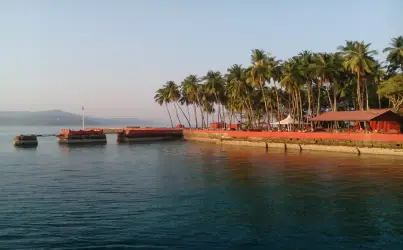
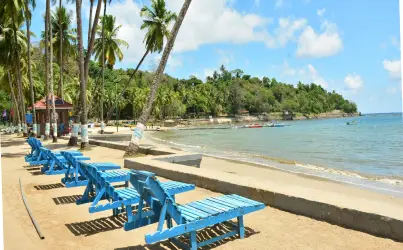
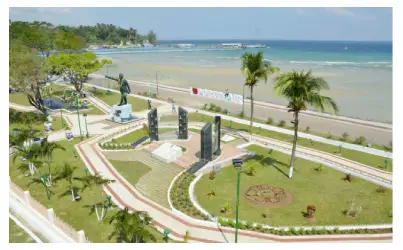
The shoreline stretches 15 kilometers—one of the longest in Port Blair. Golden sands meet crystal waters, framed by tropical forests on three sides and dotted with driftwood sculptures left by nature’s most powerful force. This isn’t just another beach. Wandoor Beach serves as the primary gateway to Mahatma Gandhi Marine National Park, home to some of Asia’s most pristine coral reefs.
I’ve explored dozens of beaches across the Andaman archipelago, and what strikes me most about Wandoor is its dual identity. Yes, it’s a departure point for boat trips to protected islands. But it’s also a destination worth experiencing in its own right—a place where fallen tropical trees create natural seating, where local fishermen still pull their boats ashore at dawn, and where sunset transforms the sky into an artist’s canvas.
Understanding Wandoor Beach
Wandoor Beach occupies a unique position in Andaman’s tourism ecosystem. Located approximately 25-29 kilometers southwest of Port Blair, it functions simultaneously as a tranquil beach destination and an operational hub for accessing protected marine zones.
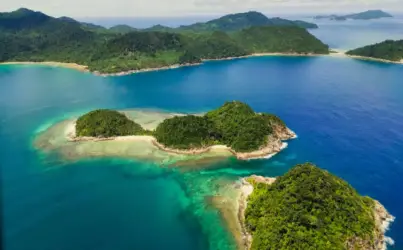
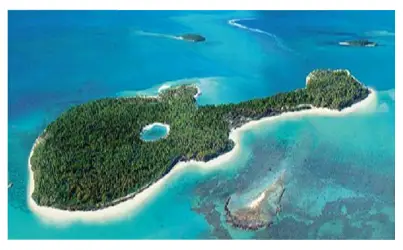
The beach gained prominence as the embarkation point for trips to Jolly Buoy Island and Red Skin Island—two jewels within Mahatma Gandhi Marine National Park. However, focusing solely on its gateway function overlooks the beach’s own considerable appeal.
The 2004 tsunami left visible impacts here. Massive tree trunks lie scattered across the beach—some bleached white by years of salt and sun, others still retaining their bark. Rather than detracting from the scenery, these natural sculptures add character and serve as powerful reminders of nature’s forces.
The Mahatma Gandhi Marine National Park Connection
Mahatma Gandhi Marine National Park sits just across from Wandoor Beach, establishing the area as a protected conservation zone. The park encompasses 15 islands spanning 281.5 square kilometers, with regulations designed to preserve coral reefs, mangrove forests, and marine biodiversity.
This protected status means stricter rules than typical beaches. Swimming faces restrictions due to saltwater crocodile presence. Commercial development remains minimal. The natural environment takes priority over tourist convenience.
What Makes Wandoor Beach Special
The beach doesn’t rely on water sports or beachside restaurants to attract visitors. Instead, it offers something increasingly rare: authentic coastal tranquility.
The long stretches of golden sand are perfect for lazy afternoons, with plenty of space even during peak season. The shallow waters near the shore create safe wading areas for families. Mangrove ecosystems flank portions of the beach, supporting diverse bird populations.
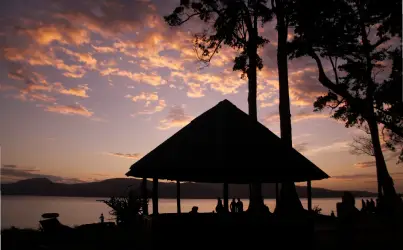
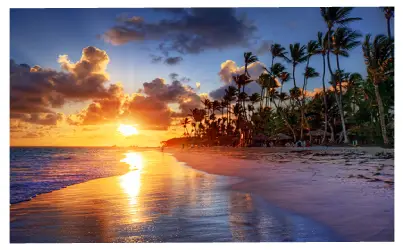
Sunset viewing ranks among Wandoor’s primary attractions. The western orientation provides unobstructed views as the sun descends toward the horizon, painting the sky in shades that shift from gold to orange to deep purple.
Planning Your Visit to Wandoor Beach
Essential Information for Visitors
Detail
Information
Distance from Port Blair
25-29 kilometers (varies by route)
Distance from Airport
Approximately 25 kilometers
Travel Time from City Center
45 minutes to 1 hour
Beach Entry Fee
Free (charges apply only for boat trips to islands)
Best Visit Duration
2-3 hours for beach only; half-day including island trips
Swimming Status
Restricted due to crocodile presence
Water Sports
Not available at main beach
Accommodation Nearby
Limited options; most hotels in Port Blair
Mobile Network
Available but may be spotty in some areas
How to Reach Wandoor Beach
Multiple transportation options connect Port Blair to Wandoor, each offering different advantages.
By Rental Scooter or Bike: The most popular choice among independent travelers. Rental shops throughout Port Blair charge ₹400-600 per day for scooters. The scenic 45-minute ride passes through coconut plantations, agricultural research farms, and occasional glimpses of the coastline through forest canopy.
By Private Taxi/Cab: More comfortable but significantly pricier. Expect to pay ₹800-1,200 for a round trip including waiting time. Pre-booking ensures availability, as cabs at Wandoor itself are scarce.
By Auto-Rickshaw: Some drivers agree to make the trip for ₹500-700 round trip. Negotiate clearly about waiting time before departure.
By Government Bus: The most economical option at ₹25 per person. Buses depart from Aberdeen Bus Stand, but limited frequency (roughly every 2-3 hours) and multiple stops make journey time 1.5 hours or longer. Seats fill quickly, so board at the starting point rather than intermediate stops.
The road journey itself deserves mention. The route winds through sections of protected forest, past research facilities run by the Indian Council of Agricultural Research, and offers occasional viewpoints where the sea suddenly appears through the trees.
Best Time to Visit Wandoor Beach
Seasonal considerations significantly impact your Wandoor experience.
Peak Season (November to February): Temperatures range between 15-34 degrees Celsius during these months, with comfortable weather perfect for beach visits. Ferry services to Jolly Buoy and Red Skin Islands operate regularly. Expect higher visitor numbers, especially on weekends.
Summer Season (March to May): Rising temperatures make midday beach time uncomfortable, though early morning and evening visits remain pleasant. Island boat services continue operating. Fewer crowds provide a more peaceful experience.
Monsoon Season (June to October): Heavy rainfall makes beach visits challenging, though the lush greenery reaches peak vibrancy. Ferry services to protected islands often suspend operations. If you don’t mind occasional showers and want near-empty beaches, this period offers solitude.
Seasonal Conditions at Wandoor
Season
Months
Weather
Crowd Level
Island Access
Beach Experience
Peak
Nov-Feb
Cool, dry
High
Excellent
Best overall
Summer
Mar-May
Hot, humid
Moderate
Good
Early/late visits ideal
Pre-Monsoon
May-Jun
Hot, occasional rain
Low
Limited
Peaceful but humid
Monsoon
Jul-Sep
Heavy rain
Very Low
Suspended
For rain lovers only
Post-Monsoon
Oct
Improving
Building
Resuming
Fresh and green
What to Experience at Wandoor Beach
The Beach Itself
The main shoreline extends impressively, providing ample space for walking, photography, and simply sitting with your thoughts. Unlike more commercialized beaches, Wandoor maintains a natural, almost wild character.
The tsunami-affected trees create the beach’s most distinctive feature. Some stand partially upright at odd angles, roots exposed. Others lie horizontal, creating natural benches where visitors gather during sunset. These wooden sculptures have become iconic elements of Wandoor’s landscape.
Shallow tidal pools form during low tide, revealing small fish, crabs, and occasionally starfish. Children particularly enjoy exploring these temporary ecosystems. The gradual slope into deeper water makes wading safe, though swimming faces official restrictions.
Wildlife and Natural Environment
The protected status means wildlife encounters happen regularly. White-bellied sea eagles soar overhead. Herons wade through shallow waters hunting fish. Parakeets chatter from forest edges.
The mangrove ecosystems flanking portions of the beach support rich biodiversity. These critical habitats serve as nurseries for juvenile fish and provide nesting sites for numerous bird species. Walking trails allow closer observation without disturbing these delicate environments.
Important Safety Note: Saltwater crocodiles inhabit these waters. While attacks remain extremely rare, the potential presence means swimming and wading face restrictions. Respect all warning signs and local guidance regarding water entry.
Sunset at Wandoor Beach
Ask any local about Wandoor’s best feature, and most mention the sunset. The western exposure provides unobstructed views of the sun descending toward the distant horizon.
The sky transforms into stunning hues during sunset, creating breathtaking photographic opportunities. The silhouettes of nearby islands—visible as dark shapes against the colorful sky—add compositional interest.
Small food stalls near the beach serve chai, snacks, and coconut water. Grab something warm, find your spot on a fallen log, and watch nature’s daily light show. The transition from daylight to dusk typically draws the largest crowds, though the beach rarely feels overcrowded due to its size.
The Jetty and Boat Departure Point
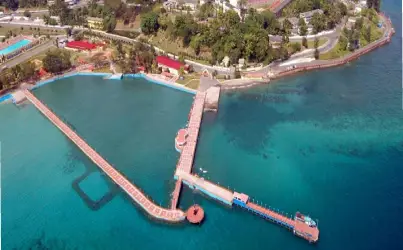
The Wandoor jetty serves as the departure point for boats heading to protected islands. Even if you’re not taking a boat trip, the jetty area offers interesting observation opportunities.
Local fishing boats return in early morning and late afternoon. Watching fishermen unload their catch provides glimpses into traditional livelihoods that continue alongside tourism.
Island Trips from Wandoor Beach
Jolly Buoy Island
Jolly Buoy represents one of Andaman’s premier snorkeling destinations. The island itself prohibits overnight stays—it operates strictly as a day-visit location to minimize environmental impact.
The island features beautiful coral reefs, colorful fish, and crystal-clear waters that make it a paradise for underwater enthusiasts. Glass-bottom boat tours allow non-swimmers to observe coral formations and marine life without getting wet.
Critical Information: Jolly Buoy Island opens only six months annually. When closed (typically May through October), Red Skin Island opens as an alternative, operating on a rotation system that allows coral ecosystems time to recover from visitor impact.
Boat trips cost approximately ₹1,000-1,500 per person including park entry fees, guide services, and snorkeling equipment. Advance booking (at least 2-3 days) is essential, as daily visitor numbers face strict limits.
Red Skin Island
Red Skin functions as Jolly Buoy’s alternative during the off-season rotation. The coral reefs, while different in configuration, offer comparable snorkeling experiences with vibrant fish populations and healthy coral formations.
The island’s name derives from the reddish coral formations visible in certain areas. Like Jolly Buoy, Red Skin operates under strict conservation protocols with limited daily visitors and no overnight facilities.
Booking Island Trips
Permits and tickets require advance purchase—don’t expect to simply show up and board. Here’s the process:
Visit Forest Department Office: Located in Port Blair, this office handles permits for Mahatma Gandhi Marine National Park
Provide Documents: Valid ID proof for all travelers
Pay Fees: Varies based on island and activities chosen
Receive Permits: Must be presented at the jetty
Book Boat: Can often be arranged through the same office or separately through operators
Alternative: Many tour operators in Port Blair offer packages including transportation, permits, and boat trips. This simplified approach costs more but saves considerable time and hassle.
Exploring Beyond the Beach
Chidiya Tapu Connection
Many visitors combine Wandoor with Chidiya Tapu Beach, located further south. Both offer excellent sunset viewing, though Chidiya Tapu also features trekking opportunities and more developed facilities.
A combined itinerary might include morning at Wandoor with island boat trip, followed by afternoon travel to Chidiya Tapu for sunset and dinner. The drive between the two takes approximately 30-40 minutes.
Port Blair Cultural Sites
Since most visitors stay in Port Blair, consider balancing beach time with cultural exploration:
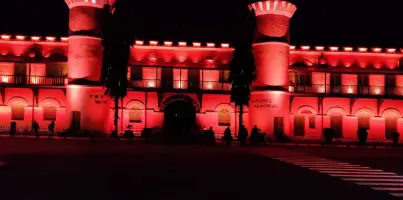
Cellular Jail: This historic colonial prison tells India’s freedom struggle story through architecture and evening light-and-sound shows.
Anthropological Museum: Learn about Andaman’s indigenous tribes, their cultures, and the complex relationship between traditional communities and modern development.
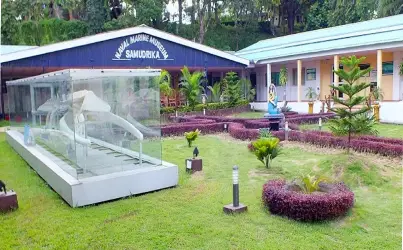
Samudrika Museum: Naval-operated museum covering regional history, ecology, and marine biology—excellent preparation for understanding what you’ll see at Wandoor.
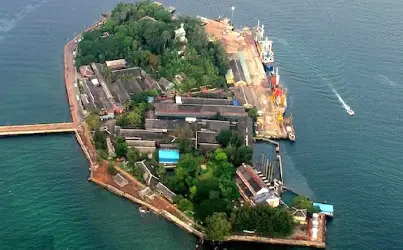
Ross Island: Former British administrative headquarters, now atmospheric ruins overtaken by nature.
Water Sports and Marine Activities
While Wandoor itself doesn’t offer water sports, nearby locations provide numerous options:
Food options at Wandoor remain limited compared to Port Blair proper. Several small stalls near the beach serve:
Fresh coconut water (₹30-50)
Chai/tea (₹10-20)
Basic snacks like samosas, pakoras (₹20-40)
Instant noodles and light meals (₹50-100)
For substantial meals, plan to eat before departure or after returning to Port Blair. If staying for sunset, bring your own snacks or purchase from local vendors.
Recommended Dining in Port Blair:
Restaurant
Cuisine
Specialty
Price Range
Annapurna
South Indian
Dosas, thalis
Budget
Icy Spicy
Multi-cuisine
Chinese, Indian veg
Mid-range
New Lighthouse
Seafood
Fresh catch specials
Mid-range
Sea Dragon
Asian fusion
Thai, Chinese
Upper mid-range
Full Moon Cafe
Continental
Pizzas, pastas
Mid-range
Accommodation Options
Very limited accommodation exists in Wandoor village itself. Most travelers stay in Port Blair and make day trips.
Wandoor’s natural environment requires certain precautions:
Crocodile Awareness: Saltwater crocodiles inhabit coastal areas. While sightings are uncommon and attacks extremely rare, respect all warning signs. Avoid swimming in restricted areas.
Sun Protection: Tropical sun causes burns quickly. Reapply sunscreen every 2 hours, especially after water contact.
Hydration: The humid climate increases dehydration risk. Drink water regularly even if you don’t feel thirsty.
Permits and Regulations: Entering protected areas without proper permits results in fines. Always secure necessary documentation before boat trips.
Beach Cleanliness: Wandoor falls within a protected zone. Carry out all trash. Plastic bags face particular restrictions—use reusable alternatives.
Photography at Wandoor Beach
Best Spots and Times
Photographers find abundant subjects at Wandoor:
Sunrise (approximately 5:30-6:30 AM): Eastern light illuminates the beach, creating long shadows from driftwood and trees. Fewer visitors mean cleaner compositions.
Midday (10:00 AM-2:00 PM): Harsh light challenges photography, but the brilliant blue water and white sand create striking contrasts. Use polarizing filters to manage glare.
Golden Hour (4:00-5:30 PM): Warm, angled light produces ideal conditions for landscape and portrait photography.
Sunset (5:30-6:30 PM): The primary event. Silhouettes of islands, boats, and driftwood create layered compositions. Arrive 30 minutes early to scout positions.
Composition Ideas
Frame distant islands through gaps in driftwood
Capture textures in weathered tree trunks
Low-angle shots emphasize the beach’s length
Include local fishing boats for scale and human element
Mangrove reflections during calm conditions
Bird photography in early morning hours
Understanding the Tsunami’s Impact
The 2004 tsunami profoundly affected Wandoor. The beach was badly devastated, with impacts still visible in fallen trunks along the shoreline.
These remnants serve multiple purposes beyond their aesthetic contribution. They provide seating for visitors, create habitats for small creatures, and function as powerful memorials to nature’s force.
Local communities show remarkable resilience in rebuilding while maintaining environmental sensitivity. The current balance between tourism and conservation reflects lessons learned during recovery.
Conservation and Responsible Tourism
Visiting Wandoor comes with environmental responsibilities. The beach’s location within a protected marine park means stricter standards than typical tourist beaches.
Key Principles:
Leave No Trace: Carry out everything you bring. Dispose of trash properly in Port Blair.
Respect Wildlife: Observe from distance. Never feed animals or disturb nesting sites.
Stay on Designated Paths: Trampling vegetation damages fragile coastal ecosystems.
Support Local Communities: Purchase snacks from local vendors. Hire local guides for island trips.
Choose Reef-Safe Products: Regular sunscreen damages coral. Use reef-safe alternatives.
Follow Regulations: Swimming restrictions, permit requirements, and protected area rules exist for good reasons.
The conservation efforts at Mahatma Gandhi Marine National Park demonstrate successful protection of marine biodiversity. Your responsible behavior supports these ongoing efforts.
Extended Itinerary Suggestions
Half-Day Wandoor Focus (4-5 hours)
Morning Start:
8:00 AM: Depart Port Blair
9:00 AM: Arrive Wandoor, explore beach
10:00 AM: Board boat to Jolly Buoy/Red Skin Island
10:30 AM-2:00 PM: Island visit with snorkeling
2:30 PM: Return to Wandoor Beach
3:00 PM: Depart for Port Blair
Full-Day South Andaman Tour (8-10 hours)
Comprehensive Experience:
7:00 AM: Early departure from Port Blair
8:00 AM: Wandoor Beach arrival, breakfast from stalls
The Wandoor Beach sits within a rich tapestry of historical and cultural sites. Consider extending your visit to include:
Cellular Jail: This colonial-era prison tells the poignant story of India’s freedom struggle. The evening light and sound show brings history to life in powerful ways.
Ross Island: Once the administrative headquarters of the British, now a haunting ruin overtaken by nature. The ferry ride offers excellent photo opportunities.
Viper Island: Another historical site connected to colonial imprisonment. The gallows structure remains as a sobering reminder of the past.
Chatham Saw Mill: One of Asia’s oldest and largest sawmills, showcasing the islands’ timber industry history.
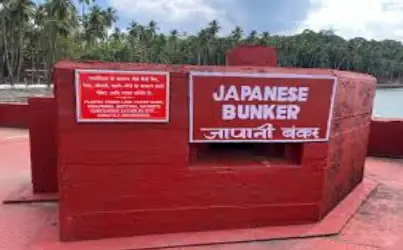
Japanese Bunker: World War II fortifications that reveal the islands’ strategic military importance during the war years.
These sites collectively paint a comprehensive picture of Andaman’s multifaceted heritage—from colonial oppression to wartime occupation to natural abundance.
Combining Your Museum Visit with Nearby Attractions
The beach’s strategic location near several other Port Blair attractions makes planning a full day easy. Consider this itinerary:
Morning: Arrive at Wandoor Beach early (around 8:00 AM). Spend time exploring the shoreline before the heat intensifies.
Mid-Morning: Board your pre-booked boat to Jolly Buoy or Red Skin Island for snorkeling adventures.
Lunch: Return to Wandoor Beach, grab lunch from local stalls or bring packed meals.
How does Wandoor Beach compare to other institutions in the area? Several options exist:
Samudrika Naval Marine Museum: Operated by the Indian Navy, offering broader coverage of regional history and ecology. While it shares marine themes, Samudrika takes a more general approach.
Anthropological Museum: Focuses on indigenous tribes of Andaman rather than marine life, but provides cultural context for understanding human-ocean relationships throughout the islands.
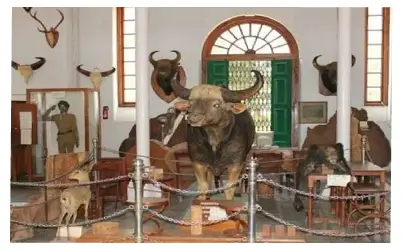
Forest Museum: Emphasizes terrestrial ecology and forestry history. This offers a complementary perspective on the islands’ biodiversity beyond marine environments.
Wandoor Beach distinguishes itself through its natural, untouched character and direct access to protected marine zones. If pristine coastal experiences interest you specifically, this becomes the priority visit.
Wandoor doesn’t compete with Andaman’s more famous beaches through flashy attractions or extensive facilities. Instead, it offers something increasingly valuable: authentic natural beauty with minimal commercialization.
The beach succeeds through its contradictions. It’s both remote and accessible. It serves as a busy departure point for island trips while maintaining peaceful stretches for solitude. It shows tsunami damage while demonstrating nature’s resilience.
For travelers seeking Instagram-perfect beaches with beachside bars and water sports, Wandoor might disappoint. But for those wanting to experience Andaman’s natural character—to walk largely empty shores, observe working fishermen, watch eagles hunt, and witness spectacular sunsets—Wandoor delivers abundantly.
The boat trips to Jolly Buoy and Red Skin Islands justify the visit alone. The snorkeling experiences reveal underwater worlds that change your understanding of marine biodiversity. The coral formations, colorful fish, and clear waters create memories that persist long after your tan fades.
Plan your visit during peak season for best weather and reliable island access. Arrive early to beat crowds and heat. Stay for sunset if possible. Respect the environmental regulations that keep this place special. And take time to simply sit—on a fallen log, on the sand, anywhere—and appreciate this gateway to one of India’s most remarkable marine environments.
Whether you’re a marine biology enthusiast, a photographer chasing perfect light, a family seeking gentle beaches, or a traveler wanting to understand Andaman beyond resort experiences, Wandoor Beach offers genuine value. It reminds us that sometimes the best destinations aren’t the most developed—they’re the ones that retain their natural character while welcoming visitors with open shores.
Frequently Asked Questions About Wandoor Beach
1. Is swimming allowed at Wandoor Beach?
Swimming faces restrictions at Wandoor Beach due to the presence of saltwater crocodiles in the area. While crocodile sightings are uncommon and attacks extremely rare, authorities prohibit swimming for safety reasons. You can wade in shallow areas near the shore, but entering deeper water is not permitted. The beach is better suited for walking, photography, sunset viewing, and as a departure point for boat trips to nearby islands where swimming and snorkeling are allowed in designated safe zones.
2. How much does it cost to visit Jolly Buoy Island from Wandoor Beach?
Visiting Jolly Buoy Island requires several components: park entry permits, boat charges, and optional equipment rentals. The total cost typically ranges from ₹1,000 to ₹1,500 per person, which includes return boat transport, Mahatma Gandhi Marine National Park entry fees, basic snorkeling equipment, and guide services. Permits must be obtained 2-3 days in advance from the Forest Department office in Port Blair. Remember that Jolly Buoy operates only six months annually (typically November through April), with Red Skin Island serving as the alternative during the remaining months. Photography and videography may incur additional charges.
3. What is the best time of day to visit Wandoor Beach?
The ideal visiting time depends on your priorities. Early morning (7:00-9:00 AM) offers cooler temperatures, softer light for photography, and fewer crowds—perfect if you’re catching a boat to the islands. Late afternoon through sunset (4:00-6:30 PM) provides the most dramatic scenery, with spectacular sunset views being Wandoor’s signature attraction. Midday visits (11:00 AM-3:00 PM) face intense heat and harsh light, though the beach itself remains beautiful. If combining beach relaxation with an island trip, plan to arrive by 8:30-9:00 AM to complete boat journeys before afternoon heat peaks.
4. Can I find accommodation near Wandoor Beach, or should I stay in Port Blair?
Accommodation options near Wandoor Beach are extremely limited. Only a handful of properties exist within the immediate area, including Sea Princess Beach Resort and Anugama Resort, both offering basic to mid-range facilities. The vast majority of visitors stay in Port Blair, which offers significantly more options across all budget ranges, from budget guesthouses to luxury resorts. Port Blair’s central location (just 45 minutes away) makes day trips to Wandoor perfectly feasible while providing better access to restaurants, shops, and other attractions. Unless you specifically desire isolated, nature-focused accommodation, Port Blair makes more practical sense as your base.
5. What’s the difference between Wandoor Beach and other Port Blair beaches?
Wandoor Beach distinguishes itself through several unique characteristics. Unlike Corbyn’s Cove Beach, which offers water sports and urban accessibility, Wandoor provides a more natural, less commercialized experience within a protected conservation zone. Compared to Chidiya Tapu Beach, which is famous primarily for sunsets and bird watching, Wandoor serves as an active gateway to protected islands with world-class snorkeling. The 15-kilometer shoreline makes it one of Port Blair’s longest beaches, with distinctive tsunami-affected driftwood creating unique landscape features. Its location adjacent to Mahatma Gandhi Marine National Park means stricter environmental regulations but also superior biodiversity and clearer waters than more developed beaches.
Travel Tourister is a leading Travel portal where we introduce travellers to trusted travel agents to make their journey hasselfree, memorable And happy. Travel Tourister is a platform where travellers get Tour packages ,Hotel packages deals through trusted travel companies And hoteliers who are working with us across the world. We always try to find new and more travel agents and hoteliers from every nook and corners across the world so that you could compare the deals with different travel agents and hoteliers and book your tour or hotel with the one you have chosen according to your taste and budget.





 Call
Call Enquiry