Science Centre: Where Learning Meets Fun in Port Blair
Science museums don’t always excite travelers on tropical island vacations. But here’s something different: the Science Centre in Port Blair manages to blend island-specific education with hands-on discovery in ways that genuinely engage both children and adults!
Established in 2003, this facility represents something unique in the Andaman tourism landscape. While most visitors focus exclusively on beaches and water sports, the Science Centre offers a refreshing alternative—a place where you can understand the scientific principles behind the very environment you’re enjoying. From ocean dynamics to island formation, from tropical biodiversity to climate impacts, the exhibits connect directly to the Andaman experience surrounding you.
I’ve found that rainy afternoons or scorching middays—times when beaches lose their appeal—become perfect opportunities for Science Centre visits. It provides air-conditioned comfort while delivering educational value that enhances your appreciation of these remarkable islands.
Understanding the Science Centre
The Science Centre sits along Corbyns Cove Road in the Science City area of Port Blair, approximately 5-6 kilometers from the city center. This government-funded facility operates under the Andaman and Nicobar Administration, aiming to promote scientific awareness and education throughout the islands.
The center occupies a spacious complex with both indoor galleries and outdoor demonstration areas. A dedicated children’s playground with innovative equipment provides entertainment alongside education, making it genuinely family-friendly rather than just child-tolerant.
The facility houses multiple galleries covering diverse scientific disciplines—from physics and biology to astronomy and technology. Interactive exhibits encourage hands-on engagement rather than passive observation, a teaching approach that makes scientific concepts accessible to visitors without specialized knowledge.
Location and Accessibility
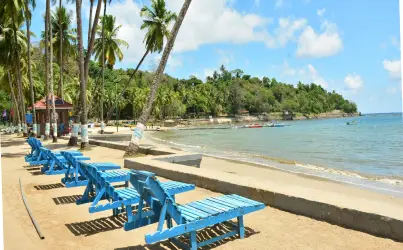
The Science Centre’s position near Corbyn’s Cove Beach allows easy combination of beach visits with educational exploration. Many families structure their days around morning beach time followed by afternoon Science Centre visits, or vice versa depending on weather and tide conditions.
The facility’s proximity to Port Blair’s residential areas means it serves both tourists and local communities. School groups frequently visit for educational field trips, adding to the center’s vibrant atmosphere.
Planning Your Visit to the Science Centre
Essential Visitor Information
Detail
Information
Location
Corbyns Cove Road, Science City, Shadipur
Distance from Port Blair Center
5-6 kilometers
Distance from Airport
Approximately 5 kilometers
Entry Fee (Students)
Free with valid student ID
Entry Fee (Adults)
₹20 per person
Opening Hours
10:00 AM to 5:00 PM (Tuesday-Sunday)
Closed On
Mondays and public holidays
Best Visit Duration
1.5 to 2 hours
Planetarium Shows
Check schedule at entrance (additional fee may apply)
Photography
Generally allowed without flash
Facilities
Restrooms, drinking water, playground
How to Reach the Science Centre
Multiple transportation options connect Port Blair to the Science Centre.
By Taxi or Private Car: The most convenient option, costing ₹150-250 one way from central Port Blair. The 10-15 minute drive follows Corbyns Cove Road, with the Science Centre clearly signposted.
By Auto-Rickshaw: Available throughout Port Blair for ₹100-150 depending on starting location and negotiation skills. Auto-rickshaws provide economical transport while offering open-air island views.
By Local Bus: Government buses heading toward Corbyn’s Cove pass near the Science Centre. Fares range from ₹10-20 per person. Inform the conductor of your destination and they’ll indicate when to disembark. Expect a short walk (approximately 500 meters) from the bus stop to the entrance.
By Rental Scooter/Bike: For independent travelers, rental two-wheelers (₹400-600 per day) provide maximum flexibility for combining the Science Centre with other nearby attractions like Corbyn’s Cove or Chidiya Tapu.
Best Time to Visit
The Science Centre welcomes visitors year-round, though certain times offer advantages.
Weather Considerations: The air-conditioned indoor galleries provide relief during hot afternoons (12:00 PM-3:00 PM) or escape from monsoon rainfall. This makes it an excellent “Plan B” when weather disrupts beach activities.
Crowd Patterns: Weekday mornings (10:00 AM-12:00 PM) typically see fewer visitors, allowing more personal interaction with exhibits. Weekends and school holidays bring larger crowds, particularly local families and student groups.
Seasonal Tourism: During peak tourist season (November-February), the Science Centre becomes busier but never overwhelmingly crowded compared to major beaches. The off-season (June-September) offers near-empty galleries for contemplative exploration.
What to Experience at the Science Centre
Interactive Galleries
The Science Centre organizes its exhibits into thematic galleries, each focusing on specific scientific domains.
Fun with Science Gallery: Hands-on demonstrations of basic physics principles—light, sound, magnetism, and motion. Visitors can operate simple machines, create optical illusions, and observe cause-and-effect relationships through interactive models. Children particularly enjoy this section’s tactile learning approach.
Ocean and Marine Life Gallery: Especially relevant given the Andaman location, this section explains ocean dynamics, tidal patterns, and marine ecosystems. Models demonstrate how oceans work, fish behavior in different climates, and the interconnected nature of marine food chains. This context enhances understanding of the underwater world you might explore through snorkeling or scuba diving.
Genesis of Islands Gallery: Exhibits detail the geological processes that formed the Andaman and Nicobar archipelago over millions of years. Understanding plate tectonics, volcanic activity, and continental drift provides fascinating context for the islands’ current geography. References to the nearby Barren Island volcano—India’s only active volcano—make abstract concepts tangibly real.
Modern Technology Gallery: Displays showcase contemporary technological applications in various fields. While not cutting-edge by global standards, the exhibits introduce concepts like renewable energy, telecommunications, and computerization to visitors who may have limited exposure to such topics.
Biodiversity Section: Information about Andaman’s unique flora and fauna, including endemic species found nowhere else on Earth. This complements visits to Mount Harriet National Park or the Fisheries Museum by providing scientific context for the biodiversity you observe.
The Planetarium
One of the Science Centre’s highlights, the planetarium offers scheduled shows about astronomy and space science. The dome theater creates immersive experiences as narrators guide visitors through the night sky, explaining constellations, planetary movements, and cosmic phenomena.
Shows typically last 20-30 minutes and run at fixed times throughout the day. Check the schedule at the entrance or inquire about current programming when purchasing tickets. The planetarium remains popular with children who rarely have opportunities for astronomy education.
Special Exhibits and Attractions
Historic Aircraft Display: The Science Centre houses remains of the first aircraft to land in the Andaman Islands—an amphibian surveillance plane designated VT-AAN. After crashing shortly after arrival, engineering students painstakingly reassembled and restored the wreckage. The reconstructed aircraft now serves as both historical artifact and engineering case study.
Liquid Painting Demonstrations: Interactive exhibits showing liquid velocity and behavior patterns. These visually striking displays make fluid dynamics concepts accessible to non-specialists.
Coral and Rock Samples: Geological specimens from throughout the archipelago provide tangible examples of island formation processes. The coral collection particularly impresses visitors, showcasing varieties they might encounter while snorkeling in Andaman.
Educational Programs and Workshops
The Science Centre regularly conducts workshops, demonstrations, and educational programs. These hands-on sessions cover topics like:
Check newspapers or inquire at the center for current programming. These activities provide deeper engagement than self-guided gallery tours alone.
Children’s Playground
The outdoor playground features innovative equipment designed to demonstrate scientific principles through play. Slides, swings, and climbing structures incorporate physics concepts, making recreation educational.
This space allows children to burn energy after indoor gallery time, preventing restlessness and extending families’ total visit duration comfortably.
Practical Information for Visitors
What to Bring
Camera: Photography generally permitted (confirm flash restrictions)
Notebook: For students or curious visitors wanting to record information
Water Bottle: Though drinking water available, personal bottles ensure hydration
Comfortable Clothing: Air-conditioning can feel cool after tropical heat outside
Student ID: Students receive free entry with valid identification
Visitor Tips
Engage with Staff: Knowledgeable staff members can explain exhibits, answer questions, and sometimes provide additional demonstrations beyond standard displays. Don’t hesitate to ask for clarification or more information.
Allow Adequate Time: While rushing through takes 45 minutes, spending 1.5-2 hours allows proper engagement with exhibits, participation in demonstrations, and planetarium show attendance.
Combine with Nearby Attractions: The Science Centre’s location makes it easy to pair with Corbyn’s Cove Beach visits. Consider morning beach time, midday Science Centre exploration, and afternoon water sports like jet skiing or parasailing.
Check Workshop Schedules: If traveling with children or interested in hands-on learning, inquire about scheduled workshops and demonstrations to maximize your visit’s educational value.
Weekday Visits: For quieter experiences with more opportunity for exhibit interaction, choose weekday mornings over weekend afternoons.
Combining the Science Centre with Other Port Blair Attractions
Same-Day Itinerary Suggestions
Morning Science + Afternoon Beach:
10:00 AM: Science Centre arrival, gallery exploration
Limited dining options exist immediately adjacent to the Science Centre. Most visitors eat before or after their visit.
Nearby Restaurants (within 2-3 km):
New Lighthouse Restaurant: Seafood specialties
Corbyn’s Cove Beach Shacks: Snacks and light meals
Icy Spicy: Multi-cuisine options
Port Blair Dining (5-6 km):
Annapurna: South Indian vegetarian
Full Moon Cafe: Continental and Indian
Where to Stay
No accommodations exist at the Science Centre itself. Visitors stay in Port Blair (5-6 km away) where options span all budget ranges:
Budget: Hotel Sentinel, Andaman Residency
Mid-Range: TSG Blue, Hotel Haywizz, J Hotel
Luxury: Fortune Resort Bay Island, Sinclairs Bayview
Final Thoughts on the Science Centre
The Science Centre won’t revolutionize your Andaman vacation. It’s not the primary reason people travel to these tropical islands. But it serves a valuable niche—providing educational entertainment during weather breaks, offering children hands-on learning opportunities, and adding scientific context that enriches your island experiences.
The facility has limitations. Some exhibits show wear, maintenance could be better, and displays don’t match cutting-edge international science museums. Yet within the Andaman tourism context, it offers something genuinely different from endless beach and water sport options.
For families with school-age children, it’s particularly valuable. The combination of interactive learning, planetarium shows, and outdoor playground creates engagement that justifies 2-3 hours of vacation time. Students receive free entry, making it budget-friendly for educational tourism.
Even adult visitors without children find value if approaching with appropriate expectations. This isn’t a world-class science museum—it’s a regional facility doing commendable work promoting scientific literacy in a remote island location. The Andaman-specific exhibits (island formation, marine ecosystems, local biodiversity) connect directly to the environment around you, providing “aha moments” that enhance subsequent nature experiences.
Visit on a rainy day, a too-hot afternoon, or when seeking variety from constant beach time. Bring curiosity and willingness to engage with exhibits rather than passively observe. Allow enough time for both galleries and planetarium. And recognize it for what it is: a worthwhile educational stop that adds depth to your island exploration, even if it never becomes your trip’s highlight.
Frequently Asked Questions About Science Centre
1. Is the Science Centre worth visiting during a short Port Blair trip?
If you’re traveling with children or have interest in science education, yes—the Science Centre merits 1.5-2 hours of your itinerary. The interactive exhibits, planetarium shows, and Andaman-specific content provide value that generic beach time cannot. However, if you’re on a very tight schedule (2-3 days) focused exclusively on beaches and water activities, you might prioritize other attractions like Cellular Jail or island hopping instead. The Science Centre works best as a complementary activity rather than a must-see priority for most travelers.
2. What is the best age group for Science Centre visits?
The Science Centre targets primarily school-age children (roughly 6-16 years), who benefit most from the interactive exhibits and hands-on learning approach. However, younger children (3-5 years) enjoy the playground and simpler demonstrations, while adults appreciate the Andaman-specific galleries about island formation and marine ecosystems. The planetarium appeals to all ages. Essentially, families with children gain maximum value, though anyone interested in regional science and natural history will find worthwhile content.
3. How much does it cost to visit the Science Centre?
Entry costs just ₹20 per adult—remarkably affordable compared to many tourist attractions. Students receive free admission upon showing valid student identification cards, making it particularly budget-friendly for educational visits. The planetarium may charge a small additional fee (typically ₹10-20) for scheduled shows. Compared to water sports (₹800-3,500) or guided tours (₹1,500+), the Science Centre offers exceptional value for money, especially for families trying to manage vacation budgets.
4. Can I combine Science Centre with Corbyn’s Cove Beach in one trip?
Absolutely! This combination makes excellent sense given their proximity (approximately 1-2 kilometers apart). Many visitors structure half-day trips around this pairing—either morning beach time followed by midday Science Centre (escaping peak heat), or morning Science Centre followed by afternoon beach activities. The route between them passes through scenic areas, and the same taxi or auto-rickshaw can transport you between both locations affordably. This combination provides both recreational and educational value in a single outing.
5. Are there any special events or programs at the Science Centre?
Yes! The Science Centre regularly hosts special programs including monthly telescope observation sessions (check local newspapers for schedules), periodic workshops on topics like paper-making and electronics, science quiz competitions, and live demonstrations. The Innovation Hub (inaugurated in 2024) hosts additional programming focused on creativity and problem-solving. To maximize your visit, inquire about scheduled events when purchasing tickets or check with staff about current programming. These special activities provide enhanced engagement beyond self-guided gallery tours, particularly valuable for students and curious learners.
Travel Tourister is a leading Travel portal where we introduce travellers to trusted travel agents to make their journey hasselfree, memorable And happy. Travel Tourister is a platform where travellers get Tour packages ,Hotel packages deals through trusted travel companies And hoteliers who are working with us across the world. We always try to find new and more travel agents and hoteliers from every nook and corners across the world so that you could compare the deals with different travel agents and hoteliers and book your tour or hotel with the one you have chosen according to your taste and budget.









 Call
Call Enquiry