Japanese Bunker Port Blair: Complete World War II Site Guide
About Japanese Bunker Port Blair
The Japanese Bunkers scattered across Port Blair stand as haunting remnants of World War II, telling stories of invasion, occupation, and military strategy that unfolded in the Andaman Islands between 1942 and 1945. These concrete fortifications represent a dark yet fascinating chapter in the island’s history when Japanese Imperial forces occupied the Andamans as part of their broader Pacific campaign against Allied powers.
Built strategically across Port Blair and neighboring islands, these military installations served multiple purposes—surveillance posts, weapon storage facilities, defensive positions, and command centers. Today, they attract history enthusiasts, photographers, and curious travelers who want to understand how global conflicts reached even remote tropical paradises like the Andaman and Nicobar Islands.
Unlike museums that preserve history behind glass, Japanese Bunkers offer an immersive, tangible connection to the past. You can walk through the same corridors where soldiers once stood guard, touch the thick concrete walls that protected against Allied attacks, and imagine the tense atmosphere of wartime occupation. The bunkers’ strategic locations—near beaches, on elevated positions, and close to important colonial infrastructure—reveal the military intelligence behind their construction.
For anyone planning an Andaman tour, visiting these World War II sites adds historical depth to the typical beach-and-water-sports itinerary. The bunkers serve as sobering reminders that paradise islands haven’t always been peaceful tourist destinations—they’ve witnessed invasions, suffering, and the complex intersections of colonialism, nationalism, and global warfare.
Where Are Japanese Bunkers Located & How to Reach
Multiple Bunker Locations in Port Blair
Japanese forces constructed over 300 bunkers across the Andaman Islands during their occupation. While natural decay and tropical weather have destroyed many, several well-preserved bunkers remain accessible to visitors at key locations:
Location
Key Features
Distance from Port Blair
Ross Island (Netaji Subhash Chandra Bose Island)
Multiple bunkers, best preserved, colonial ruins
2 km (by boat from Phoenix Bay)
Corbyn’s Cove Beach
Beachside bunker, popular for photography
8 km by road
Chatham Saw Mill Area
Behind the sawmill, bomb pit nearby
11 km by road
Mount Harriet National Park
Elevated bunkers with strategic views
15 km (requires trekking)
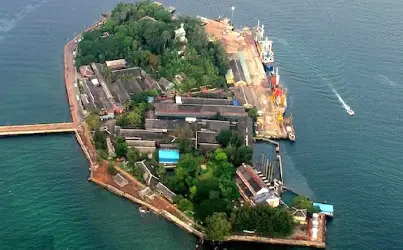
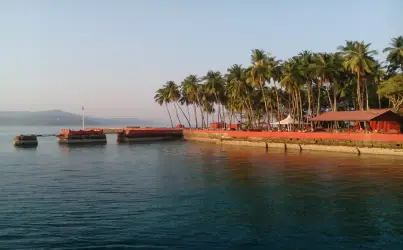
Most Popular and Accessible: The bunkers on Ross Island (officially renamed Netaji Subhash Chandra Bose Island) are the most visited, well-maintained by the Archaeological Survey of India (ASI), and easily combined with exploring colonial British ruins, Japanese structures, and abundant wildlife.
How to Reach Japanese Bunkers
Reaching Ross Island Bunkers (Most Popular):
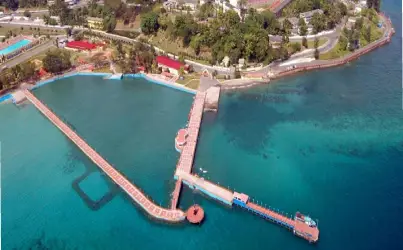
Ferry from Phoenix Bay Jetty:
Located approximately 2 km from Port Blair city center
Ferries depart every 30 minutes from 8:30 AM to 3:30 PM
Journey time: 15-20 minutes
Ferry ticket cost: ₹100-150 per person (round trip)
Island entry fee: ₹30 for Indians, ₹100 for foreigners
Getting to Phoenix Bay Jetty:
From Airport (3 km): Taxi ₹150-250, Auto-rickshaw ₹100-150, 10-15 minutes
From City Center (2 km): Auto-rickshaw ₹50-80, Local bus ₹10-20
Accessible during mill operating hours (8 AM – 2:30 PM)
Navigation Tips:
Ross Island bunkers are clearly signposted with information boards
Corbyn’s Cove bunker is visible from the beach, near the water sports area
Chatham Saw Mill staff can direct you to the bunker behind the facility
GPS coordinates are available on Google Maps for all major bunker sites
Most taxi and auto-rickshaw drivers are familiar with these locations
Japanese Bunkers: World War II History
The Japanese Invasion (March 1942)
The story of Japanese bunkers in the Andamans begins with one of the darkest chapters in the islands’ history. Following the fall of Rangoon (Myanmar) on March 8, 1942, British forces recognized that Port Blair had become impossible to defend. On March 10, 1942, British military units withdrew, leaving behind a minimal garrison.
On March 23, 1942, Japanese Imperial forces landed in Port Blair virtually unopposed. The garrison—consisting of 300 Sikh militia members with 23 British officers, augmented by a Gurkha detachment—offered no resistance. Most were disarmed and interned, with many later enlisting in the Indian National Army under Subhas Chandra Bose’s leadership.
Strategic Importance:
Japan’s occupation of the Andaman Islands served multiple strategic objectives:
Control over Bay of Bengal shipping routes
Potential base for attacks on British India
Psychological victory demonstrating Japanese reach into Indian territories
Pressure point against Allied forces in Southeast Asia
Symbol of Asian resistance to European colonialism (at least in propaganda)
Construction of Bunkers (1942-1945)
Immediately upon occupation, Japanese military engineers began constructing defensive installations across the islands. Working with both Japanese soldiers and forced Indian labor, they built an extensive network of bunkers designed to defend against anticipated Allied counterattacks.
Elevated Points: For surveillance and commanding views of approaches
Coastal Areas: To defend against naval landings
Near Infrastructure: Protecting ports, airfields, and administrative centers
Hidden Locations: Camouflaged in dense vegetation for surprise defense
Construction Techniques:
Japanese military engineers demonstrated sophisticated understanding of defensive architecture. The bunkers featured:
Narrow entrance passages to prevent direct fire
Internal chambers for troop housing and ammunition storage
Ventilation systems for air circulation
Firing positions with strategic sightlines
Thick concrete walls capable of withstanding bombardment
Camouflage integration with natural terrain
Life Under Japanese Occupation
The three-year Japanese occupation (1942-1945) brought tremendous suffering to the local population. While some Indians initially viewed Japanese forces as liberators from British colonialism, reality proved brutally different.
Documented Atrocities:
Approximately 2,000 Indians died during the occupation (10% of Port Blair’s pre-war population)
At least 501 individuals were documented as tortured by Japanese forces
The Homfreyganj Massacre (January 30, 1944): 44 Indian civilians shot on suspicion of spying
Forced labor for military construction projects
Severe food shortages and restrictions on movement
Arbitrary arrests, interrogations, and executions
The Cellular Jail’s Transformation:
During occupation, the infamous Cellular Jail—once used by the British to imprison Indian freedom fighters—saw a dark irony. The Japanese imprisoned both British colonial officers and Indian civilians suspected of resistance within the same walls that had once held independence activists.
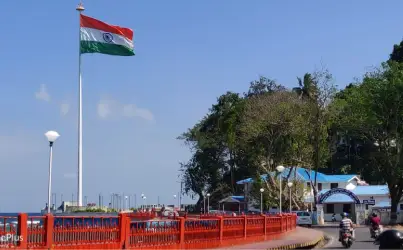
On December 29, 1943, political control of the Andamans was symbolically transferred to Subhash Chandra Bose’s Azad Hind (Free India) government. Bose visited Port Blair and Ross Island, raising the tricolour flag of the Indian National Army—the only Indian territory his provisional government ever controlled.
The islands were renamed “Shaheed” (Martyr) and “Swaraj” (Self-Rule), reflecting nationalist aspirations. However, Japanese military forces retained actual control, and Bose’s authority remained largely ceremonial. Historical accounts suggest Bose was carefully kept away from the local population by Japanese authorities, preventing him from learning about the atrocities being committed against Indian civilians.
General A.D. Loganathan, appointed as governor, later admitted during post-war interrogation that he controlled only the education department—the Japanese retained control of police, security, and all meaningful administrative functions.
Liberation and Aftermath (1945)
Following Japan’s surrender on August 15, 1945, the Andaman Islands were liberated. Japanese Vice Admiral Teizo Hara and Major-General Tamenori Sato formally surrendered to Lt. Col. Nathu Singh Rathore of the 1/7 Rajput Regiment aboard HMS Rocksand.
Post-War Legacy:
The occupation left lasting impacts:
Deep bitterness toward Japanese forces among the generation that experienced occupation
Complex feelings toward collaborators with the Provisional Government of Free India
Physical scars in the form of abandoned bunkers and destroyed infrastructure
Demographic changes as some populations never recovered pre-war levels
Historical debate about Bose’s role and awareness of Japanese atrocities
Preservation by Archaeological Survey of India
In recent decades, the Archaeological Survey of India (ASI) recognized the historical importance of preserved bunkers. While natural decay, tropical weather, and vegetation have destroyed most of the original 300+ bunkers, those in moderate to good condition have been preserved as:
Historical monuments documenting World War II in the Indian context
Educational sites for understanding military architecture
Tourist attractions contributing to heritage tourism
Physical evidence of the islands’ complex colonial and wartime history
What to See at Japanese Bunker Sites
Ross Island (Netaji Subhash Chandra Bose Island) Bunkers
The most comprehensive bunker experience awaits on Ross Island, where multiple well-preserved installations combine with colonial British ruins to create a unique historical landscape.
Key Features:
Underground Bunkers:
Explore dimly lit corridors with thick concrete walls
Observe firing positions with views toward the harbor
See preserved interior chambers where soldiers were stationed
Notice ventilation systems and defensive architectural features
Information Boards:
ASI-installed plaques provide historical context
Details about Japanese occupation and military strategy
Maps showing bunker locations and defensive positions
Photographs documenting the occupation period
Surrounding Attractions:
British colonial ruins overtaken by nature
Japanese-era structures and fortifications
Friendly deer, peacocks, and rabbits roaming freely
Church ruins with banyan trees growing through walls
Lighthouse offering panoramic views
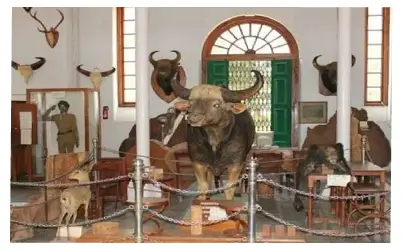
Museum with colonial and wartime artifacts
Visitor Experience: The island creates an atmospheric blend of history and nature—concrete bunkers emerging from lush tropical vegetation, broken colonial buildings, and wildlife roaming freely create an almost post-apocalyptic beauty that’s both haunting and photogenic.
Corbyn’s Cove Beach Bunker
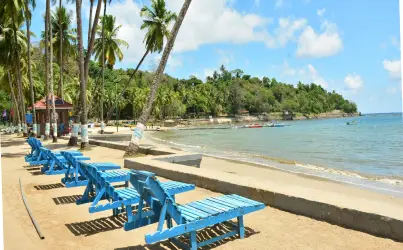
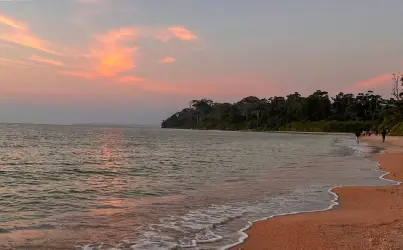
Located on one of Port Blair’s most popular beaches, this bunker offers an unusual juxtaposition—military history meets beach leisure.
Key Features:
Beachside position offering strategic views of the coastline
Well-preserved structure despite exposure to salt air and sea spray
Popular photography location, especially at sunset
Accessible as part of a beach visit combining history with water sports
Photography Opportunities: The bunker’s location makes it ideal for dramatic photography:
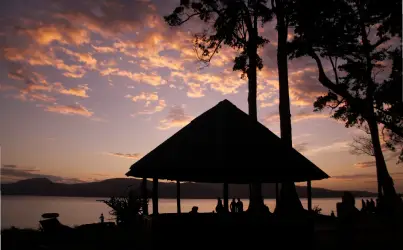
Sunset shots with the bunker silhouetted against colorful skies
Contrast between military architecture and peaceful beach scenery
Interior shots with light streaming through firing positions
Creative compositions combining historical elements with natural beauty
Combined Activities: Visitors typically combine bunker exploration with:
Swimming and beach activities at Corbyn’s Cove
Water sports (jet skiing, banana boat rides, speed boats)
Lunch at beachside restaurants
Relaxing on the sand after historical exploration
Chatham Saw Mill Area Bunker
Behind Chatham Saw Mill, visitors find a bunker with additional World War II remnants including a bomb pit from the 1942 British bombing.
Key Features:
Bunker used during Japanese occupation
Bomb pit from British attack on March 10, 1942
Canopy walkway allowing safe viewing of bomb crater
Information boards explaining the bombing and its impact
Forest Museum nearby with exhibits on local history
Historical Context: This location tells the complete story—British colonial infrastructure (the sawmill), Japanese defensive positions (the bunker), and Allied counterattacks (the bomb pit)—all within one complex.
Visitor Information & Practical Tips
Timings and Entry Fees
Ross Island (Most Popular Bunker Location):
Ferry Timings: 8:30 AM – 3:30 PM (departs every 30 minutes)
Island Open: Until last ferry departure
Best Visit Time: Morning (9:00 AM – 11:00 AM) for cooler weather
Entry Fee: ₹30 Indians, ₹100 foreigners
Ferry Cost: ₹100-150 per person (round trip)
Camera Fee: ₹25 for still cameras
Corbyn’s Cove Bunker:
Open: Sunrise to sunset (24/7 accessible)
Entry: Free (part of public beach)
Beach Entry: No fee for beach access
Best Time: Early morning or late afternoon (avoid midday heat)
Chatham Saw Mill Bunker:
Mill Hours: Monday-Saturday, 8:00 AM – 2:30 PM
Bunker Accessible: During mill operating hours
Entry: ₹10 (mill entry fee includes bunker access)
Closed: Sundays and public holidays
Best Time to Visit
By Season:
Season
Months
Weather
Crowd Level
Recommendation
Winter
November-February
20-28°C, pleasant
High
Best overall experience
Summer
March-May
28-35°C, hot
Moderate
Early morning visits recommended
Monsoon
June-September
25-30°C, heavy rain
Low
Ferry services may be disrupted
Best Time of Day:
Early Morning (8:30-10:00 AM): Cooler temperatures, better lighting for photography, fewer crowds
Late Afternoon (3:00-5:00 PM): Golden hour lighting for photos, pleasant for Ross Island exploration
Over 300 Bunkers Built: Local accounts suggest Japanese forces constructed more than 300 bunkers across the Andaman Islands during their three-year occupation, though most have been destroyed by natural decay.
Strategic Military Positions: Every bunker location was carefully chosen—coastal areas for naval defense, elevated positions for surveillance, and proximity to infrastructure for protecting strategic assets.
Forced Labor Construction: Japanese forces conscripted local Indian civilians as forced laborers to build bunkers, contributing to the 2,000 deaths during occupation from overwork, malnutrition, and brutal treatment.
Short-Lived Occupation: Despite extensive fortifications, the bunkers served their defensive purpose for only three years (1942-1945) before Japan’s surrender rendered them obsolete.
Never Used in Major Battle: Ironically, despite being built to defend against Allied attacks, most bunkers never saw actual combat—Allied forces bypassed the Andamans in their broader Pacific strategy, focusing on more strategic targets.
Subhash Chandra Bose Connection: The islands were briefly under nominal control of Bose’s Azad Hind government, though Japanese military retained actual control. This complex history makes the bunkers symbols of both Japanese occupation and Indian nationalist aspirations.
Ross Island Double History: Ross Island bunkers stand amid British colonial ruins, creating a unique archaeological landscape showing three layers—pre-colonial indigenous, British colonial, and Japanese occupation—all in one location.
Natural Reclamation: Tropical vegetation has reclaimed many bunkers, with roots and vines breaking through concrete, creating dramatic visual contrasts between human-made military structures and nature’s persistence.
Archaeological Survey Protection: Only bunkers in moderate to good condition receive ASI preservation status; others are left to natural decay as maintaining all 300+ would be economically unfeasible.
Photography Popularity: The Corbyn’s Cove bunker has become one of Port Blair’s most photographed locations due to its beachside position and dramatic sunset backdrops, appearing frequently on social media and travel blogs.
Tourist Transformation: Structures built for war and suffering now serve peaceful purposes—education, tourism, and historical reflection—demonstrating how time transforms meanings of physical spaces.
Living History Lessons: Unlike museum exhibits, bunkers allow visitors to physically enter spaces where history unfolded, creating more visceral connections to World War II events than photographs or written accounts alone.
Frequently Asked Questions (FAQs)
Q: What are Japanese Bunkers in Port Blair? A: Japanese Bunkers are World War II military fortifications built by Japanese Imperial forces between 1942-1945 during their occupation of the Andaman Islands. These concrete structures served as surveillance posts, defensive positions, weapon storage facilities, and command centers. Over 300 were built across the islands, with several well-preserved examples accessible to tourists today.
Q: Where can I find Japanese Bunkers in Port Blair? A: The most accessible bunkers are on Ross Island (Netaji Subhash Chandra Bose Island), at Corbyn’s Cove Beach, and behind Chatham Saw Mill. Ross Island bunkers are the best-preserved and most popular, reached by 15-20 minute ferry from Phoenix Bay Jetty. The Corbyn’s Cove bunker sits directly on the beach, while the Chatham Saw Mill bunker is accessible during mill operating hours.
Q: How do I reach Japanese Bunkers on Ross Island? A: Take a ferry from Phoenix Bay Jetty in Port Blair. Ferries depart every 30 minutes from 8:30 AM to 3:30 PM, with the journey taking 15-20 minutes. Ferry tickets cost ₹100-150 round trip, plus ₹30 island entry fee for Indians (₹100 for foreigners). Phoenix Bay Jetty is about 2-3 km from most Port Blair hotels, easily reached by taxi or auto-rickshaw.
Q: What is the entry fee for Japanese Bunkers? A: Entry fees vary by location. Ross Island charges ₹30 for Indians and ₹100 for foreigners, plus ferry costs. Corbyn’s Cove bunker is free (part of public beach access). Chatham Saw Mill bunker is included in the ₹10 mill entry fee. Camera fees may apply at some locations (typically ₹25 for still cameras).
Q: What are the visiting hours? A: Ross Island ferries operate 8:30 AM – 3:30 PM. Corbyn’s Cove bunker is accessible sunrise to sunset. Chatham Saw Mill bunker is accessible Monday-Saturday, 8:00 AM – 2:30 PM (closed Sundays). Best visiting times are early morning (8:30-10:00 AM) for cooler weather and better photography lighting.
Q: Are Japanese Bunkers safe to explore? A: Yes, but use caution. ASI-preserved bunkers on Ross Island are maintained and generally safe. Watch for uneven floors, low ceilings, and dark interiors. Wear sturdy shoes, bring a flashlight, and supervise children closely. Don’t climb on unstable structures or venture into severely deteriorated bunkers. Follow all posted safety warnings.
Q: Can I take photographs inside the bunkers? A: Yes, photography is generally permitted at all bunker locations. Still camera fees may apply (₹25 typical). The best shots include interior corridors with natural lighting, bunker silhouettes at sunset (Corbyn’s Cove), and contrasts between concrete structures and tropical vegetation. Tripods and external lighting can enhance interior photography.
Q: What should I bring when visiting Japanese Bunkers? A: Essential items include comfortable walking shoes, water bottle, sunscreen, hat, insect repellent, camera, and small flashlight for dark interiors. For Ross Island, bring snacks as food options are limited. Consider light rain jacket (weather changes quickly) and portable charger for extended photography sessions.
Q: How long should I allocate for visiting Japanese Bunkers? A: Ross Island bunkers require 2-3 hours including ferry travel and island exploration. Corbyn’s Cove bunker takes 30-45 minutes, easily combined with beach activities. Chatham Saw Mill bunker needs 30 minutes. Most visitors combine multiple bunker sites with other Port Blair attractions for a full day of historical tourism.
Q: Can I visit Japanese Bunkers during Andaman honeymoon packages? A: Yes, many couples include Ross Island in their honeymoon itinerary. While bunkers are historical rather than romantic, the island offers beautiful photo opportunities, scenic ferry rides, colonial ruins, and wildlife encounters. Most combine the bunker visit with beaches, water sports, and sunset viewing for a balanced experience.
Q: What’s the historical significance of these bunkers? A: The bunkers represent Japan’s only occupation of Indian territory during World War II (1942-1945). They demonstrate Japanese military strategy in the Pacific, the complex relationship between Japanese occupation and Indian nationalism (through Subhash Chandra Bose’s involvement), and the suffering of local populations. Approximately 2,000 Indians died during the occupation, making these sobering memorials.
Q: Are the bunkers wheelchair accessible? A: Unfortunately, most bunkers have limited accessibility. Ross Island has uneven terrain, stairs, and narrow bunker entrances unsuitable for wheelchairs. Corbyn’s Cove bunker sits on sandy beach area, challenging for wheelchair navigation. The island’s colonial ruins and outdoor areas are partially accessible, but bunker interiors are not designed for mobility assistance.
Q: What other attractions can I combine with Japanese Bunkers? A: Popular combinations include Cellular Jail (British colonial prison), Chatham Saw Mill (Asia’s oldest sawmill), Anthropological Museum (tribal culture), Corbyn’s Cove Beach (water sports), and various Port Blair museums creating a comprehensive historical tour.
Q: Is there a guided tour available? A: Official guides are available on Ross Island, typically costing ₹100-300 for group tours. They provide historical context, explain bunker construction, and share stories from the occupation period. Most tour packages to Port Blair include Ross Island with guides. At Corbyn’s Cove and Chatham Saw Mill, guides are less formal but information boards provide context.
Q: When is the best time to visit Japanese Bunkers? A: November to February offers the best weather (20-28°C, pleasant) with clear skies ideal for photography. March to May is hotter but manageable. June to September brings monsoon rains that may disrupt ferry services to Ross Island. Early morning visits (8:30-10:00 AM) provide cooler temperatures and better lighting regardless of season.
Q: Are there any restrictions or rules? A: Yes: don’t carve names/graffiti on bunkers, remove artifacts, or damage structures. Follow ASI guidelines and posted signs. Maintain reasonable noise levels out of respect for the historical site. Don’t litter—carry out all trash. Be respectful of other visitors and local wildlife. Photography is allowed but avoid flash if others are present.
Conclusion: Japanese Bunkers in Port Blair offer a unique opportunity to explore World War II history in a tropical paradise setting. These concrete fortifications stand as powerful reminders that even remote islands weren’t immune to global conflicts. Walking through bunker corridors, touching thick walls built under occupation, and viewing strategic positions overlooking the sea creates visceral connections to history that books alone cannot provide. Whether you’re a history enthusiast, photographer, or curious traveler, these wartime relics add profound depth to any Andaman Islands journey. They remind us that the beautiful beaches and clear waters we enjoy today have witnessed complex, often tragic histories—transforming our appreciation for the peace and natural beauty that now define these extraordinary islands.
Travel Tourister is a leading Travel portal where we introduce travellers to trusted travel agents to make their journey hasselfree, memorable And happy. Travel Tourister is a platform where travellers get Tour packages ,Hotel packages deals through trusted travel companies And hoteliers who are working with us across the world. We always try to find new and more travel agents and hoteliers from every nook and corners across the world so that you could compare the deals with different travel agents and hoteliers and book your tour or hotel with the one you have chosen according to your taste and budget.






 Call
Call Enquiry