Understanding the different types of glass bottom boat ride in Andaman helps you choose the experience that best suits your preferences and budget. The islands offer various boat types, each providing unique viewing perspectives and comfort levels.
The basic glass bottom boat represents the traditional and most affordable option for underwater viewing. These boats feature a simple design with glass panels installed in the floor, allowing passengers to observe marine life from above.
Design Features: Basic glass bottom boats are typically wooden or fiberglass vessels measuring 20-30 feet in length. They accommodate 15-25 passengers with bench seating arranged around a central glass viewing area. The glass panels cover approximately 30-40% of the floor space, providing adequate viewing opportunities for all passengers.
Viewing Experience: The viewing area consists of reinforced glass panels (15-20mm thick) that offer clear visibility up to 20-30 feet in good conditions. Passengers sit on benches surrounding the glass section, looking downward to observe coral reefs and marine life beneath the boat. Natural sunlight provides illumination, making this option most effective during mid-morning hours.
Advantages: The basic glass bottom boat is the most economical option, widely available at all popular locations, requires no advance booking during off-peak seasons, and provides authentic, straightforward underwater viewing without complex technology.
Limitations: Limited viewing depth compared to semi-submarines, viewing quality depends heavily on weather and water conditions, basic seating comfort on longer journeys, and limited protection from sun and elements on some older boats.
Best For: Budget-conscious travelers, families with young children, short excursions (30-40 minutes), and first-time visitors wanting to try underwater viewing without significant investment.
The Coral Safari Semi-Submarine represents the premium glass bottom boat ride in Andaman experience, combining the comfort of staying dry with enhanced underwater viewing capabilities. This vessel offers the closest experience to actual submarine exploration without requiring diving.
Advanced Design: Unlike basic glass bottom boats, the Coral Safari features an underwater viewing chamber that extends below the waterline. The passenger cabin sits partially submerged (approximately 2-3 meters below surface), with large panoramic windows surrounding the entire chamber. This design provides 180-270 degree viewing angles, far superior to traditional glass bottom boats.
Superior Viewing: The submerged chamber positioning offers several advantages. Water surface disturbances (ripples, waves, reflections) don’t affect visibility since viewers are below the surface. The viewing windows are larger (some up to 6 feet wide), providing expansive underwater vistas. Multiple viewing levels allow passengers to choose their preferred perspective.
Comfort Features: Air-conditioned cabins maintain comfortable temperatures regardless of outside weather. Cushioned seating with adequate legroom ensures comfort during longer journeys. The stable, enclosed design minimizes motion sickness. Some vessels include audio commentary systems and underwater lighting for enhanced viewing in deeper or darker waters.
Technical Specifications: These semi-submarines typically accommodate 30-50 passengers across multiple viewing levels. The hull design provides excellent stability even in moderately rough seas. Professional-grade acrylic windows (25-40mm thick) ensure safety while maintaining crystal-clear visibility. Dual engine systems provide redundancy for safety.
Marine Life Viewing: The deeper viewing position allows observation of marine life that stays below surface disturbances. Larger fish species, reef sharks, rays, and sea turtles are more commonly spotted from semi-submarines. The extended duration (45-60 minutes) provides comprehensive reef exploration.
Why Recommended: The Coral Safari offers the best value-to-experience ratio. While more expensive than basic boats, the significantly enhanced viewing quality, comfort, and extended duration justify the premium. Professional operations, superior safety standards, and consistent positive reviews make this the top choice for serious marine life enthusiasts.
Booking Considerations: Advance booking is essential, especially during peak season (December-February), as daily slots are limited. The higher price point means this option tends to have smaller crowds, providing a more exclusive experience.
The Andaman Dolphin Glass Boat combines traditional glass bottom viewing with dolphin-watching opportunities, offering a dual marine experience unique to specific Andaman locations.
Unique Concept: This specialized service operates in areas known for dolphin activity, particularly around Port Blair and North Bay Island during specific seasons. The boat features standard glass bottom panels for coral and fish viewing, while the upper deck provides open-air dolphin spotting opportunities.
Dual Experience: The journey begins with traditional glass bottom viewing over coral reefs, typically lasting 20-25 minutes. The boat then moves to deeper waters (15-30 meters) where dolphin pods are frequently sighted. The captain and crew use their local knowledge to locate areas with high dolphin activity.
Dolphin Encounters: While dolphin sightings cannot be guaranteed (they are wild animals), success rates during peak seasons (November-March) reach 60-70%. Common species include Indo-Pacific Bottlenose dolphins and Spinner dolphins. Pods can range from 5-6 individuals to groups of 20-30 dolphins. The playful creatures often approach boats, providing memorable photo opportunities.
Boat Specifications: These vessels are typically larger (35-45 feet) to handle deeper waters safely. The glass viewing area is similar to basic glass bottom boats, but the upper deck features elevated seating and standing areas optimized for dolphin watching. Binoculars are sometimes provided by operators.
Duration and Route: The complete experience lasts 60-90 minutes, significantly longer than standard glass bottom boat rides. The route covers shallow coral areas first, then extends to offshore waters where dolphins feed and travel.
Best Timing: Early morning departures (6 AM – 8 AM) offer the highest dolphin sighting probabilities as dolphins are most active during feeding hours. Sea conditions are also calmest during these times, making the journey more comfortable.
Considerations: The extended duration and deeper water navigation mean this option is less suitable for those prone to motion sickness. Weather dependency is higher since operations require calm seas for both coral viewing and dolphin spotting. The combined experience costs more than basic glass bottom boats but provides broader marine life exposure.
The Havelock Island semi-submarine offers an exclusive glass bottom boat ride in Andaman experience in one of the archipelago’s most pristine marine environments. This vessel combines semi-submarine technology with access to Havelock’s exceptional coral reefs and diverse marine ecosystems.
Location Advantage: Operating from Havelock Island, this semi-submarine accesses some of Andaman’s most beautiful and well-preserved reef systems. The waters around Havelock, particularly near Elephant Beach and Lighthouse areas, feature exceptional marine biodiversity and superior water clarity compared to Port Blair locations.
Vessel Design: Similar in concept to the Coral Safari but specifically designed for Havelock’s waters, this semi-submarine features a below-waterline viewing chamber with panoramic windows. The design emphasizes stability for the sometimes chopier waters around Havelock while maintaining viewing quality.
Extended Routes: Havelock’s semi-submarine operates longer routes (50-70 minutes) covering multiple reef systems. The journey typically includes shallow coral gardens, deeper reef walls, and occasionally seagrass beds where sea turtles feed. This variety provides more diverse marine life encounters than single-location viewing.
Marine Life Diversity: Havelock’s protected marine environment means higher probabilities of seeing rare species. Regular sightings include Napoleon wrasse, giant groupers, eagle rays, reef sharks, and occasional manta rays during migration seasons. The coral diversity is exceptional, with over 200 species documented in the area.
Exclusive Experience: Due to Havelock’s relative remoteness compared to Port Blair, this semi-submarine operates with smaller groups (20-35 passengers maximum), providing a more intimate and less crowded experience. The longer journey and premium location justify higher pricing.
Combined Packages: Most operators offer packages combining the semi-submarine ride with other Havelock activities like snorkeling at Elephant Beach, beach visits, or island tours. These combos provide comprehensive Havelock exploration and better value than booking activities separately.
Booking Requirements: Advance booking is mandatory as only 2-3 departures operate daily, with limited capacity. During peak season, booking 3-5 days ahead is advisable. The longer journey and remote location mean weather cancellations are more common, so flexible travel plans are recommended.
Accessibility: Reaching this semi-submarine requires being on Havelock Island, which involves ferry travel from Port Blair (2-3 hours). This makes it suitable for travelers spending multiple days in Andaman rather than quick day-trippers.
| Boat Type | Capacity | Duration | Depth | Viewing Quality | Comfort Level | Price Range | Best For |
|---|---|---|---|---|---|---|---|
| Basic Glass Bottom Boat | 15-25 people | 30-40 min | Surface level | Good | Basic | ₹1400-₹1600 | Budget travelers, families, short trips |
| Coral Safari Semi-Submarine | 30-50 people | 45-60 min | 2-3m below surface | Excellent | Premium | ₹2,200-₹2,800 | Best overall experience, serious enthusiasts |
| Andaman Dolphin Glass Boat | 25-35 people | 60-90 min | Surface + deep water | Good to Very Good | Moderate | ₹2,500-₹2,700 | Wildlife enthusiasts, longer excursions |
| Havelock Semi-Submarine | 20-35 people | 50-70 min | 2-3m below surface | Outstanding | Premium | ₹3,500-₹3,700 | Extended stays, premium experience seekers |
Key Features Comparison:
| Feature | Basic Boat | Coral Safari | Dolphin Boat | Havelock Semi-Sub |
|---|---|---|---|---|
| Air Conditioning | No | Yes | No | Yes |
| Panoramic Windows | No | Yes | No | Yes |
| Dolphin Spotting | No | No | Yes | Sometimes |
| Advance Booking Required | No | Yes | Recommended | Yes |
| Motion Sickness Risk | Low | Very Low | Moderate | Low |
| Photography Quality | Good | Excellent | Good | Excellent |
| Weather Dependent | Moderate | Low | High | Moderate |
| Coral Reef Access | 1-2 sites | 2-3 sites | 1-2 sites | 3-4 sites |
North Bay Island stands as the premier destination for glass bottom boat ride in Andaman, earning its nickname “Coral Island” due to its exceptional coral diversity. Located approximately 20 minutes by boat from Port Blair, this island offers the most accessible and popular glass bottom boat experience in the archipelago.
Marine Life Highlights: The waters surrounding North Bay Island host over 50 species of coral in various formations including brain corals, table corals, staghorn corals, and mushroom corals. The vibrant coral gardens shelter hundreds of fish species such as parrotfish, butterflyfish, angelfish, damselfish, clownfish (Nemo), triggerfish, and surgeonfish. During the ride, you might also spot sea cucumbers, starfish, and sea urchins on the ocean floor.
Water Conditions: North Bay benefits from relatively calm waters throughout the year, with excellent visibility ranging from 20-40 feet during peak season. The shallow depth (4-8 meters) in the viewing areas allows for detailed observation of marine life without requiring deep water navigation.
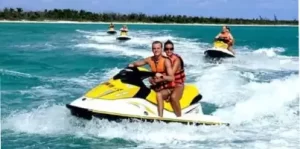
Additional Features: North Bay Island offers a complete water sports hub. After your glass bottom boat ride, you can enjoy snorkeling, scuba diving, sea walking, and jet skiing at the same location. The island has proper facilities including changing rooms, lockers, and refreshment stalls.
Accessibility: Multiple operators run regular boat services from Rajiv Gandhi Water Sports Complex in Port Blair. The short distance makes it ideal for half-day trips, and you can combine multiple activities in a single visit.
Best Viewing Times: Morning hours (8 AM to 11 AM) provide the best visibility with calm waters and bright sunlight enhancing underwater views. The water tends to get slightly choppy in the afternoon.
Red Skin Island offers a more pristine and less commercialized glass bottom boat ride in Andaman experience. Located approximately 60 kilometers south of Port Blair, this island remains relatively untouched by mass tourism, providing a more exclusive marine viewing experience.
Unique Features: Red Skin Island is part of the Mahatma Gandhi Marine National Park, ensuring protected and well-preserved marine ecosystems. The coral reefs here are among the healthiest in Andaman, displaying vibrant colors and diverse formations. The island derives its name from the reddish coral deposits visible from the surface.
Marine Biodiversity: The protected status means marine life thrives here with minimal human interference. Expect to see larger schools of fish, more diverse coral species, and occasionally larger marine creatures like reef sharks and rays at a distance. The coral gardens extend across vast areas, providing continuous viewing opportunities throughout the ride.
Journey and Experience: Reaching Red Skin Island requires a longer boat journey (60-90 minutes from Wandoor Beach), making it more suitable for full-day excursions. The extended travel time is rewarded with superior water clarity and more abundant marine life. The journey itself is scenic, passing through mangrove creeks and small islands.
Visitor Volume: Due to its distance and protected status, Red Skin Island receives fewer visitors, resulting in a more peaceful and exclusive experience. Daily visitor numbers are regulated by forest department permits, ensuring sustainable tourism.
Jolly Buoy Island provides one of the most spectacular glass bottom boat ride in Andaman experiences within a strictly protected marine sanctuary. This island operates on a rotational basis with Wandoor Beach to prevent environmental degradation.
Conservation Approach: Jolly Buoy follows a unique conservation model where it opens for six months (typically January to June) while its alternate island, Red Skin, closes for regeneration. This rotation allows marine ecosystems to recover from tourist activity.
Underwater Attractions: The waters around Jolly Buoy feature some of the most pristine coral reefs in the Andaman archipelago. The visibility here often exceeds 40 feet, and the coral colors appear extraordinarily vivid. The diversity of marine species is exceptional, with many rare tropical fish species visible during a single boat ride.
Viewing Quality: The glass bottom boats here operate in designated zones to minimize environmental impact. The controlled approach means viewing areas are carefully selected for optimal marine life observation while protecting sensitive coral formations.
Permit Requirements: Visiting Jolly Buoy requires obtaining a permit from the Forest Department at Wandoor. Daily visitor limits are strictly enforced, so advance booking is essential, especially during peak season.
Elephant Beach on Havelock Island offers a glass bottom boat ride in Andaman as part of its comprehensive water sports package. While better known for snorkeling and scuba diving, the glass bottom boat rides here provide excellent viewing opportunities in one of Andaman’s most beautiful settings.
Location Advantage: Elephant Beach’s proximity to Havelock’s main jetty (20-minute boat ride) makes it easily accessible for visitors staying on the island. The beach’s sheltered cove provides calm waters ideal for glass bottom boat operations.
Coral Gardens: The extensive coral gardens off Elephant Beach showcase diverse hard and soft coral formations. The shallow reef system (3-6 meters) allows for intimate views of coral polyps, small reef fish, and intricate marine ecosystems.
Combined Experience: Most operators offer combo packages combining glass bottom boat rides with snorkeling, allowing you to experience both perspectives of the underwater world. This dual approach provides comprehensive marine life exposure.
Scenic Beauty: Beyond marine viewing, the journey to and around Elephant Beach offers stunning coastal scenery with pristine beaches, crystal-clear waters, and lush tropical vegetation providing a picturesque backdrop.
Understanding the pricing structure helps you budget effectively for this memorable experience.
| Location | Price Range (INR) | Duration | Inclusions |
|---|---|---|---|
| North Bay Island | ₹1400 – ₹1600 per person | 30-40 minutes | Glass boat ride, life jacket, commentary |
| Red Skin Island | ₹1,800 – ₹2,800 per person | 40-50 minutes | Glass boat ride, boat transfer from Wandoor, entry permit, life jacket |
| Jolly Buoy Island | ₹1,500 – ₹2,000 per person | 45-60 minutes | Glass boat ride, boat transfer, forest permit, life jacket, guide |
| Elephant Beach | ₹3500 – ₹3700 per person | 30-45 minutes | Glass boat ride, life jacket |
Additional Costs to Consider:
Price Variations: Prices fluctuate based on season, with peak season (November-February) commanding 20-30% higher rates. Group bookings often receive discounts, and children below 5 years typically travel free or at reduced rates (50% off).
Package Deals: Many operators offer combo packages that include glass bottom boat rides with snorkeling, sea walking, or jet skiing at discounted rates. For example, a North Bay Island combo package including glass bottom boat ride, snorkeling, and sea walking might cost ₹2,500-₹3,500 instead of ₹4,500 if booked separately.
Booking Tips: Pre-booking online often provides 10-15% discounts compared to on-the-spot bookings. Some operators offer early bird discounts for morning slots. Always confirm what’s included in the quoted price to avoid surprise charges.
Timing your visit correctly ensures optimal visibility and the best underwater viewing experience.
Peak Season (October to May): This period represents the ideal time for glass bottom boat ride in Andaman. The weather remains dry, seas are calm, and underwater visibility reaches its maximum potential. These months offer:
Monsoon Season (June to September): Glass bottom boat ride operations are suspended or significantly limited during monsoon due to:
Monthly Breakdown:
Daily Timing: Within peak season, specific times of day offer superior experiences:
Special Considerations: Tidal patterns affect visibility and marine life activity. Consult operators about tide timings for your visit date. Low tide periods sometimes offer better viewing as water is shallower and clearer.
Understanding the complete experience helps you prepare and maximize enjoyment of your glass bottom boat ride in Andaman.
Pre-Ride Preparation: Upon arrival at the embarkation point, you’ll register with the operator and receive a safety briefing covering boat rules, viewing etiquette, and emergency procedures. Life jackets are mandatory for all passengers, even though you remain inside the boat throughout the journey.
Boarding Process: Boats typically board 15-30 passengers at a time. Early arrivers get preferred seating closest to the glass panels. The boarding process is orderly, with crew members assisting passengers, especially children and elderly visitors. Personal belongings can be stored in provided storage areas or kept with you.
Journey Begins: Once everyone is seated and secured, the boat departs from the dock. The initial few minutes involve navigating through shallow waters or channels before reaching the coral viewing areas. The crew provides commentary about the island, marine park regulations, and what you’ll observe during the ride.
Viewing Experience: As the boat reaches coral-rich waters, the captain reduces speed to optimal viewing pace (2-3 knots). Through the glass panels, you’ll observe:
First 10 Minutes: Introduction to the reef environment. You’ll see sandy patches interspersed with small coral formations and individual fish swimming near the boat. The crew points out different coral types and their characteristics.
Middle 15-20 Minutes: Core viewing period over dense coral gardens. This segment offers the most spectacular views with extensive coral formations in various colors – purple, green, orange, yellow, and brown. Large schools of tropical fish swim through the corals, and you might spot larger species like snappers, groupers, and barracudas at a distance.
Final 10 Minutes: Return journey through shallower reef areas. The crew summarizes the experience and answers questions. This period often reveals different species as lighting angles change with the boat’s direction.
Marine Life Encounters: During a typical glass bottom boat ride in Andaman, expect to observe:
Photography Opportunities: The glass panels allow excellent photography opportunities. Modern smartphones capture good images through the glass if held steady. Some operators provide waterproof cameras for rent. Professional photographers on some boats capture images for purchase. Tips for best photos:
Comfort Levels: Glass bottom boats are designed for comfort with cushioned seating, shade covers, and stable platforms. Motion sickness is rare due to slow speeds and calm waters, but susceptible individuals should take precautions. Boats have restroom facilities on longer journeys.
Educational Aspect: Crew members provide valuable information about marine conservation, coral reef ecosystems, and the importance of protecting these fragile environments. Children particularly enjoy learning about different fish species and their behaviors.
Glass bottom boat ride in Andaman is considered one of the safest water activities available, with an excellent safety record when conducted by licensed operators.
Inherent Safety Features: The activity’s safety comes from multiple factors:
Structural Safety: The boats undergo rigorous safety certifications including:
Weather Protocols: Operators follow strict weather monitoring procedures. Rides are canceled or postponed when:
Passenger Safety Measures: Every passenger receives:
Crew Qualifications: All glass bottom boat operators employ:
Health Considerations: While generally safe for everyone, the following individuals should consult operators before booking:
Emergency Preparedness: Boats are equipped with:
COVID-19 Protocols: Post-pandemic, additional safety measures include:
Insurance Coverage: Reputable operators provide insurance coverage for all passengers, covering any unlikely medical emergencies during the activity. Always verify insurance inclusion when booking.
Child Safety: Children are welcome on glass bottom boats with special provisions:
Following these guidelines ensures a safe and enjoyable glass bottom boat ride in Andaman experience for everyone.
Before Booking:
Pre-Departure Preparations:
During the Ride:
Photography Etiquette:
Environmental Responsibility:
Motion Sickness Prevention:
Emergency Procedures:
Q: Can non-swimmers participate in glass bottom boat ride in Andaman? A: Absolutely! Glass bottom boat rides are perfect for non-swimmers since you remain completely dry inside the boat throughout the experience. Life jackets are provided as a safety measure, but you never enter the water.
Q: What is the minimum age requirement for glass bottom boat ride? A: There is no strict minimum age limit. Infants and toddlers are welcome, though very young babies might find the journey too long. Most operators recommend the activity for children aged 2 years and above for optimal enjoyment.
Q: Can elderly people participate in glass bottom boat rides? A: Yes, glass bottom boat rides are ideal for senior citizens. The activity requires no physical exertion, and boats provide comfortable seating. Crew members assist with boarding and disembarking. However, individuals with severe mobility issues should inform operators in advance.
Q: Will I get motion sickness during the glass bottom boat ride? A: Motion sickness is rare on glass bottom boats due to slow speeds and generally calm waters. The boats are stable, and rides occur in protected areas with minimal waves. If you’re prone to motion sickness, take preventive medication before the ride and choose a seat in the boat’s center.
Q: What should I wear for a glass bottom boat ride in Andaman? A: Wear comfortable, light clothing suitable for tropical weather. Avoid flowing garments that might blow in the wind. Wear comfortable footwear with good grip. Bring a hat and sunglasses for sun protection, but ensure they’re secured to prevent them from blowing away.
Q: Can I take my camera or phone on the glass bottom boat? A: Yes, you can bring cameras and phones. Most operators allow photography through the glass panels. However, secure your devices with wrist straps to prevent accidental drops into the water. Some boats have waterproof camera rentals available.
Q: Is the glass bottom boat ride in Andaman suitable for people with disabilities? A: Most modern glass bottom boats are accessible to people with disabilities. Crew members provide assistance for boarding and seating. However, inform operators about specific requirements when booking to ensure appropriate arrangements.
Q: How clear is the underwater view through the glass? A: Visibility depends on weather conditions, water clarity, and time of year. During peak season (November-March), visibility is excellent (30-50 feet). The glass panels provide clear, unobstructed views equivalent to looking through a large aquarium window.
Q: Do glass bottom boats disturb marine life or damage corals? A: Properly operated glass bottom boats follow strict environmental guidelines. They maintain safe distances from reefs, operate at slow speeds, and follow designated routes to minimize impact. Licensed operators adhere to marine park regulations protecting coral ecosystems.
Q: Can pregnant women participate in glass bottom boat rides? A: Pregnant women in their second trimester can generally participate safely, but should consult their doctor first. The activity involves minimal physical stress, though boat movements might be uncomfortable for some. First and third trimester pregnancies should seek medical advice before booking.
Q: What happens if weather conditions are bad on the day of my booking? A: Operators cancel rides when weather conditions are unsafe (high winds, rough seas, poor visibility). Most provide full refunds or reschedule bookings at no extra cost. Always confirm the cancellation and refund policy when booking.
Q: How many people can fit in a glass bottom boat? A: Glass bottom boats in Andaman typically accommodate 15-30 passengers depending on the boat size. Smaller boats offer more intimate experiences, while larger vessels accommodate group bookings and provide more seating options.
Q: Is food or water provided during the glass bottom boat ride? A: Most glass bottom boat rides are short (30-50 minutes) and don’t include meals. Some longer excursions to distant islands might provide water bottles. It’s advisable to bring your own drinking water, though consumption should be moderate to avoid restroom needs during the short journey.
Q: Can I touch or feed the fish during the glass bottom boat ride? A: No, feeding or touching marine life is strictly prohibited in marine parks and conservation areas. These rules protect both visitors and marine ecosystems. Observation through the glass is the intended experience.
Q: Do I need to book glass bottom boat rides in advance? A: Advance booking is highly recommended, especially during peak season (December-February). Popular locations like North Bay Island and Jolly Buoy Island have limited daily slots that fill quickly. Online booking often provides better rates than on-spot bookings.
Q: Are there restrooms on glass bottom boats? A: Smaller boats operating short rides (30-40 minutes) typically don’t have onboard restrooms. Larger boats on longer journeys to distant islands may include basic restroom facilities. Use facilities on shore before boarding.
Q: What is the best time of day for the clearest underwater views? A: Morning hours between 8 AM and 11 AM offer the best viewing conditions. Sunlight penetrates the water at optimal angles, seas are calmest, and marine life is most active. Visibility tends to decrease in the afternoon due to water movement and angle of sunlight.
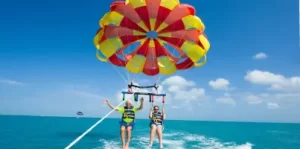
Q: Can I combine a glass bottom boat ride with other water activities? A: Yes, most operators offer combo packages combining glass bottom boat rides with snorkeling, sea walking, jet skiing, or parasailing. Combo packages provide better value than booking activities separately and maximize your time at the location.
Q: Is it better to visit North Bay or Jolly Buoy for glass bottom boat rides? A: Both locations offer excellent experiences. North Bay is more accessible from Port Blair, making it ideal for half-day trips with multiple activity options. Jolly Buoy provides more pristine viewing within a protected marine sanctuary but requires longer travel time and advance permits.
Q: What marine life can I expect to see during the glass bottom boat ride? A: You’ll typically observe parrotfish, butterflyfish, angelfish, damselfish, clownfish, triggerfish, surgeonfish, and various coral species. Depending on location and luck, you might spot rays, small reef sharks, sea turtles, starfish, sea cucumbers, and sea urchins.
| Activity | Gets Wet | Swimming Required | Age Limit | Duration | Cost | Marine Life View |
|---|---|---|---|---|---|---|
| Glass Bottom Boat | No | No | None | 30-50 min | ₹1400-₹3,500 | Excellent (through glass) |
| Snorkeling | Yes | Preferred | 8+ years | 30-60 min | ₹700-₹1,500 | Excellent (direct) |
| Scuba Diving | Yes | Preferred | 10+ years | 30-45 min | ₹3,500-₹6,000 | Outstanding (direct, deep) |
| Sea Walking | Partially | No | 10+ years | 20-30 min | ₹3,500-₹4,500 | Very Good (helmet view) |
Related Articles:
2nd Floor, 39, Above Kirti Club, DLF Industrial Area, Kirti Nagar, New Delhi, Delhi 110015



Travel Tourister is a leading Travel portal where we introduce travellers to trusted travel agents to make their journey hasselfree, memorable And happy. Travel Tourister is a platform where travellers get Tour packages ,Hotel packages deals through trusted travel companies And hoteliers who are working with us across the world. We always try to find new and more travel agents and hoteliers from every nook and corners across the world so that you could compare the deals with different travel agents and hoteliers and book your tour or hotel with the one you have chosen according to your taste and budget.
Copyright © Travel Tourister, India. All Rights Reserved


 Call
Call Enquiry