Flag Point: Where India’s Freedom First Touched These Island Shores
December 30, 1943. A date that transformed the Andaman Islands from a remote penal colony into the first piece of Indian soil liberated from British rule. On this historic day, Netaji Subhas Chandra Bose hoisted the Indian tricolor at what we now know as Flag Point, declaring these islands free nearly four years before India’s official independence!
I’ve visited countless monuments and memorials across India, but Flag Point carries a unique emotional weight. Standing beneath that massive 150-feet flagpole, watching the tricolor flutter against the azure Andaman sky, you’re not just observing history—you’re standing on the exact spot where India’s freedom movement achieved its first territorial victory. The moment connects you viscerally to struggles that shaped our nation.
This isn’t merely another tourist photo-op. Flag Point represents a profound historical milestone that most Indians know little about, making it both an educational destination and a patriotic pilgrimage worth experiencing during any Port Blair visit.
Understanding Flag Point
Flag Point, also known as Tiranga Point or Tiranga Park, occupies a prominent position in Port Blair’s South Point area. The current 150-feet flagpole, inaugurated by Prime Minister Narendra Modi on December 30, 2018, commemorates the 75th anniversary of Netaji’s original flag hoisting ceremony.
The massive Indian tricolor measuring 30 feet by 20 feet flies permanently from this towering pole, visible from significant distances across Port Blair—including from the Rajiv Gandhi Water Sports Complex and surrounding waters. The flag’s commanding presence serves as a constant reminder of the islands’ pivotal role in India’s independence struggle.
The site sits approximately 3 kilometers from Port Blair’s city center, positioned along the scenic coastal route between Marina Park and Corbyn’s Cove Beach. This strategic location makes Flag Point easily accessible while offering stunning views of the Andaman Sea, nearby islands, and Port Blair’s administrative buildings.
The Historic Significance
The Andaman and Nicobar Islands hold unique distinction in India’s freedom narrative. Under Japanese occupation during World War II, Netaji Subhas Chandra Bose and his Indian National Army (Azad Hind Fauj) gained administrative control of these islands from the Japanese forces.
On December 30, 1943, Netaji hoisted the Indian flag at this exact location, symbolically declaring the islands as Shaheed (Martyr) and Swaraj (Self-rule) territories—the first Indian land freed from British colonial control. This act, though occurring under Japanese occupation rather than complete independence, represented a powerful psychological victory and morale boost for the broader freedom movement.
The flag hoisting preceded India’s official independence by nearly four years, making the Andaman Islands a symbol of early liberation that resonates deeply with patriotic Indians. The event demonstrated that independence wasn’t just a distant dream—it was achievable, even if only on these remote islands initially.
Modern Commemoration
The 2018 rededication ceremony, led by Prime Minister Modi, brought renewed attention to Flag Point’s historical importance. The installation of the massive 150-feet flagpole—one of the tallest in India—ensured the site’s prominence in both physical landscape and collective memory.
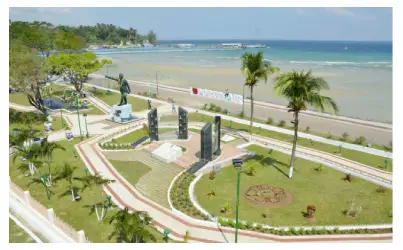
An eternal flame burns near the flagpole, symbolizing the immortal spirit of freedom fighters. The well-maintained pathways, seating areas, and surrounding greenery create a contemplative environment where visitors can reflect on sacrifices made for national independence.
Planning Your Visit to Flag Point
Essential Visitor Information
Detail
Information
Location
South Point area, near Marina Park
Distance from City Center
3 kilometers
Distance from Airport
Approximately 3 kilometers
Distance from Rajiv Gandhi Water Sports Complex
10-15 minute walk (approximately 1 km)
Entry Fee
Free (no charge)
Opening Hours
Open 24/7 (best visited during daylight)
Closed Days
Never closed
Best Visit Duration
30 minutes to 1 hour
Photography
Allowed and encouraged
Facilities
Benches, seating areas, walking paths
Ideal Time
Early morning or evening for best lighting
How to Reach Flag Point
Flag Point’s central location makes it accessible through multiple transportation options.
By Walking: If staying near Marina Park or in central Port Blair, Flag Point is perfectly reachable on foot. The 10-15 minute scenic walk from the Rajiv Gandhi Water Sports Complex follows well-maintained pathways along the coast, offering beautiful sea views and passing government administrative buildings. This pedestrian route provides the most immersive experience, allowing you to appreciate the landscape Netaji would have seen.
By Taxi or Private Car: Quick and convenient, taxis from central Port Blair cost ₹100-200 for the short 3-kilometer journey. Most drivers know “Flag Point” or “Tiranga Point” by name. The drive takes just 5-10 minutes depending on traffic.
By Auto-Rickshaw: These ubiquitous three-wheelers charge ₹50-100 from most Port Blair locations. Negotiate the fare before boarding. Auto-rickshaws provide economical transport while offering open-air views of Port Blair’s streets.
By Rental Scooter/Bike: For independent travelers, rental two-wheelers (₹400-600 per day) provide maximum flexibility. The ride from central Port Blair takes 10 minutes, and parking is available near the monument. This option works exceptionally well when combining Flag Point with Corbyn’s Cove Beach or other nearby coastal attractions.
By Local Bus: Government buses heading toward Corbyn’s Cove pass near Flag Point. Board from Aberdeen Bazaar or the main bus terminal. Fares range from ₹10-20 per person. Inform the conductor of your destination, and they’ll indicate when to alight. Expect a short 5-10 minute walk from the bus stop to the monument.
Best Time to Visit Flag Point
Flag Point remains accessible 24/7, but certain times enhance the experience significantly.
Early Morning (6:00-8:00 AM): The coolest, most peaceful period. Soft morning light creates excellent photography conditions. The tricolor looks particularly striking against the dawn sky. Fewer visitors allow contemplative experiences without crowds. Morning breezes from the sea add to the pleasant atmosphere.
Late Afternoon to Evening (4:00-7:00 PM): The flag illuminates beautifully as evening approaches, becoming especially photogenic at sunset. The golden hour light transforms the monument and surrounding seascape. The temperature cools from midday heat, making the visit more comfortable. Evening illumination showcases the flag dramatically against the night sky.
Midday (11:00 AM-3:00 PM): The intense tropical sun and heat make this period less comfortable, though the monument remains accessible. Bright overhead light creates harsh shadows that challenge photography. However, if this fits your schedule, the visit remains worthwhile—just bring sun protection.
National Holidays: Republic Day (January 26) and Independence Day (August 15) feature special flag hoisting ceremonies, patriotic programs, and larger crowds. These dates offer enhanced cultural experiences if you’re in Port Blair during these periods.
What to Experience at Flag Point
The Magnificent Flagpole
The towering 150-feet flagpole dominates the landscape, visible from considerable distances. The massive Indian tricolor (30 feet by 20 feet) flies permanently, never lowered except for replacement due to weather wear.
The flag’s scale impresses first-time visitors. Standing directly beneath and looking upward at the enormous tricolor creates a powerful emotional moment. The symbolism—India’s colors flying over the first liberated territory—resonates particularly strongly with those familiar with independence history.
The flagpole’s base features plaques and information boards detailing the historical significance of December 30, 1943. Reading these inscriptions while standing on the actual spot where Netaji hoisted the original flag creates tangible historical connection.
Panoramic Views
Flag Point’s elevated coastal position provides expansive views across multiple directions:
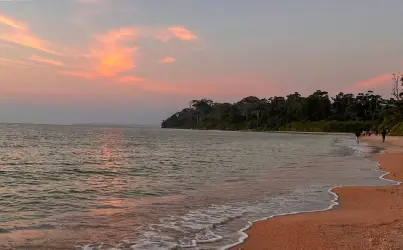
Andaman Sea: The azure waters stretch toward the horizon, with gentle waves lapping the rocky shoreline below. The sea’s color shifts throughout the day—from deep blue in morning to turquoise under midday sun to golden during sunset.
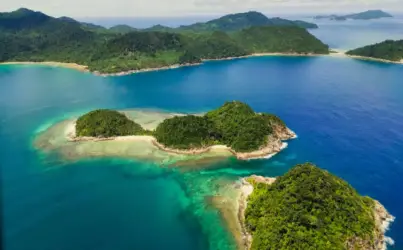
Nearby Islands: Ross Island, Viper Island, and North Bay Island appear as green shapes rising from the water. These islands carry their own historical significance in the colonial and independence narrative.
Port Blair Cityscape: Government administrative buildings, educational institutions, and residential areas spread along the coast. The juxtaposition of modern development with historical commemoration illustrates the islands’ evolution from penal colony to thriving capital.
Coastal Scenery: Lush tropical greenery frames the monument, with palm trees and native plants creating natural beauty alongside human-made structures.
The Eternal Flame
Near the flagpole, an eternal flame burns continuously, symbolizing the undying spirit of India’s freedom fighters. This perpetual fire represents the immortal sacrifices made by countless individuals who fought for independence.
The flame serves as a focal point for contemplation and remembrance. Visitors often pause here, reflecting on the courage and determination required to challenge colonial rule during an era when independence seemed a distant dream.
Walking Paths and Seating Areas
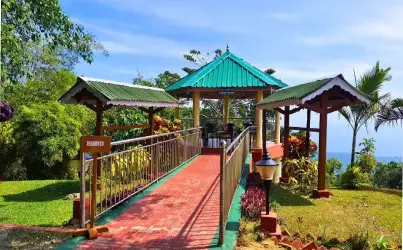
Well-maintained pathways with distinctive red-stone footpaths wind through the monument area. These paths allow leisurely walks while taking in views from different angles.
Multiple seating areas with benches provide spots to rest, enjoy the sea breeze, and absorb the atmosphere. These spaces make Flag Point suitable for extended visits rather than just quick photo stops.
The landscaping combines natural tropical vegetation with designed gardens, creating an aesthetically pleasing environment that enhances the monument’s dignity.
Photography Opportunities
Flag Point ranks among Port Blair’s most photogenic locations:
Classic Shots: The massive tricolor against blue sky or sunset colors creates iconic images. Position yourself to include the flagpole, flag, and sea in a single frame for classic commemorative photos.
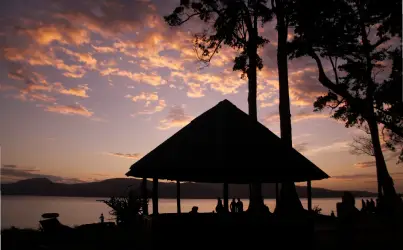
Sunrise/Sunset Photography: The changing light during golden hour transforms the scene. The flag becomes backlit during certain angles, creating dramatic silhouettes. Sunset photos with the tricolor in foreground and colorful sky behind are particularly striking.
Detail Photography: Close-ups of the flag fabric, the flagpole’s base inscriptions, the eternal flame, and surrounding landscape elements provide varied photographic subjects.
Portrait Photography: Many visitors want personal photos with the flag as backdrop—a patriotic keepsake from their Andaman journey.
Combining Flag Point with Other Port Blair Attractions
Same-Day Itinerary Options
Flag Point’s location and quick visit time make it ideal for combining with nearby attractions.
Coastal Route Itinerary:
7:00 AM: Early visit to Flag Point for sunrise photography
Light jacket (sea breeze can be cool in early morning/evening)
Visitor Etiquette
Flag Point functions as both tourist attraction and national memorial. Appropriate behavior respects its significance:
Show Respect: This is a sacred patriotic site. Maintain decorum appropriate to a memorial.
No Littering: Keep the area clean. Dispose of trash properly in designated bins.
Photography Guidelines: While photography is encouraged, avoid disrespectful poses or behavior. Remember this commemorates sacrifices made for freedom.
Quiet Contemplation: While not requiring absolute silence, maintain appropriate noise levels that allow others to reflect peacefully.
Follow Regulations: Adhere to any posted guidelines or instructions from security personnel.
Safety and Accessibility
Physical Accessibility: The walking paths and viewing areas are generally accessible to most visitors, though some uneven terrain exists. Elderly visitors and those with mobility challenges should take care on steps and slopes.
Sun Exposure: Minimal shade exists at the monument itself. Extended visits during midday require sun protection.
Weather Considerations: During monsoon season, the exposed coastal location means strong winds and rain. Check weather before visiting during June-September.
Security: As a national monument, security personnel may be present, particularly during national holidays. Cooperate with any security procedures.
Dining and Accommodation Options
Where to Eat Near Flag Point
Flag Point itself has no food facilities. Nearby options include:
Marina Park Area (1-2 km):
Multiple street food stalls offering snacks
Small cafes serving chai, samosas, pakoras
Local restaurants with Andaman seafood specialties
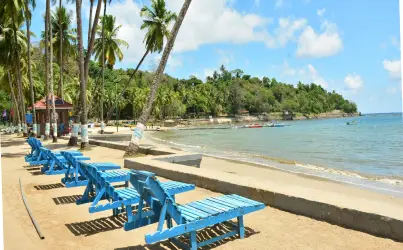
Corbyn’s Cove Beach (2 km):
Beachside shacks and restaurants
Fresh coconut water vendors
Multi-cuisine restaurants
Central Port Blair (3-4 km):
Annapurna: South Indian vegetarian
New Lighthouse: Seafood specialties
Icy Spicy: Multi-cuisine options
Full Moon Cafe: Continental and Indian
Where to Stay
No accommodations exist at Flag Point itself. Visitors stay in Port Blair (3-5 km away):
Budget Options:
Hotel Sentinel
Andaman Residency
Peerless Resort
TSG Emerald View
Mid-Range Options:
Hotel Haywizz
TSG Blue
Seashell Samssara
J Hotel
Luxury Options:
Fortune Resort Bay Island
Sinclairs Bayview
SeaShell Port Blair
Water Sports and Activities Nearby
While Flag Point itself focuses on historical commemoration, nearby locations offer diverse water activities:
During World War II, Japanese forces occupied the Andaman and Nicobar Islands from March 1942 to October 1945. This occupation created a unique situation in India’s freedom narrative.
While the occupation brought hardships for local populations, it also created opportunity for Netaji Subhas Chandra Bose and the Azad Hind (Indian National Army) movement. The Japanese transferred administrative control of the islands to Bose’s provisional government, though ultimate authority remained with Japan.
Netaji’s Visit and Declaration
Netaji visited the Andaman Islands in late December 1943. On December 29, he arrived and reviewed troops. The following day, December 30, 1943, he conducted the historic flag hoisting ceremony at Flag Point.
The ceremony wasn’t merely symbolic—Bose renamed the islands. Andaman became “Shaheed Dweep” (Island of Martyrs), honoring those who suffered in the Cellular Jail. Nicobar became “Swaraj Dweep” (Island of Self-Rule), representing achieved independence.
These names carried powerful psychological impact. They transformed the islands from symbols of colonial punishment (the penal colony) into symbols of liberation and self-determination.
Post-War Return to British Control
Japanese surrender in 1945 returned the islands to British control. The independence Netaji declared proved temporary—but its symbolic power persisted.
When India gained official independence in 1947, the Andaman and Nicobar Islands became part of the new nation. The memory of Bose’s flag hoisting remained an important part of the islands’ identity.
Educational Value of Flag Point
For Students
Flag Point offers valuable educational experiences for students studying Indian history:
Tangible History: Standing on the actual spot where historical events occurred creates stronger impressions than textbook learning.
Primary Sources: Information boards and plaques provide original historical documentation.
Contextual Learning: The connection to Cellular Jail, Ross Island, and other colonial sites helps students understand interconnected historical narratives.
National Pride: The experience fosters patriotic sentiment and appreciation for freedom fighters’ sacrifices.
For General Visitors
Even those without deep historical interest gain value:
Unknown History: Most Indians don’t know about the Andaman Islands’ role as first liberated territory, making this genuinely new information.
Personal Connection: Standing where Netaji stood creates emotional bonds to independence history.
Photographic Memory: The striking visuals create lasting memories tied to historical education.
Perspective: Understanding the islands’ transformation from penal colony to liberation symbol provides perspective on India’s journey.
Final Thoughts on Flag Point
Flag Point won’t consume hours of your Andaman itinerary. Most visits last 30-60 minutes. You’re not exploring extensive grounds or complex museums. But dismissing it as “just a flag” misses the point entirely.
This monument commemorates a genuinely significant moment—the first instance of the Indian flag flying over liberated Indian territory. That December 30, 1943 ceremony represented more than symbolic gesture. It proved independence was possible, even if temporarily and partially. It demonstrated that British rule could end, that Indian self-governance could work, and that freedom wasn’t merely an abstract dream.
The location enhances the experience. Standing on this coastal point, sea breezes carrying salt spray, tricolor snapping overhead against tropical sky—you understand why Netaji chose this dramatic setting. The visual power reinforces the emotional and historical power.
For many visitors, particularly those familiar with independence history, Flag Point provides unexpectedly moving experiences. You’re not just observing a monument. You’re standing where India’s freedom first touched ground—literally the first piece of Indian soil declared free from colonial rule.
Visit early morning or evening for best lighting and atmosphere. Take time to read the historical inscriptions. Allow the significance to sink in rather than just snapping photos and leaving. Reflect on what December 30, 1943 meant to those who experienced it—a glimmer of hope during dark wartime, proof that independence could be achieved.
Combine it with other historical sites like Cellular Jail and Ross Island to understand the complete narrative of these islands’ evolution from colonial punishment center to liberation symbol to modern tourist destination.
Flag Point deserves its place in any thoughtful Port Blair itinerary—not because it requires extensive time, but because it represents a unique piece of history that most visitors know nothing about until they arrive. That discovery, that learning moment, adds depth to your Andaman experience beyond beaches and water sports.
Stand beneath that massive tricolor, appreciate the sea views Netaji saw, and recognize you’re experiencing something genuinely special—the birthplace of liberated India, even if that liberation took several more years to spread across the subcontinent.
Frequently Asked Questions About Flag Point
1. What is the historical significance of Flag Point in Port Blair?
Flag Point marks the exact location where Netaji Subhas Chandra Bose hoisted the Indian tricolor for the first time on liberated Indian soil on December 30, 1943. This occurred during World War II when the Japanese handed administrative control of the Andaman and Nicobar Islands to Netaji’s Azad Hind government. This flag hoisting declared the islands free from British rule nearly four years before India’s official independence in 1947, making the Andaman Islands symbolically the first Indian territory to achieve freedom. Netaji renamed Andaman as “Shaheed Dweep” (Island of Martyrs) and Nicobar as “Swaraj Dweep” (Island of Self-Rule), creating powerful symbols of liberation that resonated throughout the independence movement.
2. How much time should I spend at Flag Point?
Most visitors spend 30 minutes to 1 hour at Flag Point, which provides adequate time to view the monument, read historical information boards, take photographs, and enjoy the scenic views of the Andaman Sea and surrounding islands. If you’re particularly interested in history or photography, you might extend your visit to 1.5 hours, especially during sunrise or sunset when lighting creates spectacular photo opportunities. The compact site doesn’t require extensive exploration time, but allowing sufficient time for contemplation enhances the experience. Flag Point works well as part of a larger itinerary, easily combined with nearby attractions like Corbyn’s Cove Beach or Chidiya Tapu.
3. Is there an entry fee to visit Flag Point?
No, Flag Point is completely free to visit! There are no entry fees, parking charges (minimal if any), or any costs associated with viewing the monument. This accessibility makes it an excellent budget-friendly attraction for all travelers, from backpackers to families. The free entry reflects its status as a public patriotic memorial rather than a commercial tourist attraction. However, if you hire transportation (taxi, auto-rickshaw) to reach the site, you’ll pay those standard travel costs. The combination of zero entry fee, significant historical importance, and beautiful coastal location makes Flag Point exceptional value for visitors exploring Port Blair.
4. Can I walk to Flag Point from other Port Blair attractions?
Yes! Flag Point is very walkable from several Port Blair locations. From the Rajiv Gandhi Water Sports Complex, it’s just a 10-15 minute scenic walk (approximately 1 kilometer) along well-maintained coastal pathways. From Marina Park, the walk takes 15-20 minutes. These walking routes offer beautiful sea views, pass by government buildings and educational institutions, and provide pleasant experiences on Port Blair’s least-congested roads. The walk from central Aberdeen Bazaar takes 25-30 minutes (approximately 3 kilometers), which is manageable in cooler morning or evening hours. Walking allows you to appreciate the surrounding landscape and gives better understanding of the area’s geography. However, during midday heat (11 AM-3 PM), consider motorized transport for comfort.
5. What other attractions can I combine with Flag Point in a single visit?
Flag Point’s location makes it perfect for combining with multiple nearby attractions. The most natural combination is Corbyn’s Cove Beach (2 km away), where you can enjoy swimming, water sports like jet skiing and parasailing, and beachside dining. Marina Park lies just 1-2 km away, offering pleasant waterfront walks and food stalls. For historical exploration, combine Flag Point with Cellular Jail (4 km) to understand the complete independence narrative. Ross Island and North Bay Island are accessible via short ferry rides from nearby jetties. A typical combined itinerary might include morning Flag Point visit, midday at Corbyn’s Cove, and evening Cellular Jail Light and Sound Show, creating a full day of historical and recreational experiences.
Travel Tourister is a leading Travel portal where we introduce travellers to trusted travel agents to make their journey hasselfree, memorable And happy. Travel Tourister is a platform where travellers get Tour packages ,Hotel packages deals through trusted travel companies And hoteliers who are working with us across the world. We always try to find new and more travel agents and hoteliers from every nook and corners across the world so that you could compare the deals with different travel agents and hoteliers and book your tour or hotel with the one you have chosen according to your taste and budget.









 Call
Call Enquiry