Ross Island Port Blair: Complete Visitor Guide 2025-26
About Ross Island (Netaji Subhash Chandra Bose Island)
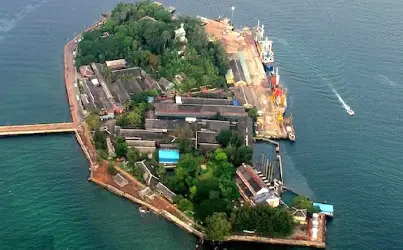
Ross Island, officially renamed Netaji Subhash Chandra Bose Island in December 2018, stands as one of the Andaman and Nicobar Islands’ most historically significant destinations—a haunting testament to British colonial grandeur, Japanese wartime occupation, and India’s freedom struggle. Located just 2 kilometers east of Port Blair, Ross Island served as the administrative headquarters of the British Raj in the Andamans from 1858 until its dramatic abandonment following a devastating earthquake in 1941 and subsequent Japanese invasion in 1942.
What makes Ross Island extraordinary is its unique atmospheric blend—majestic colonial architecture slowly being reclaimed by tropical nature, with massive banyan and ficus tree roots snaking through British-era buildings creating an almost post-apocalyptic beauty. The island functions as an open-air museum where history whispers through broken walls, crumbling churches, empty officer clubs, and silent administrative buildings that once buzzed with colonial bureaucracy. Today, Ross Island offers visitors a rare opportunity to walk freely through these ruins, touching history directly rather than viewing it behind glass.
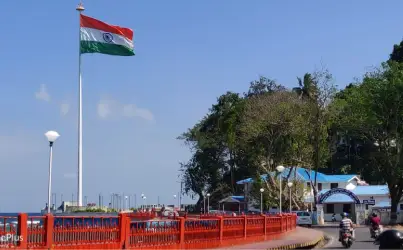
Ross Island’s story encompasses three distinct eras: British colonial dominance (1858-1941), Japanese military occupation (1942-1945), and Indian Naval custodianship (1979-present). The island witnessed Netaji Subhash Chandra Bose’s historic visit in December 1943 when he hoisted the Indian tricolour at the Government House as part of his Azad Hind government’s symbolic control—the only Indian territory his provisional government ever administered. This powerful moment of resistance against colonialism gave Ross Island its new name, honoring the revolutionary leader’s indomitable spirit.
Beyond historical ruins, Ross Island surprises visitors with its thriving wildlife sanctuary status. Friendly spotted deer roam freely through former British drawing rooms, peacocks display their magnificent plumage near church ruins, and various bird species inhabit the dense tropical foliage that has reclaimed much of the island. This unique juxtaposition of colonial decay and vibrant natural life creates an otherworldly atmosphere—history and nature coexisting in perfect harmony.
The island’s Light and Sound Show, held each evening at the atmospheric church ruins, brings history to life through cutting-edge 3D mapping, laser effects, and dramatic narration. Designed by renowned filmmaker Revathi, the show ranks among India’s most technologically advanced historical presentations, transforming Ross Island’s colonial past into an immersive emotional experience that deeply moves visitors.
For anyone planning an Andaman tour, Ross Island represents an essential half-day excursion that adds profound historical depth to the typical beach-and-water-sports itinerary. The short 15-20 minute ferry ride from Port Blair makes Ross Island incredibly accessible, while the island’s manageable size allows comprehensive exploration in 2-3 hours—perfect for travelers seeking meaningful cultural experiences without extensive time commitments.
Where Is Ross Island Located & How to Reach
Location Details
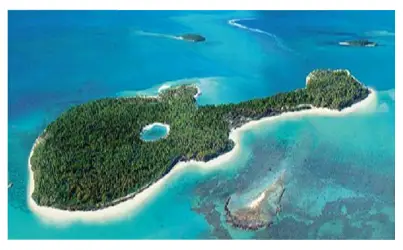
Ross Island is situated approximately 2 kilometers (1.2 miles) east of Port Blair in the South Andaman district, making it one of the closest islands to the capital and easily accessible by short ferry rides.
Distance from Port Blair: 2 km by sea (15-20 minutes by boat)
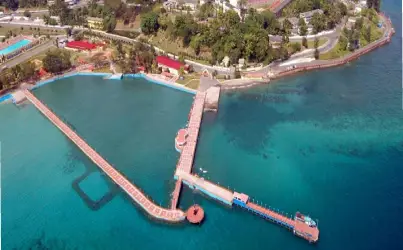
Ferry Departure Point: Aberdeen Jetty, Rajiv Gandhi Water Sports Complex, Marina Park, Port Blair
Island Size: Compact elliptical island, approximately 1.25 km long, entirely walkable
The journey to Ross Island begins at Aberdeen Jetty, located within the Rajiv Gandhi Water Sports Complex in Marina Park, approximately 2-3 km from Port Blair city center.
Transportation to Aberdeen Jetty:
From Airport (3 km): Taxi ₹150-250, Auto-rickshaw ₹100-150 (10-15 minutes)
From City Center: Taxi ₹100-200, Auto-rickshaw ₹50-100, Local bus ₹10-20
From Cellular Jail (3 km): Taxi ₹100-150, Auto-rickshaw ₹80-120
Step 2: Purchase Ferry Tickets
Tickets are available at the Aberdeen Jetty ticket counter (Gate 2 for Ross Island). During peak season (November-February), arrive early (by 8:00 AM) to secure preferred time slots.
Ferry Schedule:
First Departure: 8:30 AM
Regular Departures: Every 30-60 minutes throughout the day
Last Return Ferry: Typically 4:00-5:00 PM
Island Stay Duration: 1.5-2 hours per visit
Note: Schedules subject to weather and sea conditions
Step 3: Ferry Journey to Ross Island
The ferry accommodates 150-250 passengers depending on vessel type. The scenic 15-20 minute journey offers views of Port Blair’s coastline, Aberdeen Bay, and surrounding islands.
What to Expect:
Life jackets provided for all passengers
Seating available (first-come, first-served)
Photography opportunities during journey
Brief announcements about Ross Island history and guidelines
Step 4: Island Entry & Exploration
Upon arrival, visitors must:
Present valid ID proof for Indian Navy registration (Ross Island is under Navy control)
Pass through security screening
Collect entry pass
Follow marked pathways and posted guidelines
Respect closing time (visitors must leave by 5:00 PM)
Combined Tours:
Most travelers combine Ross Island with North Bay Island in a single trip, as ferries typically operate combined routes:
Typical Combined Itinerary:
8:30 AM: Depart Port Blair
9:00 AM – 11:00 AM: Explore Ross Island colonial ruins, museums, wildlife
11:30 AM: Ferry to North Bay Island
11:45 AM – 2:30 PM: Water sports, coral viewing at North Bay
3:00 PM: Return to Port Blair
This combination maximizes value, offering both historical exploration and marine adventure in one comprehensive half-day excursion.
From Other Islands:
If staying in Havelock Island or Neil Island, take a ferry to Port Blair’s Aberdeen Jetty first. From there, Ross Island ferries depart regularly. Consider timing your visit on arrival or departure days from these islands to minimize extra travel.
Important Tips:
Verify ferry schedules the day before (weather causes occasional cancellations)
Arrive 30 minutes before departure for ticket purchase and boarding
Wear comfortable walking shoes (extensive walking on uneven surfaces)
Bring water and sunscreen (limited facilities on island)
Plan to spend 2-3 hours for thorough exploration
Ross Island: Historical Timeline & Significance
Early Colonial Period (1788-1858)
Ross Island’s recorded history begins with Lieutenant Archibald Blair’s Andaman survey in 1788-1789. Blair established a temporary settlement including a hospital and sanatorium on Ross Island between 1789-1792. However, extreme weather, high mortality rates, and logistical challenges forced abandonment in 1796.
The island remained largely uninhabited for six decades until the British decided to reestablish the Andaman Penal Settlement following the 1857 Indian Rebellion (also called the First War of Independence or Indian Mutiny). The British needed secure locations to exile political prisoners far from mainland India where they couldn’t organize resistance.
British Administrative Headquarters (1858-1941)
In 1858, Ross Island was reoccupied and developed as the administrative capital of the Andaman and Nicobar Islands. Named after marine surveyor Sir Daniel Ross (1780-1849), the island transformed into a miniature England in the tropics—complete with:
Colonial Infrastructure:
Chief Commissioner’s residence (Government House)
Administrative offices and secretariat
Officers’ clubs and ballrooms
Anglican churches (Presbyterian and Anglican)
Hospital and bakery
Printing press and post office
Water treatment plant
Swimming pool and tennis courts
Troop barracks
Bazaar and shops
Peak Colonial Era:
Ross Island reached its zenith during the early 20th century, functioning as a self-sufficient administrative hub. The island housed British officers, their families, administrative staff, and Indian workers who maintained the settlement. Life on Ross Island epitomized colonial luxury—elegant dinner parties, tennis matches, church services, and bureaucratic routine—all maintained by Indian labor while political prisoners suffered in the Cellular Jail visible across the water.
The Earthquake of 1941
On June 26, 1941, a devastating earthquake struck the Andaman and Nicobar Islands, causing significant structural damage across Ross Island. Buildings developed cracks, water systems failed, and the island’s infrastructure sustained severe damage. This natural disaster, combined with the looming threat of Japanese invasion during World War II, prompted British evacuation.
Japanese Occupation (1942-1945)
In March 1942, Japanese Imperial forces invaded and occupied the Andaman and Nicobar Islands as part of their broader Pacific campaign. Ross Island became a Japanese military base, with soldiers using British buildings as headquarters and constructing defensive bunkers still visible today.
The most significant moment in Ross Island’s wartime period came on December 29-30, 1943, when Netaji Subhash Chandra Bose visited the island. As leader of the Indian National Army (Azad Hind Fauj) and head of the Provisional Government of Free India (Arzi Hukumat-e-Azad Hind), Bose symbolically hoisted the Indian tricolour at the Government House—marking the only Indian territory his government ever controlled.
The Andaman and Nicobar Islands were renamed “Shaheed” (Martyr) and “Swaraj” (Self-Rule) Islands respectively, reflecting nationalist aspirations. However, Japanese military forces retained actual control, and Bose’s authority remained largely ceremonial. This complex relationship between Japanese occupation and Indian nationalist symbolism makes Ross Island’s wartime history particularly nuanced.
Post-War Period & Indian Navy Custodianship (1945-Present)
Following Japan’s surrender in August 1945, the Andaman Islands returned to British control briefly before Indian independence in 1947. Ross Island, however, remained largely abandoned—its damaged buildings left to tropical nature’s slow reclamation.
In 1979, the Indian government transferred Ross Island to the Indian Navy, which established INS Jarawa, a small naval base. The Navy maintains security, preserves historical structures (with Archaeological Survey of India assistance), and manages tourist access. In 1993, a museum was established to document the island’s history.
Renaming to Netaji Subhash Chandra Bose Island (2018)
On December 30, 2018, Prime Minister Narendra Modi officially renamed Ross Island as “Netaji Subhash Chandra Bose Island” (Netaji Subhash Chandra Bose Dweep), honoring the revolutionary leader’s historic visit exactly 75 years earlier. This renaming reflects India’s ongoing effort to reclaim colonial-era place names and honor freedom fighters.
What to See at Ross Island
Colonial Ruins & Architecture
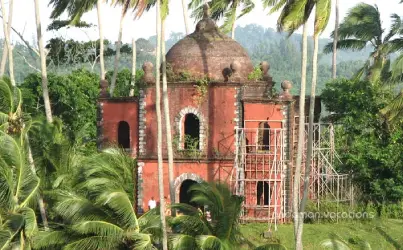
Ross Island’s primary attraction is exploring the atmospheric ruins of British colonial buildings, many dramatically entwined with massive banyan and ficus tree roots.
Chief Commissioner’s House (Government House):
The most prominent ruin, this two-story residence housed the island’s highest-ranking British official. Built in grand colonial style with spacious rooms, balconies, and commanding views, the structure now stands as a skeletal reminder of colonial authority. Massive tree roots have grown through walls and floors, creating a stunning visual spectacle. This building is where Netaji Subhash Chandra Bose stayed and hoisted the Indian flag in December 1943.
Presbyterian Church:
The church ruins remain hauntingly beautiful, with arched doorways, stone pillars, and remnants of the altar still visible. Banyan tree roots have completely engulfed much of the structure, creating a natural cathedral where tropical vegetation and colonial architecture merge. The church serves as the venue for the evening Light and Sound Show.
Officers’ Clubs & Ballrooms:
Ruins of social clubs where British officers and their families gathered for entertainment—tennis, billiards, dinner parties, and dances. Empty rooms that once echoed with colonial merriment now host peacocks and spotted deer wandering through broken doorways.
Hospital:
Remnants of the colonial-era hospital display crumbling medical facilities and patient wards. Information boards explain how this facility treated both British personnel and Indian workers, maintaining the colonial medical hierarchy.
Bakery & Commissariat Store:
Well-preserved compared to other structures, these buildings showcase where bread and supplies were stored for the island’s inhabitants. Visitors can walk through doorways and imagine the daily provisioning of colonial life.
Swimming Pool:
An open-air swimming pool, now empty and weathered, speaks to the luxury British officials enjoyed while political prisoners suffered across the water in Cellular Jail. The pool’s presence emphasizes the stark contrast between colonial privilege and imprisoned suffering.
Troop Barracks:
Rows of structures that housed British military personnel. The barracks layout reveals the organization and discipline of colonial military life.
Water Treatment Plant:
Impressive engineering remnants showing the advanced infrastructure that made Ross Island self-sufficient. Rusted pipes, treatment tanks, and mechanical systems demonstrate British technological prowess of the era.
Japanese Bunkers & WWII Remnants
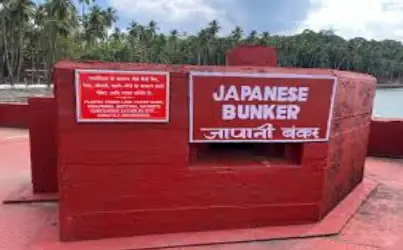
Scattered across Ross Island are concrete bunkers built by Japanese forces during their 1942-1945 occupation. These well-preserved fortifications offer a tangible connection to World War II history. Visitors can enter some bunkers, observing firing positions, ventilation systems, and strategic placements overlooking approach routes—designed to defend against Allied counterattacks that never materialized.
For more World War II history, explore other Japanese bunkers in Port Blair including those at Corbyn’s Cove Beach and Chatham Saw Mill.
Museums on Ross Island
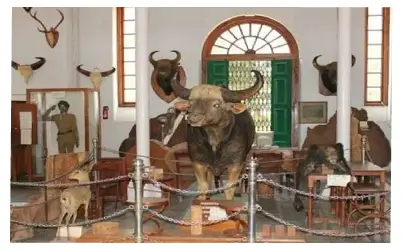
Ross Island Museum:
Housed in a partially restored colonial building, this museum presents the island’s history through:
Historical photographs documenting British colonial era
Maps showing Ross Island’s administrative layout
Artifacts recovered from ruins
Information panels explaining different historical periods
Displays about the 1941 earthquake and its impact
Documentation of Japanese occupation
Smritika Museum:
This second museum focuses on photographic documentation:
Black-and-white photographs of colonial life
Images of British officials and their families
Pre-earthquake views of intact buildings
Japanese occupation photographs
Post-independence documentation
Comparative then-and-now images
Museum Timings: Both museums follow the island’s general visiting hours and are included in standard island access.
Wildlife Sanctuary & Natural Beauty
Ross Island functions as a protected wildlife sanctuary managed by the Indian Navy, creating an unusual environment where history and nature coexist harmoniously.
Spotted Deer:
Ross Island’s most iconic residents, these friendly spotted deer (chital) roam freely throughout the island, completely accustomed to human presence. They graze near ruins, rest in building shadows, and approach visitors curiously. Photographers delight in capturing images of deer posing against colonial architecture—a surreal juxtaposition of wildlife and abandoned human structures.
Peacocks:
India’s national bird struts majestically through Ross Island’s ruins. During mating season (monsoon months), male peacocks display their magnificent tail feathers, creating spectacular photo opportunities against the backdrop of crumbling churches and Government House ruins.
Birdlife:
Various species including parrots, kingfishers, herons, and migratory birds inhabit Ross Island’s tropical vegetation. Birdwatchers appreciate the diversity, while casual visitors enjoy the constant soundtrack of birdsong accompanying their historical exploration.
Tropical Vegetation:
The island showcases dense tropical foliage including coconut palms, banyan trees, ficus plants, and various endemic species. The aggressive growth of banyan and ficus roots through colonial buildings creates Ross Island’s signature aesthetic—nature reclaiming human construction in dramatic fashion.
Light and Sound Show
Ross Island’s evening Light and Sound Show ranks among India’s most technologically advanced historical presentations, utilizing 3D mapping, laser effects, and dramatic narration to bring the island’s past to life.
Show Details:
Venue: Held at the atmospheric church ruins, with cutting-edge visual effects projected directly onto century-old stone walls and structures
Duration: Approximately 45-50 minutes
Timings:
First Show: 6:00 PM (Hindi)
Second Show: 7:15 PM (English)
Days: Daily except Mondays (subject to weather)
Ticket Price:
Adults: ₹50-100
Children: ₹25-50
Includes: Round-trip ferry from Port Blair
Creator: Renowned filmmaker and actress Revathi designed and conceptualized the show after living on Ross Island for several months researching its history.
Storyline: The show narrates Ross Island’s complete history—British colonial establishment, administrative life, the 1941 earthquake, Japanese invasion, Netaji Subhash Chandra Bose’s historic visit, and eventual abandonment. Emotional and educational, the presentation makes history accessible and engaging.
Experience: The combination of atmospheric ruins, tropical evening ambiance, historical narration, and cutting-edge visual technology creates a deeply moving experience. Many visitors report tears during scenes depicting India’s freedom struggle and colonial oppression.
Booking: Tickets typically include ferry transport from Port Blair (departing around 5:00-5:30 PM for the evening show) and return journey (arriving Port Blair around 7:30-8:00 PM). Book through Aberdeen Jetty ticket counters or authorized tour operators.
Lighthouse
A modern lighthouse constructed in 1977 stands at the northern end of Ross Island, built on an offshoot rock approximately 50 meters from the shoreline. Accessible during low tide, this 10-meter circular concrete tower represents an important milestone—it was the first lighthouse in India to use photovoltaic solar panels for battery charging, pioneering renewable energy in Indian maritime infrastructure.
While climbing is generally not permitted, the lighthouse provides an excellent photography backdrop and represents Ross Island’s transition from colonial past to modern Indian administration.
Ficus Curtain & Photo Opportunities
One of Ross Island’s most photographed features is the “Ficus Curtain”—massive aerial roots of ficus trees hanging like natural curtains from tree branches, creating an enchanting backdrop for photos. These root systems demonstrate nature’s patient reclamation of human construction.
Best Photo Spots on Ross Island:
Chief Commissioner’s House with tree roots
Church ruins with peacocks
Spotted deer posing near colonial doorways
Ficus curtain aerial roots
Swimming pool with overgrown vegetation
Bakery with intact colonial architecture
Officers’ club with banyan roots through walls
Visitor Information & Practical Details
Timings & Entry Fees
Ross Island Operating Hours:
Detail
Timing
Ferry First Departure
8:30 AM from Port Blair
Ferry Last Return
4:00-5:00 PM from Ross Island
Island Closing Time
5:00 PM (strict—visitors must leave)
Best Visit Time
Morning (9:00-11:00 AM) or late afternoon (3:00-5:00 PM)
Closed
During extreme weather, rough seas
Entry Fees:
Category
Fee
Ross Island Entry
FREE (No entry fee)
Ferry Ticket (Round Trip)
₹150-200 per person
Light & Sound Show
₹50-100 adults, ₹25-50 children
Camera
Personal use allowed free
Video Camera
Personal use allowed free
Note: Ross Island is under Indian Navy control (INS Jarawa). Valid photo ID required for entry registration.
Best Time to Visit Ross Island
By Season:
Season
Months
Weather
Conditions
Recommendation
Winter
Oct-Mar
20-28°C, pleasant
Calm seas, clear skies
Best overall experience
Summer
Apr-May
28-35°C, hot
Good, slightly rough seas
Morning visits recommended
Monsoon
Jun-Sep
25-30°C, rainy
Rough seas, ferry cancellations
Avoid if possible
Best Months: October to March offers ideal conditions with comfortable temperatures, calm seas, and lush vegetation following monsoon rains.
Best Time of Day:
Morning (9:00-11:00 AM): Cooler, better lighting, fewer crowds, spotted deer more active
Late Afternoon (3:00-5:00 PM): Golden hour photography, peaceful atmosphere, ideal for sunset views from ferry return
Arrive Early: First ferries (8:30 AM) offer cooler temperatures, better wildlife sightings (deer more active), and fewer crowds for unobstructed photography.
Combine with North Bay: Most ferries operate combined routes—maximize your boat journey by visiting both islands in one trip.
Hire a Guide: Local guides (₹100-300) provide detailed historical context, fascinating stories, and lead you to hidden spots easily missed independently.
Photography Golden Hours: Morning (9:00-10:00 AM) and late afternoon (4:00-5:00 PM) offer best natural lighting for photographing ruins and wildlife.
Respect the Ruins: Ross Island is a protected heritage site—don’t climb fragile structures, carve names, or remove any artifacts (illegal and damages preservation).
Wear Appropriate Footwear: Extensive walking on uneven surfaces, broken bricks, and root-covered pathways requires sturdy, comfortable shoes.
Stay Hydrated: Tropical heat and humidity can be intense, especially midday. Drink water regularly and take breaks in shaded areas.
Attend Light & Sound Show: If visiting in evening, don’t miss this technologically advanced presentation—it’s deeply moving and educational.
ID is Mandatory: Indian Navy requires valid photo ID for entry. Without ID, entry may be refused.
Wildlife Photography: Spotted deer and peacocks are accustomed to humans and make excellent photo subjects. Use telephoto lenses for close-ups without disturbing them.
Interesting Facts About Ross Island
Renamed for Netaji: In December 2018, Prime Minister Modi officially renamed Ross Island as Netaji Subhash Chandra Bose Island, honoring the revolutionary leader’s historic 1943 visit when he hoisted India’s tricolour flag.
Miniature England: Ross Island was nicknamed “Paris of the East” during British rule for its sophisticated infrastructure—ballrooms, tennis courts, swimming pool, and social clubs—all maintained in remote tropical isolation.
1941 Earthquake: A devastating earthquake on June 26, 1941, caused massive structural damage precipitating British evacuation. Many believe the earthquake was nature’s way of ending colonial occupation.
First Solar-Powered Lighthouse in India: Ross Island’s 1977 lighthouse was the first in India to use photovoltaic solar panels for battery charging, pioneering renewable energy in Indian maritime infrastructure.
Indian Navy Control Since 1979: The island has been under Indian Navy administration (INS Jarawa base) since 1979, balancing security needs with tourism and historical preservation.
Netaji’s Only Territory: The Andaman and Nicobar Islands represent the only Indian territory where Netaji Subhash Chandra Bose’s Provisional Government of Free India exercised symbolic control during WWII.
Nature’s Patient Reclamation: Banyan and ficus trees have slowly consumed colonial buildings over 75+ years, with massive roots growing through walls, floors, and roofs—creating Ross Island’s signature post-apocalyptic aesthetic.
Wildlife Sanctuary Status: Despite being an abandoned colonial settlement, Ross Island functions as a protected wildlife sanctuary with spotted deer, peacocks, and numerous bird species thriving among ruins.
Most Technologically Advanced Light & Sound Show: Ross Island’s evening show, designed by filmmaker Revathi, uses 3D mapping and laser effects superior to even the Cellular Jail’s renowned presentation.
Tsunami Protection: During the 2004 Indian Ocean tsunami, Ross Island’s geographical position and underwater topography helped shield Port Blair from the disaster’s full devastating impact.
Frequently Asked Questions (FAQs)
Q: What is Ross Island called now? A: Ross Island was officially renamed Netaji Subhash Chandra Bose Island (Netaji Subhash Chandra Bose Dweep) in December 2018 by Prime Minister Narendra Modi, honoring the revolutionary leader who visited the island in 1943 and hoisted the Indian tricolour flag as part of his Azad Hind government.
Q: How do I reach Ross Island from Port Blair? A: Take a ferry from Aberdeen Jetty at the Rajiv Gandhi Water Sports Complex in Port Blair. Boats depart from 8:30 AM onwards, taking 15-20 minutes. Round-trip ferry costs ₹150-200 per person. Most visitors book combined Ross + North Bay Island tours (₹750-1,500).
Q: What is the entry fee for Ross Island? A: There is NO entry fee for Ross Island—access is free. You only pay for the ferry ticket (₹150-200 round trip). The Light & Sound Show costs an additional ₹50-100 for adults and ₹25-50 for children, which includes ferry transport.
Q: What are Ross Island timings? A: First ferry departs Port Blair at 8:30 AM. The island closes at 5:00 PM sharp—all visitors must leave by then. Last return ferries typically run around 4:00-5:00 PM. Best visiting time is 9:00 AM-4:00 PM.
Q: What can I see at Ross Island? A: Ross Island features ruins of British colonial buildings (Chief Commissioner’s House, churches, officers’ clubs, hospital, bakery, swimming pool), Japanese WWII bunkers, two museums (Ross Island Museum and Smritika Museum), friendly spotted deer and peacocks, tropical vegetation with massive tree roots growing through ruins, a lighthouse, and an evening Light & Sound Show.
Q: How much time should I spend at Ross Island? A: Allocate 2-3 hours for thorough exploration of ruins, museums, and wildlife viewing. If attending the evening Light & Sound Show, add 2 hours including ferry time. Combined Ross + North Bay tours take 5-6 hours total.
Q: Is there a Light and Sound Show at Ross Island? A: Yes! Ross Island hosts one of India’s most technologically advanced Light and Sound Shows at 6:00 PM (Hindi) and 7:15 PM (English) daily except Mondays. The 45-50 minute show uses 3D mapping and laser effects on church ruins, narrating the island’s colonial history, Japanese occupation, and Netaji Subhash Chandra Bose’s visit. Tickets cost ₹50-100 and include ferry transport.
Q: Can I see wildlife on Ross Island? A: Yes! Ross Island is a wildlife sanctuary home to friendly spotted deer (chital) that roam freely among ruins, peacocks displaying magnificent tail feathers, and various bird species. The deer are completely accustomed to humans and make excellent photo subjects. Don’t feed the animals—observe respectfully from a safe distance.
Q: Are there Japanese bunkers on Ross Island? A: Yes, several well-preserved Japanese bunkers remain from the 1942-1945 occupation during World War II. These concrete fortifications feature firing positions, ventilation systems, and strategic placements. Visitors can enter some bunkers and explore their interiors, observing the military architecture designed to defend against Allied attacks.
Q: Do I need a permit to visit Ross Island? A: No special permit is required. However, Ross Island is under Indian Navy control (INS Jarawa), so you must present valid photo ID (Aadhar Card, passport, driver’s license) for security registration upon arrival. Without ID, entry may be refused.
Q: Is Ross Island suitable for families with children? A: Absolutely! Ross Island offers safe, educational experiences for families—exploring ruins, spotting wildlife (children love the deer and peacocks), learning history through museums, and enjoying nature walks. However, supervise children closely around ruins with uneven surfaces and open structures.
Q: What is the best time to visit Ross Island? A: October to March offers the best conditions with pleasant weather (20-28°C), calm seas, and lush vegetation. Visit in the morning (9:00-11:00 AM) for cooler temperatures and active wildlife, or late afternoon (3:00-5:00 PM) for golden hour photography. Avoid monsoon (June-September) when rough seas cancel ferries.
Q: Can I visit Ross Island during Andaman honeymoon packages? A: Yes! Many honeymoon couples include Ross Island for its romantic, atmospheric ruins perfect for photography, peaceful natural beauty, historical significance, and the enchanting evening Light & Sound Show. The combination of colonial architecture and tropical nature creates memorable backdrops for couple photos.
Q: Are there food facilities on Ross Island? A: Limited. A small cafeteria/bakery near the entry point sells basic refreshments (tea, coffee, snacks, packaged items). For meals, return to Port Blair where numerous restaurants offer diverse cuisines. Bring your own water bottle and snacks if you prefer.
Q: Can I stay overnight on Ross Island? A: No, overnight stays are not permitted. Ross Island is exclusively a day-trip destination with no accommodations. All visitors must leave by 5:00 PM sharp when the island closes. Accommodations are available in Port Blair, just 15-20 minutes away by ferry.
Q: What’s the difference between Ross Island and North Bay Island? A: Ross Island focuses on colonial history—British ruins, museums, Japanese bunkers, and wildlife—offering cultural and historical experiences. North Bay Island emphasizes marine activities—coral reefs, snorkeling, scuba diving, water sports—providing adventure and underwater exploration. Most visitors combine both in a single trip for diverse experiences.
Q: Why are trees growing through the buildings on Ross Island? A: After British evacuation in 1941 and abandonment post-WWII, tropical vegetation naturally reclaimed the island. Banyan and ficus trees sent aerial roots into buildings, which grew over decades into massive trunks breaking through walls and floors. This creates Ross Island’s iconic aesthetic—nature patiently reclaiming human construction.
Q: Is photography allowed on Ross Island? A: Yes, photography for personal use is freely permitted throughout most of Ross Island. However, certain military/Navy areas are restricted (clearly marked). The ruins, wildlife, museums, and landscapes are all excellent photography subjects. Bring extra batteries and memory cards—you’ll take many photos!
Q: Who was Ross Island named after? A: Ross Island was named after Sir Daniel Ross (1780-1849), a distinguished marine surveyor who conducted hydrographic surveys of the Andaman Islands in the 1850s. The island retained this name for over 160 years until being renamed Netaji Subhash Chandra Bose Island in 2018.
Q: Can I combine Cellular Jail and Ross Island in one day? A: Yes, this is a popular combination! Visit Ross Island in the morning (8:30 AM-12:00 PM), return to Port Blair for lunch, then explore Cellular Jail in the afternoon (2:00-5:00 PM), staying for the evening Light & Sound Show (6:00-7:00 PM). This creates a comprehensive historical tour of Port Blair.
Conclusion: Ross Island (Netaji Subhash Chandra Bose Island) offers one of India’s most unique historical experiences—a place where colonial grandeur meets tropical wilderness, where nature and architecture coexist in haunting harmony, and where visitors can walk freely through living history rather than viewing it behind glass. The dramatic ruins engulfed by massive tree roots create an almost mystical atmosphere that photographs can barely capture—you must experience it in person to truly appreciate its otherworldly beauty.
Beyond aesthetic appeal, Ross Island carries profound historical significance as witness to British colonial power, Japanese wartime occupation, and Netaji Subhash Chandra Bose’s symbolic triumph in hoisting India’s flag on liberated territory. The evening Light and Sound Show brings these stories to life with technological sophistication and emotional depth that moves even casual tourists.
The friendly spotted deer wandering through former British ballrooms, peacocks displaying among church ruins, and tropical vegetation reclaiming administrative offices remind us that human ambitions—no matter how grand—eventually yield to nature’s patient persistence. For anyone on an Andaman adventure, Ross Island provides essential context about the islands’ complex past while offering a peaceful, contemplative escape just 15 minutes from Port Blair’s bustling streets. This remarkable island deserves a prominent place on every Andaman itinerary—not just as another tourist attraction, but as a pilgrimage to a place where history, nature, and the human story intersect in profound and moving ways.
Travel Tourister is a leading Travel portal where we introduce travellers to trusted travel agents to make their journey hasselfree, memorable And happy. Travel Tourister is a platform where travellers get Tour packages ,Hotel packages deals through trusted travel companies And hoteliers who are working with us across the world. We always try to find new and more travel agents and hoteliers from every nook and corners across the world so that you could compare the deals with different travel agents and hoteliers and book your tour or hotel with the one you have chosen according to your taste and budget.




 Call
Call Enquiry