Samudrika Museum Port Blair: Complete Visitor Guide 2025-26
About Samudrika Museum
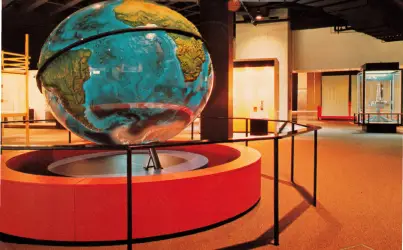
Samudrika Museum, officially known as Samudrika Naval Marine Museum, stands as one of Port Blair’s most educational and family-friendly attractions—a comprehensive museum managed by the Indian Navy that showcases the Andaman and Nicobar Islands’ remarkable marine biodiversity, indigenous tribal heritage, geographical uniqueness, and naval significance. The name “Samudrika” derives from “Samudra,” the Sanskrit word for “sea,” perfectly capturing the museum’s oceanic focus and its mission to create awareness about the rich marine ecosystems surrounding these islands.
Located in the Haddo area of Port Blair, approximately 9 kilometers from the city center, Samudrika Museum offers visitors an immersive journey through five distinct thematic sections—each room unveiling different facets of the Andaman experience. From vibrant coral specimens and exotic marine life to artifacts documenting indigenous tribes and naval history, the museum presents a holistic understanding of these islands that extends far beyond their picture-perfect beaches.
What distinguishes Samudrika Museum from typical tourist attractions is its educational depth combined with accessible presentation. Managed by the Indian Navy since its establishment, the museum maintains high standards of curation, information accuracy, and exhibit maintenance. The displays aren’t just visually appealing; they’re scientifically accurate and thoughtfully explained through information boards, making complex ecological concepts understandable for visitors of all ages and educational backgrounds.
The museum’s most iconic feature—a massive blue whale skeleton displayed prominently outside—immediately captures visitors’ attention and sets expectations for the wonders within. This skeleton, recovered from shores near the Nicobar Islands, belongs to a blue whale, Earth’s largest mammal, and serves as a powerful reminder of the oceanic giants that inhabit Andaman waters. Children and adults alike marvel at this skeletal structure, often spending considerable time photographing and studying it before entering the museum proper.
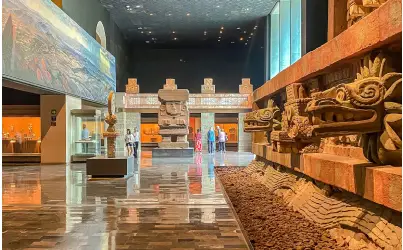
Inside Samudrika Museum, visitors encounter five carefully organized sections: Geography and Tribal Life (showcasing island formation, volcanoes, indigenous tribes), Marine Life and Aquarium (featuring live fish species, coral displays), Coral Room (extensive coral collection), History and Archaeology (documenting the islands’ past), and Naval History (highlighting the Indian Navy’s role). Each section builds upon the previous one, creating a comprehensive narrative that helps visitors appreciate not just the Andaman Islands’ surface beauty but their deeper ecological, cultural, and strategic significance.
Beyond exhibits, Samudrika Museum features a small but impressive aquarium housing regional marine species, a souvenir shop offering marine-themed handicrafts and educational materials, and a mini-zoo within the premises displaying saltwater crocodiles. The combination of static displays, live specimens, outdoor exhibits, and interactive elements creates a multi-dimensional learning experience that keeps visitors engaged throughout their visit.
For families traveling with children, Samudrika Museum represents one of Port Blair’s best educational stops. Children fascinate over colorful corals, watch fish swim in aquarium tanks, learn about tribal lifestyles, and gain environmental awareness—all while having fun. The museum successfully balances education with entertainment, making learning about marine conservation, biodiversity, and cultural heritage feel like adventure rather than classroom instruction.
For anyone planning an Andaman tour, Samudrika Museum deserves a place on your itinerary. It provides essential context about the islands’ marine ecosystems before you venture into snorkeling or scuba diving experiences, offers cultural understanding of indigenous tribes, and creates appreciation for the delicate balance between tourism development and environmental conservation that defines modern Andaman life.
Where Is Samudrika Museum Located & How to Reach
Location Details
Samudrika Museum is strategically positioned in the Haddo area of Port Blair, near the Andaman Teal House, approximately 9 kilometers from the city center and just 2 kilometers from the popular Aberdeen Bazaar shopping district.
Complete Address: Haddo Road, Near Andaman Teal House, Port Blair, Andaman and Nicobar Islands, 744102, India
GPS Coordinates: 11.6767° N, 92.7451° E
How to Reach Samudrika Museum
Transport Mode
Distance
Cost Range
Travel Time
Taxi from City Center
9 km
₹150-250
15-20 minutes
Auto-Rickshaw
9 km
₹100-150
20-25 minutes
Local Bus
9 km
₹10-20
25-35 minutes
Rented Two-Wheeler
9 km
₹300-500/day
15-20 minutes
From Aberdeen Bazaar
2 km
₹50-80 (auto)
5-10 minutes
By Taxi/Cab:
The most convenient option for tourists, taxis provide comfortable, direct transport to Samudrika Museum. Most drivers are familiar with the location, as it’s a well-known landmark. You can hire taxis through your hotel, at taxi stands, or via limited app-based services.
By Auto-Rickshaw:
Budget-friendly and readily available throughout Port Blair, auto-rickshaws offer an authentic local experience. Confirm fares before departure or insist on meter usage. The short distance makes this an economical choice for small groups.
By Local Bus:
The most economical transport option, local buses operate regular services from STS Bus Stand to Haddo. Ask conductors for the stop nearest to Samudrika Museum (often announced as “Naval Museum” or “Haddo”). Expect multiple stops along the route, extending travel time.
By Rented Two-Wheeler:
Popular among independent travelers, renting a scooter or motorcycle provides flexibility to explore at your own pace and combine Samudrika Museum with other nearby attractions like the Forest Museum and Chatham Saw Mill.
Walking Distance:
If staying in the Haddo area or near Aberdeen Bazaar (2 km away), Samudrika Museum is within comfortable walking distance for those who enjoy leisurely strolls.
Navigation Tips:
Well-signposted as “Samudrika Museum,” “Naval Museum,” or “Marine Museum”
Google Maps works reliably for navigation
Ask for “Indian Navy Museum” if local drivers seem unfamiliar
Located on Haddo Road—a main thoroughfare
Free parking available near museum entrance
From Other Islands:
If staying in Havelock Island or Neil Island, take a ferry to Port Blair’s Aberdeen Jetty. From there, Samudrika Museum is approximately 2-3 km away, easily reachable by taxi (₹80-120) or auto-rickshaw (₹60-100) in 10-15 minutes.
Samudrika Museum: Exhibits & Collections
Samudrika Museum is thoughtfully organized into five distinct sections, each offering unique insights into different aspects of the Andaman and Nicobar Islands.
Section 1: Geography & Tribal Life
This introductory room provides essential context about the islands’ formation, geography, and indigenous inhabitants.
Geographical Displays:
Island Formation: Learn how the Andaman and Nicobar Islands were formed through volcanic activity and tectonic plate movements millions of years ago. Detailed maps, diagrams, and geological samples explain this fascinating creation story.
Volcanic Activity: Exhibits document the volcanic history of the region, including information about Barren Island—India’s only active volcano located in the Andaman Sea. Models and photographs illustrate volcanic processes and their impact on island ecosystems.
Forest Types: Displays showcase the diverse forest ecosystems found across the islands—tropical evergreen forests, mangrove forests, littoral forests, and beach forests. Specimens of indigenous wood species like Padauk, Marble wood, and Gurjan are presented with detailed information.
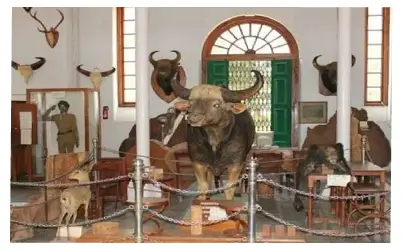
Flora & Fauna: Comprehensive exhibits feature the islands’ rich biodiversity including endemic plant species, medicinal herbs, butterflies (with specimen collections), snake species (preserved specimens), insects, and other wildlife unique to the Andaman ecosystem.
Tribal Exhibits:
Indigenous Tribes: Detailed documentation of the Andaman and Nicobar Islands’ indigenous populations—the Great Andamanese, Onge, Jarawa, Sentinelese, Shompen, and Nicobarese tribes. Information boards explain their traditional lifestyles, customs, languages, and current populations.
Tribal Artifacts: Authentic tools, weapons, pottery, jewelry, and household items used by these tribes provide tangible connections to their traditional way of life. Bows, arrows, fishing implements, and hunting tools demonstrate their survival skills.
Photographs: Historical and contemporary photographs document tribal life, traditional practices, habitation structures, and the challenges these communities face in maintaining their cultural identity amid modernization.
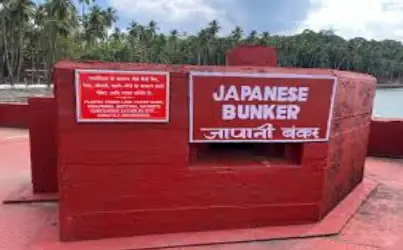
Currency Collection: An interesting display includes various currencies that have circulated in the islands, including rare Japanese War Currency from the 1942-1945 occupation period.
Section 2: Marine Life & Aquarium (Aqua Room)
This vibrant section immerses visitors in the underwater wonders of Andaman seas.
Live Aquarium:
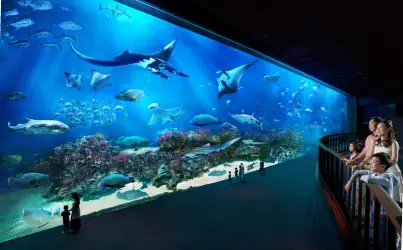
A well-maintained aquarium features regional marine species swimming in their simulated natural habitat. Visitors observe colorful reef fish including parrotfish, angelfish, butterflyfish, clownfish, damselfish, and various other species that inhabit Andaman’s coral reefs. The aquarium demonstrates the incredible biodiversity that makes these islands a premier diving destination.
Marine Life Specimens:
Preserved specimens and detailed information boards showcase the variety of marine creatures inhabiting Andaman waters:
Fish Species: Stonefish, pufferfish, lionfish, groupers, snappers, triggerfish
Sea Turtles: Information on green turtles, hawksbill turtles, olive ridley turtles, leatherback turtles
Mollusks: Various shell species, giant clams, nautilus
Conservation Messages:
Informative displays explain marine conservation efforts, threats to ocean ecosystems (pollution, overfishing, climate change), and the importance of protecting coral reefs and marine biodiversity. The museum effectively communicates environmental awareness messages that enhance visitors’ appreciation for responsible tourism.
Important Note: Feeding fish and using flash photography are strictly prohibited in the aquarium section to protect marine life.
Section 3: Coral Room
This specialized section houses one of Samudrika Museum’s most impressive collections—an extensive array of coral specimens showcasing the extraordinary diversity of Andaman’s coral reefs.
Coral Displays:
The Coral Room features dozens of coral specimens representing various species, growth forms, and colors:
Brain Corals: Massive, dome-shaped corals with distinctive grooved surfaces resembling human brains
Table Corals: Flat, plate-like structures that grow horizontally
Branching Corals: Tree-like formations with intricate branch patterns
Mushroom Corals: Solitary, free-living corals shaped like mushrooms
Elkhorn Corals: Large branching corals resembling elk antlers
Soft Corals: Flexible, tentacle-like structures that sway with currents
Educational Information:
Detailed boards explain coral biology, reef formation processes, symbiotic relationships (particularly with zooxanthellae algae), coral reproduction, and the critical role coral reefs play in marine ecosystems. Visitors learn that coral reefs support 25% of all marine species despite covering less than 1% of ocean floor—earning their designation as “rainforests of the sea.”
Conservation Focus:
The exhibits emphasize coral reef fragility, threats from climate change (coral bleaching), physical damage from anchors and tourist activity, and pollution. This section effectively conveys why “look but don’t touch” practices are essential when snorkeling or diving.
Shell Collection:
Alongside corals, the room displays an impressive variety of seashells in different sizes, colors, and patterns—conch shells, cowries, murex shells, scallops, and other mollusks that contribute to Andaman’s marine diversity.
Section 4: History & Archaeology
This section documents the islands’ historical timeline from prehistoric times through colonial rule to modern independence.
Historical Timeline:
Exhibits trace the Andaman and Nicobar Islands’ known history:
Prehistoric Period: Archaeological evidence of early human habitation
Medieval Period: References in ancient texts, Marco Polo’s accounts
Colonial Era: British establishment of penal colony (1858), use of Cellular Jail
World War II: Japanese occupation (1942-1945), Netaji Subhash Chandra Bose’s visit
Independence: Transfer to Indian administration (1947), development as Union Territory
Archaeological Artifacts:
Displays include pottery fragments, tools, and artifacts recovered from archaeological excavations across the islands, providing evidence of ancient human settlements and cultural practices.
Photographic Documentation:
Historical photographs show the islands’ transformation over decades—colonial-era Port Blair, tribal villages, infrastructure development, and significant historical events.
Section 5: Naval History & Indian Navy’s Role
This final section highlights the Indian Navy’s presence in the Andaman and Nicobar Islands and their strategic importance.
Naval Ship Models:
Meticulously crafted models of various Indian Navy vessels demonstrate the fleet’s diversity and technological capabilities. Each model comes with information about the ship’s specifications, role, and history.
Strategic Significance:
Exhibits explain why the Andaman and Nicobar Islands hold immense strategic value for India:
Location at the entrance to the Malacca Strait (vital international shipping lane)
Monitoring of Bay of Bengal maritime traffic
Naval base for regional security
Protection of India’s eastern maritime boundaries
Indian Navy Operations:
Information boards document the Navy’s various roles in the region—maritime security, disaster response (particularly after the 2004 tsunami), search and rescue operations, anti-piracy patrols, and humanitarian assistance.
Maritime Maps:
Detailed nautical charts and maps show shipping lanes, naval patrol zones, and the geographical relationship between the Andaman Islands and surrounding Southeast Asian nations.
Blue Whale Skeleton (Outdoor Exhibit)
The museum’s most iconic attraction—a massive blue whale skeleton—is displayed outside the main building, immediately visible upon arrival.
Specimen Details:
This skeleton belonged to a young blue whale (not fully mature, hence “baby blue whale” in some descriptions) that washed ashore on the Nicobar Islands’ coast. The Indian Navy recovered and preserved it for educational display at Samudrika Museum.
Blue Whale Facts:
Information boards near the skeleton explain:
Blue whales are Earth’s largest animals, reaching lengths of 100 feet and weights of 200 tons
They feed exclusively on tiny krill, consuming up to 4 tons daily
Their hearts weigh as much as automobiles
They’re endangered, with only 10,000-25,000 remaining worldwide
Their calls are the loudest sounds produced by any animal (188 decibels)
Photography Spot:
The skeleton serves as one of Port Blair’s most popular photo opportunities, with visitors posing beside the immense bones to capture scale and create memorable images.
Mini Zoo & Additional Features
Saltwater Crocodile Enclosure:
A small zoo within the museum premises houses several saltwater crocodiles (estuarine crocodiles)—massive reptiles that inhabit mangrove areas and coastal waters throughout the Andaman and Nicobar Islands. Information boards explain their biology, behavior, habitat, and conservation status.
Souvenir Shop:
The on-site shop sells marine-themed handicrafts, shell-based artifacts, tribal artwork replicas, educational books about marine life and Andaman history, postcards, and other memorabilia. Proceeds support museum operations and marine conservation efforts.
Information Videos:
Some sections feature short educational videos about Andaman’s flora, fauna, marine ecosystems, and tribal communities, providing audiovisual learning opportunities that complement static exhibits.
Visitor Information & Practical Details
Timings & Entry Fees
Samudrika Museum Operating Hours:
Day
Timing
Tuesday – Sunday
9:00 AM – 1:00 PM & 2:00 PM – 5:00 PM
Monday
Closed
Public Holidays
Closed
Last Entry
4:30 PM (afternoon session)
Entry Fees:
Category
Fee
Indian Nationals (Adults)
₹20-30
Foreign Tourists
₹50-100
Children (Below 5 years)
Free
Students
₹10-20 (with valid ID)
Camera (Still)
Generally allowed free
Video Camera
₹50-100 (check at entrance)
Note: Entry fees are subject to periodic revision. The museum accepts cash payments—carry sufficient cash as card facilities may be limited.
Best Time to Visit Samudrika Museum
By Season:
Season
Months
Weather
Crowd Level
Recommendation
Winter
October-March
20-28°C, pleasant
Moderate-High
Best overall experience
Summer
April-May
28-35°C, hot
Moderate
Morning visits recommended
Monsoon
June-September
25-30°C, rainy
Low
Indoor activity, good option on rainy days
Best Months: October to March offers comfortable weather for combining Samudrika Museum with outdoor Port Blair attractions.
Visit Before Underwater Activities: Tour Samudrika Museum before your first snorkeling or scuba diving trip. The coral and marine life exhibits provide context that significantly enhances your appreciation of what you’ll see underwater.
Allocate Sufficient Time: Don’t rush through the museum. Each of the five sections deserves attention, and hurrying diminishes the educational value. Plan for at least 2 hours.
Bring Children: Samudrika Museum is exceptionally child-friendly with colorful displays, live fish, giant skeleton, and interactive learning opportunities. Children often find it more engaging than adult-focused historical sites.
Read Information Boards: The detailed information boards throughout the museum contain fascinating facts often missed by visitors who only glance at exhibits. Take time to read and absorb.
Ask Questions: Museum staff and Indian Navy personnel managing the facility are knowledgeable and generally happy to answer questions or provide additional information about exhibits.
Visit Early: Arriving when the museum opens (9:00 AM) ensures smaller crowds, cooler temperatures, and more personal space to enjoy exhibits without feeling rushed.
Combine with Nearby Attractions: Samudrika Museum’s location makes it easy to combine with other Haddo-area attractions like Chatham Saw Mill, creating an efficient half-day cultural tour.
Photography Considerations: While photography is allowed, focus on experiencing the museum rather than just photographing it. Balance photo-taking with genuine observation and learning.
Souvenir Shopping: The museum shop offers quality marine-themed souvenirs and educational materials. These make meaningful gifts and support museum operations.
Rainy Day Option: Samudrika Museum serves as an excellent rainy-day activity when beach and outdoor plans are disrupted. Port Blair’s indoor attractions provide alternatives during inclement weather.
Interesting Facts About Samudrika Museum
Indian Navy Management: Samudrika Museum is managed and maintained by the Indian Navy, ensuring high standards of curation, security, and educational quality. It’s one of few tourist attractions in India directly operated by the armed forces.
“Samudrika” Etymology: The name derives from “Samudra” (Sanskrit for “sea” or “ocean”), perfectly encapsulating the museum’s oceanic and marine life focus.
Blue Whale Skeleton Origin: The impressive blue whale skeleton displayed outside was recovered from shores near the Nicobar Islands where it washed ashore. Its preservation and display required specialized techniques to prevent deterioration.
Five-Section Design: The museum’s five distinct thematic sections (geography/tribes, marine life, corals, history, naval significance) create a comprehensive narrative that covers every major aspect of Andaman life.
Live Aquarium Rarity: Samudrika Museum houses one of Port Blair’s few public aquariums featuring live regional marine species, offering landlocked visitors a preview of underwater biodiversity before snorkeling or diving.
Japanese War Currency: The museum’s currency collection includes rare Japanese War Currency issued during the 1942-1945 occupation—a tangible remnant of World War II history in the Andamans.
Coral Diversity Showcase: The Coral Room displays dozens of coral species, representing only a fraction of the 400+ coral species found in Andaman waters—one of the world’s richest coral reef ecosystems.
Educational Mission: Beyond tourism, Samudrika Museum serves an important educational function for local schools, with student groups regularly visiting for biology, ecology, and history lessons in a hands-on environment.
Conservation Messaging: The museum effectively communicates environmental conservation principles, helping visitors understand their responsibility as tourists to protect fragile marine ecosystems they’ll encounter during their Andaman travels.
Strategic Location: Positioned in Haddo (an area with several government and naval establishments), Samudrika Museum sits within a secure, well-maintained zone reflecting its Indian Navy management.
Frequently Asked Questions (FAQs)
Q: What is Samudrika Museum in Port Blair? A: Samudrika Museum, officially called Samudrika Naval Marine Museum, is an educational museum managed by the Indian Navy showcasing the Andaman and Nicobar Islands’ marine biodiversity, coral reefs, indigenous tribal culture, geography, history, and naval significance. The museum features five thematic sections, a live aquarium, coral displays, and a famous blue whale skeleton.
Q: Where is Samudrika Museum located? A: Samudrika Museum is located on Haddo Road in the Haddo area of Port Blair, near Andaman Teal House, approximately 9 km from the city center and just 2 km from Aberdeen Bazaar. It’s easily accessible by taxi, auto-rickshaw, bus, or rented two-wheeler.
Q: What are Samudrika Museum timings? A: Samudrika Museum is open Tuesday to Sunday from 9:00 AM to 1:00 PM and 2:00 PM to 5:00 PM. It’s closed on Mondays and public holidays. Last entry is at 4:30 PM in the afternoon session. Plan to arrive at least an hour before closing to explore properly.
Q: What is the entry fee for Samudrika Museum? A: Entry fees are approximately ₹20-30 for Indian nationals and ₹50-100 for foreign tourists. Children below 5 years enter free. Students receive discounts (₹10-20) with valid ID. Fees are subject to periodic revision—carry cash as card facilities may be limited.
Q: What can I see at Samudrika Museum? A: Samudrika Museum features five sections: (1) Geography & Tribal Life (indigenous tribes, island formation, volcanoes, flora/fauna), (2) Marine Life & Aquarium (live fish, marine specimens), (3) Coral Room (extensive coral collection), (4) History & Archaeology (timeline of islands), (5) Naval History (ship models, strategic significance). The famous blue whale skeleton is displayed outside.
Q: How much time should I spend at Samudrika Museum? A: Allocate 2-3 hours for a thorough visit covering all five sections, the aquarium, blue whale skeleton, and mini zoo. Quick tours take 1-1.5 hours but miss details. Families with children often spend 2-3 hours as kids engage deeply with colorful exhibits.
Q: Is photography allowed in Samudrika Museum? A: Yes, photography is generally allowed throughout most of the museum. However, flash photography is strictly prohibited in the aquarium section (disturbs fish), and some specific exhibits may restrict photography if marked. The blue whale skeleton outside is a popular photo spot.
Q: Is Samudrika Museum suitable for children? A: Absolutely! Samudrika Museum is one of Port Blair’s most child-friendly attractions. Children love the colorful corals, live fish in the aquarium, giant blue whale skeleton, and interactive learning opportunities. The museum successfully combines education with entertainment, making it engaging for all ages.
Q: What is the blue whale skeleton at Samudrika Museum? A: The blue whale skeleton displayed outside Samudrika Museum belonged to a young blue whale that washed ashore on the Nicobar Islands’ coast. Recovered and preserved by the Indian Navy, it serves as the museum’s most iconic exhibit and a powerful educational tool about Earth’s largest mammal.
Q: Can I visit Samudrika Museum during Andaman honeymoon packages? A: Yes, many couples include Samudrika Museum in their itinerary for its educational value and unique exhibits. While not traditionally romantic, it adds cultural depth to honeymoon trips. Couples interested in marine life, conservation, or photography particularly appreciate the museum’s displays and blue whale skeleton photo opportunities.
Q: How do I reach Samudrika Museum from Port Blair city center? A: Samudrika Museum is 9 km from Port Blair center, reachable in 15-25 minutes by taxi (₹150-250), auto-rickshaw (₹100-150), or local bus (₹10-20). From nearby Aberdeen Bazaar (2 km), take an auto for ₹50-80 or walk in 20-25 minutes.
Q: Are there food facilities at Samudrika Museum? A: No, Samudrika Museum has no restaurant or cafeteria—only a souvenir shop. For meals or snacks, visit nearby restaurants in Haddo or Aberdeen Bazaar (2 km away). Eating is not permitted inside exhibition halls, so plan meals before or after your visit.
Q: When is the best time to visit Samudrika Museum? A: October to March offers the best weather (20-28°C, pleasant) for combining Samudrika Museum with outdoor Port Blair attractions. Visit in the morning (9:00-11:00 AM) for smaller crowds and cooler temperatures. The museum serves as an excellent rainy-day activity during monsoon (June-September).
Q: Is there a mini zoo at Samudrika Museum? A: Yes, a small zoo within the museum premises houses several saltwater crocodiles (estuarine crocodiles) in secure enclosures. Information boards explain their biology, behavior, habitat, and conservation status. The crocodiles are native to Andaman’s mangrove areas and coastal waters.
Q: Should I visit Samudrika Museum before or after snorkeling/diving? A: Visit before your first underwater experience! Samudrika Museum’s coral and marine life exhibits provide essential context that significantly enhances your appreciation of what you’ll encounter while snorkeling or scuba diving. Understanding coral diversity and fish species beforehand makes underwater exploration more meaningful.
Conclusion: Samudrika Museum represents Port Blair’s most comprehensive educational attraction—a place where visitors gain deep understanding of the Andaman and Nicobar Islands beyond their picture-perfect beaches and azure waters. Managed with precision by the Indian Navy, the museum successfully balances scientific accuracy with accessible presentation, making complex ecological concepts understandable for visitors of all ages and backgrounds.
From the impressive blue whale skeleton greeting you outside to the vibrant coral displays within, from indigenous tribal artifacts documenting ancient cultures to live aquarium fish swimming in simulated reef environments, Samudrika Museum creates a multi-dimensional learning experience that enriches your entire Andaman journey. Children marvel at colorful exhibits while absorbing environmental conservation messages. Adults appreciate the historical context and naval significance. Photographers capture unique specimens and displays. Everyone leaves with enhanced awareness of marine biodiversity and cultural heritage.
For families, Samudrika Museum offers quality time learning together in an air-conditioned, comfortable environment. For solo travelers, it provides context that transforms subsequent beach visits from mere recreation into informed ecological appreciation. For couples on honeymoon packages, it adds intellectual depth to romantic beach getaways. For marine enthusiasts, it’s an essential pre-diving orientation.
Whether you’re planning to snorkel at North Bay Island, dive at Havelock, or simply sunbathe at Corbyn’s Cove, visiting Samudrika Museum first enhances every subsequent experience. You’ll recognize corals by type, identify fish by species, understand why “look but don’t touch” matters, and appreciate the delicate balance between tourism and conservation that defines modern Andaman life.
In a destination dominated by water sports and beach lounging, Samudrika Museum stands out as a place for the mind and heart—reminding us that true travel involves not just seeing beautiful places but understanding them. Don’t skip this gem in your Andaman adventure. Your brain will thank you, your underwater experiences will be richer, and your appreciation for these extraordinary islands will deepen immeasurably.
Travel Tourister is a leading Travel portal where we introduce travellers to trusted travel agents to make their journey hasselfree, memorable And happy. Travel Tourister is a platform where travellers get Tour packages ,Hotel packages deals through trusted travel companies And hoteliers who are working with us across the world. We always try to find new and more travel agents and hoteliers from every nook and corners across the world so that you could compare the deals with different travel agents and hoteliers and book your tour or hotel with the one you have chosen according to your taste and budget.




 Call
Call Enquiry