Viper Island Port Blair: Colonial Prison & Gallows Guide 2026
About Viper Island
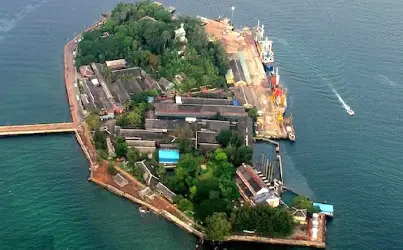
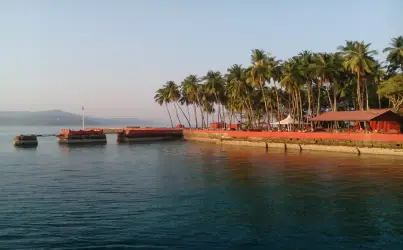
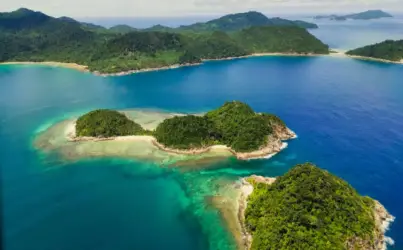
Viper Island stands as one of the most historically significant yet often overlooked destinations near Port Blair, serving as the Andaman Islands’ first British penal colony before the more famous Cellular Jail was constructed. Located just 4 kilometers west of Port Blair in the sheltered waters of the harbor, Viper Island tells a darker, more brutal chapter of India’s colonial history—a place where the British Empire first experimented with using these remote islands as punishment grounds for political prisoners and freedom fighters.
The island’s name derives from HMS Viper, the vessel commanded by Lieutenant Archibald Blair when he first surveyed the Andaman Islands in 1789. According to historical accounts, the ship met with an accident near this small island, giving it the haunting name that would later match its grim purpose. Today, Viper Island’s ruins—overgrown with tropical vegetation yet still standing as silent witnesses—create an atmospheric destination where history, nature, and somber reflection intersect in powerful ways.
Viper Island History: The First Penal Colony
Early Colonial Prison (1858-1867)
After the Indian Rebellion of 1857 (also called the First War of Independence), the British urgently needed secure locations to exile political prisoners far from mainland India where they couldn’t organize resistance. Viper Island became their first choice in the Andamans, with prison construction beginning shortly after Port Blair’s establishment as a penal settlement in 1858. The jail was completed between 1864-1867 under the supervision of Lieutenant Colonel Barnet Ford, the superintendent of the penal settlement.
“Viper Chain Gang Jail” Notorious Conditions
Viper Island earned the infamous nickname “Viper Chain Gang Jail” for its brutal treatment of prisoners. Freedom fighters and political dissidents were chained together in groups and confined at night with chains running through iron coupling rings. Solitary cells, lock-ups, stocks, whipping stands, and public flogging characterized the torture methods employed. Women prisoners were also held here, subjected to equally harsh conditions.
The Hilltop Gallows & Executions
At Viper Island’s highest point stood the gallows where executions were carried out publicly to intimidate other prisoners. The most famous execution occurred on March 11, 1872, when Sher Ali Afridi (also called Shere Ali Khan), a Pashtun from Peshawar, was hanged for assassinating Lord Mayo, the Viceroy of India, at Hope Town Jetty near Chatham Island on February 8, 1872. This high-profile execution brought international attention to Viper Island’s grim purpose.
Decline After Cellular Jail (1906)
When the larger, more systematically designed Cellular Jail opened in Port Blair in 1906, Viper Island’s importance declined rapidly. The jail was abandoned, left to decay under tropical weather and vegetation. The two-story red-brick structure collapsed to plinth level except for portions of the roof and outer walls, while the hilltop gallows building remained more intact—a temple-like structure that now serves as Viper Island’s most recognizable landmark.
What to See at Viper Island
Jail Ruins
The prison building near the jetty stands in partial ruins—walls crumbling, roof collapsed, nature reclaiming what humans built. Information panels with historical photographs line the path, providing context about the prisoners who suffered here and the brutal conditions they endured. Walking through these ruins creates powerful emotional responses as you imagine the fear, suffering, and resilience of those imprisoned.
Hilltop Gallows
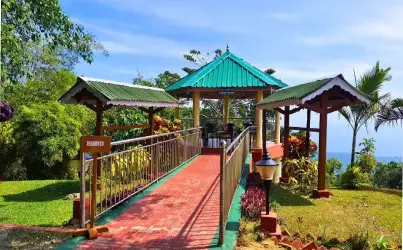
A signposted path leads uphill to the red-brick gallows building—the island’s centerpiece. This structure, better preserved than the lower prison ruins, offers panoramic views of Port Blair harbor, surrounding islands, and the azure Andaman Sea. Standing at the execution site where freedom fighters faced death creates sobering reflection about the price of independence.
Natural Beauty & Wildlife
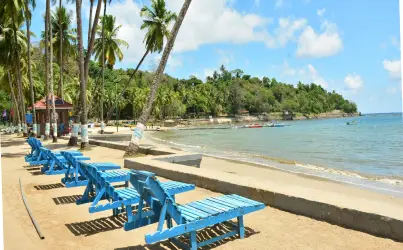
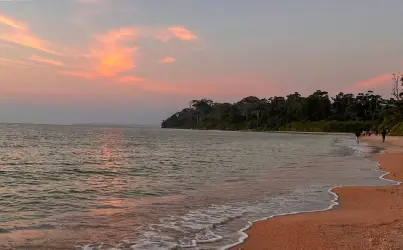
Despite its dark history, Viper Island today radiates natural beauty with lush vegetation, coastal views, and serene atmosphere. Spotted deer have been sighted roaming the island, while various bird species nest within the ruins. The contrast between historical brutality and present tranquility makes Viper Island uniquely atmospheric.
How to Reach Viper Island
Transport
Details
Cost
Duration
Ferry from Phoenix Bay Jetty
Regular boats
₹150-300 (round trip)
20-30 minutes
Harbor Cruise
Combines sightseeing
₹400-600
45 minutes
Private Boat Charter
For groups
₹2,000-4,000
20 minutes
Ferry Schedule: Boats depart from Phoenix Bay Jetty in Port Blair multiple times daily from 9:00 AM to 4:00 PM. Viper Island is often combined with Ross Island or North Bay Island tours.
Note: Access to Viper Island varies. While historically open to tourists, recent reports indicate limited or controlled access following cyclone damage and conservation efforts. Verify current accessibility before planning your visit with local travel agent in Andaman.
Visitor Information
Viper Island Timings:
Open: 6:00 AM – 5:00 PM (Monday-Sunday)
Best Visit Time: Morning (9:00 AM – 12:00 PM) or late afternoon (3:00-5:00 PM)
Entry Fee:
No entry fee for the island itself
Boat charges: ₹150-300 per person (round trip)
Duration: 1-1.5 hours sufficient for exploring ruins and gallows
Facilities: None—no restaurants, shops, or toilets. Pack water, snacks, sunscreen. Wear sturdy shoes for walking on uneven terrain.
Best Season: October to May offers calm seas and pleasant weather for boat rides and island exploration.
Tips for Visiting Viper Island
Verify Access: Check current accessibility status before planning—access restrictions may apply
Pack Essentials: Water, snacks, sunscreen, hat, insect repellent, first aid
Sturdy Footwear: Wear good walking shoes—terrain is uneven with roots and broken structures
Respect History: These are sacred grounds where freedom fighters died—maintain respectful behavior
Photography: Capture the atmospheric ruins but spend time reflecting, not just photographing
Stay on Paths: Overgrown areas may harbor snakes or unstable ruins
Group Travel: Visit with others for safety, especially during peak seasons
No Littering: Carry out all trash—keep this historical site pristine
Combine Tours: Most efficiently visited as part of combined island tours
Viper Island vs Other Port Blair Attractions
Viper Island vs Cellular Jail: Viper Island predates Cellular Jail and represents the earlier, more brutal phase of British penal punishment. While Cellular Jail is larger, better preserved, and more visited, Viper Island offers a rawer, less commercialized historical experience.
Combining Attractions: Viper Island pairs well with Ross Island (colonial ruins), North Bay Island (coral reefs), or Cellular Jail (freedom struggle history) for a comprehensive Port Blair historical tour.
Interesting Facts About Viper Island
Name Origin: Named after HMS Viper, Lt. Archibald Blair’s ship that wrecked near the island in 1789
First Penal Colony: Predated the famous Cellular Jail by nearly 50 years
Sher Ali Execution: Site of the famous 1872 execution of Lord Mayo’s assassin
Chain Gang System: Prisoners were literally chained together in groups—hence “Chain Gang Jail”
Women Prisoners: Unlike many historical prisons, women political prisoners were also held here
Natural Reclamation: Tropical vegetation has dramatically reclaimed the ruins over 115+ years
Wildlife Habitat: Spotted deer, birds, and other wildlife now inhabit this former prison
Cyclone Damage: Recent cyclones have further damaged structures, limiting tourist access
Dark Tourism: Viper Island represents “dark tourism”—visiting sites associated with death and suffering
Lesser-Known: Despite historical significance, Viper Island remains far less visited than Cellular Jail
FAQs About Viper Island
Q: What is Viper Island famous for? A: Viper Island is famous as the Andaman Islands’ first British penal colony (1858-1906), known for brutal treatment of Indian freedom fighters and political prisoners. The hilltop gallows where executions occurred, including the 1872 hanging of Sher Ali Afridi who assassinated Lord Mayo, make it historically significant.
Q: How do I reach Viper Island from Port Blair? A: Take a ferry from Phoenix Bay Jetty in Port Blair. The 20-30 minute boat ride costs ₹150-300 per person (round trip). Viper Island is often combined with Ross Island or North Bay Island tours for efficiency.
Q: Is Viper Island open to tourists? A: Access varies and may be restricted. Historically open, recent cyclone damage and conservation efforts have led to limited or controlled access. Verify current status with local tour operators or the tourism office before planning.
Q: What can I see at Viper Island? A: Viper Island features colonial prison ruins (cells, walls), the famous hilltop gallows where executions took place, information panels with historical photos, and panoramic harbor views. The atmospheric ruins overgrown with vegetation create a powerful historical experience.
Q: How long should I spend at Viper Island? A: 1-1.5 hours is sufficient to explore the jail ruins, walk to the hilltop gallows, read information panels, enjoy harbor views, and photograph the site. It’s a small island with limited structures.
Q: Is there an entry fee for Viper Island? A: No entry fee for the island itself, but boat charges apply (₹150-300 per person round trip from Phoenix Bay Jetty). Harbor cruise tours that include Viper Island cost more (₹400-600).
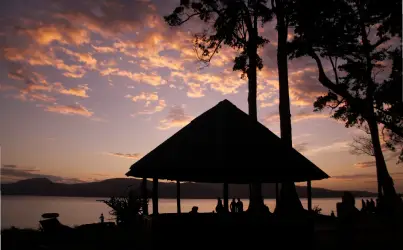
Q: When is the best time to visit Viper Island? A: October to May offers calm seas and pleasant weather. Visit during morning (9:00 AM-12:00 PM) for cooler temperatures and better light, or late afternoon (3:00-5:00 PM) for dramatic sunset views from the gallows.
Q: Are there facilities on Viper Island? A: None. The island has no restaurants, shops, toilets, or amenities. Pack sufficient water, snacks, sunscreen, and essentials. Wear sturdy walking shoes for uneven terrain.
Q: Can I visit Viper Island during Andaman honeymoon packages? A: While not traditionally romantic due to its somber history, some couples include Viper Island for its atmospheric ruins, historical significance, and unique photography opportunities. Most honeymooners prioritize beaches and marine activities instead.
Q: How does Viper Island compare to Cellular Jail? A: Viper Island predated Cellular Jail by 50 years and represents a more brutal, less systematic phase of colonial punishment. Cellular Jail is larger, better preserved, and more visited. Viper Island offers a rawer, less commercialized historical experience with atmospheric ruins.
Conclusion: Viper Island may lack the fame of Cellular Jail, but it holds profound historical significance as the Andaman Islands’ first penal colony where British colonial brutality was first tested on Indian political prisoners. The haunting ruins overgrown with tropical vegetation, the hilltop gallows overlooking tranquil waters, and the knowledge that freedom fighters suffered and died here create powerful emotional experiences. For history enthusiasts visiting Port Blair, Viper Island adds important context to understanding the complete story of the Andaman penal settlements—it’s where the nightmare began, decades before Cellular Jail became the more famous symbol of colonial oppression and resistance.
Travel Tourister is a leading Travel portal where we introduce travellers to trusted travel agents to make their journey hasselfree, memorable And happy. Travel Tourister is a platform where travellers get Tour packages ,Hotel packages deals through trusted travel companies And hoteliers who are working with us across the world. We always try to find new and more travel agents and hoteliers from every nook and corners across the world so that you could compare the deals with different travel agents and hoteliers and book your tour or hotel with the one you have chosen according to your taste and budget.






 Call
Call Enquiry