Published on : 13 Oct 2026
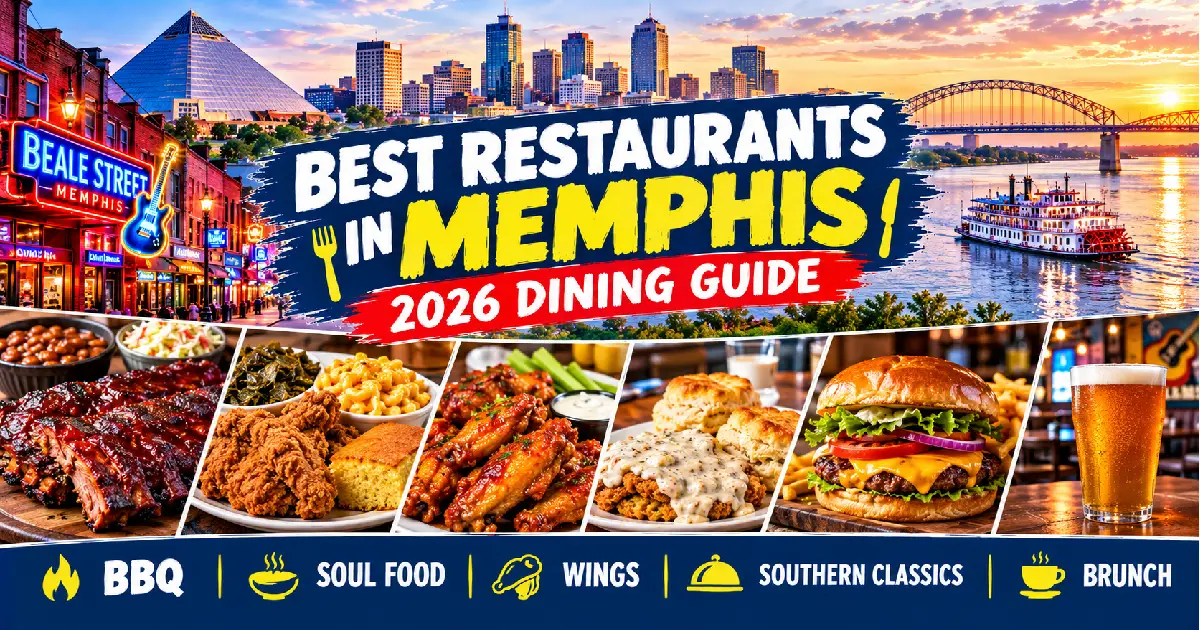
Memphis is a city where food is treated with the same reverence that music is, and the two traditions are deeply intertwined. This is a place where pitmaster families have been tending smokers for three and four generations, where the argument over dry-rub versus wet sauce is as passionately contested as any sports rivalry, and where a meal at the right barbecue joint is understood as a genuine cultural experience rather than just lunch. The Memphis food scene radiates outward from its barbecue foundation in fascinating directions — the city’s position at the crossroads of the Mid-South has made it a meeting point for Delta cuisine, Southern comfort cooking, and an increasingly vibrant contemporary dining scene driven by young chefs who grew up eating from these same smokers and church suppers.
What separates Memphis dining from other Southern food cities is the combination of deep tradition and genuine innovation happening in the same neighborhoods. You can eat lunch at a 75-year-old barbecue institution where nothing has changed since the Eisenhower administration and dinner at a James Beard–nominated restaurant working with the same regional ingredients through a completely different culinary lens. The city’s growing Midtown and South Main restaurant scenes attract national food media attention, yet the city’s culinary identity remains rooted in the honest, unpretentious cooking that has defined this place for a century.
The neighborhoods tell the story. Downtown and Beale Street offer tourist-friendly dining with genuine quality at anchors like Rendezvous. Midtown’s Cooper-Young and Overton Square neighborhoods host the city’s most creative independent restaurants. The South Main Arts District combines neighborhood cafés with destination-worthy restaurants. And throughout the city, you’ll find the kinds of family-owned ethnic restaurants — Vietnamese in the medical district, Lebanese bakeries in East Memphis, Indian spots near the university — that thrive in cities where hospitality is a deeply ingrained cultural value. Whatever you’re looking for, Memphis will feed you well.
| Category | Details |
|---|---|
| Must-Try Dish | Memphis dry-rub ribs (Rendezvous or Cozy Corner) |
| Best BBQ Joint | Rendezvous (dry-rub legend) or Cozy Corner (neighborhood classic) |
| Best Fine Dining | Flight Restaurant or Acre |
| Best Breakfast | Brother Juniper’s (Midtown) |
| Best Budget Meal | Central BBQ or Gus’s World Famous Fried Chicken |
| Tipping Culture | Standard 18–20%; BBQ counter service 10–15% |
| Reservations | Required for Flight, Acre, Folk’s Folly; BBQ joints walk-in only |
| Dry County Note | Memphis sells alcohol; some suburban counties do not |
The Legendary Basement Cathedral of Dry-Rub Ribs
Charlie Vergos opened the Rendezvous in 1948 in a basement beneath an alley off Union Avenue in downtown Memphis, and 75 years later it remains the most famous barbecue restaurant in a city that takes its barbecue more seriously than any other in America. What Rendezvous does is technically not traditional barbecue — the ribs are cooked over direct charcoal heat rather than smoked low and slow — but the result is so distinctly, specifically delicious that arguing the semantics feels beside the point. The signature dry rub, applied directly to the ribs before cooking, is a proprietary blend of spices that the Vergos family has guarded for three generations.
The restaurant itself is an experience: the narrow staircase descending into the brick basement, the walls covered in decades of memorabilia, the enormous charcoal pit visible from the dining room, the white-jacketed servers who have worked here for decades and handle the chaos with practiced efficiency. The rib plates arrive piled high, and the proper way to eat them is with your hands, stripping the perfectly cooked meat from the bone while the charcoal-and-spice crust crackles against your teeth. The sides — baked beans, coleslaw — are secondary to the ribs but solid. This is a required Memphis pilgrimage.
The Neighborhood BBQ Institution Since 1977
While Rendezvous gets the national headlines, Memphis locals will tell you about Cozy Corner. Founded by Raymond and Desiree Robinson in 1977 in a north Memphis neighborhood far from the tourist circuit, Cozy Corner represents the other Memphis BBQ tradition: the neighborhood joint that has been feeding the community for two generations without changing a single thing. The signature item is the Cornish hen — a whole small chicken smoked to extraordinary tenderness and served with sauce that balances sweetness and heat in a way that’s become legendary among Memphis food obsessives.
The pulled pork is exceptional and the ribs are superb, but the Cornish hen is what makes Cozy Corner unique in a city full of great barbecue. The restaurant moved to a new location on North Parkway in 2019 after more than forty years at the original spot, but the food is unchanged. The space is utilitarian — this is a counter-service lunch spot, not a dining room experience — and the prices are remarkably modest. Be aware that Cozy Corner sells out of its best items by early afternoon and closes when the food is gone. Arrive before noon for the best selection.
Memphis BBQ for the People
Central BBQ is the Memphis barbecue chain that gets the balance right — genuine quality, affordable prices, convenient locations across the city, and hours that work for actual human beings rather than the limited schedules of the legendary joints. With multiple Memphis locations, Central BBQ is where Memphians go for a Tuesday lunch barbecue fix when they can’t wait until Friday for Rendezvous. The pulled pork nachos have developed a cult following that transcends the restaurant’s casual positioning.
The barbecue itself is legitimately excellent: the pork ribs are smoked low and slow with both dry and wet options, the pulled pork sandwich is a generous pile of tender meat on a toasted bun, and the smoked wings are arguably the best item on the menu and dangerously easy to over-order. The sides — particularly the smoked potato chips and the banana pudding — are better than chain-restaurant sides have any right to be. Central BBQ represents the accessible face of Memphis barbecue tradition, the place to start your Memphis food education before progressing to the more demanding scheduling requirements of the legendary joints.
A Tennessee Fried Chicken Legend
Gus’s World Famous Fried Chicken began in Mason, Tennessee (30 miles east of Memphis) in the 1950s when Napoleon “Na” Vanderbilt developed what he believed was the perfect fried chicken recipe. His son Gus inherited the recipe and the restaurant, and when Gus’s son expanded to a Memphis location in the early 2000s, the national food media discovered something that Tennesseans had known for decades. The chicken is remarkable: the crust is thin and shattering, deeply seasoned with a spice mix that includes cayenne, and the meat inside is juicy and perfectly cooked. It is genuinely some of the best fried chicken in America.
The Memphis location on South Front Street in the South Main Arts District has become a destination restaurant, drawing long lines on weekends and attracting visitors from around the world. But the experience remains resolutely unpretentious — paper-lined baskets, plastic utensils, communal tables, ice-cold beer in cans. The menu is simple: chicken (mild or hot), sides (baked beans, coleslaw, potato salad), and beer or sweet tea. Arrive early or expect to wait. The wait is worth it.
Memphis Fine Dining at Its Best
Flight Restaurant and Wine Bar in East Memphis has been the city’s premier fine dining destination since 2007, offering a globally influenced menu designed around the concept of sharing small tasting portions — “flights” of three small plates allow diners to try multiple preparations of each ingredient category. The wine list is exceptional, one of the most comprehensive in Memphis, and the sommelier staff is knowledgeable without being pretentious. The dining room, with its sleek contemporary design and intimate lighting, feels genuinely sophisticated.
The food lives up to the setting. Chef Phillip Dewayne Robinson brings technical refinement to ingredients sourced primarily from the Mid-South region, creating dishes that feel simultaneously luxurious and grounded. The tasting flight format encourages adventurous ordering and makes for a memorable evening of discovering unexpected flavor combinations. The service is attentive and professional in the manner of a well-run high-end restaurant without the stiffness that sometimes afflicts formal dining. For a special-occasion meal in Memphis, Flight is the answer.
The Best Breakfast in Memphis
Brother Juniper’s in Midtown Memphis has been serving breakfast and brunch since 1986, and in a city serious about its morning meal, it has occupied the top position in local affection for nearly four decades. The restaurant occupies a converted house on a quiet Midtown street, and the interior retains the feel of a home — mismatched furniture, local art on the walls, the warm chaos of a genuinely popular neighborhood institution. The waits on weekend mornings are legendary and entirely worth it.
The menu covers all of breakfast’s greatest hits with exceptional execution: the French toast is made with thick-cut brioche and served with fresh fruit; the omelets are perfectly set and generously stuffed; the grits are stone-ground and properly buttered. But Brother Juniper’s signature dish is the egg scrambles — generous combinations of eggs, vegetables, and proteins that can be customized into infinite variations. The coffee is strong and kept refilled. The staff, many of whom have worked here for years, is warm and efficient in that particular way of people who genuinely love their restaurant.
Farm-to-Table Memphis
Acre Restaurant in East Memphis represents Memphis’s farm-to-table movement at its most serious and accomplished. Chef/owner Andrew Adams sources ingredients aggressively from Tennessee and Mid-South farms, changing the menu weekly to reflect what’s available from his network of producers. The result is cooking that feels genuinely seasonal in a way that many restaurants claiming that distinction don’t quite achieve — when the Shelby County tomatoes are perfect in August, they’re everywhere on the menu; when the weather turns, so does the cooking.
The intimate dining room in a converted bungalow seats around 60, and the atmosphere is warm and personal. The cocktail program uses house-made bitters, infusions, and preserved ingredients alongside local spirits to create drinks that complement the food. The tasting menu, offered on weekend evenings, is one of Memphis’s best culinary experiences. Acre is particularly beloved by Memphians who appreciate serious cooking without formality — the atmosphere is relaxed and welcoming even when the food is technically ambitious.
Memphis’s Oldest Diner Since 1919
The Arcade Restaurant on South Main Street opened in 1919, making it the oldest restaurant in Memphis, and the interior looks like a movie set for a 1950s diner — which is precisely why it has appeared in numerous films shot in Memphis, including Jim Jarmusch’s Mystery Train and various Elvis-related productions (Elvis himself was a regular, and his booth is marked). The pressed tin ceiling, the U-shaped counter, the vinyl booths, and the neon signs create an atmosphere that is entirely authentic because it has never been renovated to look authentic.
The food is the kind of honest American diner cooking that sustains you through a day of sightseeing without demanding attention: eggs done right, pancakes as large as your head, lunch plates of meat and vegetables that constitute actual meals. The sweet potato pancakes have become the Arcade’s signature dish, a slightly sweet, amber-colored pancake that tastes of fall regardless of the season. The coffee is diner coffee — inexhaustible, unapologetic, perfect. This is a South Main Arts District institution and the ideal breakfast spot before a morning at the National Civil Rights Museum.
Outdoor Dining on the Wolf River
Loflin Yard occupies a converted industrial property along the Wolf River Harbor in downtown Memphis, with an expansive outdoor patio that makes it one of the most distinctive dining environments in the city. The combination of exposed brick, string lights, fire pits, lawn games, and river views creates an atmosphere that works equally well for afternoon drinking and evening dining. The menu runs to elevated bar food — excellent smash burgers, creative flatbreads, solid shareables — but the food is more serious than the setting might suggest.
The cocktail program is one of Memphis’s strongest, with a particular emphasis on whiskey (appropriate for a Tennessee bar) and seasonal fruit-forward drinks that change with what’s available locally. The outdoor space is heated in cooler months, making Loflin Yard a year-round option, and the dog-friendly policy makes it a neighborhood favorite for Memphis’s substantial dog-owner population. For a casual evening that starts with afternoon drinks and ends with dinner, Loflin Yard is one of Memphis’s most reliably enjoyable options.
The Memphis Restaurant That Changed Everything
Hog & Hominy in East Memphis is the restaurant that demonstrated to the national food media that Memphis could sustain genuinely innovative dining beyond its barbecue tradition. Chefs Michael Hudman and Andrew Ticer, who grew up in Italian American Memphis families, created a restaurant that fuses Southern ingredients with Italian cooking traditions in a way that has earned them multiple James Beard Award nominations and national recognition. The pizza — thin-crust, wood-fired, topped with combinations like roasted pork and rapini or local honey and walnuts — is some of the best in the South.
The pasta program is equally serious: housemade noodles in preparations that honor their Italian origins while incorporating ingredients like smoked pork jowl, field peas, and Delta hot sauce. The wine list, focused on Southern Italian producers, pairs beautifully with the food. The atmosphere is loud and lively — this is a neighborhood restaurant that takes its cooking seriously without taking itself seriously. Hog & Hominy has spawned a Memphis restaurant empire (Hudman and Ticer now operate multiple acclaimed Memphis restaurants) and can be credited with accelerating the city’s contemporary dining scene.
Downtown Memphis Classic
The Majestic Grille occupies a space that has been a Memphis dining institution in various forms since 1913, currently operating in a beautifully restored space on Main Street that uses the historic building to magnificent effect. The menu covers the American brasserie canon — oysters, steaks, chops, fish — with consistent quality and the kind of professional service that has made the Majestic a reliable choice for downtown business dining and celebratory meals for decades. The bar program is excellent and the happy hour is one of downtown Memphis’s best.
The Majestic’s strongest suits are the raw bar (fresh Gulf Coast oysters, shrimp cocktail) and the steaks, which are properly aged and cooked with the respect that good beef deserves. The wine list is extensive and well-chosen across multiple price points. The dining room, with its exposed brick, pressed tin ceilings, and period details, is one of the most attractive in downtown Memphis. For visitors who want a reliable, upscale downtown dinner option before or after an evening on Beale Street, the Majestic delivers.
Cooper-Young Cocktail Destination
Alchemy in the Cooper-Young neighborhood is Memphis’s definitive craft cocktail bar, a place serious enough about its drinks program to have trained its bar staff in classic cocktail techniques while maintaining the unpretentious, neighborhood-friendly atmosphere that makes Cooper-Young special. The cocktail menu rotates seasonally and features both classic preparations and original creations, with a commitment to quality ingredients including house-made syrups, fresh-squeezed juices, and small-batch spirits.
The food program is excellent for a bar — elevated bar snacks and small plates that complement the cocktails and sustain a long evening of drinking without the full commitment of a dinner restaurant. The room is intimate and can get crowded on weekend nights, but the noise level is managed and conversation remains possible. Alchemy functions as Cooper-Young’s living room, a gathering place for the neighborhood’s creative community that welcomes visitors without making them feel like they’ve accidentally wandered into a private party.
Contemporary Southern in Midtown
Sweet Grass in Midtown Memphis is the restaurant that best captures what contemporary Southern cooking looks and tastes like when executed with skill and respect for tradition. Chef Ryan Trimm works with producers from the Mid-South to create menus that honor the region’s culinary heritage through a contemporary lens — catfish prepared with more refinement than a fish house but with the same fundamental respect for the ingredient; field peas and greens treated as the sophisticated ingredients they actually are. The dining room, in a converted house, is warm and intimate.
The weekend brunch at Sweet Grass is one of the most beloved in Memphis, with a menu that extends the dinner kitchen’s ambitions into brunch territory — biscuits made from scratch, eggs Benedict with local country ham, shrimp and grits with genuinely complex flavor. The cocktail program is solid, particularly the Bloody Mary, which is made with house-pickled vegetables and local hot sauce. For visitors who want to understand where Memphis food is heading, Sweet Grass is the answer.
The Other Half of Memphis’s Italian Revolution
Andrew Michael Italian Kitchen is the flagship restaurant of the Andrew Ticer and Michael Hudman empire, a more formal expression of the Italian American Memphis cooking that made Hog & Hominy famous. The restaurant’s cooking is deeply rooted in the chefs’ Italian American family heritage — their grandmothers both cooked the food that ultimately informed the menu — while incorporating the finest available regional ingredients and the technical refinements of contemporary professional cooking. The pasta is among the best in any Southern city.
The dining room is more intimate and quieter than Hog & Hominy, better suited for a special dinner where conversation is the point as much as the food. The service is polished and attentive. The tasting menu showcases the kitchen’s range, from light vegetable preparations to the hearty braises and ragùs that form the soul of the cooking. The wine list, with its strong Italian focus and exceptional representation of Southern Italian producers, is one of the best in Memphis.
Memphis Drive-In BBQ Since 1952
Tops Bar-B-Q is Memphis’s beloved barbecue drive-in chain, operating since 1952 and occupying a unique position in the city’s food culture as the place where generations of Memphians have eaten their most casual barbecue meals. The chain has multiple locations across the city and operates on the drive-in model — pull up, order through the window, eat in your car or at one of the outdoor tables. The pork sandwich is the signature: pulled pork on a toasted bun with your choice of sauce and a paper cup of slaw on the side.
Tops represents the unpretentious, democratic face of Memphis barbecue — not a pilgri destination or a fine dining experience, but the kind of place where the food is genuinely good and the prices are honest and the service is efficient. For a quick lunch barbecue fix between sightseeing stops, Tops is exactly right. The onion rings are excellent. The milkshakes are thicker than seems physically possible. This is Memphis fast food at its most characteristically local.
Memphis’s Classic Steakhouse
Folk’s Folly Prime Steakhouse has been Memphis’s definitive steakhouse since 1977, a white-tablecloth institution in East Memphis that has maintained its position at the top of the city’s carnivore hierarchy through four decades of changes in the restaurant business. The dry-aged beef is sourced from premium producers and handled with the care that separates a serious steakhouse from a chain — the ribeyes and strip steaks arrive at the table with the sear and interior temperature that only comes from practice and proper equipment.
The dining room is formal in the comforting way of classic American steakhouses: dark wood paneling, leather booths, candlelit tables, wine presented in proper stemware. The service staff has been there for years, in many cases decades. The wine list is deep in California Cabernets and classic Bordeaux, exactly appropriate for the food. Folk’s Folly is where Memphis businesspeople close deals, where families celebrate anniversaries, and where food-savvy visitors go when they want to escape the barbecue circuit for an evening of straightforward American luxury.
A Memphis Original in a Converted Salon
The Beauty Shop occupies the actual former beauty salon that Priscilla Presley used to visit in the 1960s, a fact that tells you something about the restaurant’s relationship to Memphis history. The original salon chairs have been incorporated into the décor alongside other period elements, creating a dining room that is simultaneously quirky and genuinely attractive. The menu is creative American cooking with global influences — the kind of intelligent, unpretentious cooking that characterizes the best neighborhood restaurants in American food cities.
Chef Karen Carrier, who also owns another Overton Square institution (Do Sushi), built a career on making serious food accessible and fun. The Beauty Shop’s menu changes seasonally and features preparations that demonstrate real kitchen skill without the formality of fine dining. The brunch program is particularly popular, with creative egg dishes and some of the best cocktails (the Bloody Mary is a Memphis legend) in the city. The outdoor patio is one of Midtown’s most pleasant dining environments in good weather.
Pacific Rim Cuisine in Cooper-Young
Tsunami has been one of Memphis’s most distinctive restaurants since 1998, offering Pacific Rim–influenced cooking in the Cooper-Young neighborhood. Chef Ben Smith was a pioneer in bringing genuinely global flavors to Memphis at a time when the city’s restaurant scene was more limited, and the restaurant has maintained its relevance through consistent execution and ongoing menu evolution. The tuna tataki, the crispy duck, and the miso-glazed salmon have appeared on the menu for years because they’re that good.
The dining room manages to feel both intimate and lively — the narrow space fills up quickly on weekend evenings, and the noise level reflects a room full of people genuinely enjoying themselves. The sake list is one of the most comprehensive in Memphis. The cocktail program incorporates Asian-inspired ingredients (lychee, ginger, yuzu) effectively. Tsunami represents the cosmopolitan face of Memphis dining — proof that the city’s culinary ambitions extend well beyond its legendary barbecue tradition.
Memphis’s Best Coffee Shop
Tamp & Tap in the South Main Arts District occupies a beautiful corner space with exposed brick and enormous windows, serving some of the best coffee in Memphis alongside a food menu that elevates the café concept into something genuinely restaurant-worthy. The espresso program uses carefully sourced single-origin beans and demonstrates genuine technical skill, producing drinks that reward coffee enthusiasts while remaining approachable for those who just need a good latte. The cold brew is exceptional.
The food menu covers breakfast and lunch with the kind of care that most coffee shops reserve for their drinks. The grain bowls are substantial and satisfying; the egg sandwiches are made with quality ingredients; the pastries are baked fresh. The space serves as a neighborhood gathering point for the South Main creative community — on any given morning you’ll find architects working on plans, musicians writing songs, and neighborhood regulars who have claimed their regular tables. For a morning coffee stop before the National Civil Rights Museum, Tamp & Tap is the perfect beginning to a South Main day.
Delta-Style Catfish Done Right
Soul Fish Café in Cooper-Young is the best place in Memphis to eat Delta-style fried catfish, a dish so important to the regional food culture that it deserves its own restaurant category. The catfish arrives in a cornmeal crust that is crisp and perfectly seasoned, the flesh inside sweet and mild in the way that fresh, properly handled catfish can be. The hush puppies, the coleslaw, and the tartar sauce are all made in-house and all excellent. This is what fish fry culture in the Mississippi Delta actually tastes like.
Soul Fish also serves excellent shrimp, grilled fish, and a rotating selection of non-fish options for those who need them, but the catfish is the reason this restaurant exists and the reason to come. The atmosphere is casual and welcoming — a neighborhood restaurant that happens to serve the definitive version of a regional specialty. The prices are remarkably affordable given the quality. For visitors who want to understand Delta food culture beyond barbecue, Soul Fish is essential.
Dry-Rub vs. Wet Sauce: Memphis BBQ traditionally features dry-rub ribs (seasoned with spice rub, no sauce applied during cooking) and wet-sauced options. Rendezvous is the dry-rub temple; most other joints offer both. Try dry first before adding sauce to understand the full flavor.
BBQ Timing: Rendezvous doesn’t open until 4:30pm on weekdays. Cozy Corner closes when sold out, often by 2pm. Central BBQ is available all day. Plan your BBQ meals accordingly.
The Delta Hot Tamale: Memphis’s most surprising food tradition is the hot tamale — small, dense tamales with a spicier filling than Mexican tamales, sold from street carts and at the farmers market. Try them at the Memphis Farmers Market at Central Station.
Sunday Closures: Several of Memphis’s best restaurants are closed Sunday and/or Monday. Check hours carefully before planning Sunday or Monday meals.
Neighborhood Eating: Midtown (Cooper-Young, Overton Square) is the city’s best restaurant neighborhood for variety and walkability. Downtown is convenient but more tourist-oriented. East Memphis has the high-end options. South Main is growing fast.
Posted By : Vinay
Latest Article
2nd Floor, 39, Above Kirti Club, DLF Industrial Area, Kirti Nagar, New Delhi, Delhi 110015



Travel Tourister is a leading Travel portal where we introduce travellers to trusted travel agents to make their journey hasselfree, memorable And happy. Travel Tourister is a platform where travellers get Tour packages ,Hotel packages deals through trusted travel companies And hoteliers who are working with us across the world. We always try to find new and more travel agents and hoteliers from every nook and corners across the world so that you could compare the deals with different travel agents and hoteliers and book your tour or hotel with the one you have chosen according to your taste and budget.
Copyright © Travel Tourister, India. All Rights Reserved

 Call
Call Enquiry