Sea walking, also known as sea bed walking or underwater walking, is a revolutionary water activity that enables participants to walk on the seabed while wearing a specially designed helmet. Unlike scuba diving or snorkeling, sea walking requires no prior training, swimming skills, or diving certification. The activity allows you to experience the underwater world in its natural glory while maintaining normal breathing and clear visibility.
The concept originated in the early 2000s and has since become one of the most popular tourist attractions in coastal destinations worldwide. In the Andaman Islands, sea walking has emerged as a must-try activity for visitors seeking to explore the rich marine biodiversity of the Bay of Bengal without the complexities of traditional diving.
Sea walking operates on a simple yet ingenious principle that makes underwater exploration accessible to everyone. Here’s how the process works:
The Helmet System: Participants wear a specialized helmet that weighs approximately 35-40 kilograms. This heavyweight helmet is designed to stay firmly on your shoulders without requiring you to hold it. The helmet has a clear acrylic face shield that provides 180-degree visibility, allowing you to observe the underwater environment clearly.
Air Supply Mechanism: The helmet is connected to the surface boat through a long air hose. A compressor on the boat continuously pumps fresh air into the helmet, ensuring a constant supply of oxygen. The air pressure inside the helmet is maintained at a level that keeps water from entering while allowing you to breathe normally through your nose and mouth.
Walking Platform: You descend into the water using a ladder and walk on a pre-designated underwater platform or the natural seabed. The depth typically ranges from 12 to 20 feet, depending on the location. Trained instructors accompany you throughout the experience, guiding you and ensuring your safety.
Communication: While verbal communication is limited underwater, instructors use hand signals to communicate. You’re briefed about these signals before the dive, making it easy to understand instructions during the walk.
North Bay Island stands as the most popular and accessible destination for sea walking in the Andaman Islands. Located just 30 minutes by boat from Port Blair, this island offers crystal-clear waters and abundant marine life, making it perfect for underwater walking.
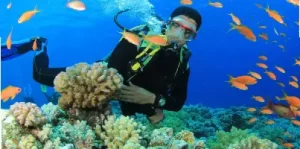
What Makes it Special: The waters around North Bay Island are home to colorful coral reefs, tropical fish species, and diverse marine fauna. The visibility here is excellent, often extending up to 30 feet, allowing you to observe the underwater ecosystem in stunning detail. You’ll encounter species like parrotfish, angelfish, clownfish (Nemo fish), and various coral formations.
Accessibility: Being close to Port Blair, North Bay is easily accessible for day trips. Multiple operators run regular boat services from Rajiv Gandhi Water Sports Complex in Port Blair. The island’s infrastructure is well-developed with proper facilities and experienced operators.
Additional Activities: Besides sea walking, North Bay offers glass-bottom boat rides, snorkeling, scuba diving, and jet skiing, making it a complete water sports destination.
Elephant Beach on Havelock Island (now officially called Swaraj Dweep) represents the premium sea walking destination in the Andamans. This beach is renowned for its pristine waters, extensive coral gardens, and rich marine biodiversity.
Unique Features: Elephant Beach boasts some of the most vibrant coral reefs in the Andaman archipelago. The underwater landscape here is more diverse and colorful compared to other locations. You’ll witness spectacular coral formations in various shapes and sizes, along with schools of tropical fish, sea cucumbers, and occasionally sea turtles.
Getting There: Elephant Beach can be reached via a 20-minute boat ride from Havelock jetty or through a 40-minute trek through dense tropical forests. Most visitors prefer the boat option, which itself offers scenic views of the coastline.
Best Time to Visit: Early mornings between 7 AM and 10 AM offer the best visibility and calmer waters at Elephant Beach. The beach tends to get crowded after 11 AM, so booking an early slot is advisable.
Understanding the pricing structure helps you plan your budget effectively for this underwater adventure.
| Location | Price Range (INR) | Duration | Inclusions |
|---|---|---|---|
| North Bay Island | ₹3,500 – ₹4,000 | 20-25 minutes | Helmet, instructor, boat transfer from Port Blair |
| Elephant Beach | ₹3,500 – ₹4,500 | 25-30 minutes | Helmet, instructor, underwater photography, boat transfer from Havelock |
Additional Costs to Consider:
Booking Tips: Booking in advance, especially during peak season, can help you secure better rates. Many operators offer combo packages that include sea walking with other water activities at discounted prices.
Timing your visit correctly ensures the best sea walking experience with optimal underwater visibility and weather conditions.
Peak Season (October to May): This period represents the ideal time for sea walking in Andaman. The weather remains pleasant with minimal rainfall, calm seas, and excellent underwater visibility. December to February sees the highest tourist influx, so expect premium prices and crowded conditions.
Monsoon Season (June to September): Sea walking operations are typically suspended during the monsoon due to rough seas, poor visibility, and safety concerns. Heavy rainfall and strong currents make underwater activities hazardous during this period.
Best Months: November, January, February, and March offer the perfect combination of good weather, clear waters, and reasonable crowd levels. The underwater visibility during these months can exceed 40 feet, providing spectacular views of marine life.
Daily Timing: Morning hours between 8 AM and 11 AM are best for sea walking. The water is calmer, visibility is better, and marine life is more active during these hours. Afternoon sessions can be affected by increased water movement and reduced visibility.
Understanding the complete process helps ease any anxiety and ensures you make the most of your underwater adventure.
Pre-Walk Briefing: Your experience begins with a comprehensive 15-20 minute safety briefing on the boat or shore. Instructors explain how the helmet works, demonstrate hand signals, teach breathing techniques, and address any concerns. This session is crucial for first-timers.
Getting Ready: You’ll be fitted with the sea walking helmet while on the boat platform. The helmet rests on your shoulders, and you don’t need to hold it. Your instructor will ensure a proper fit and comfort before you enter the water.
Descent: Using a ladder, you’ll slowly descend into the water with the instructor holding your hand. The initial moments might feel unusual as water surrounds the helmet, but the continuous air supply ensures you breathe normally. The descent takes 2-3 minutes.
Underwater Experience: Once on the seabed, you’ll spend 20-30 minutes walking around the designated area. The instructors will point out interesting marine life, help you feed fish (where permitted), and ensure you’re comfortable throughout. You can touch corals gently (though it’s better to observe without disturbing) and interact with friendly fish species.
Marine Life Encounters: Expect to see colorful parrotfish, butterflyfish, angelfish, damselfish, and clownfish swimming around you. The corals display various colors and formations, creating an alien-like landscape that’s mesmerizing.
Photography: Many operators provide underwater photography services. Professional photographers capture your moments, and you can purchase these photos after the activity. Some packages include complimentary photos.
Ascending: When your time is up, the instructor signals you to return to the ladder. The ascent is gradual and controlled, ensuring no sudden pressure changes.
Safety is the primary concern for any underwater activity, and sea walking has an excellent safety record when conducted by certified operators.
Inherent Safety Features: The helmet design itself is extremely safe. The continuous air supply from the surface ensures you never run out of oxygen. The helmet’s weight keeps it stable on your shoulders, and the open bottom design means you can remove it instantly if needed.
Shallow Depth: Sea walking occurs at relatively shallow depths of 12-20 feet, well within safe recreational limits. This depth doesn’t require decompression stops or create pressure-related complications that deeper dives might involve.
No Special Skills Required: Unlike scuba diving, sea walking doesn’t require swimming ability, physical fitness tests, or certifications. The activity is accessible to almost everyone, including non-swimmers.
Professional Supervision: Trained instructors accompany every participant throughout the experience. The instructor-to-participant ratio is typically 1:2 or 1:3, ensuring personalized attention and immediate assistance if needed.
Medical Considerations: While generally safe, sea walking isn’t recommended for people with certain medical conditions including severe heart problems, respiratory issues, ear infections, or recent surgeries. Pregnant women are advised to avoid the activity.
Professional operators implement comprehensive safety protocols to ensure risk-free experiences:
Equipment Maintenance: Helmets and air supply systems undergo daily inspection and regular servicing. Operators maintain backup equipment and follow strict maintenance schedules.
Weather Monitoring: Activities are conducted only during favorable weather conditions. Operators monitor wind speed, wave height, and visibility before each session and cancel operations if conditions are unsafe.
Health Screening: Participants complete a medical questionnaire before the activity. Operators review this information and may deny participation if health concerns are identified.
Safety Briefing: Mandatory pre-walk briefings cover emergency procedures, hand signals, and proper behavior underwater. Participants must demonstrate understanding before proceeding.
Emergency Protocols: Operators maintain emergency oxygen, first aid kits, and communication equipment on all boats. Rescue divers remain on standby during operations.
Certification: Choose operators certified by recognized diving organizations like PADI, SSI, or Indian Navy approved institutions. These certifications ensure adherence to international safety standards.
Insurance Coverage: Reputable operators provide insurance coverage for all participants, covering any unlikely medical emergencies during the activity.
Q: Do I need to know swimming for sea walking? A: No, swimming is not required. The helmet keeps your head dry and provides constant air supply. Even non-swimmers can safely participate with instructor guidance.
Q: Can I wear spectacles during sea walking? A: Yes, you can wear prescription glasses or contact lenses inside the helmet. The helmet is spacious enough to accommodate eyewear comfortably.
Q: What is the minimum age for sea walking? A: Most operators set the minimum age at 10-12 years. Children must be accompanied by adults and meet the minimum height requirement to ensure the helmet fits properly.
Q: Will my hair get wet? A: Your hair will remain completely dry throughout the experience as your head stays inside the air-filled helmet. However, your body below the neck will be in water.
Q: Can I take my phone underwater? A: Personal phones and cameras are not allowed during sea walking unless they’re in waterproof cases. Most operators provide professional photography services.
Q: What should I wear for sea walking? A: Wear comfortable swimwear or light clothing that you don’t mind getting wet. Avoid loose, flowing clothes that might obstruct movement. Remove all jewelry before the activity.
Q: How deep do we go during sea walking? A: The typical depth ranges from 12 to 20 feet (approximately 4-6 meters), which is considered shallow and safe for recreational activities.
Q: Can people with ear problems participate? A: Individuals with active ear infections, perforated eardrums, or severe sinus problems should avoid sea walking. Consult your operator about specific conditions.
Q: Is sea walking available throughout the year? A: No, sea walking operations typically run from October to May. Monsoon season (June to September) sees suspended operations due to rough seas and poor visibility.
Q: How long does the entire experience take? A: Including briefing, boat transfer, preparation, underwater time, and return, the complete experience takes approximately 2-3 hours. The actual underwater duration is 20-30 minutes.
Related Articles:
2nd Floor, 39, Above Kirti Club, DLF Industrial Area, Kirti Nagar, New Delhi, Delhi 110015



Travel Tourister is a leading Travel portal where we introduce travellers to trusted travel agents to make their journey hasselfree, memorable And happy. Travel Tourister is a platform where travellers get Tour packages ,Hotel packages deals through trusted travel companies And hoteliers who are working with us across the world. We always try to find new and more travel agents and hoteliers from every nook and corners across the world so that you could compare the deals with different travel agents and hoteliers and book your tour or hotel with the one you have chosen according to your taste and budget.
Copyright © Travel Tourister, India. All Rights Reserved


 Call
Call Enquiry