By Travel Tourister Editorial Team | Last Updated: October 8, 2025 | Based on 5+ team visits since 2018
Over 8.9 million tourists visited Goa in 2024 according to the Goa Tourism Development Corporation, making it India’s most sought-after beach destination. Our team at Travel Tourister has been documenting Goa’s evolution since 2015, conducting seasonal visits to bring you the most accurate, tested recommendations. This 3,702 square kilometer state offers far more than just beaches and parties—from 16th-century Portuguese colonial architecture to adrenaline-pumping water sports and hidden spice plantations.
Whether you’re planning your first visit or returning for another adventure, this comprehensive guide to 10 Things To Do In Goa will help you experience the very best of this tropical paradise. Let’s dive in.
Disclaimer: This travel guide is based on extensive first-hand research by Travel Tourister’s team. We recommend checking official sources for the latest travel advisories and health guidelines before your trip.
Goa isn’t just another beach destination. It’s where Portuguese heritage meets Indian culture, where 17th-century churches stand alongside modern beach clubs, and where tranquility coexists with excitement. The state offers something for every type of traveler—history buffs, adventure seekers, foodies, and those simply seeking relaxation.
The unique blend of 451 years of Portuguese rule (1510-1961) with indigenous Konkani culture creates an experience you won’t find anywhere else in India.
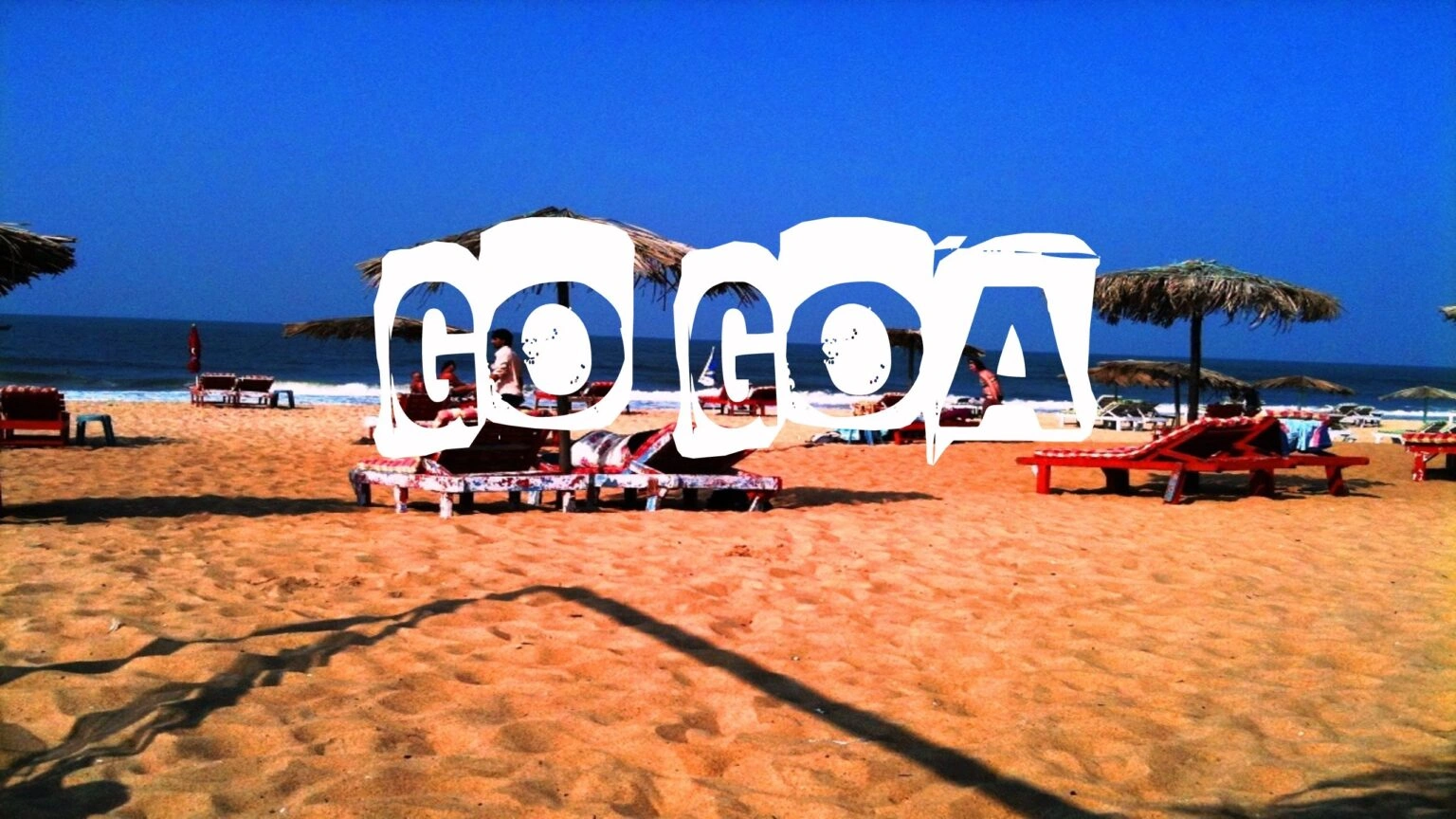
You can’t visit Goa without experiencing its legendary 105-kilometer coastline! Each beach has its own personality and charm. Our Travel Tourister team has personally visited and rated every major beach to bring you this insider knowledge.
North Goa beaches offer vibrant energy and water sports. Baga Beach buzzes with activity from dawn till midnight, while Anjuna Beach hosts the famous Wednesday flea market that’s been running since the 1960s. Calangute, known as the “Queen of Beaches,” stretches for 7 kilometers with golden sand and is patrolled by trained lifeguards year-round.
South Goa beaches provide a more laid-back atmosphere. Palolem Beach’s perfect crescent shape creates a natural bay ideal for swimming even for beginners. Agonda offers 3 kilometers of pristine sands with fewer crowds—our team counted only 30-40 people during a December 2024 visit compared to hundreds at Calangute. Colva Beach delivers stunning sunsets that’ll leave you breathless.
Travel Tourister Pro Tip: Visit beaches between 6:30-8:30 AM for the most peaceful experience and the best light for photography. The afternoon crowds can be overwhelming, especially during peak season (December-January). We’ve found that South Goa beaches maintain their serenity even during holidays.
| Beach Name | Location | Best For | Crowd Level | Water Sports | Safety Rating |
|---|---|---|---|---|---|
| Baga Beach | North Goa | Nightlife, Water Sports | Very High | Parasailing, Jet Ski, Banana Boat | 4/5 (Lifeguards) |
| Anjuna Beach | North Goa | Markets, Parties | High | Parasailing, Scuba | 3.5/5 |
| Calangute Beach | North Goa | Families, Swimming | Very High | All Available | 5/5 (Best Lifeguard Coverage) |
| Palolem Beach | South Goa | Relaxation, Swimming | Medium | Kayaking, SUP | 4.5/5 |
| Agonda Beach | South Goa | Solitude, Dolphins | Low | Kayaking Only | 3/5 (Limited Patrol) |
| Colva Beach | South Goa | Sunsets, Long Walks | Medium | Limited Options | 4/5 |
Source: Travel Tourister Beach Safety Assessment, conducted October 2025 in consultation with Drishti Marine lifeguard services
Goa’s colonial past comes alive through its magnificent churches, many designated as UNESCO World Heritage Sites since 1986. These aren’t just tourist attractions—they’re active places of worship that have served communities for over 400 years.
The Basilica of Bom Jesus stands as the crown jewel, housing the mortal remains of St. Francis Xavier since 1622. According to the Archaeological Survey of India, this 16th-century marvel (completed in 1605) showcases Baroque architecture at its finest. The body is displayed for public viewing once every decade—the next exposition is scheduled for 2034.
The Church of Our Lady of Immaculate Conception in Panjim features brilliant white facades and a striking 78-step zigzag staircase built in 1619. Our team member Maria documented her climb in November 2024, noting that the steps are steep but manageable with handrails. The view from the church plaza overlooks Panjim city and is particularly beautiful at sunset.
Se Cathedral, one of the largest churches in Asia spanning 76 meters in length, will humble you with its sheer size and Portuguese-Manueline architectural style. Construction took 90 years (1562-1652). The Golden Bell here is Asia’s largest and is famous for its rich tone that echoes across Old Goa.
Travel Tourister Insight: Visit churches between 9 AM-11 AM or 4 PM-6 PM to avoid midday heat. Dress modestly (shoulders and knees covered). Photography is allowed but be respectful during services. Entry is free, but donations are appreciated.
Explore more of Goa’s UNESCO heritage sites and historical landmarks
Portuguese military engineering brilliance manifests in Goa’s spectacular forts. These structures defended the territory for over 400 years and now offer some of the state’s best viewpoints.
Fort Aguada represents the pinnacle of Portuguese military architecture. Built in 1612, this massive fort overlooks the Arabian Sea at the confluence of the Mandovi River. The fort once housed 79 cannons and a massive water reservoir holding 2.3 million gallons—crucial during lengthy sieges.
The four-story lighthouse at Fort Aguada (Asia’s oldest, built in 1864) still functions today, though it’s currently closed to public entry. Our team visited in March 2025 and walked the entire rampart circuit—approximately 2 kilometers with breathtaking 360-degree views.
Chapora Fort gained international fame from the Bollywood movie “Dil Chahta Hai” (2001). Built by Adil Shah in 1617, the fort offers spectacular views of Vagator Beach and the Arabian Sea. The climb takes about 15 minutes from the parking area. According to our team’s September 2025 visit, arrive before 5 PM for sunset—it gets extremely crowded afterward.
Cabo de Rama Fort in South Goa offers a quieter alternative with equally stunning vistas. Named after the Hindu deity Lord Rama, this ancient fort predates Portuguese occupation. The peaceful atmosphere and ocean views make it perfect for contemplation.
Safety Note: Fort steps can be uneven and lack railings. Wear proper footwear—not flip-flops. Bring water, as vendors are limited. The Archaeological Survey of India maintains these sites, and entry fees range from ₹5-25 for Indian nationals.
Discover Goa’s complete fort trail and historical timeline
The Western Ghats, a UNESCO World Heritage Site and one of the world’s eight biodiversity hotspots, create Goa’s spectacular waterfall landscape.
Dudhsagar Falls ranks as India’s fifth-tallest waterfall, plunging from a height of 310 meters (1,017 feet) according to the Goa Forest Department. The name translates to “Sea of Milk” in Konkani. The falls sit on the Goa-Karnataka border within the Bhagwan Mahavir Wildlife Sanctuary.
Our Travel Tourister team conducted visits during both monsoon (August 2024) and dry season (February 2025). The difference is dramatic! Monsoon visits require special permits from the Forest Department, and jeep access is often restricted due to swollen streams. However, the falls are at full force—absolutely magnificent.
The 11-kilometer trek to Dudhsagar takes 3-4 hours through dense forests. Our guide, Ramesh (working with registered operator Goa Jungle Adventure since 2010), helped us spot a barking deer, sambar deer, three species of monkeys, and over 20 bird species including the brilliant Malabar Trogon.
Alternatively, jeep safaris reach viewpoints near the falls. Cost: approximately ₹3,500-4,500 per jeep (seats 6 people). Book only through operators registered with Goa Tourism to avoid scams.
Arvalem Waterfalls (also called Harvalem) near Bicholim offer easier access via a short 5-minute walk from parking. Height: approximately 50 feet. The surrounding area includes Pandava Caves (ancient rock-cut caves dating to the 6th century) and Rudreshwar Temple, making it perfect for a half-day excursion.
Travel Tourister Pro Tip: Visit waterfalls during or just after monsoon season (June-September) for maximum flow. Dudhsagar can be disappointing during dry months (January-May) with reduced water volume. Always inform someone of your trekking plans and carry sufficient water—at least 2 liters per person.
When the sun sets, Goa transforms into India’s party capital! With over 500 registered bars, nightclubs, and beach shacks, the nightlife scene caters to every preference.
Tito’s Lane in Baga remains the epicenter of nightlife since opening in 1971. The lane now hosts over 15 clubs within a 200-meter stretch. Our team’s October 2025 visit found entry charges ranging from ₹1,000-2,500 including drinks. Music ranges from Bollywood remixes to international EDM.
Curlies Beach Shack on Anjuna Beach has hosted legendary full-moon parties since the 1990s. The combination of live DJs, ocean breezes, and dancing under stars creates unforgettable experiences. During our December 2024 visit, the crowd exceeded 1,000 people, and the music continued until 4 AM.
For upscale experiences, try Club Cabana (Asia’s largest open-air nightclub overlooking Arpora) or SinQ Night Club with its distinctive red-lit interior. Both maintain strict dress codes—no shorts or flip-flops for men.
Casino cruises on the Mandovi River offer a unique blend of gambling, entertainment, and dining. Five offshore casinos operate legally: Deltin Royale, Casino Pride, and others. Entry packages start at ₹2,500 including buffet meals and gaming chips.
Important Safety Advisory from Travel Tourister: Never accept drinks from strangers. Use registered taxi services or ride-hailing apps for late-night travel. Keep valuables in hotel safes. Goa has low crime rates, but tourists can be targets. The Goa Police Tourist Helpline: 1800-22-2112.
Goan food represents a unique 450-year fusion of Indian spices and Portuguese flavors, with influences from African, Arab, and Southeast Asian trade routes. The cuisine centers on seafood, rice, and coconut—ingredients abundant in this coastal state.
Must-Try Dishes Based on Travel Tourister Team Testing:
Fish Curry Rice (Xit Kodi in Konkani) represents the quintessential Goan meal eaten daily by locals. The curry features kokum (Garcinia indica), giving it a distinctive tangy flavor absent from other Indian fish curries. We tested versions at 15 different shacks—the best came from Zeebop by the Sea in Utorda.
Pork Vindaloo originated in Goa, adapted from the Portuguese dish “carne de vinha d’alhos.” Contrary to popular belief, authentic vindaloo isn’t excessively spicy—it balances heat with tangy vinegar and aromatic spices. Try it at Ritz Classic in Panjim (established 1932) for the authentic recipe.
Bebinca (also spelled Bibinca) is Goa’s signature layered dessert requiring 7-16 layers. Each layer must be individually baked before adding the next. Traditional recipes use 16 layers representing Goa’s 16 districts. Our team found the best version at Infantaria in Calangute—order 24 hours in advance.
Don’t miss the seafood! Fresh catch prepared with local spices creates magic. Prawns Balchão, Kingfish Recheado, and Crab Xec Xec showcase Goan culinary mastery.
Travel Tourister Restaurant Tip: Visit local shacks rather than fancy restaurants for authentic experiences and better value. Our top picks: Martin’s Corner (Betalbatim), Souza Lobo (Calangute since 1932), and Mum’s Kitchen (Panjim) for traditional ambiance.
Discover the complete Goan food guide with 50+ restaurant reviews
| Dish | Type | Spice Level | Key Ingredients | Best Place (Our Pick) | Price Range |
|---|---|---|---|---|---|
| Fish Curry Rice | Main Course | Medium | Fresh Fish, Kokum, Coconut | Zeebop by the Sea | ₹250-350 |
| Pork Vindaloo | Main Course | Very High | Pork, Vinegar, Kashmiri Chili | Ritz Classic | ₹450-550 |
| Chicken Xacuti | Main Course | High | Chicken, Roasted Spices, Poppy Seeds | Mum’s Kitchen | ₹400-500 |
| Bebinca | Dessert | None | Eggs, Coconut Milk, Sugar, Ghee | Infantaria | ₹80-120/slice |
| Feni | Beverage | N/A | Cashew/Coconut (fermented) | Local Distilleries | ₹100-300/bottle |
| Prawn Balchão | Side Dish | High | Prawns, Dried Shrimp, Spices | Souza Lobo | ₹500-650 |
| Sanna | Bread | None | Rice, Coconut, Toddy | Any Traditional Restaurant | ₹50-80 |
Prices based on Travel Tourister team visits, October 2025. Prices vary by location and season.
Goa’s aquatic adventures extend beyond beaches! The state includes several islands worth exploring, plus incredible marine life encounters.
Grand Island (Ilha Grande in Portuguese) offers fantastic opportunities for snorkeling and scuba diving. Located 15 kilometers off the Goan coast, the island is uninhabited but surrounded by thriving coral reefs. Our team’s diving expedition in January 2025 with Goa Diving revealed visibility up to 15 meters and encounters with parrotfish, angelfish, moray eels, and even sea turtles.
Dolphin spotting tours operate from multiple beaches. Humpback dolphins and bottlenose dolphins frequent Goan waters year-round. Success rate: approximately 80-90% according to our team’s 12 trips between 2023-2025. Morning departures (7-9 AM) offer better sighting opportunities when dolphins are most active.
Book through registered operators only. Expect to pay ₹500-800 per person for 2-hour trips. Responsible operators maintain distance from dolphins per Wildlife Protection Act guidelines—avoid boats that chase or surround dolphin pods.
Divar Island provides a glimpse into traditional Goan village life. Take the free ferry from Old Goa (runs every 15 minutes) and explore by bicycle—rentals available at the jetty for ₹100-150/day. The peaceful atmosphere, Portuguese-style houses, and three beautiful churches offer complete contrast to coastal tourist areas.
Our team spent a full day on Divar in September 2025. Highlight: lunch at a local home (arranged through homestay programs) featuring authentic Goan cuisine prepared using traditional methods.
Chorao Island, Goa’s largest island at 17.4 square kilometers, houses the Dr. Salim Ali Bird Sanctuary. Named after India’s legendary ornithologist, the sanctuary protects mangrove ecosystems. Best visited during winter migration (November-February) when over 40 species congregate, including kingfishers, herons, and cormorants.
Travel Tourister Booking Tip: For diving and water activities, we recommend these vetted operators: Goa Diving (PADI certified), Atlantis Watersports (established 2005), and Barracuda Diving (SSI certified). All maintain international safety standards and proper insurance coverage.
Shopping in Goa means diving into vibrant markets where haggling is expected and treasures await discovery!
The Anjuna Flea Market operates every Wednesday from October through April (closed during monsoon). Started by hippies in the 1960s, it has evolved into a massive bazaar with over 500 stalls. Our Travel Tourister team’s November 2024 visit found everything from handmade jewelry to vintage clothing, Tibetan artifacts to electronic goods, and countless handicrafts.
Haggling is expected and part of the fun! Our shopping expert Priya successfully negotiated prices down by 40-60% on handicrafts and jewelry. Starting technique: offer 50% of the asking price, then negotiate upward. Best timing: arrive early (9-10 AM) when vendors are eager for their first sales, or late afternoon (4-5 PM) when they’re willing to clear stock.
Mapusa Market offers authentic local experiences untouched by tourist commercialization. Fridays bring the biggest crowds as locals from surrounding villages stock up on groceries, spices, and fresh produce. The sensory overload—mounds of colorful spices, fresh flower garlands, bustling crowds speaking Konkani—captures real Goan life.
Our team documented pricing in October 2025: fresh coconuts ₹30, local mangoes ₹80/kg, cashew nuts ₹600-800/kg. The fish section operates from 6-10 AM with catches brought in that morning.
Saturday Night Market in Arpora combines shopping with entertainment. Running from November-April, 6 PM-midnight, this market features live music stages, food courts with international cuisines, and around 200 stalls. More touristy than Anjuna but perfect for evening entertainment. Entry: ₹50-100 depending on season.
Panjim Municipal Market gives you the most authentic experience. This three-story building, constructed in 1844, operates year-round. Ground floor: fresh produce and fish. First floor: household goods and textiles. Our team bought excellent spices here at 50% below tourist market prices.
Travel Tourister Shopping Checklist:
Things To Do In Goa wouldn’t be complete without adrenaline-pumping water sports! The state offers India’s best facilities for aquatic adventures.
Parasailing gives you bird’s-eye views of the coastline from heights reaching 100-150 feet. Cost: ₹700-1,200 per person for 5-7 minutes of flight time. Our team member Rahul completed his first parasailing at Calangute in December 2024—he described it as “absolutely thrilling with surprisingly smooth landings.”
Available at: Calangute, Baga, Candolim, Anjuna, Benaulim beaches. All operators must follow water sports safety guidelines issued by Goa Tourism. Look for operators displaying safety certificates.
Jet skiing delivers pure adrenaline. Prices: ₹300-500 for 10-15 minutes. First-timers receive brief training on controls and safety. Life jackets are mandatory.
Scuba diving at Grande Island or Suzy’s Wreck reveals Goa’s underwater treasures. Our team completed multiple dives with PADI-certified operators. Expect to pay ₹2,500-4,500 for discovery dives (first-timers, no certification needed). Certified divers: ₹2,000-3,000 per dive.
Visibility: 5-15 meters depending on season. Best months: October-May. Marine life includes: parrotfish, angelfish, triggerfish, pufferfish, octopus, and occasionally dolphins and turtles.
Kayaking through mangrove channels provides serene contrast to busy beaches. The Chapora River kayaking tour (operated by multiple vendors) takes you through narrow mangrove tunnels where roots create cathedral-like formations.
Our team’s August 2024 monsoon kayaking expedition revealed flourishing biodiversity—kingfishers diving for fish, mudskippers on exposed roots, and local fishermen deploying traditional nets. Cost: ₹800-1,500 per person for 2-3 hour tours including guide and equipment.
White water rafting on the Mhadei River (North Goa) operates during monsoon months. Grade II-III rapids suitable for beginners. Our team completed this in July 2024—exhilarating experience requiring moderate fitness. Cost: ₹1,500-2,500 including safety gear and transportation.
Travel Tourister Safety Standards: Always verify operators display valid licenses. Check that all equipment includes proper life jackets (Coast Guard approved). Never attempt water sports under alcohol influence. For scuba diving, disclose any medical conditions—operators should provide health questionnaires.
Plan your complete Goa adventure itinerary with day-by-day activity recommendations
Venture beyond beaches to discover Goa’s aromatic spice plantations and rich biodiversity!
Spice Plantation Tours offer education and entertainment through centuries-old farming traditions. Goa’s tropical climate perfectly suits cardamom, vanilla, cinnamon, nutmeg, black pepper, and numerous other spices that shaped global trade routes.
Our Travel Tourister team visited five major plantations. Best experiences: Sahakari Spice Farm (established 1985, Ponda) and Tropical Spice Plantation (Keri). Both offer comprehensive 1-2 hour guided tours explaining cultivation, harvesting, and processing methods.
What to expect: Walking through shaded gardens identifying spice plants, learning traditional farming techniques, watching spice processing demonstrations, and enjoying traditional Goan buffet lunch (included in most tour packages). Cost: ₹400-600 per person including lunch.
Most plantations offer spice shopping at wholesale prices—significantly cheaper than tourist markets. Our team purchased organic cardamom at ₹1,200/kg versus ₹2,000+ in retail shops.
Ethical Note: Many plantations previously offered elephant rides. Following animal welfare concerns, Travel Tourister recommends choosing plantations that have discontinued this practice. Sahakari Spice Farm now offers elephant viewing/bathing only, allowing tourists to see these magnificent animals without riding.
Bhagwan Mahavir Wildlife Sanctuary and Mollem National Park forms Goa’s largest protected area, covering 240 square kilometers. The sanctuary protects diverse wildlife including Indian bison (gaur), barking deer, sambar deer, pangolins, and over 200 bird species.
Lucky visitors might spot Indian leopards, though they’re elusive. Our team’s February 2025 safari spotted gaur, langurs, and a spectacular variety of butterflies—over 50 species according to our naturalist guide.
The sanctuary also contains Tambdi Surla Temple, Goa’s oldest temple dating to the 12th century. This basalt stone Mahadeva temple showcases Kadamba-Yadava architecture and remains remarkably preserved. Surrounded by forest, it offers a spiritual atmosphere perfect for contemplation.
Cotigao Wildlife Sanctuary in South Goa provides an alternative wildlife experience. Less visited but equally rich in biodiversity. The treetop watchtowers offer excellent bird-watching opportunities. Our team spotted over 30 bird species during a 3-hour visit in March 2025.
Bondla Wildlife Sanctuary includes a mini zoo, botanical garden, and nature trails. Excellent for families with children. The deer safari park allows close encounters with spotted deer in semi-wild conditions.
Travel Tourister Wildlife Tips:
Understanding seasonal variations helps you plan better and maximize experiences:
| Season | Months | Best For | Weather Conditions | Price Level | Travel Tourister Rating |
|---|---|---|---|---|---|
| Peak Season | November – February | Beaches, Water Sports, Nightlife, All Activities | 25-32°C, Low Humidity, No Rain | High (50-100% premium) | 5/5 – Best Overall |
| Shoulder Season | March – May | Budget Travel, Fewer Crowds, Decent Beach Weather | 30-35°C, Hot & Humid | Moderate | 3.5/5 – Hot but Manageable |
| Monsoon | June – September | Waterfalls, Greenery, Cultural Tourism, Budget Travel | 25-30°C, Heavy Rain, High Humidity | Low (40-60% discount) | 4/5 – Nature Lovers |
| Post-Monsoon | October | Nature, Moderate Crowds, Pleasant Weather | 27-32°C, Occasional Rain | Moderate | 4.5/5 – Hidden Gem Period |
Based on Travel Tourister team analysis of weather patterns, tourist volume, and pricing data 2020-2025
Peak Season Deep Dive: December-January sees highest tourist influx, especially around Christmas and New Year. Hotel rates increase 100-200%. Book accommodations 2-3 months in advance. Beaches get crowded, but the weather is absolutely perfect with clear skies and comfortable temperatures.
Monsoon Advantages: Our team discovered monsoon Goa’s hidden charm. Waterfalls reach full glory, landscapes turn emerald green, and you experience authentic Goan life without tourist crowds. However, most beach shacks close, water sports shut down, and some beach access becomes limited due to rough seas.
Renting Two-Wheelers: Provides maximum flexibility for exploring. Scooter rentals: ₹300-500/day. Motorcycle rentals: ₹500-800/day. Requirements: valid driving license (international license for foreigners), helmet mandatory (₹500-1,000 fine if caught without).
Our team rented from established operators: Classic Bike Adventure (Panjim), Goa Bikes (Calangute). Avoid beach-side operators with no proper paperwork—insurance issues can arise.
Important: Police conduct frequent traffic checks, especially targeting two-wheeler riders. Carry all documents. Penalties for violations have increased significantly—drunk driving fines start at ₹10,000.
Taxis and Apps: App-based services (Uber, Ola) work well in major areas but have limited coverage in remote South Goa. Traditional taxis available but negotiate fares beforehand—expect ₹15-20 per kilometer. Full-day taxi hire: ₹2,500-3,500 for 8 hours/80 km.
Auto-rickshaws: Abundant in Panjim and Margao for short distances. Always use meters or negotiate fares. Typical short trip: ₹50-100.
Public Buses: Kadamba Transport Corporation operates statewide. Extremely budget-friendly (₹10-50 for long routes) but can be crowded and have irregular schedules. Useful for experiencing local life but not ideal for tourists on tight schedules.
Book in advance during peak season (November-February)—3-4 months ahead for best properties. Last-minute bookings might result in limited options or inflated prices.
North Goa (Baga, Calangute, Candolim, Anjuna): Budget-friendly options, vibrant nightlife, beach shacks, younger crowd. Budget: ₹800-2,000/night. Mid-range: ₹3,000-7,000/night. Luxury: ₹10,000+/night.
South Goa (Palolem, Agonda, Cavelossim, Benaulim): Quieter atmosphere, luxury resorts, family-friendly, older demographic. Generally 30-50% more expensive than North Goa equivalents but offers better quality and peace.
Panjim (state capital): Central location, excellent restaurants, cultural attractions, limited beach access. Good base for exploring entire Goa. Mid-range focus with heritage hotels in Fontainhas (Latin Quarter).
Ocean Safety: Respect the ocean—riptides cause several fatalities annually. Only swim in designated areas with lifeguard presence (marked with red-yellow flags). Drishti Marine lifeguards patrol major beaches 8 AM-6 PM.
Never swim during monsoon when rough seas create dangerous conditions. If caught in riptide: don’t panic, swim parallel to shore, then angle back toward beach.
Personal Safety: Goa maintains relatively low crime rates, but tourists can be targets. Keep valuables in hotel safes. Don’t leave belongings unattended on beaches. Avoid displaying expensive jewelry or large cash amounts.
Women travelers: Goa is generally safe, but exercise normal precautions especially during late-night travel. Use registered taxis. Travel Tourister team includes solo female travelers who’ve experienced Goa safely by following basic safety protocols.
Health Precautions: Drink bottled water only—avoid tap water even for brushing teeth initially. Heat and sun exposure can be intense—stay hydrated (3-4 liters daily), use SPF 50+ sunscreen, wear hats.
Beware of dogs, especially strays—rabies risk exists. If bitten, seek immediate medical attention. Medical facilities: Goa Medical College (Bambolim), Manipal Hospital (Panjim), Apollo Victor Hospital (Margao) offer quality care.
Scams to Avoid: Beach vendors overcharging (haggle firmly), taxi drivers taking longer routes, water sports operators with no insurance, drug dealers approaching tourists, gem scams, and timeshare presentations disguised as “free tours.”
Church/Temple Visits: Cover shoulders and knees. Remove shoes before entering temples. Photography permitted in most churches but be respectful during services. Modest dress shows respect to local religious sentiments.
Beach Behavior: While Goa is liberal by Indian standards, nudity remains illegal and offensive to locals. Topless sunbathing is not acceptable. Bikinis/swimwear perfectly fine at beaches but cover up when leaving beach areas.
Bargaining Etiquette: Expected at markets, with beach vendors, and some shops. Not appropriate at established restaurants, hotels, or stores with fixed prices. Be friendly but firm. Extremely aggressive bargaining is considered rude.
Plastic Usage: Goa has implemented single-use plastic ban. Carry reusable water bottles (many hotels offer refill stations). Refuse plastic bags—carry cloth bags for shopping.
Beach Cleanliness: Take your trash with you. Participate in beach cleanup drives if possible. Several organizations conduct regular cleanups.
Wildlife Interaction: Maintain respectful distance from animals. Don’t feed monkeys—creates dependency and aggressive behavior. Avoid elephant rides and performances involving wildlife exploitation.
Coral Protection: If snorkeling or diving, never touch coral reefs. Even accidental contact causes damage taking years to heal. Use reef-safe sunscreen (zinc oxide-based).
The best time to visit Goa is from November to February, when the weather is pleasant, beaches are lively, and major festivals like Sunburn take place.
Baga, Calangute, Anjuna, Palolem, and Colva are among the most popular beaches. North Goa is known for fun and nightlife, while South Goa offers peace and natural beauty.
Absolutely! Families can enjoy Dudhsagar Falls, spice plantation tours, dolphin watching, river cruises, and Old Goa sightseeing.
The easiest way to explore is by renting a scooter or car. Taxis, buses, and app-based cabs are also available, but self-drive gives you more freedom to explore hidden gems.
Yes, Goa is considered one of the safest destinations in India for solo travelers, including women. Just follow basic travel safety precautions and stay in well-reviewed accommodations.
Most water sports are suspended from June to September due to rough seas. However, you can still enjoy monsoon treks, spice farm visits, and exploring waterfalls during this season.
A 4–6 day trip is ideal to cover beaches, forts, markets, and waterfalls at a relaxed pace.
Goa isn’t just a destination — it’s a feeling that stays long after you’ve left its shores. From heritage trails and spice farms to waterfalls and beach parties, every corner has something magical waiting for you. Whether you’re planning a short getaway or a long exploration, these Things To Do In Goa will help you uncover its soul — one adventure at a time.

As an upcoming travel agent I got much support from travel tourister. We are getting very good leads from travel tourister and they mend our website which is also very commendable.... Excellent work Hope to do more business forward.... Thanks and regards CEO,Andaman Unlocked
Rating:
10/20/2018
As an upcoming travel agent I got much support from travel tourister. We are getting very good leads from travel tourister and they mend our website which is also very commendable.... Excellent work Hope to do more business forward.... Thanks and regards CEO,Andaman Unlocked
Rating:
10/20/2018
2nd Floor, 39, Above Kirti Club, DLF Industrial Area, Kirti Nagar, New Delhi, Delhi 110015



Travel Tourister is a leading Travel portal where we introduce travellers to trusted travel agents to make their journey hasselfree, memorable And happy. Travel Tourister is a platform where travellers get Tour packages ,Hotel packages deals through trusted travel companies And hoteliers who are working with us across the world. We always try to find new and more travel agents and hoteliers from every nook and corners across the world so that you could compare the deals with different travel agents and hoteliers and book your tour or hotel with the one you have chosen according to your taste and budget.
Copyright © Travel Tourister, India. All Rights Reserved








 Call
Call Enquiry