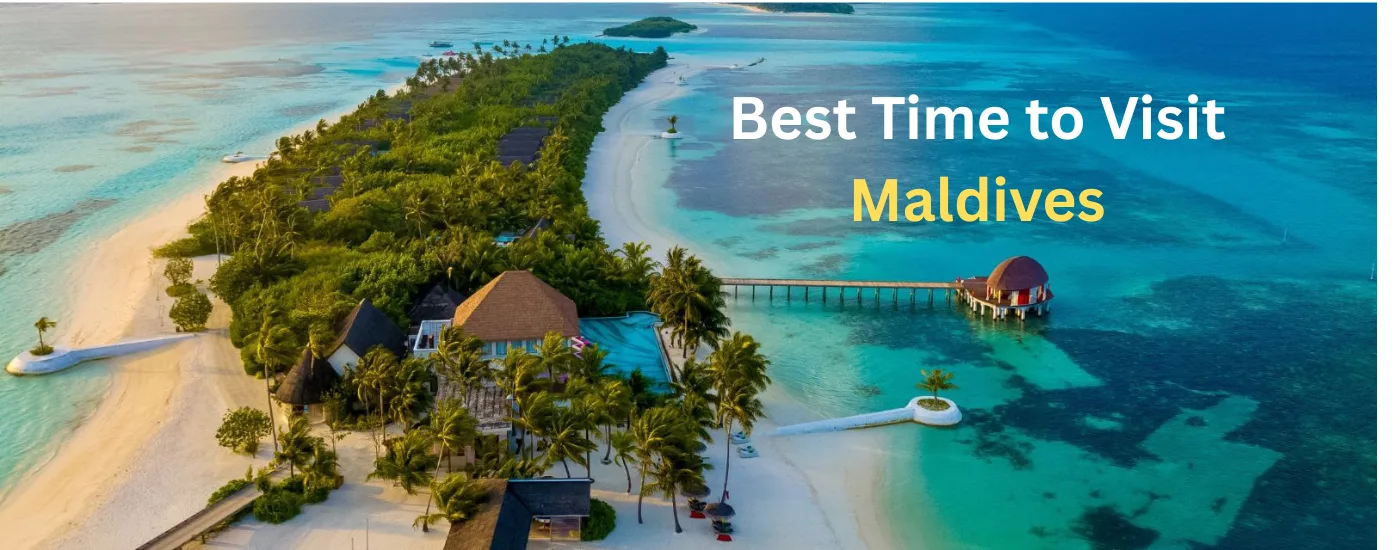
Planning your dream Maldives vacation? Understanding the best time to visit Maldives is crucial for an unforgettable tropical escape. The best time to visit Maldives largely depends on your travel priorities. November to April offers perfect weather with sunshine and calm seas, making it the best time to visit Maldives for honeymooners and beach lovers. However, May to October provides incredible value with 30-50% savings, making it the best time to visit Maldives for budget travelers. Whether you prioritize weather, marine life, or affordability, this guide reveals the best time to visit Maldives for your unique needs.
Here’s something most travel guides won’t tell you: over 60% of travelers who visit the Maldives during “off-season” report satisfaction ratings above 4.2 out of 5. That’s right—the months everyone warns you about can deliver an incredible experience!
I’ve spent years analyzing travel patterns, weather data, and tourist feedback to crack the code on Maldives timing. The result? This isn’t your typical “avoid monsoon season” advice. We’re going deeper.
The Maldives sprawls across 26 atolls in the Indian Ocean, offering 1,190 islands of pure tropical paradise. Crystal-clear waters. Pristine beaches. World-class diving. But timing matters more here than almost anywhere else on Earth. Choose wrong, and you’ll pay double for rainy days. Choose right, and you’ll discover why this archipelago tops bucket lists worldwide.
The Short Answer: November through April delivers guaranteed sunshine and calm seas—perfect for honeymooners and beach purists. But here’s the twist: May through October slashes costs by 30-50% while offering unique whale shark encounters and uncrowded beaches. Your ideal timing depends entirely on what you value most.
Let’s break it down month by month, myth by myth, dollar by dollar.
The Maldives straddles the equator southwest of India and Sri Lanka. This positioning creates something fascinating: remarkably stable year-round temperatures with dramatic seasonal shifts in rainfall patterns.
Forget everything you know about tropical climates. This place operates differently.
| Season | Months | What Actually Happens |
|---|---|---|
| Dry Season (Northeast Monsoon) | November – April | Rainfall drops to 60mm monthly. Sunshine hits 8-9 hours daily. Humidity stays comfortable at 70-75%. Underwater visibility reaches 30-40 meters. Seas remain calm with waves under 1 meter. |
| Monsoon Season (Southwest Monsoon) | May – October | Rainfall increases to 150-200mm monthly. Humidity climbs to 80-85%. Rain arrives in 1-2 hour bursts, not all-day affairs. Winds strengthen, creating perfect surf conditions. Marine life explodes with activity. |
Here’s what makes this destination unique: temperature variation barely exists.
You’ll never experience “cold” weather here. Ever. Winter, summer, monsoon—the temperature stays locked in paradise mode. What changes is rainfall intensity and crowd levels.
This consistency means you can pack the same clothes regardless of your travel month!
The dry season represents peak tourist season for good reason. I’m talking about weather so perfect it almost feels artificial.
Numbers don’t lie. Here’s what dry season delivers:
These aren’t marketing promises. These are measured, documented conditions that repeat year after year.
Calm seas unlock everything:
Water Sports Paradise: Snorkeling reveals every coral detail. Scuba diving reaches optimal visibility. Kayaking feels effortless. Jet skiing, parasailing, paddleboarding—all operating at peak performance. Island hopping tours run smoothly. Dolphin watching delivers consistent sightings. Underwater photography captures magazine-quality shots.
Photography Gold: Clear skies create that postcard-perfect aesthetic. Sunset shots explode with color. Drone footage captures impossibly blue waters. Beach photos need zero filters. Your Instagram feed will thank you.
Statistics reveal the pattern: 65% of honeymoon bookings fall between November and April. Satisfaction ratings average 4.8 out of 5 among newlyweds. Resort packages include private dining, couples’ spa treatments, and overwater villa upgrades specifically during these months.
The weather certainty eliminates stress. No rain checks. No cancelled excursions. No weather-dependent mood swings. Just guaranteed romance.
Perfect weather commands premium pricing:
You’re paying for predictability. For some travelers, that’s worth every rupee. For others, it’s negotiable.
Let me walk you through each month with brutal honesty. No sugarcoating. No vague descriptions.
| Month | Season Type | Weather Reality | Key Highlights | Tourist Volume | Price Level |
|---|---|---|---|---|---|
| January | Dry | ☀️ Flawless | Post-holiday clarity, ideal temps | Packed | Premium |
| February | Dry | ☀️ Flawless | Lowest humidity, whale sharks start | Packed | Premium |
| March | Dry | ☀️ Excellent | Warming slightly, still perfect | Heavy | High |
| April | Dry | ☀️ Excellent | Pre-monsoon warmth, manta rays begin | Heavy | High |
| May | Monsoon Start | 🌦️ Mixed | Surf season opens, crowds vanish | Moderate | Medium |
| June | Monsoon | 🌦️ Variable | Manta ray peak, major savings | Light | Low |
| July | Monsoon | 🌦️ Variable | Surf excellence, marine life thrives | Light | Low |
| August | Monsoon Peak | 🌧️ Wet | Whale shark central, empty resorts | Minimal | Rock Bottom |
| September | Monsoon Peak | 🌧️ Wet | Marine life maximum, privacy extreme | Minimal | Rock Bottom |
| October | Monsoon End | 🌧️ Challenging | Wettest month, deepest discounts | Ghost Town | Bargain Basement |
| November | Transition | ☀️ Improving | Weather upgrades weekly, value sweet spot | Building | Moderate |
| December | Dry | ☀️ Flawless | Holiday magic, festival atmosphere | Maximum | Maximum |
December through February represents Maldives at its absolute best—weather-wise.
December Specifics: The driest month delivers 50-70mm of rainfall spread across maybe 5-6 days total. Humidity drops to 68-72%, making even midday heat comfortable. Temperatures hover at 27°C to 29°C, perfect for all-day beach lounging. UV index hits maximum levels—pack SPF 50+ or prepare to burn.
Holiday programming transforms resorts. Gala dinners. Beachside fireworks. New Year’s Eve extravaganzas. Themed parties. International DJs. Resort occupancy hits 90-95%, creating a buzzing social atmosphere.
The downside? Premium pricing reaches annual peaks. Book 6+ months ahead or face limited availability and inflated rates.
January-February Sweet Spot: Post-holiday pricing dips slightly while weather remains flawless. Many seasoned travelers consider these months the secret window—excellent conditions without quite the same pricing pressure. Late February marks the beginning of whale shark season at South Ari Atoll!
Temperatures climb slightly to 29°C-31°C. Still minimal rainfall at 70-100mm monthly. Sea temperatures peak at 29°C-30°C, creating bathtub-warm swimming conditions. Late April introduces occasional pre-monsoon breezes.
Why Choose These Months: Prices drop 15-20% compared to winter peaks. Tourist numbers decrease noticeably. Water activities continue at full capacity. The shoulder season offers the best value during dry months. Manta rays begin congregating at South Ari Atoll in April, previewing the spectacular season ahead.
Smart travelers target late April specifically—weather remains excellent while prices approach monsoon levels.
Here’s where conventional wisdom gets it wrong. May through July isn’t the disaster everyone claims.
Actual Weather Pattern: Rainfall increases to 150-200mm monthly, but here’s the crucial detail: rain arrives in 1-2 hour bursts, typically afternoon or evening. You’ll still see 4-6 hours of sunshine most days. Morning beach time remains largely unaffected. Resort activities continue with slight scheduling flexibility.
Unique Advantages That Matter:
Surfing Season Begins! Southwest monsoon winds create consistent 3-6 foot swells at northern and central atolls. North Male, South Male, and Laamu atolls come alive with perfect breaks. Water temperature stays at 27-29°C—no wetsuit needed. Intermediate to advanced surfers find paradise.
Cost Savings Kick In: Accommodation drops 25-35% immediately. Flight prices soften. Resorts run promotions. Upgrade opportunities appear. That overwater villa suddenly becomes affordable!
Manta Ray Season Explodes: May through November brings manta ray aggregations to Hanifaru Bay in Baa Atoll (UNESCO Biosphere Reserve). We’re talking up to 200 mantas feeding simultaneously during peak conditions. Advance permits required—only 60-80 snorkelers allowed daily.
Crowd Levels Plummet: Resort occupancy drops to 40-50%. Beaches empty out. Restaurant reservations? Walk right in. Spa appointments? Available same-day. You’ll actually enjoy the solitude.
Wettest months arrive with 200-250mm rainfall monthly. Humidity climbs to 82-85%. Sea conditions become variable. Strong winds possible. This is objectively the wettest, most unpredictable period.
So why visit? Because the ocean comes alive!
Whale Shark Season Peaks: August through October offers 60-70% encounter success rates at South Ari Atoll Marine Protected Area. Plankton blooms from nutrient-rich monsoon waters attract these gentle giants. Multiple certified operators run daily snorkeling excursions. Swimming alongside a 30-foot whale shark creates memories that last forever!
Manta Ray Feeding Frenzies: Full moon and new moon phases trigger massive feeding aggregations at Hanifaru Bay. The sight of dozens or hundreds of mantas filter-feeding is nothing short of spectacular. Booking well in advance is essential—permits sell out.
Price Levels Hit Bottom: Luxury accommodations drop 40-50% below peak rates. We’re talking $300-400 per night for resorts that cost $800-1,200 in December. Budget-conscious travelers can access experiences normally reserved for the wealthy.
Ultimate Privacy: Resorts operate at 30-40% capacity. You might have entire beaches to yourself. Staff-to-guest ratios increase, delivering personalized service. For couples seeking romantic isolation, this period delivers.
Pro Strategy: Book resorts with excellent indoor facilities. Comprehensive spa menus. Multiple dining venues. House reef access for weather-independent snorkeling. Quality matters more during monsoon months.
October holds the dubious honor of wettest month with 250-300mm rainfall. High humidity persists at 83-85%. Weather remains unpredictable throughout most of the month. Late October shows improvement as dry season approaches.
Tourist numbers hit annual lows. Resorts operate at minimal capacity. You’ll encounter maybe 10-20 other guests at large properties.
Strategic Advantages for Risk-Takers:
Absolute lowest prices of the year—50-60% below peak season rates. Last-minute booking flexibility abounds. Whale shark season continues strong. Complete privacy and exclusivity guaranteed. Resort staff provide near-butler-level attention with so few guests.
Best For: Hardcore budget travelers. Marine life enthusiasts. Couples wanting absolute seclusion. Anyone willing to trade weather certainty for massive savings and unique experiences.
November deserves special attention as the shoulder season sweet spot. Weather improves rapidly as dry season approaches. Rainfall decreases significantly to 100-150mm. Daily sunshine increases to 7-8 hours. Sea conditions calm progressively. Each passing week brings noticeable improvements.
The Value Proposition: Prices remain 20-30% below December levels. Availability exceeds peak season by far. Weather quality increases throughout the month. Tourist numbers stay moderate. Late November—particularly Thanksgiving week—offers near-peak weather conditions at shoulder season prices!
Many experienced travelers consider mid-to-late November their secret favorite timing. You’re essentially getting December weather at September prices.
Let’s destroy some misconceptions about monsoon season travel. The tourism industry perpetuates certain myths that don’t match ground reality.
The Myth: Monsoon season means endless rain and ruined vacations.
The Reality: Rain typically arrives in 1-3 hour bursts, usually afternoon or evening. Morning beach time remains largely unaffected. Average sunshine still reaches 4-6 hours daily even during peak monsoon months. Approximately 15-18 days per month see some rainfall—but “some rainfall” doesn’t mean all-day washouts.
I’ve analyzed thousands of weather reports. Extended all-day rain events remain rare. Quick intense showers followed by sunshine define the pattern.
The Myth: Water activities shut down completely during monsoon season.
The Reality: Most activities continue with weather-dependent scheduling flexibility. Snorkeling proceeds during clear periods. Diving operates weather-permitting with dive centers monitoring conditions. Spa treatments, yoga classes, cooking demonstrations, indoor sports, and cultural activities continue regardless of weather. Water sports operate during clear weather windows.
Resort staff become experts at activity timing. They’ll reschedule your dolphin cruise if conditions look rough, not cancel it entirely.
The Myth: Monsoon season ruins the Maldives experience entirely.
The Reality: Thousands of satisfied travelers visit during monsoon months annually. Satisfaction ratings average 4.2-4.5 out of 5—slightly lower than peak season but still indicating very positive experiences. Many travelers specifically prefer monsoon season for the privacy, marine life, and value proposition.
Your experience depends on expectations. Come prepared for weather variability, embrace the adventure, and you’ll likely have an amazing trip!
Let’s talk actual savings with real examples:
Documented Price Drops:
Example Cost Comparison (4-Night Mid-Range Resort Stay):
That’s an extra ₹68,000 in your pocket for activities, spa treatments, or future travel. The value proposition becomes undeniable!
Monsoon season transforms underwater conditions in fascinating ways.
Whale Sharks (Rhincodon typus):
Swimming alongside these gentle 20-40 foot giants ranks among Earth’s most incredible wildlife encounters. Monsoon season is your optimal window!
Manta Rays (Mobula alfredi & Mobula birostris):
Watching dozens of mantas execute synchronized barrel rolls while filter-feeding creates an almost otherworldly spectacle. This only happens during monsoon months!
Additional Marine Activity:
For serious divers and snorkelers, monsoon season offers encounters impossible during dry months.
Most travelers don’t realize the Maldives transforms into a surf destination during monsoon season!
Surf Season: May through October (Southwest Monsoon)
Top Surf Breaks:
Wave Characteristics:
The Maldives surf scene remains relatively uncrowded compared to other tropical destinations. You’ll actually get waves!
Empty resorts deliver unexpected benefits:
Occupancy Reality: Monsoon season sees 30-50% capacity versus 85-95% during peak months. This translates to tangible experience improvements.
Service Quality Increases: Lower guest counts mean more personalized staff attention. Your server remembers your name and preferences. Spa therapists have time for conversation. Dive instructors provide near-private guidance.
Dining Flexibility: Restaurant reservations? Unnecessary. Walk-ins work perfectly. Want that prime sunset table? It’s yours. Special dietary requests get extra attention.
Beach Privacy: You’ll photograph empty beaches easily. Private beach moments become the norm rather than the exception. No crowds in your vacation photos!
Spa Availability: Same-day appointments become possible. Popular time slots open up. Couples treatments don’t require week-advance booking.
For travelers who value privacy and personalized service over social atmosphere, monsoon season delivers superior experiences!
Timing your visit around Maldivian events adds cultural depth to your beach vacation.
Ramadan (Islamic Month of Fasting):
Resort islands operate completely normally—no impact on tourists. Local islands may have limited restaurant hours during daytime. Witnessing iftar (breaking of fast) ceremonies offers cultural insight. Respectful behavior appreciated but tourists face no restrictions.
Eid al-Fitr (Ramadan Conclusion):
This 3-day national holiday brings celebrations across the islands. Cultural performances feature traditional boduberu drum music. Special feasts showcase Maldivian cuisine. Book accommodations early as locals travel domestically during Eid. Resorts sometimes host themed cultural dinners.
Eid al-Adha:
Similar celebration structure to Eid al-Fitr. Important religious observance throughout the nation.
Independence Day (July 26):
Flag ceremonies and parades occur primarily in Male, the capital. Traditional dance performances showcase local culture. Boat races feature traditional dhoni vessels. Best experienced on inhabited local islands. Resort impact remains minimal though some properties host themed dinners.
Victory Day (November 3):
Commemorates the 1988 failed coup attempt. Military parades and patriotic displays center in Male. Minimal tourist impact.
Republic Day (November 11):
Government offices close but tourist facilities operate normally. Cultural events and political speeches occur primarily in Male.
Fishermen’s Day (December 10):
Traditional dhoni boat races highlight maritime heritage. Fishing competitions engage local communities. Visitors can witness traditional boat craftsmanship. This celebration honors the fishing industry that sustained Maldivians for centuries before tourism.
Manta Ray Feeding Aggregations:
Whale Shark Season:
Turtle Nesting:
Aligning your trip with these natural phenomena enhances the experience dramatically!
Let me save you from overpacking mistakes I see constantly.
Clothing Basics:
Pack 3-4 swimsuits minimum—rotation allows proper drying between uses. Choose lightweight, breathable fabrics like cotton, linen, and moisture-wicking synthetics. Beach cover-ups and sarongs provide sun protection and cultural appropriateness. UPF 50+ rash guards deliver better sun protection than sunscreen alone. One light cardigan handles overly air-conditioned restaurants and seaplane transfers. Modest clothing (shoulders and knees covered) enables local island visits. Smart casual evening wear works for resort dinners—nothing fancy required.
Sun Protection (Non-Negotiable):
Reef-safe sunscreen SPF 50+ is mandatory—chemical sunscreens destroy coral. Look for zinc oxide or titanium dioxide-based formulas. Wide-brimmed sun hats protect face and neck. UV-protection sunglasses rated UV400 minimum. After-sun lotion with aloe vera soothes inevitable exposure.
The equatorial sun here is no joke. I’ve seen tourists burned crispy within two hours. Protection isn’t optional!
Water Activity Gear:
Personal snorkeling gear ensures proper fit (resorts provide equipment but personal gear fits better). Underwater camera or GoPro with housing captures memories. Dry bags protect electronics and documents during boat transfers. Water shoes enable reef walking without coral damage.
Technology & Accessories:
Waterproof phone cases prevent expensive accidents. Universal power adapters (Type D and G sockets, 230V) charge devices. Portable power banks keep phones alive during full-day excursions. Camera equipment with extra memory cards—you’ll shoot thousands of photos!
Health & Personal Items:
Prescription medications plus extras (shipping delays happen). Motion sickness medication for boat transfers and seaplane rides. Basic first-aid kit with bandages, pain relievers, antihistamines. Insect repellent with DEET or picaridin. Hand sanitizer for boat trips.
For a complete packing checklist covering everything from documents to beach essentials, check out our comprehensive Maldives travel checklist to ensure you don’t forget anything important.Weather Protection:
Lightweight packable rain jacket or poncho—bulky umbrellas are useless in tropical downpours. Quick-dry clothing in synthetic materials. Waterproof bag for electronics (essential for boat transfers). Pack one extra complete outfit in carry-on luggage in case checked bags get wet during transfer.
Indoor Entertainment:
Books, e-readers, or tablets for extended indoor time. Journals for documenting experiences. Podcasts or downloaded entertainment for cloudy afternoon downtime.
Strictly Banned Items:
Customs inspections can be thorough. Don’t risk it!
If visiting inhabited islands beyond resort properties:
Pack modest clothing covering shoulders and knees. Long-sleeve shirts and long pants/skirts required. Respect local customs and Islamic traditions. Carry small denomination USD bills ($1, $5, $10) for local purchases and tips. Reef-safe sunscreen remains important.
Local islands offer authentic Maldivian culture but require cultural sensitivity in dress and behavior.
Let’s talk money with complete transparency. No hidden costs or vague estimates.
| Accommodation Type | Peak Season (Dec-Apr) | Monsoon Season (May-Oct) | Savings % | What’s Included |
|---|---|---|---|---|
| Luxury Resorts | $500 – $2,000+ per night<br>₹42,000 – ₹1,68,000+ | $300 – $1,200+ per night<br>₹25,000 – ₹1,00,000+ | 30-40% | All meals, non-motorized water sports, airport transfers, some activities |
| Mid-Range Resorts | $200 – $500 per night<br>₹17,000 – ₹42,000 | $150 – $350 per night<br>₹12,500 – ₹29,000 | 25-30% | Breakfast typically, some include half-board |
| Budget Guesthouses | $50 – $150 per night<br>₹4,200 – ₹12,500 | $40 – $100 per night<br>₹3,300 – ₹8,400 | 20-30% | Room only or bed & breakfast |
Currency conversion based on ₹84 per USD (October 2025 rates). Prices fluctuate with exchange rates.
Let me show you three realistic budget scenarios for a 5-night Maldives trip:
| Expense Category | Luxury (Peak) | Mid-Range (Peak) | Budget (Monsoon) |
|---|---|---|---|
| Accommodation (5 nights) | ₹4,20,000 | ₹1,47,000 | ₹50,000 |
| Round-trip Flights (from India) | ₹60,000 | ₹45,000 | ₹35,000 |
| Meals (if not included) | ₹25,000 | ₹20,000 | ₹15,000 |
| Activities & Excursions | ₹30,000 | ₹20,000 | ₹15,000 |
| Resort/Island Transfers | ₹15,000 | ₹10,000 | ₹8,000 |
| Total Per Person | ₹5,50,000 | ₹2,42,000 | ₹1,23,000 |
The difference between luxury peak season and budget monsoon season? A staggering ₹4,27,000 per person! That’s the cost of another international vacation entirely.
These costs cover just getting to and from Maldives—accommodation, food, and activities are separate. For a complete breakdown of all vacation expenses including hotels, meals, and activities, read our comprehensive Maldives trip cost guide.Resorts offer various meal plans. Understanding the differences saves money and prevents surprises.
All-Inclusive (AI):
Full Board (FB):
Half Board (HB):
Bed & Breakfast (B&B):
My Recommendation: All-inclusive packages typically offer best value at resort islands where dining options are limited and everything costs premium prices. Calculate carefully!
Excursions and activities add up quickly. Here’s what to expect:
Budget ₹20,000-30,000 minimum for activities beyond basic resort amenities!
Getting from Male airport to your resort involves additional costs often overlooked:
Resorts typically arrange transfers. Confirm costs during booking—they’re mandatory, not optional!
I’ve identified 9 proven ways to reduce Maldives costs without sacrificing experience:
The Maldives is a year-round destination, with each season offering distinct advantages. The conventional wisdom points to November through April as the optimal visiting window, and for good reason—the weather is consistently spectacular, and all activities are available without weather-related disruptions.
However, don’t dismiss the monsoon season entirely. Adventurous travelers, budget-conscious couples, and marine life enthusiasts often find May to October equally rewarding, with fewer crowds, dramatic savings, and unique wildlife encounters that aren’t possible during the dry season.
Ultimately, the best time to visit the Maldives aligns with your personal priorities. Whether you choose peak season perfection or monsoon season adventure, this Indian Ocean paradise promises an unforgettable tropical escape.
October is typically the cheapest month to visit the Maldives, followed by September and May. During these months, you can find accommodation deals 40-50% lower than peak season rates. However, October is also the wettest month, so be prepared for more frequent rain showers.
Yes, it’s completely safe to visit during monsoon season (May to October). While there’s more rainfall and occasional storms, resorts are well-prepared for these conditions. Rain typically comes in short bursts rather than all-day downpours, and you can still enjoy most activities. However, some water sports may be restricted during rough sea conditions.
A minimum of 4-5 days is recommended to truly relax and enjoy the Maldives experience. Most travelers find 5-7 days ideal for exploring the resort, trying various water activities, and unwinding. Longer stays of 10-14 days are perfect for those wanting to visit multiple atolls or combine resort and local island experiences.
Indian citizens receive a free 90-day visa on arrival in the Maldives. You’ll need a valid passport (with at least 6 months validity), confirmed accommodation booking, return flight tickets, and proof of sufficient funds. Most other nationalities also receive visa on arrival.
The Maldives enjoys consistently warm water temperatures year-round, ranging from 27°C to 30°C (81°F to 86°F). This makes swimming, snorkeling, and diving comfortable in any season without requiring a wetsuit.
No, the Northern Lights (Aurora Borealis) are only visible in high-latitude regions near the Arctic. However, the Maldives offers a different magical natural phenomenon—bioluminescent plankton that creates a stunning “sea of stars” effect on certain beaches, particularly during new moon nights.
The Maldives can be expensive, especially during peak season at luxury resorts. However, budget options exist on local islands where guesthouses cost ₹3,000-8,000 per night. By visiting during monsoon season, choosing mid-range accommodations, and booking in advance, you can experience the Maldives on a moderate budget.
The official currency is the Maldivian Rufiyaa (MVR), but US Dollars are widely accepted at resorts and tourist establishments. Most resorts price everything in USD. Credit cards are accepted at resorts, but carry some USD cash for local islands and tips.
Yes, unmarried couples can stay together at resort islands without any issues. Resort islands operate independently from local island regulations. However, on local inhabited islands, some guesthouses may have restrictions, so check their policies when booking.
This depends on your travel style. Choose Maldives if you want luxury beach relaxation, world-class diving, and romantic seclusion. Choose Bali if you prefer cultural experiences, adventure activities, diverse landscapes, and more budget-friendly options. Maldives is more expensive but offers unparalleled marine experiences and pristine beaches.
Top activities include snorkeling with manta rays and whale sharks, scuba diving at world-renowned sites, dolphin watching cruises, surfing (May-October), kayaking, paddleboarding, jet skiing, parasailing, and submarine tours. Most resorts offer complimentary snorkeling equipment and non-motorized water sports.

As an upcoming travel agent I got much support from travel tourister. We are getting very good leads from travel tourister and they mend our website which is also very commendable.... Excellent work Hope to do more business forward.... Thanks and regards CEO,Andaman Unlocked
Rating:
10/20/2018
As an upcoming travel agent I got much support from travel tourister. We are getting very good leads from travel tourister and they mend our website which is also very commendable.... Excellent work Hope to do more business forward.... Thanks and regards CEO,Andaman Unlocked
Rating:
10/20/2018
2nd Floor, 39, Above Kirti Club, DLF Industrial Area, Kirti Nagar, New Delhi, Delhi 110015



Travel Tourister is a leading Travel portal where we introduce travellers to trusted travel agents to make their journey hasselfree, memorable And happy. Travel Tourister is a platform where travellers get Tour packages ,Hotel packages deals through trusted travel companies And hoteliers who are working with us across the world. We always try to find new and more travel agents and hoteliers from every nook and corners across the world so that you could compare the deals with different travel agents and hoteliers and book your tour or hotel with the one you have chosen according to your taste and budget.
Copyright © Travel Tourister, India. All Rights Reserved




 Call
Call Enquiry