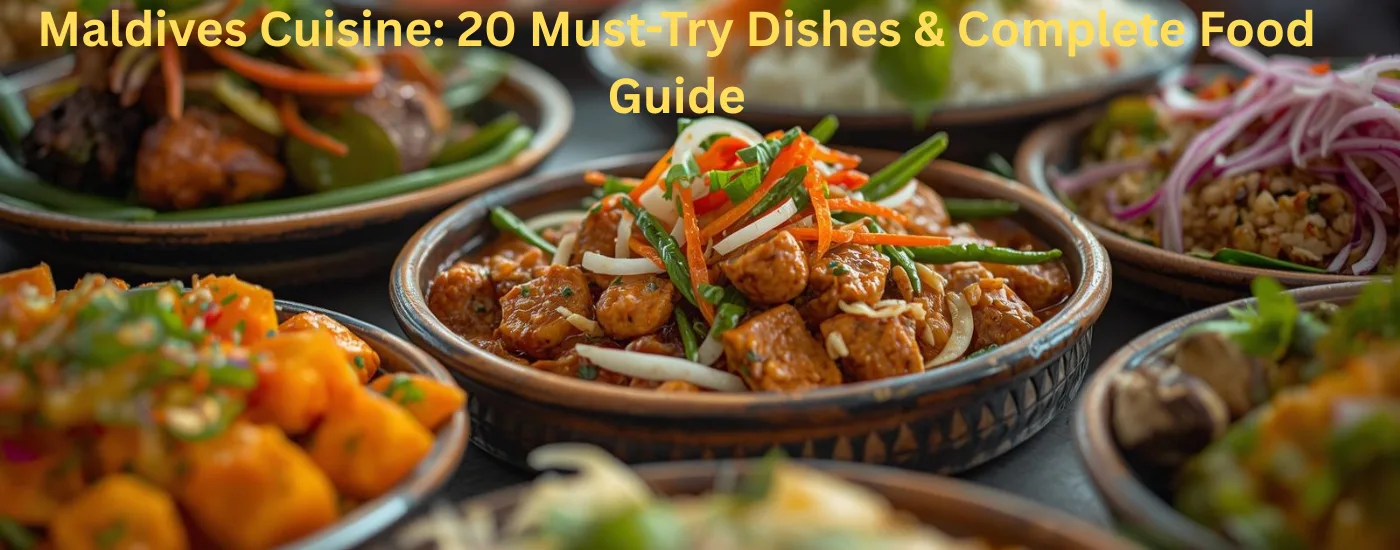
With 99% of the Maldives being ocean, it’s no surprise that Maldives cuisine revolves entirely around the sea. Understanding Maldives cuisine means discovering fresh tuna that arrives at local cafes within hours of being caught, coconuts harvested that morning getting grated into fragrant curries by afternoon. This isn’t fusion food trying to be trendy—Maldives cuisine represents centuries of island life, where every ingredient tells a story of survival, tradition, and resourcefulness.
I’ve spent countless mornings watching Maldivian cooks prepare mas huni, the national breakfast dish, and what strikes me most isn’t just the simplicity—it’s the respect for ingredients. When your nation consists of 1,192 islands scattered across the Indian Ocean, food becomes more than sustenance. It becomes identity.
Maldives cuisine, also called Dhivehi cuisine, stands apart from its South Asian neighbors despite obvious influences from India and Sri Lanka. The traditional cuisine of Maldivians is based on three main items and their derivatives: coconuts, fish, and starches.
These aren’t random choices. They’re the only ingredients consistently available across all atolls. No large-scale agriculture exists here—just fishing, coconut palms, and imported rice. This limitation forced Maldivian cooks to become incredibly creative, transforming just a few base ingredients into dozens of distinct dishes.
The result? A culinary tradition that’s complex yet perfectly balanced, where subtle spicing allows fresh seafood flavors to shine rather than overwhelming them.
| Core Ingredient | Forms Used | Primary Dishes | Cultural Significance |
|---|---|---|---|
| Fish (Skipjack Tuna) | Smoked, dried, boiled, curried, grilled | Mas huni, garudhiya, mas riha, fihunu mas | Sustainable pole-and-line fishing; protein source |
| Coconut | Grated, milk, oil, water | Used in 90% of dishes; base for curries | Year-round availability; essential flavor |
| Starches | Rice, taro, cassava, breadfruit | Roshi, boiled rice, fried yams | Fills dietary needs; imported rice staple |
Fish (primarily skipjack tuna): Unlike Pacific islanders, Maldivians don’t traditionally eat raw fish. Tuna gets smoked, dried, boiled, curried, or grilled. The Maldives practices sustainable pole-and-line fishing, which ensures environmental friendliness and preservation of fish populations—no nets allowed!
Coconut (in every form imaginable): Grated coconut features in breakfast dishes. Coconut milk enriches curries. Coconut oil fries snacks. The hunigondi—a traditional Maldivian implement with a serrated steel blade—remains the primary tool for grating coconuts in local homes.
Starches (rice, taro, cassava, breadfruit): Rice, eaten boiled or ground into flour, accompanies nearly every meal. Root vegetables like taro, sweet potato, and cassava provide variety, while breadfruit and screwpine fruits add tropical sweetness to savory dishes.
Let me walk you through the essential dishes that define Maldives cuisine. These aren’t tourist inventions—they’re what Maldivians actually eat!
| Dish Name | Category | Main Ingredients | Best Time to Eat | Approximate Cost |
|---|---|---|---|---|
| Mas Huni | Breakfast | Smoked tuna, coconut, lime | Morning | MVR 50-150 (₹100-300) |
| Garudhiya | Soup | Tuna broth, lime, chili | Lunch/Dinner | MVR 100-200 (₹200-400) |
| Mas Riha | Curry | Tuna, coconut milk, spices | Lunch/Dinner | MVR 100-250 (₹200-500) |
| Kukulhu Riha | Curry | Chicken, coconut, curry leaves | Dinner | MVR 150-300 (₹300-600) |
| Fihunu Mas | Grilled | Whole fish, chili paste | Dinner | MVR 200-400 (₹400-800) |
| Gulha | Snack | Tuna balls, fried dough | Tea time (3-5 PM) | MVR 5-10 (₹10-20) |
| Masroshi | Snack | Stuffed flatbread, tuna | Tea time | MVR 15-30 (₹30-60) |
| Rihaakuru | Condiment | Concentrated fish paste | Any meal | MVR 50-100 (₹100-200) |
| Bis Keemiya | Snack | Pastry, egg, tuna | Tea time | MVR 10-20 (₹20-40) |
| Kulhi Boakibaa | Snack/Special | Fish cake, coconut, rice | Special occasions | MVR 20-40 (₹40-80) |
1. Mas Huni
The quintessential Maldivian breakfast consists of finely shredded smoked tuna, grated coconut, onion, chili, and lime, all mixed together and scooped up with roshi (flatbread). Salt and onions can be additionally added for enhanced flavor.
You’ll find this dished up with fervor across Malé and at back-to-basic guesthouses on smaller islands like Fuvahmulah in the deep south. It keeps you full all morning! I’ve watched families prepare this at dawn, the rhythmic scraping of the hunigondi creating a soundtrack to island mornings.
Approximate cost: MVR 50-150 (₹100-300)
2. Huni Roshi
A coconut flatbread originating from the Maldives, usually eaten during breakfast and often paired with sweet or savory sides. Think of it as the Maldivian equivalent of a crepe—versatile enough for anything from honey to spicy fish paste.
3. Garudhiya
This fragrant fish soup is a favorite during winter, when it’s often poured into bowls from bubbling pots by street vendors. The base is a restorative clear broth made by simply boiling fish (usually skipjack tuna) in salted water.
The fish cooks until tender while cooks carefully scoop off the scum (garu) floating on top. The resulting broth is deliciously savory, flavored with ginger, garlic, black pepper, and a squeeze of lemon juice, with fresh chunks of yellowfin tuna plus chili and grated coconut added.
Garudhiya is typically eaten for lunch or dinner with white rice, thelli faiy (fried moringa leaves), thelli mas (fried fish), lime, onion, and chili. It’s comfort food that’s simultaneously light and deeply satisfying.
4. Kekki Garudhiya
A variant of traditional garudhiya that incorporates curry leaves and additional spices, creating a more complex flavor profile while maintaining the signature clear broth style.
5. Mas Riha (Fish Curry)
A delicious tuna curry cooked with coconut milk and served with rice or roshi. The sauce tends to be thick and full of the delicious flavors of cumin, turmeric, and curry leaves. Creamy and spicy, it’s made from varieties of tuna with coconut, mango, cinnamon, and ginger.
Mas Riha represents the Indian influence on Maldives cuisine perfectly—coconut-based like South Indian curries but with distinctly Maldivian seasoning.
Approximate cost: MVR 100-250 (₹200-500)
6. Kukulhu Riha (Chicken Curry)
Although fish claims most large plates in Maldives cuisine, kukulhu riha arrives with gently braised chicken in a terrific coconut-based sauce, delicately spiced with curry leaves, cardamom, and a handful of fiery scotch bonnets.
Bulked out with steamed rice, it’s also eaten with roshi and washed down with a glass of lime juice and soda. Head to the tiny isle of Omadhoo—a dozing fishing village in the North Ari Atoll—for standout chicken curries at local cafes.
7. Bis Riha (Egg Curry)
A Maldivian curry with the main ingredient being boiled eggs and different spices. This vegetarian-friendly option showcases how Maldivian cooks adapt their curry techniques to non-fish proteins.
8. Tharukaaree Riha (Vegetable Curry)
Maldivian Vegetable Curry consists of sweet potato, pumpkin, beans, and carrots flavored with pandan and curry leaves. In a place where fish dominates most dishes, this curry offers a delicious and healthy option loved by locals and essential for vegetarian travelers.
9. Dhon Riha (Tuna Curry)
Dhon riha is creamy and spicy, made from varieties of tuna with coconut, mango, cinnamon, and ginger. The curry is served with rice, roshi, and Maldivian poppadoms. It’s richer than mas riha, with the mango adding unexpected sweetness.
Hedhikaa refers to traditional Maldivian snacks, often served with afternoon tea—strong black tea (kalhusai) or milk tea (kirusai). These fried delicacies are the Maldivian equivalent of evening appetizers.
10. Gulha
Deep-fried balls filled with coconut, tuna, and chili, about the size of ping-pong balls. Other ingredients like curry leaves, ginger, and turmeric can be added too. Encased in dough made of wheat or rice flour, these bite-sized snacks are served freshly baked with tea or coffee.
They’re evening staples across the islands—locals don’t just snack on them casually; they’re part of the daily rhythm of Maldivian life.
Approximate cost: MVR 5-10 each (₹10-20)
11. Masroshi
A traditional snack made of fried, stuffed dough, consisting of chapati-type bread stuffed with smoked tuna and coconut. The added flavor of curry leaves, onions, garlic, ginger, chillies, and lime juice makes this a zesty snack that’s impossible to eat just one of!
12. Kavaabu
Deep-fried snacks made from rice, tuna, coconut, lentils, and spices. These golden-brown fritters have a satisfying crunch outside and tender, flavorful interior.
13. Bis Keemiya
Similar to a samosa, Bis Keemiya is a triangular pastry filled with tuna, hardboiled eggs, sliced onion, and gently sautéed shredded cabbage. The outer layer contains potatoes, lentils, and coriander, creating a more substantial snack than typical samosas.
14. Kulhi Boakibaa
A fish cake mainly cooked for special occasions, made of smoked tuna, grated coconut, onions, and ground rice. Once combined with spices, garlic, and onion until they form thick dough, the mixture is shaped and fried until crispy outside and moist inside.
15. Fihunu Mas
A common dish consisting of whole fish grilled either in an oven or on hot coals. The fish is coated in a blend of chili, cumin, curry leaves, onions, garlic, peppercorns, and salt before cooking. The result is smoky, spicy, and absolutely delicious—especially when the fish was swimming that same morning!
16. Reef Fish Salad
Freshly caught reef fish marinated and served with green papaya, spiced kaffir lime leaves, fish masala, green chillies, and coconut. This lighter preparation showcases the quality of Maldivian seafood without heavy cooking.
17. Rihaakuru
The cornerstone of Maldives cuisine—a thick tuna paste made by cooking fresh tuna in salted water over days until the water evaporates and a salty concentrated paste emerges. The paste ranges from light to deep brown or even black in color.
Rihaakuru is enjoyed by locals for breakfast, lunch, and dinner. You’d be hard-pressed to find a Maldivian who doesn’t like rihaakuru! It’s usually eaten with roshi for breakfast or white rice for lunch and dinner. Locals enjoy dipping roshi into Rihaakuru sauce.
Think of it as the Maldivian equivalent of Thai fish sauce or Japanese miso—an intense umami bomb that transforms simple dishes into something special.
18. Boshi Mashuni
Boshi Mashuni (Banana Flower Salad) is a blend of crunchy shredded banana flowers and coconut with turmeric, curry leaves, onion, lime, spices, cumin, and chili. It’s surprisingly refreshing and shows the creativity Maldivians apply to limited ingredients.
19. Fried Yams
Yams are one of the few crops grown in the Maldives. Fried in butter, they’re crunchy on the outside and moist inside. This simple snack is served with different spicy sauces and represents the agricultural limitations Maldivians work within.
20. Banbukeylu Harissa
Breadfruit trees grow prolifically in Maldives, and this dish is a gastro-tribute to this delicious potato-tasting fruit—a steamed curry consisting of breadfruit, chili, onion, and coconut. It’s comfort food that tastes like it could be a potato dish but reveals tropical island origins.
While Maldives cuisine emphasizes savory dishes, traditional sweets make appearances during special occasions and celebrations.
Handulu Bondibai: Sweetened sticky rice made for special occasions, eaten together with breadfruit, sago, or rice parcels. The texture is similar to Thai sticky rice but with Maldivian coconut and cardamom flavoring.
Saagu Bondibai: Sago pudding served with warm coconut milk, laced with condensed milk and essence of cardamom and rose. Sago is a popular ingredient in the Maldives, creating a tapioca-like texture that’s comforting and nostalgic.
Dhonkeyo Kajuru: A traditional fried banana cake flavored with vanilla and rose water. Bananas grow abundantly on the islands, making this an accessible treat.
Huni Folhi: Rice flour pancakes made with a batter of grated coconut, sugar, eggs, and rosewater. These are favorite desserts across the archipelago.
Foni Boakiba: Similar to Bodibaiy but baked like a cake and served with almonds. A delicious, spoon-less alternative to enjoy with steaming black tea.
Aluvi Boakibaa: A sweet cassava and coconut cake made using locally grown cassava. The dense, moist texture makes it perfect with afternoon tea.
Gulab Jamun: An Indian-inspired dish of spongy milk balls soaked in rose-scented sugar syrup. This shows how neighboring cuisines influenced Maldivian desserts.
Understanding where to eat matters as much as knowing what to eat. Your dining options divide into three distinct categories, each offering different experiences and price points.
Local islands like Maafushi, Thulusdhoo, Fulidhoo, and Omadhoo host affordable, authentic cafes serving traditional Maldives cuisine. Expect simple settings—often open-air with sand floors and thatched roofs—where locals eat alongside tourists.
Advantages: Authentic recipes, affordable prices (MVR 50-200 per meal), cultural immersion, interaction with Maldivian families.
What to order: Mas huni for breakfast, garudhiya with rice for lunch, fish curry for dinner, and hedhikaa with tea in the afternoon.
Popular local spots include SeaLaVie Café in Ukulhas, Iberry Café in Hulhumale, and Jazz Café in Malé. These aren’t fancy, but they’re real—the same food Maldivians cook at home.
Maldivian resorts offer international cuisine alongside traditional dishes. Executive chefs at properties like Sun Siyam Resorts, Anantara Dhigu, and Conrad Maldives prepare both authentic Maldivian fare and global specialties.
| Dining Experience | Description | Cost Range | Best For |
|---|---|---|---|
| Buffet (Breakfast/Lunch) | International + some Maldivian dishes | $25-60 (₹2,000-5,000) per person | Families, variety seekers |
| Theme Night Buffet | Friday Maldivian nights, cultural performances | $40-80 (₹3,200-6,500) per person | Cultural experience |
| A la Carte Restaurants | Specialty cuisine (Italian, Asian, Maldivian) | $50-150 (₹4,000-12,000) per person | Romantic dinners |
| Overwater Dining | Private table over lagoon | $150-400+ (₹12,000-32,000+) per couple | Special occasions |
| Beachside Grill | Fresh seafood, grilled specialties | $60-120 (₹5,000-10,000) per person | Casual elegance |
| In-Villa Dining | Private chef service in your room | $100-300+ (₹8,000-24,000+) per person | Ultimate privacy |
| Half-Board Package | Breakfast + dinner included | Adds $80-150 (₹6,500-12,000) daily | Budget-conscious |
| Full-Board Package | All three meals included | Adds $120-200 (₹10,000-16,000) daily | Convenience |
| All-Inclusive | All meals, snacks, drinks (sometimes alcohol) | Adds $150-400+ (₹12,000-32,000+) daily | Worry-free dining |
Traditional Maldivian nights: Many resorts host weekly Maldivian theme nights (often Friday evenings) featuring traditional menus, waiters in cultural attire, and live demonstrations of cooking techniques. At Meeru Maldives, Friday night Maldivian themes include traditional dishes served with cultural performances.
Specialty restaurants: Kaage at Siyam World focuses on authentic island fare. The Collective at other resorts offers cooking classes where you can learn to prepare Maldivian dishes yourself.
Dining formats: Choose from casual buffets, fine dining experiences, beachside grills, overwater restaurants, or private villa dining. All-inclusive packages often cover traditional Maldivian options alongside international choices.
The capital city offers the most diverse dining in the Maldives. Beyond traditional cafes, you’ll find restaurants serving everything from Indian and Sri Lankan to Thai, Italian, and fusion cuisine.
Morning fish market: Visit early (5-7 AM) to watch the tuna auction and see the catch being prepared. Nearby cafes serve fresh breakfast featuring that morning’s catch.
Afternoon tea culture: Many cafes offer hedhikaa spreads between 3-5 PM, a tradition borrowed from British influence but thoroughly Maldivianized.
Raa: A lightly fermented drink made from the juice of the palm tree trunk, at around 4% alcoholic volume. It’s the Maldivian equivalent to beer and a favorite drink of locals, though technically alcohol is only officially available on resort islands.
Coconut milk and water: Fresh coconut water straight from the tree (₹100-150) is incredibly refreshing. Coconut milk is used in cooking and as a nutritious beverage.
Kalhusai (Black Tea): Strong black tea is the standard accompaniment to hedhikaa snacks. Maldivians drink tea throughout the day.
Kirusai (Milk Tea): Tea with milk and sugar, often spiced with cardamom.
Fresh Juices: Tropical fruits like mango, papaya, pineapple, and watermelon make excellent juices. Many are imported, but the preparation is always fresh.
Since Maldives is a Muslim country, alcohol is prohibited on local inhabited islands. However, resort islands have special licenses.
Resort cocktails: Signature drinks like Biyadhoo Special (vodka, pineapple juice, melon liqueur) celebrate island life. Prices range from MVR 200-350 (₹400-700).
Premium options: Luxury resorts offer extensive wine cellars and rare spirits. Lucky & Al, one of Maldives’ most expensive cocktails, pays homage to the Prohibition Era with vintage 1930s Guy Lheraud Vieil Armagnac and Salon 1988 Champagne.
Maldivians are very relaxed, and as long as you show respect for their culture and enjoyment of their food, they’ll be happy you’re joining them for a meal. However, important customs exist:
Seating arrangements: Wait to be shown where to sit by the island chief (kateeb) or the male head of household before sitting down. This isn’t about gender discrimination—it’s about respecting traditional hospitality structures.
Eating with hands: Traditional meals are often eaten with the right hand. Follow your host’s lead—they’ll provide utensils if they sense you’re uncomfortable.
Sharing food: Maldivian meals are communal. Dishes are placed in the center for everyone to share rather than individual plates.
Refusing food: Politely declining seconds is acceptable, but refusing the first offer of food or drink can be considered offensive.
During Ramadan, locals practice strict fasting from sunrise to sunset. Restaurants and eateries outside resorts will likely be closed during daylight hours, with on-site resort restaurants continuing normal service.
Be respectful:
Vegetarian travelers: While fish dominates Maldives cuisine, vegetable curries (tharukaaree riha), egg dishes (bis riha), and coconut-based preparations provide options. Resorts accommodate vegetarian requests easily. Local islands have more limited choices but can prepare rice, vegetables, and lentils on request.
Vegan options: More challenging but manageable. Coconut milk-based curries without fish, vegetable preparations, and fruit are available. Communicate clearly with restaurants.
Food allergies: Inform restaurants immediately about allergies. Seafood allergies are particularly important to mention given fish’s ubiquity in Maldives cuisine.
Halal food: All food on local islands and most resort dining is halal. The entire nation follows Islamic dietary laws.
Want to take Maldives cuisine home with you? Several resorts offer immersive culinary experiences.
The Collective’s Kitchen: Step into the kitchen for hands-on cooking with expert chefs. Classes blend fresh flavors, inventive techniques, and creative twists to elevate everyday cooking. You’ll learn to prepare traditional dishes like mas huni, garudhiya, and fish curries.
Resort demonstrations: Many properties offer cooking demonstrations during Maldivian theme nights, showing traditional preparation methods using authentic tools like the hunigondi.
Private lessons: Arrange private cooking instruction with resort chefs focusing on specific dishes. These typically require 24-hour advance reservations.
Island garden tours: Some resorts like Amilla Maldives offer guided explorations of edible island plants. Gather indigenous varieties like kulha fila and island-grown produce for a feast of hand-plucked harvest.
Fishing expeditions: Join sunset fishing trips where you catch your own dinner, then work with chefs to prepare your catch using traditional Maldivian methods.
Market visits: Malé’s fish market offers fascinating insights into Maldivian fishing culture and ingredient selection.
Your timing affects what’s available and how much you’ll pay. The best time to visit Maldives for food experiences varies by what you prioritize.
Advantages: All restaurants operating, fullest menus, resort theme nights running regularly, calm seas mean fresh fish daily.
Considerations: Higher dining costs at resorts, reservations essential for specialty restaurants, more crowded dining venues.
Advantages: Lower prices at local cafes, fewer tourists mean more intimate local experiences, mangoes and tropical fruits at peak ripeness.
Considerations: Some resorts reduce restaurant options, rough seas occasionally affect fish availability, outdoor dining sometimes canceled due to weather.
Tuna, coconut, and rice-based dishes remain available regardless of season. The ocean provides consistent fishing, and coconut palms produce year-round.
Dining costs vary dramatically between local islands and resorts, significantly impacting your overall Maldives trip cost.
| Meal Type | Local Island Cafe | Resort (A la carte) | Resort (All-Inclusive) |
|---|---|---|---|
| Breakfast | MVR 50-100 (₹100-200) | $25-45 (₹2,000-3,600) | Included |
| Lunch | MVR 100-200 (₹200-400) | $30-80 (₹2,400-6,500) | Included |
| Dinner | MVR 150-250 (₹300-500) | $80-200 (₹6,500-16,000) | Included |
| Snacks (Hedhikaa) | MVR 5-15 (₹10-30) | $8-15 (₹650-1,200) | Included |
| Fresh Juice | MVR 50-100 (₹100-200) | $8-15 (₹650-1,200) | Included |
| Cocktails | Not available | $15-35 (₹1,200-2,800) | Sometimes included |
| Coffee/Tea | MVR 15-30 (₹30-60) | $5-8 (₹400-650) | Included |
| Daily Food Budget | MVR 400-600 (₹800-1,200) | $150-300+ (₹12,000-24,000+) | $150-400 (₹12,000-32,000) package add-on |
| Weekly Cost (per person) | ₹5,600-8,400 | ₹84,000-1,68,000+ | Package-dependent |
Pro tip: Choose half-board (breakfast + dinner) at resorts and eat lunch on local islands during excursions to balance costs and experiences.
Local islands offer incredibly affordable options:
Food shouldn’t exist separately from your overall trip—it’s integral to understanding Maldivian culture. Pair culinary experiences with island exploration for a richer vacation.
Stay on multiple local islands, sampling regional variations of mas huni, garudhiya, and hedhikaa. Maafushi offers budget-friendly cafes, Thulusdhoo has surf culture eateries, and Fuvahmulah in the deep south provides the most traditional experiences.
Combine this with visiting tourist attractions in Maldives like the Grand Friday Mosque in Malé, local craft markets, and bikini beaches for cultural context.
Start mornings at Malé’s fish market (5-7 AM), watching the tuna auction and observing traditional fishing practices. Then visit a nearby cafe for fresh mas huni breakfast featuring that morning’s catch.
Afternoon visits to local markets show produce availability and traditional tools like the hunigondi for grating coconuts.
Spend 3-4 nights on a local island experiencing authentic, affordable Maldives cuisine. Then move to a resort for 2-3 nights of luxury dining and international options. This balance provides cultural immersion without sacrificing comfort, while also managing your budget effectively.
The Maldives leads in sustainable fishing practices, and supporting these efforts matters.
The Maldives practices pole-and-line fishing, which ensures environmental friendliness and preservation of fish populations. Fishing with trawl nets is banned. Fish are caught one by one to prevent unwanted bycatch and damage to marine ecosystems.
When you eat Maldivian tuna, you’re supporting one of the world’s most sustainable fishing industries.
Strict rules prohibit removing coral or disturbing marine life. Many resorts have eco-dining initiatives promoting locally and ethically sourced ingredients.
Eating at local island cafes directly supports Maldivian families. The money spent at small cafes stays in local communities rather than going to international hotel conglomerates.
Maldivian cooking traditionally minimizes waste—fish trimmings become fish cakes, extra breadfruit gets curried, coconut shells become charcoal. Follow this lead by finishing meals and avoiding over-ordering.
Most Maldivians speak English, especially in tourism areas. However, learning a few Dhivehi phrases enhances experiences:
Always ask permission before photographing people eating or food preparation, especially in homes or small local cafes. Resorts encourage food photography, but locals may feel uncomfortable.
Not mandatory but appreciated. Budget MVR 100-200 (₹200-400) daily for exceptional service at local cafes, or 10% for outstanding resort restaurant experiences.
Resort specialty restaurants require advance booking—often 24-48 hours. Local cafes don’t take reservations; just arrive during meal times.
Maldives cuisine represents far more than just food—it’s a window into island resilience, cultural adaptation, and sustainable living. Every dish tells stories of fishermen leaving before dawn, families grating coconuts together, and cooks passing down centuries-old recipes through demonstration rather than written instruction.
What makes Maldives cuisine special isn’t complexity or rare ingredients. It’s the profound respect for simplicity and freshness. When your mas huni’s tuna was swimming six hours ago, when your coconut was harvested that morning, when your garudhiya broth has just three ingredients—quality becomes everything.
I encourage you to eat beyond resort buffets. Take a speedboat to Maafushi and have breakfast at a local cafe. Sit on sand floors under thatched roofs. Watch grandmothers prepare hedhikaa using techniques unchanged for generations. Accept invitations to family meals if offered—it’s the highest honor Maldivians can extend.
The Maldives offers pristine beaches, incredible diving, and luxury resorts. But its cuisine—humble, authentic, and deeply connected to the ocean—provides the most genuine connection to this island nation. Don’t just visit the Maldives. Taste it, smell it, experience it through food. That’s when it transforms from a destination into a memory that nourishes long after you’ve returned home.
Traditional Maldivian food centers on three main ingredients: fish (especially tuna), coconut, and starches (rice, taro, cassava). Signature dishes include mas huni (tuna and coconut breakfast), garudhiya (clear fish broth), fish curries with coconut milk, and hedhikaa (fried snacks). Maldives cuisine is influenced by Indian and Sri Lankan flavors but maintains its distinct island character with subtle spicing and emphasis on fresh seafood.
Maldivian food is generally mildly spicy with delicate sweetness rather than intense heat. Due to trade influences from India and Sri Lanka, dishes incorporate chilies, curry leaves, and spices, but the goal is balanced flavor rather than overwhelming spiciness. You can always request less chili at local cafes. Resorts typically offer milder versions while authentic preparations have more kick.
Yes, though options are more limited than for fish-eaters. Tharukaaree riha (vegetable curry), bis riha (egg curry), coconut-based dishes, rice preparations, and fresh tropical fruits are available. Resort restaurants easily accommodate vegetarian requests with extensive options. Local island cafes have fewer choices but can prepare vegetable and lentil dishes on request. Vegans face more challenges but can manage with advance communication.
Mas huni is considered the national dish—a traditional breakfast of finely shredded smoked tuna mixed with grated coconut, onion, chili, and lime, served with roshi (flatbread) and hot sweet tea. It’s eaten daily by Maldivians across all atolls and represents the core elements of Maldives cuisine: fresh fish, coconut, and simplicity. Garudhiya (fish broth) is equally iconic as the national comfort food.
Local island cafes on Maafushi, Thulusdhoo, Fulidhoo, and Omadhoo serve authentic, affordable Maldivian cuisine. In Malé, try SeaLaVie Café, Iberry Café, or Jazz Café. Resort theme nights (often Fridays) feature traditional menus. For the most authentic experience, accept invitations to local homes if offered. Avoid relying solely on resort buffets—venture to local islands for genuine Maldives cuisine.
Local island cafes charge MVR 50-250 per meal (₹100-500), making three daily meals cost around MVR 400-600 (₹800-1,200). Resort dining is significantly more expensive: buffets $25-45, à la carte lunch $30-80, fine dining $80-200+. All-inclusive resort packages add $150-400 daily per person. Budget ₹2,000-3,000 daily on local islands versus ₹5,000-8,000+ at resorts without meal packages.
Rihaakuru is a thick, concentrated fish paste made by cooking fresh tuna in salted water for days until it becomes a salty, umami-rich condiment ranging from brown to black. It’s the cornerstone of Maldives cuisine, eaten at breakfast, lunch, and dinner with roshi or rice. Think of it as the Maldivian equivalent of fish sauce or miso—an intensely flavored base that transforms simple dishes into something deeply satisfying.
Yes! Many resorts offer cooking classes teaching

As an upcoming travel agent I got much support from travel tourister. We are getting very good leads from travel tourister and they mend our website which is also very commendable.... Excellent work Hope to do more business forward.... Thanks and regards CEO,Andaman Unlocked
Rating:
10/20/2018
As an upcoming travel agent I got much support from travel tourister. We are getting very good leads from travel tourister and they mend our website which is also very commendable.... Excellent work Hope to do more business forward.... Thanks and regards CEO,Andaman Unlocked
Rating:
10/20/2018
2nd Floor, 39, Above Kirti Club, DLF Industrial Area, Kirti Nagar, New Delhi, Delhi 110015



Travel Tourister is a leading Travel portal where we introduce travellers to trusted travel agents to make their journey hasselfree, memorable And happy. Travel Tourister is a platform where travellers get Tour packages ,Hotel packages deals through trusted travel companies And hoteliers who are working with us across the world. We always try to find new and more travel agents and hoteliers from every nook and corners across the world so that you could compare the deals with different travel agents and hoteliers and book your tour or hotel with the one you have chosen according to your taste and budget.
Copyright © Travel Tourister, India. All Rights Reserved





 Call
Call Enquiry