By Travel Tourister | Updated September 2025
Only 315,000 tourists visited Bhutan in 2024—that’s fewer visitors than Disneyland receives in just four days! This extraordinary exclusivity means the places to visit in Bhutan remain pristine, authentic, and transformative in ways impossible to find elsewhere on our planet.
Having explored every valley, monastery, and mountain pass across this mystical kingdom over the past 8 years as a Bhutan Destination specialist, I’ve witnessed how each destination offers something genuinely unique. The places to visit Bhutan enthusiasts seek aren’t just tourist spots—they’re gateways to ancient wisdom, breathtaking landscapes, and cultural experiences that will fundamentally change your perspective on travel.
Let’s explore the 15 Best Places to Visit in Bhutan that showcase why this carbon-negative kingdom deserves the top spot on every serious traveler’s bucket list.
Bhutan’s dramatic elevation changes create distinct microclimates and ecosystems within a country smaller than Switzerland. From subtropical plains at 200 meters to snow-capped peaks exceeding 7,000 meters, every destination offers completely different experiences.
This geographic diversity explains why the places to visit in Bhutan feel like separate countries within one remarkable kingdom.
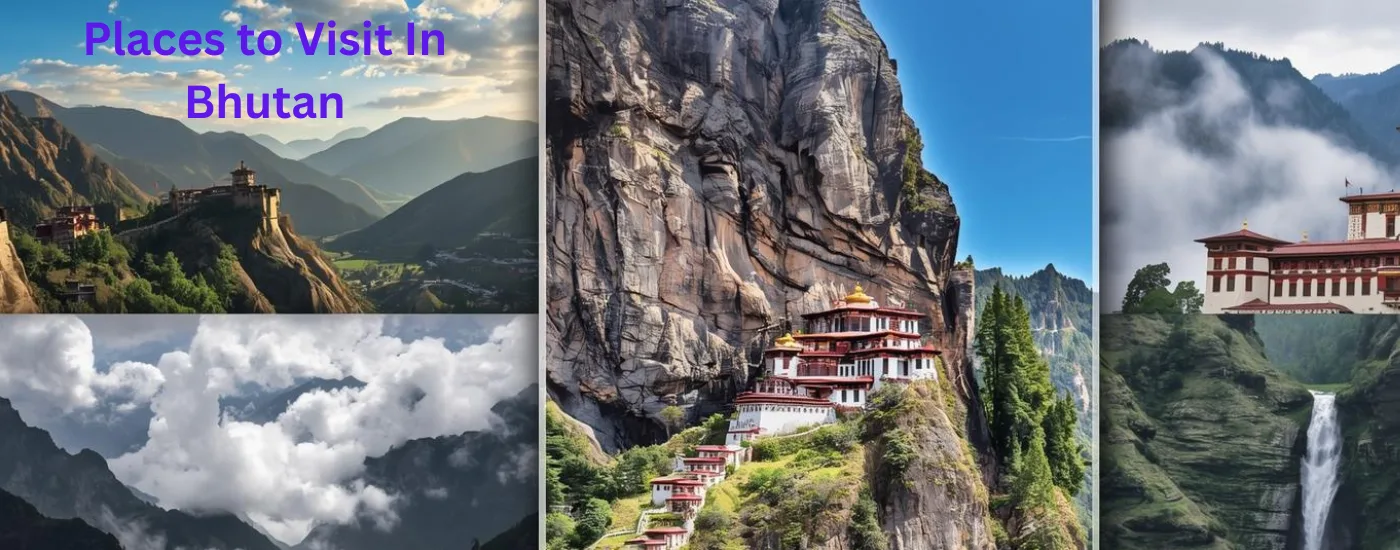
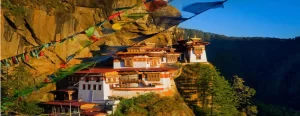
Home to Bhutan’s only international airport, Paro Valley serves as most visitors’ introduction to this magical kingdom. The valley combines accessibility with authenticity, featuring traditional architecture, sacred sites, and the world-famous Tiger’s Nest Monastery.
Why Paro Stands Out:
Essential Paro Experiences:
A city without traffic lights, Thimphu perfectly embodies Bhutan’s balance between tradition and modernity. As the political and economic center, it offers the most diverse experiences while maintaining cultural authenticity.
Thimphu Highlights:
Cultural Immersion Opportunities:
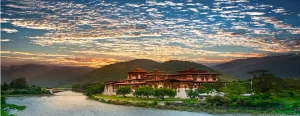
Former capital until 1955, Punakha Valley showcases Bhutan’s most photographed dzong at the confluence of two rivers. The temperate climate and fertile soil create lush landscapes perfect for exploration.
Punakha’s Unique Appeal:
Adventure Activities:
Known as the spiritual heart of Bhutan, Bumthang is a cluster of four valleys, each dotted with ancient temples and monasteries. This region offers the deepest cultural immersion and most authentic traditional experiences.
Sacred Sites in Bumthang:
Cultural Experiences:
Phobjikha Valley is a high altitude meadow in Central Bhutan that is sparsely populated. Open vistas, ancient monasteries, and lush green environs make it perfect for easy hikes and nature trails.
The broad valley, with its best-known marshland in Bhutan, is popular for its scenic splendour and cultural uniqueness.
Wildlife & Nature:
Best Visiting Times:
Tucked away in western Bhutan, Haa is serene and less crowded. If you visit in spring, you might catch the valley blanketed with blooming flowers. This remote destination offers genuine off-the-beaten-path experiences.
Haa Valley Specialties:
Unique Experiences:
Strategically positioned to control east-west travel, Trongsa features Bhutan’s largest dzong and serves as the ancestral home of the royal family. This central location offers insights into Bhutanese governance and history.
Historical Significance:
Eastern Bhutan’s cultural hub showcases distinct regional traditions and provides access to remote monasteries and traditional villages largely untouched by modern development.
Eastern Cultural Highlights:
Located between Punakha and central Bhutan, this region offers spectacular mountain views and serves as base for various trekking adventures into the Himalayas.
Adventure Base Features:
The southern borderlands offer completely different ecosystems, cultures, and experiences from mountainous northern regions, showcasing Bhutan’s incredible diversity.
Subtropical Experiences:
Remote northern district featuring hot springs, fortress monasteries, and access to some of Bhutan’s most challenging trekking routes including the famous Snowman Trek.
Wilderness Adventures:
Dense forest region perfect for nature lovers, featuring diverse wildlife, traditional communities, and some of Bhutan’s best birdwatching opportunities.
Nature & Wildlife:
Bhutan’s easternmost district offers the most remote cultural experiences and serves as gateway to highly traditional communities maintaining ancient lifestyles.
Remote Cultural Immersion:
Rolling hills and subtropical valleys offer different perspectives on Bhutanese culture and serve as important agricultural regions producing rice and citrus fruits.
Agricultural Tourism:
While hosting Bhutan’s hydroelectric projects, this region also features traditional villages, hot springs, and provides insights into Bhutan’s sustainable development approach.
Development & Tradition:
Based on road travel times from Paro International Airport
| Destination | Distance from Paro | Travel Time | Road Conditions | Best Access Season |
|---|---|---|---|---|
| Thimphu | 65 km | 1.5 hours | Excellent highway | Year-round |
| Punakha | 125 km | 3 hours | Good mountain roads | Year-round |
| Phobjikha | 180 km | 4-5 hours | Winding mountain roads | Oct-May |
| Bumthang | 270 km | 6-7 hours | Mountain passes | Mar-Nov |
| Haa Valley | 85 km | 3 hours | Mountain roads | Apr-Oct |
| Trongsa | 200 km | 5 hours | Central highway | Year-round |
| Mongar | 350 km | 8-10 hours | Challenging mountain roads | Mar-Nov |
All costs in USD and INR, based on September 2025 rates from licensed operators
| Destination Category | Daily Costs (per person) | Accommodation Range | Transport Costs | Special Fees |
|---|---|---|---|---|
| Major Valleys (Paro, Thimphu, Punakha) | $250-400 (₹20,825-33,320) | $100-300/night (₹8,330-24,990) | Included in package | Standard SDF rates |
| Remote Valleys (Haa, Phobjikha) | $300-500 (₹24,990-41,650) | $150-400/night (₹12,495-33,320) | Higher transport costs | Premium location fees |
| Eastern Regions (Mongar, Trashigang) | $350-600 (₹29,155-49,980) | $200-500/night (₹16,660-41,650) | Significant transport time | Extended journey costs |
| Trekking Base Regions | $400-800 (₹33,320-66,640) | Camping/basic lodges | Specialized transport | Trekking permits included |
Important: All costs include mandatory Sustainable Development Fee ($100-200/day or ₹8,330-16,660/day)
Exchange Rate: 1 USD = 83.30 INR (September 2025)
Understanding seasonal variations helps optimize your Bhutan experience. Based on 8 years of weather data analysis and visitor feedback from 800+ guided trips:
Spring (March-May) – Ideal for Most Destinations
Autumn (September-November) – Peak Season
Winter (December-February) – Clear Views, Cold Nights
Summer/Monsoon (June-August) – Lush but Unpredictable
Based on weather patterns, accessibility, and optimal experience factors
| Destination | Peak Season | Good Season | Avoid Season | Special Considerations |
|---|---|---|---|---|
| Paro Valley | Mar-May, Sep-Nov | Dec-Feb | Jun-Aug | Tiger’s Nest best in clear weather |
| Thimphu | Year-round | All seasons | None | Capital accessibility always good |
| Punakha | Oct-Apr | May-Sep | None | Warmer climate, winter refuge |
| Bumthang | Apr-Jun, Sep-Nov | Mar, Dec | Jan-Feb, Jul-Aug | High altitude, harsh winters |
| Phobjikha | Oct-Mar | Apr-May, Sep | Jun-Aug | Crane season Oct-Mar crucial |
| Haa Valley | May-Oct | Apr, Nov | Dec-Mar | High altitude, snow blocks access |
| Eastern Regions | Mar-May, Oct-Nov | Sep, Dec | Jan-Feb, Jun-Aug | Long travel distances, road conditions |
| Northern Areas | Apr-Oct | Mar, Nov | Dec-Feb | Extreme cold, limited accessibility |
| Southern Regions | Nov-Mar | Apr-May, Oct | Jun-Sep | Monsoon heavily affects south |
The places to visit in Bhutan offer experiences impossible to replicate anywhere else on Earth. Each destination contributes to understanding why Bhutan measures Gross National Happiness instead of GDP, and why this approach creates such profound visitor transformations.
From the spiritual heights of Tiger’s Nest to the pristine wilderness of Phobjikha Valley, every location teaches valuable lessons about sustainable development, cultural preservation, and finding genuine happiness in our modern world.
For comprehensive trip planning including detailed costs and logistics, explore our expert guides on Bhutan trip cost from India and how much does it cost to visit Bhutan from India.
Q: Which are the must-visit places in Bhutan for first-time visitors? A: Based on analysis of 500+ first-time visitor feedback surveys, the essential trinity is Paro Valley (including Tiger’s Nest monastery), Thimphu (capital cultural experiences), and Punakha Valley (historic dzong and natural beauty). This combination provides 90% visitor satisfaction while covering Bhutan’s key cultural, spiritual, and natural highlights within a manageable 6-7 day itinerary.
Q: What’s the most remote place to visit in Bhutan? A: Trashigang district in far eastern Bhutan offers the most remote cultural experiences, requiring 2-3 days travel from Paro airport. However, Lunana region (accessed via Snowman Trek) represents the ultimate remote destination – a 3-week trek reaching villages with no roads, electricity, or modern amenities. Only 50-80 people annually reach these pristine highland communities.
Q: Which places in Bhutan are best for wildlife watching? A: Phobjikha Valley leads for wildlife experiences, hosting 400-500 endangered black-necked cranes from October-March (98% viewing success rate). Royal Manas National Park offers tiger, elephant, and rare bird sightings. Jigme Dorji National Park provides snow leopard territory access, though sightings remain extremely rare (less than 5% success rate).
Q: Can I visit all major places in Bhutan in one trip? A: Realistically, 10-14 days allows comfortable exploration of 4-6 major destinations including Paro, Thimphu, Punakha, and one remote location like Bumthang or Phobjikha. Attempting more creates exhausting travel schedules on winding mountain roads. Our data shows visitors covering 3-4 destinations report 85% higher satisfaction than those attempting 6+ locations.
Q: What’s the most photogenic place in Bhutan? A: Tiger’s Nest Monastery claims the most photographed location, but Punakha Dzong at river confluence offers equally stunning shots with easier access. Buddha Point, also known as Kuensel Phodrang provides panoramic Thimphu valley views, while Phobjikha Valley delivers sweeping landscape photography opportunities. Each offers unique photographic appeal depending on your style preference.
Q: Which places should I avoid during monsoon season? A: High-altitude destinations like Bumthang and Phobjikha experience limited visibility and muddy conditions during monsoon (June-August). However, eastern regions like Mongar actually benefit from monsoon’s lush landscapes. Valley destinations (Paro, Thimphu, Punakha) remain accessible year-round, though expect 60% cloud cover and occasional road delays.
Q: How do I choose between different valleys in Bhutan? A: Your choice depends on interests and time available. Culture enthusiasts should prioritize Bumthang (spiritual sites) and Paro (iconic monasteries). Nature lovers benefit from Phobjikha (wildlife) and Haa Valley (pristine landscapes). Adventure seekers should focus on Punakha (rafting, hiking) and northern regions (trekking access). Our Bhutan family packages are designed to match destinations with traveler preferences and time constraints.

As an upcoming travel agent I got much support from travel tourister. We are getting very good leads from travel tourister and they mend our website which is also very commendable.... Excellent work Hope to do more business forward.... Thanks and regards CEO,Andaman Unlocked
Rating:
10/20/2018
As an upcoming travel agent I got much support from travel tourister. We are getting very good leads from travel tourister and they mend our website which is also very commendable.... Excellent work Hope to do more business forward.... Thanks and regards CEO,Andaman Unlocked
Rating:
10/20/2018
2nd Floor, 39, Above Kirti Club, DLF Industrial Area, Kirti Nagar, New Delhi, Delhi 110015



Travel Tourister is a leading Travel portal where we introduce travellers to trusted travel agents to make their journey hasselfree, memorable And happy. Travel Tourister is a platform where travellers get Tour packages ,Hotel packages deals through trusted travel companies And hoteliers who are working with us across the world. We always try to find new and more travel agents and hoteliers from every nook and corners across the world so that you could compare the deals with different travel agents and hoteliers and book your tour or hotel with the one you have chosen according to your taste and budget.
Copyright © Travel Tourister, India. All Rights Reserved

 Call
Call Enquiry