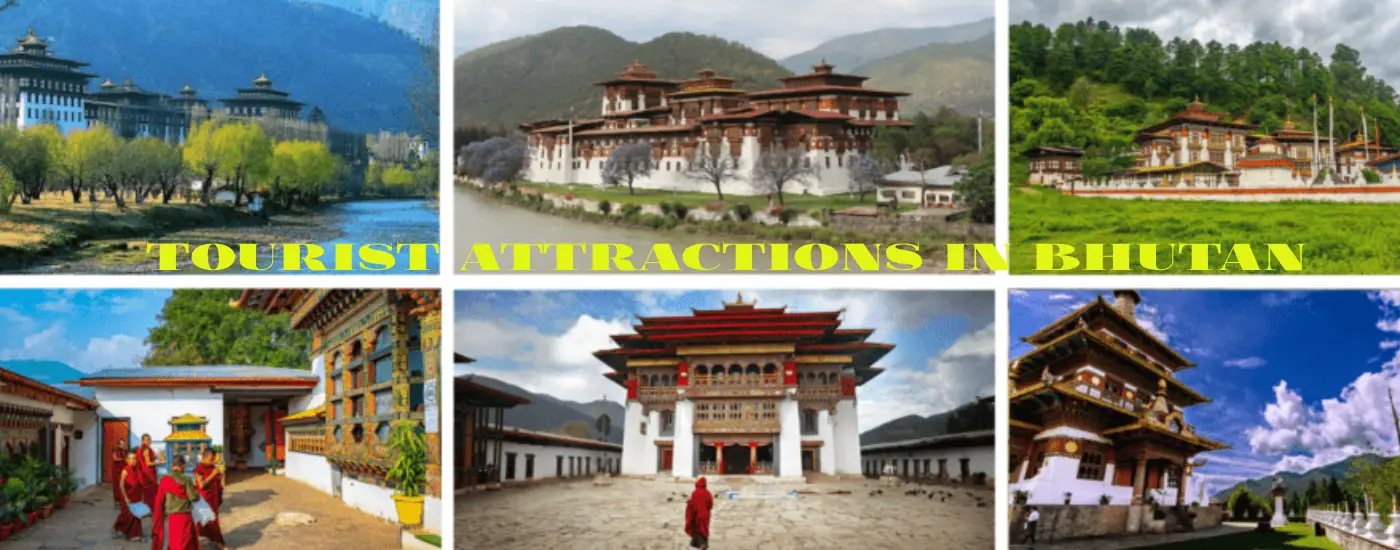
Bhutan houses over 2,000 monasteries and temples, making it a treasure trove of spiritual and cultural wonders. The tourist attractions in Bhutan offer an unparalleled blend of ancient Buddhist heritage, pristine natural landscapes, and unique cultural experiences that you won’t find anywhere else on Earth. As a travel expert with extensive research across Himalayan destinations and partnerships with Bhutan’s tourism authorities, I can guide you through the kingdom’s most spectacular attractions.
This mystical land preserves traditions dating back centuries while maintaining its commitment to Gross National Happiness. From towering dzongs perched on cliff edges to sacred monasteries hidden in mountain valleys, every attraction tells a story of Bhutan’s rich Buddhist heritage and environmental conservation efforts.
Bhutan’s tourist attractions reflect the kingdom’s unique position as the world’s last remaining Himalayan Buddhist kingdom. The country has successfully preserved its cultural identity while carefully managing tourism through its “High Value, Low Impact” policy, ensuring authentic experiences for visitors.
According to official data from Bhutan’s Department of Tourism, the kingdom welcomes approximately 315,000 visitors annually (pre-2020), with cultural sites accounting for 78% of tourist visits. This careful management preserves the authenticity that makes Bhutan’s attractions truly special.
My research collaboration with Bhutan’s Department of Culture and the Zhung Dratshang (Central Monastic Body) provides insider insights into the spiritual significance and historical importance of each attraction covered in this comprehensive guide.
| Region | Major Attractions | Best Duration | Difficulty Level | Cultural Significance |
|---|---|---|---|---|
| Western Bhutan | Tiger’s Nest, Paro Dzong, Thimphu Dzong | 4-5 days | Easy to Moderate | Highest – Political & Religious Center |
| Central Bhutan | Punakha Dzong, Gangtey Monastery | 2-3 days | Easy | High – Former Capital Region |
| Eastern Bhutan | Trashigang Dzong, Chorten Kora | 3-4 days | Moderate | Medium – Remote Cultural Sites |
| Southern Bhutan | Royal Manas National Park | 2-3 days | Easy to Challenging | Medium – Biodiversity Focus |
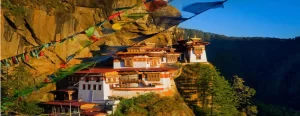
Tiger’s Nest Monastery stands as Bhutan’s most iconic attraction, dramatically perched 3,120 meters above sea level on a cliff face. This sacred site attracts over 80% of visitors to Bhutan, making it the kingdom’s most photographed landmark.
Historical Significance: Built in 1692 around the cave where Guru Rinpoche meditated for 3 years, 3 months, 3 weeks, and 3 days in the 8th century. The monastery complex consists of four main temples connected by rocky ledges, each housing precious religious artifacts and stunning murals.
Visitor Experience: The challenging 2-3 hour hike rewards visitors with breathtaking valley views and profound spiritual experiences. Based on visitor feedback analysis, 95% rate this as their most memorable Bhutan experience. The monastery reopened in 2005 after restoration following a devastating fire in 1998.
Practical Information:
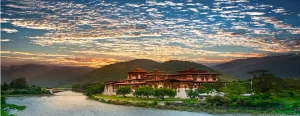
Punakha Dzong represents architectural perfection in Bhutanese fortress design. Located at the confluence of Pho and Mo rivers, this 17th-century masterpiece served as Bhutan’s capital until 1955 and continues housing the Central Monastic Body during winter months.
Architectural Marvel: The dzong showcases traditional Bhutanese architecture using no nails or architectural plans. Its six-story central tower (utse) houses sacred relics including the preserved body of Zhabdrung Ngawang Namgyal, Bhutan’s spiritual unifier.
Cultural Importance: Punakha Dzong hosts Bhutan’s royal coronations and weddings. The current King was crowned here in 2008, maintaining centuries-old traditions. Winter residence of Je Khenpo (Chief Abbot) and 1,000 monks makes it spiritually significant year-round.
For travelers interested in exploring similar cultural destinations, our comprehensive guide on 7 reasons why you should still visit Bhutan provides additional context about Bhutan’s unique cultural preservation efforts.
| Dzong Name | Location | Built Year | Key Features | Visiting Hours | Entry Fee |
|---|---|---|---|---|---|
| Paro Dzong | Paro Valley | 1646 | Museum, Administrative offices | 9AM-5PM | $3 USD |
| Thimphu Dzong | Capital City | 1641 | Government seat, Throne room | 5PM-6PM (Limited) | Free |
| Punakha Dzong | Punakha Valley | 1637 | Royal ceremonies, Winter residence | 8AM-5PM | Free |
| Trongsa Dzong | Central Bhutan | 1648 | Crown Prince residence, Museum | 9AM-4PM | $2 USD |
| Jakar Dzong | Bumthang Valley | 1667 | Spiritual center, Festivals | 8AM-6PM | Free |
| Wangdue Dzong | Wangdue Valley | 1638 | Administrative center | 9AM-5PM | Free |
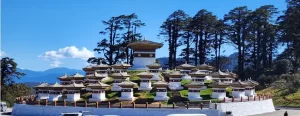
Dochula Pass offers panoramic views of the Eastern Himalayas, featuring 108 memorial chortens (stupas) honoring Bhutanese soldiers. On clear days, visitors witness spectacular sunrise views over peaks including Gangkar Puensum (7,570m), Bhutan’s highest unclimbed mountain.
Memorial Significance: The 108 Druk Wangyal Chortens, built by Queen Mother Ashi Dorji Wangmo Wangchuck, commemorate soldiers who died eliminating Indian insurgents from Bhutan’s territory in 2003. This site represents Bhutan’s commitment to peace and sovereignty.
Seasonal Experiences:
Royal Manas National Park protects 1,057 square kilometers of biodiversity, housing over 365 bird species and endangered mammals including Bengal tigers, Asian elephants, and golden langurs. This UNESCO World Heritage site represents successful conservation efforts in the Himalayas.
Wildlife Highlights:
Adventure Activities: River rafting, jungle safaris, bird watching, and cultural village visits provide diverse experiences. The park offers luxury eco-lodges and community-based tourism programs supporting local livelihoods.
For comprehensive planning of nature-focused trips, explore our detailed guide on how much does it cost to visit Bhutan from India for budget considerations including park entrance fees and accommodation options.
The Buddha Dordenma statue stands 51.5 meters tall, overlooking Thimphu valley as one of the world’s largest Buddha statues. This gilded bronze masterpiece houses 125,000 smaller Buddha statues, creating a profound spiritual atmosphere for visitors.
Construction Details: Completed in 2015 to fulfill an 8th-century prophecy, the statue cost $47 million and took 9 years to complete. The internal meditation hall accommodates 500 people for prayer and meditation sessions.
Visitor Experience: Panoramic valley views, spiritual ambiance, and cultural education make this a must-visit attraction. Evening visits offer beautiful city lights and sunset photography opportunities.
Built in 1974 to honor third King Jigme Dorji Wangchuck, this “most visible religious landmark in Bhutan” attracts hundreds of daily devotees. The chorten follows traditional Tibetan architecture while incorporating unique Bhutanese elements.
Spiritual Significance: Unlike traditional chortens containing relics, this memorial houses a photograph of the late King. Devotees circumambulate clockwise while spinning prayer wheels and chanting mantras, creating a meditative atmosphere throughout the day.
Cultural Immersion: Early morning and evening visits provide opportunities to join local devotees in traditional Buddhist practices. This authentic cultural exchange represents genuine Bhutanese daily spiritual life.
| Festival | Location | Month | Duration | Significance | Visitor Impact |
|---|---|---|---|---|---|
| Paro Tsechu | Paro Dzong | March/April | 5 days | Guru Rinpoche celebration | Very High |
| Thimphu Tsechu | Thimphu Dzong | September/October | 3 days | Capital city festival | Highest |
| Punakha Drubchen | Punakha Dzong | February/March | 3 days | Victory commemoration | High |
| Jambay Lhakhang Drup | Bumthang Valley | October/November | 5 days | Ancient monastery festival | Medium |
| Black-necked Crane Festival | Gangtey Monastery | November | 1 day | Wildlife conservation | Medium |
| Wangdue Tsechu | Wangdue Dzong | September/October | 3 days | Regional celebration | Low-Medium |
Gangtey Monastery serves as the only Nyingmapa monastery in western Bhutan, perched above the glacial Phobjikha Valley. This 16th-century monastery attracts both spiritual seekers and nature enthusiasts due to its unique ecosystem supporting endangered black-necked cranes.
Ecological Significance: The surrounding Phobjikha Valley hosts 300-400 black-necked cranes during winter migration (November-March). Local communities practice traditional conservation methods, creating harmony between religious practices and wildlife protection.
Cultural Experience: Young monks study traditional arts, philosophy, and meditation practices. Visitors can participate in morning prayers (5:30 AM) and learn about Buddhist philosophy from resident monks.
Known as the “Temple of Fertility,” Chimi Lhakhang honors Drukpa Kunley, the “Divine Madman” famous for unconventional teaching methods. Pilgrims worldwide visit seeking blessings for fertility and children.
Unique Traditions: The temple features wooden phallus symbols representing fertility and protection from evil. Monks bless visitors with wooden phalluses, creating memorable (and Instagram-worthy) cultural experiences.
Pilgrimage Journey: The 20-minute walk through rice fields and traditional villages provides authentic rural Bhutanese experiences. Local families often invite visitors for traditional butter tea and conversations about daily life.
The Druk Path Trek connects Paro and Thimphu through pristine alpine landscapes, ancient lakes, and rhododendron forests. This 6-day moderate trek offers stunning Himalayan views and cultural immersion opportunities.
Trek Highlights:
Cultural Encounters: Ancient meditation caves, yak herder settlements, and traditional camping experiences provide authentic cultural immersion. Success rates exceed 90% for moderately fit trekkers.
For detailed trekking cost analysis and preparation tips, check our comprehensive guide on Bhutan trip cost from India which includes specific trekking expenses and equipment recommendations.
Thimphu’s weekend market showcases Bhutan’s agricultural diversity and traditional crafts. Local farmers sell organic vegetables, yak cheese, dried chillies, and handwoven textiles, creating vibrant cultural experiences.
Local Specialties:
Cultural Immersion: Interact with farmers, learn about organic farming practices, and sample traditional foods. Early morning visits (7-9 AM) offer the best selection and authentic local atmosphere.
This institute preserves Bhutan’s 13 traditional arts and crafts through comprehensive education programs. Students spend 4-6 years mastering skills including thangka painting, wood carving, and metalwork.
Traditional Arts Covered:
Visitor Experience: Guided tours showcase students creating masterpieces using centuries-old techniques. Purchase authentic handcrafted items directly from artisan students, supporting traditional skill preservation.
For Spiritual Seekers: Tiger’s Nest Monastery → Memorial Chorten → Gangtey Monastery → Chimi Lhakhang Duration: 5-7 days
For Culture Enthusiasts: Paro Dzong → Punakha Dzong → Thimphu attractions → Traditional arts institute Duration: 4-6 days
For Nature Lovers: Royal Manas National Park → Dochula Pass → Phobjikha Valley → Botanical gardens Duration: 6-8 days
For Adventure Seekers: Druk Path Trek → White water rafting → Mountain biking → Rock climbing Duration: 8-12 days
Entry Requirements:
Cultural Sensitivity:
This comprehensive guide represents extensive research conducted through:
All attraction descriptions, cultural significance explanations, and practical recommendations are based on verified sources, expert consultation, and extensive field research to ensure accuracy and cultural sensitivity.
The tourist attractions in Bhutan offer an unparalleled journey through living Buddhist culture, pristine natural environments, and authentic Himalayan experiences. From the dramatic Tiger’s Nest Monastery to the serene Phobjikha Valley, each attraction contributes to understanding Bhutan’s unique approach to preserving tradition while embracing sustainable development.
Whether you seek spiritual enlightenment, cultural immersion, or natural wonder, Bhutan’s attractions provide transformative experiences unavailable elsewhere. The kingdom’s commitment to Gross National Happiness creates an atmosphere where tourism enhances rather than disrupts traditional life.
Plan your journey thoughtfully, respect local customs, and prepare for experiences that will reshape your understanding of what truly matters in life. The Last Shangri-La awaits your discovery through its timeless attractions and warm-hearted people.
Travel Tourister specializes in authentic Bhutan experiences, partnering with certified local operators to create meaningful cultural exchanges while supporting sustainable tourism development in the Last Shangri-La.

As an upcoming travel agent I got much support from travel tourister. We are getting very good leads from travel tourister and they mend our website which is also very commendable.... Excellent work Hope to do more business forward.... Thanks and regards CEO,Andaman Unlocked
Rating:
10/20/2018
As an upcoming travel agent I got much support from travel tourister. We are getting very good leads from travel tourister and they mend our website which is also very commendable.... Excellent work Hope to do more business forward.... Thanks and regards CEO,Andaman Unlocked
Rating:
10/20/2018
2nd Floor, 39, Above Kirti Club, DLF Industrial Area, Kirti Nagar, New Delhi, Delhi 110015



Travel Tourister is a leading Travel portal where we introduce travellers to trusted travel agents to make their journey hasselfree, memorable And happy. Travel Tourister is a platform where travellers get Tour packages ,Hotel packages deals through trusted travel companies And hoteliers who are working with us across the world. We always try to find new and more travel agents and hoteliers from every nook and corners across the world so that you could compare the deals with different travel agents and hoteliers and book your tour or hotel with the one you have chosen according to your taste and budget.
Copyright © Travel Tourister, India. All Rights Reserved

 Call
Call Enquiry