Published on : 03 Jan 2026
Last Updated: January 3, 2026 | Reading Time: 14 minutes
While travelers spend €180 per night for mediocre hotels in Greece and battle crowds on Croatian beaches, a stunning Mediterranean secret sits just across the Adriatic Sea. Albania—a country that was completely isolated from the world until 1992—is exploding onto the travel scene with crystal-clear beaches rivaling the Greek islands, UNESCO World Heritage sites, and daily costs 40-60% lower than its famous neighbors.
I’ve spent months researching Albania’s transformation from Europe’s hidden gem to its hottest emerging destination. Here’s everything you need to know about why Albania is Europe’s best value destination for 2026—and why you should visit before the secret spreads even further.
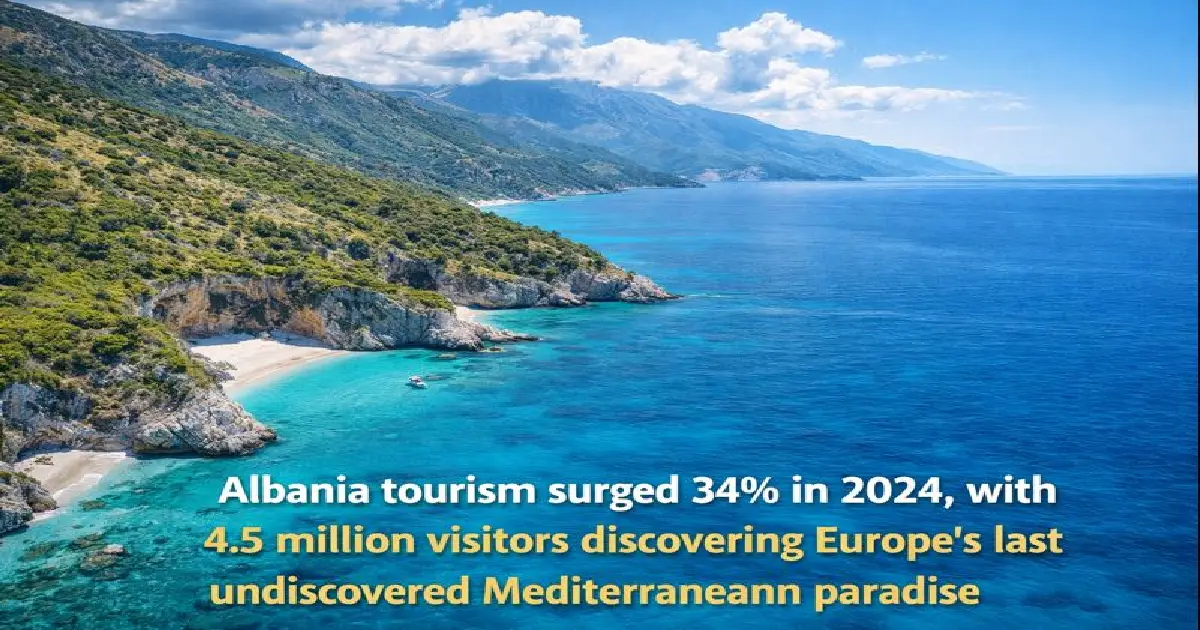
4.5 million foreign visitors visited Albania in the first six months of 2024, marking a 34% increase compared to the same period in 2023. This isn’t a temporary spike—it’s a sustained tourism revolution driven by social media discovery, improved infrastructure, and travelers seeking alternatives to overcrowded, overpriced Mediterranean destinations.
1. The Affordability Factor You can travel in Albania for 40-60% less than Greece and 30-50% less than Croatia while experiencing authentic Mediterranean culture, beautiful beaches, and incredible food. Where Greece charges €100 for a decent hotel room, Albania delivers comparable quality for €35-40.
2. Social Media Discovery TikTok and Instagram are all over Albania, with savvy content creators turning away from done-to-death locations such as Dubai and the Maldives, seeking out fresh and original backdrops. The #AlbanianRiviera hashtag has millions of views, fueling organic discovery among younger travelers.
3. Improved Connectivity There are more flights into Albania than ever before, with a 141% increase in daily flight traffic since 2019. Ryanair established a new 3-aircraft base at Tirana in April 2026, bringing 450 weekly flights to the city, making Albania more accessible than ever from major European hubs.
4. Escaping Overtourism In 2021, 5.52 million people visited Albania, while Greece had 14.71 million—nearly triple the number. Travelers tired of shoulder-to-shoulder crowds in Dubrovnik and Santorini are discovering Albania’s similarly stunning coastline without the tourist crush.
5. The Last Undiscovered Mediterranean Albania is what the Mediterranean looked like 50 years ago—before mass tourism arrived. This authentic, unspoiled character is precisely what modern travelers crave.
Albania consistently ranks among Europe’s most affordable destinations. Here’s the complete budget breakdown:
Budget travelers spend $43 per person per day on average in Albania, making it accessible even for shoestring backpackers.
Accommodation: Hostels cost 10-15 euros per night, with Airbnbs available for 20-25 euros per night. Hostel dorm beds range from $10 to $20 per night.
Food: Greek salads and meals at local restaurants cost surprisingly little. Street food meals cost as little as $2 to $5, while dining at local eateries runs $5-15 per meal.
Transport: Public transportation costs around 40 ALL per ride, with the airport shuttle to Tirana costing 400 ALL (one-way). Bus and train fares are relatively low, with prices typically ranging from $1 to $5 for intercity travel.
Activities: Historical sites cost between 3-10 euros depending on the castle/site, with many FREE activities across Albania.
Daily Budget Breakdown:
Total: $43-83/day
Mid-range travelers spend $105 per person per day on average, enjoying comfortable accommodations and sit-down dining without breaking the bank.
Accommodation: Hotels with more amenities typically cost between $30 to $60 per night for a double room. Budget hotel rooms cost between €25-€40 in Albania, with €32 being the average for a double occupancy room.
Food: Food and drinks run 15-20 euros per day for local restaurants & bakeries. Mid-range restaurants offer excellent value with fresh seafood and traditional dishes.
Transport: Car rental costs 20 euros a day (including insurance), with one tank of petrol covering extensive coastal drives. Bus trips between cities cost 3-12 euros per trip.
Activities: All major attractions included, plus guided tours and boat trips.
Daily Budget Breakdown:
Total: $105-200/day
Luxury travelers spend around $251 per day, enjoying Albania’s growing premium hospitality sector at prices far below Western European luxury destinations.
Accommodation: Upscale hotels and resorts range from $80 to $150 per night or more. New international hotel chains like Marriott, Hyatt, and Melia Hotels have established properties in Tirana and coastal areas.
Dining: Award-winning restaurants, fresh Adriatic seafood, wine pairings.
Transport: Private drivers, premium car rentals, domestic flights.
Experiences: Private boat tours, helicopter tours, spa treatments, exclusive wine tastings.
Daily Budget Breakdown:
Total: $330-650/day for luxury experiences
Here’s why Albania wins on value:
| Item | Albania | Greece | Croatia |
|---|---|---|---|
| 3-Star Hotel | $35-50 | $100-120 | $80-110 |
| Beachfront Lunch | $8-12 | $22-30 | $18-25 |
| Beer (pint) | $2-3 | $7-9 | $5-7 |
| Coffee | $1-2 | $4-5 | $3-4 |
| Museum Entry | $5-10 | $15-20 | $12-18 |
| Beach Chair/Day | €2-5 | €15-25 | €10-20 |
| Taxi (10km) | $8-12 | $20-30 | $15-25 |
Real Traveler Example: A simple coffee and pastry in the Sporades islands cost double what a full breakfast plate with java and mimosa cost on the beach in Himarë, Albania. By dinner, travelers pay 250% more for the same meal of grilled fish and a glass of wine at a similarly casual restaurant in Greece.
Accommodation Comparison:
You could take around €50 per day to Albania for your holiday, covering accommodation, meals and transportation—less than half what you’d spend for comparable experiences in Greece or Croatia.
Albania’s Riviera offers crystal-clear, vivid blue sea with plentiful beaches juxtaposed with hidden caves rising inside of coastal cliffs like cathedrals. Beautiful beaches rival nearby Greece with their white purity and transparent Adriatic shallows, where you can holiday for half the price.
1. Ksamil: Albania’s Crown Jewel If you do an image search of the ‘Albanian Riviera’, the majority of images are of Ksamil because it’s picture perfect. Three small islands dot turquoise waters just offshore, creating an otherworldly landscape. Ksamil is close to Greece and features three small islands surrounded by turquoise waters.
Best for: Day-trippers from Saranda, families, Instagram content, swimming Cost: Beach chairs €2-5/day (€3 after 3pm) Water: Crystal-clear turquoise, warm June-September
2. Dhërmi (Dhermi): Mountain-Backed Paradise This might just be Albania’s best-loved beach town, a gash of tropical blue glimpsed as you crest the dramatic Llogara Pass. White pebble beaches include Livadhi Bay (edged by olive trees) and Potami Beach (between sea and river).
Best for: Beach clubs, nightlife, scenic drives, paragliding from Llogara Pass Cost: Beach clubs €5-10/day Vibe: Trendy, younger crowd, music festivals
3. Borsh Beach: Albania’s Longest Against a rustic backdrop of peaks, olive groves and grazing goats, the largest beach in Albania is impressive: an unspoilt magic carpet of pure-white pebbles unfurling for 7km along the Albanian Riviera.
Best for: Peace and quiet, long beach walks, avoiding crowds Cost: Free public access, some paid sections €3-5 Unique: Albanian Muslim village nearby, castle ruins, hidden mosques
4. Himarë (Himara): Authentic Coastal Town Multiple beaches, excellent restaurants, traditional atmosphere. A full breakfast plate with java and mimosa on the beach in Himarë costs less than a simple coffee and pastry in Greek islands.
Best for: Base for exploring Albanian Riviera, authentic experience, good value Beaches: Multiple coves and bays within walking distance Food scene: Best value on the coast
5. Gjipe Beach: Hidden Adventure Gjipe Beach requires a 20-30 minute hike to reach but rewards with stunning scenery. Wedged into hills between Himarë and Porto Palermo, this small beach offers crystal-clear water and dramatic canyon setting.
Best for: Adventure seekers, photographers, escaping crowds Access: 30-minute hike from road Facilities: Small restaurants, bring your own water
6. Jale Beach: Beach Club Central Young, energetic vibe with multiple beach clubs and bars. Summer music festivals draw international DJs.
Best for: Nightlife, beach parties, social atmosphere Festivals: Kala Festival and other summer music events
7. Saranda: Gateway to Albanian Riviera The coastal town of Saranda is considered the unofficial capital of the Albanian Riviera, near the border with Greece—directly across the Ionian Sea from the island of Corfu.
Best for: Base location, ferry connections to Corfu, day trips to Butrint Beaches: Pulebardha Beach and multiple accessible coves Bonus: Pulebardha is a pebbly beach, lapped by clear shallows flickering with fish, a reminder of the Med as it used to be before mass tourism
Fewer Crowds: While the beaches of both countries serve up that magnificent Mediterranean feel, Albania’s stretches of sand come out the winner simply because there are fewer people to block the scenery. Even during summer on the Albanian Riviera, it is possible to find empty beaches and last-minute affordable accommodations.
Better Value: Beach chairs that cost €20-25 in Mykonos run €2-5 in Albania. The majority of beaches are privately owned and back onto restaurants that supply beach lounges and umbrellas for a couple of euros for the day.
Authentic Experience: The distinct advantage of traveling to Albania is that tourists do not flock here with the same fervor as Greece or Croatia, freeing up more space on the beach and in hotels and restaurants.
Dramatic Scenery: The Albanian Riviera is dramatic, unspoiled, and more diverse in its raw beauty, with turquoise bays surrounded by mountains and hidden beaches like Gjipe.
1. Butrint: Ancient Wonder Butrint is Albania’s crowning jewel—a prehistoric UNESCO site that was an Ancient Greek and later Roman city with evidence of habitation as far back as the 12th century BC.
What to see: Ancient theater, baptistery, great basilica, castle, city walls Setting: Natural woodland with complex ecosystem on Lake Butrint Cost: ~€10 entry Time needed: 2-3 hours Best time: Morning (cooler temperatures, better light)
When visiting in July at 36 degrees, Butrint feels like a calm and cool oasis—the blue water turning slowly lighter as it heads downstream, contrasting with surrounding green trees and vines.
2. Berat: “City of a Thousand Windows” Ottoman-era architecture, castle, Orthodox churches, distinctive white houses cascading down hillsides.
Highlights: Berat Castle, Onufri Museum, Gorica Bridge, old town quarters Stay: Hotel Mangalemi offers family-friendly accommodation in Berat UNESCO status: Cultural significance, Ottoman Empire architecture Perfect for: History buffs, photographers, architecture enthusiasts
3. Gjirokastër: Stone City Distinctive stone architecture, imposing castle, traditional bazaar. Another Ottoman-era gem.
Highlights: Gjirokastër Castle, Ethnographic Museum, Old Bazaar Unique: Slate-roofed houses, fortress town atmosphere Day trip: Accessible from Saranda (30-45 minutes drive)
Blue Eye Spring (Syri i Kaltër) The Blue Eye’s stunning blue water is as beautiful in real life as in photos, though the water is absolutely freezing. Natural spring with impossibly blue water emerging from underground river.
Access: 30km from Saranda, day trip by car/tour Cost: €3-5 entry Swimming: Possible but very cold even in summer Best time: Morning (fewer visitors)
Albanian Alps (Valbona & Theth) The Albanian Alps are among the most valuable and unique features of the northern region, offering dramatic mountain landscapes, glacial lakes, traditional stone villages.
Activities: Multi-day hikes, homestays, cultural immersion Season: June-September only Cost: Theth guest houses charge 40 euros per person including dinner and breakfast Famous hike: Valbona to Theth pass (6-8 hours)
Llogara Pass Dramatic mountain pass with stunning views over Albanian Riviera below. Llogara National Park is well known for its diversified biodiversity and natural environment, relatively unaffected by human development.
Activities: Paragliding, hiking, photography View: Panoramic coastline views from 1,000+ meters Stop: Mandatory photo opportunity when driving coast
Tirana: The Capital Albania’s capital is rapidly transforming into a vibrant, cosmopolitan city with bustling cafes, eclectic museums, and trendy shops and galleries.
Must-see: Skanderbeg Square, National Museum, Pyramid of Tirana, Bunk’Art museums, Mount Dajti cable car Vibe: Colorful buildings, café culture, communist-era relics transformed Food: Thriving restaurant scene, traditional and modern fusion Stay: Dinasty Hotel in Tirana offers family-friendly options
Shkodër: Gateway to the North Shkodër has been founded since the 4th century BC by Illyrian tribes, exerting strong influences in culture, religion, arts and entertainment of northern Albania.
Highlights: Rozafa Castle, Lake Shkodër (largest in Southern Europe), old town Base for: Albanian Alps, Lake Shkodër boat trips Character: Traditional northern Albanian culture
Food is super cheap in Albania and is some of the best in all of Europe. Albanian cuisine blends Mediterranean, Balkan, and Ottoman influences into delicious, affordable meals.
Byrek – Savory pastry filled with cheese, spinach, or meat. Breakfast staple. Cost: €1-2 from bakeries
Tavë Kosi – Baked lamb with rice and yogurt sauce. National dish. Cost: €6-8 at local restaurants
Qofte – Grilled meatballs, served with salad and bread. Cost: €4-6
Fresh Seafood – Fresh grilled prawns at Beach Bar Restaurant Korali cost less than £8/$11USD. Octopus, sea bass, mussels all incredibly fresh and affordable.
Fërgesë – Baked peppers, tomatoes, and cheese (sometimes with meat). Cost: €5-7
Baklava & Kadaif – Ottoman-influenced sweets, honey-soaked perfection. Cost: €2-3
Local Restaurants: 15-20 euros per day for local restaurants & bakeries Tourist Areas: Restaurant prices in Theth, Valbona and Himara were significantly higher than other areas, but still very affordable
Budget Tip: Look for “denní menu” (daily menu) signs for the best lunch deals at 150-180 CZK vs 300+ CZK at tourist restaurants
Wine: Local wine carafes cost about £3/$4 at restaurants. Albania’s wine regions produce excellent reds and whites at bargain prices.
Raki: Traditional grape brandy—Albania’s national spirit. Often served complimentary after meals.
By Bus (Cheapest): Bus travel in Albania is very cheap with popular routes including Tirana to Berat (400 LEK/€3.20), Tirana to Saranda (€12), and Tirana to Vlore (500 LEK/€4.10).
Pros: Extremely affordable, connects major towns Cons: Bus travel is not organized the same way as in Western countries—many buses are independently owned by drivers, making it more informal. May stop frequently for passengers.
Popular Routes:
By Car (Most Flexible): Car rental costs 20 euros a day (including insurance), and you can drive all down the Albanian Riviera and back to Tirana on one tank.
Pros: Complete freedom, access to remote beaches and mountains Cons: Roads can be challenging, and parking in historic towns like Gjirokastër can be difficult
Rental Cost: €20-50 per day depending on vehicle Petrol: €25 for 2-3 hour drives Best for: Coastal road trips, Albanian Alps access
By Taxi: Taxis charge 300 ALL to turn on the meter plus another 300 ALL for every kilometer. There is no Uber in Albania, so prices can be relatively high.
Pro tip: Ask your accommodation to help you sort a ride, or in Tirana, use Blue Taxi which is reliable
From Airport: Taxi from Tirana airport costs around 2,500 ALL to city center vs 400 ALL for airport shuttle.
By Ferry: Saranda to Corfu (Greece): Regular ferry service connects Albanian Riviera to Greek islands. Cost: €20-30 one-way Duration: 30-45 minutes Perfect for: Combining Albania/Greece itineraries
Weather: Warm but not scorching (20-25°C/68-77°F) Crowds: Moderate—locals on holiday but manageable Prices: 20-30% cheaper than peak summer Sea temperature: Comfortable for swimming Why: Perfect balance of weather, value, and experience
Weather: Hot (28-35°C/82-95°F), perfect beach weather Crowds: Peak summer season draws more locals and tourists to beaches Prices: Summer peak season sees prices increase, though still affordable compared to Western Europe Sea temperature: Warmest (24-26°C) Why visit: Best beach weather, all facilities open, lively atmosphere Why skip: Highest prices, most crowded beaches and accommodations
Weather: Pleasant (15-22°C/59-72°F), occasional rain Crowds: Very light, mostly locals Prices: 30-40% cheaper than summer Sea temperature: Cool but swimmable for brave souls Why: If you visit in September or October, you can avoid crowds and travel on budget, with temperatures still around 26 degrees and warm seawater at a pleasant 26 degrees in Saranda
Weather: Cool to cold (8-15°C/46-59°F), significant rain Crowds: Minimal Prices: Those who want to get the most bang for their buck should plan to travel during off season from November to March, when prices are at their cheapest Sea temperature: Too cold for swimming Why visit: Rock-bottom prices, cultural immersion, hiking in southern regions Why skip: Weather can get very cold, and coastal areas don’t expect swimming
Special Note on Albanian Alps: Hiking trails in the mountains are only open from June until September, so you must travel in summer months to the Albanian Alps.
Day 1: Tirana
Day 2-3: Berat
Day 4-5: Himarë or Dhërmi
Day 6-7: Saranda & Ksamil
Budget: €300-500 total (mid-range)
Day 1-2: Tirana
Day 3: Shkodër
Day 4-5: Albanian Alps (Theth or Valbona)
Day 6: Berat
Day 7: Gjirokastër
Day 8-9: Albanian Riviera
Day 10: Saranda & Ksamil
Budget: €600-1000 total (mid-range)
Day 1: Arrive Tirana → Himarë (3 hours)
Day 2-3: Himarë Base
Day 4: Himarë → Saranda via Borsh
Day 5: Butrint Morning, Afternoon Depart
Budget: €250-400 total (mid-range)
Currency: Albanian Lek (ALL). Exchange rate: €1 = 100 ALL, $1 = 90 ALL (approximate)
Cash Culture: Albania uses lek as its currency, and due to the country’s history, you’ll be expected to pay in cash for almost everything, especially accommodation. Even if you reserve online through Booking.com, you’ll be expected to meet the owner in person and pay in cash when you check-in.
ATMs: Widely available in cities and towns. Use bank ATMs for best rates.
Exchange: Bring some cash money with you for your trip to Albania, as currency exchange is cheaper than withdrawing cash from ATM machines. Avoid exchange offices at airport/tourist areas.
Cards: Many restaurants and hotels accept cards, but always have cash backup.
Albania is very safe for travelers. The Albanian Riviera is very safe, full of local families having fun—safer than many other European locations.
What to watch for:
Women travelers: Albania is safe for solo female travelers, with locals generally helpful and respectful
Official language: Albanian English: Widely spoken in tourist areas, hotels, and restaurants—especially among younger generations Useful phrases:
US Citizens: Visa-free for stays up to one year UK Citizens: Visa-free for stays up to 90 days EU Citizens: Visa-free for stays up to 90 days Canadian/Australian: Visa-free for stays up to 90 days
Passport validity: Must be valid for at least 3 months beyond your planned departure
SIM Cards: Available at airport and shops. Popular providers: Vodafone, ALBtelecom, One Cost: €5-10 for tourist packages with data WiFi: Available at most hotels, restaurants, and cafes Coverage: Good in cities and coastal areas, limited in remote mountains
Tirana:
Albanian Riviera:
Albanian Alps:
1. Cash-Only Culture Many accommodations require cash payment even when booked online. Budget extra cash beyond your daily spending estimates.
2. Mountain Guesthouse Costs Theth guest houses charge 40 euros per person including dinner and breakfast—significantly higher than coastal areas due to remote location and transport costs.
3. Peak Season Beach Prices Restaurant prices in Theth, Valbona and Himara were significantly higher than other areas during summer months. Beach chairs in prime locations can jump from €2 to €10 in July-August.
4. Informal Transport Local buses may not run on fixed schedules. Factor in potential taxi costs or delays when planning tight connections.
5. Remote ATM Access Mountain villages and small coastal towns may lack ATMs. Bring sufficient cash when heading to rural areas.
1. Visit Off-Peak Those who want to get the most bang for their buck should plan to travel during off season from November to March, when prices are at their cheapest. If you visit in September or October, you can avoid crowds and travel on budget.
2. Stay in Local Guesthouses Family-run accommodations cost €20-35 vs €50-80 for tourist hotels, often including breakfast and local insights.
3. Eat at Local Restaurants Avoid beachfront tourist traps. Walk 5-10 minutes inland for authentic Albanian food at half the price. Look for where locals eat.
4. Rent a Car for Groups At €20/day plus one tank of petrol for the whole coast, car rental splits well among 3-4 travelers and provides maximum flexibility.
5. Book Accommodation on Booking.com Often cheaper than booking directly, with more reviews and transparency. Just be prepared to pay cash on arrival.
6. Buy Groceries for Picnics Supermarkets offer fresh bread, cheese, tomatoes, and local wine for beach picnics at fraction of restaurant costs.
7. Travel Weekdays Albanian beaches are primarily frequented by locals, who mainly visit on weekends. Visit weekdays for quieter beaches and sometimes lower accommodation rates.
8. Combine with Greece Ferry from Saranda to Corfu costs €20-30. Combine Albania’s affordability with Greek island hopping for best value Mediterranean trip.
Authenticity: The distinct advantage of traveling to Albania is that tourists do not flock here with the same fervor as Greece or Croatia, freeing up more space on the beach and in hotels and restaurants. Albania offers what the Mediterranean looked like before mass tourism.
Value for Money: You could take around €50 per day to Albania for your holiday, covering accommodation, meals and transportation. The same budget barely covers accommodation alone in popular Greek islands or Croatian coast.
Uncrowded Experiences: While the beaches of both countries serve up that magnificent Mediterranean feel, Albania’s stretches of sand come out the winner simply because there are fewer people to block the scenery. Albanian Riviera beaches remain accessible even during peak summer.
Better Beach-to-Price Ratio: Beautiful beaches rival nearby Greece with their white purity and transparent Adriatic shallows, where you can holiday for half the price. Crystal-clear waters matching Santorini or Mykonos without the €200/night hotel bills.
Emerging Infrastructure: With Ryanair establishing a 3-aircraft base bringing 450 weekly flights, improved roads along the coast, and international hotel chains arriving, Albania now offers modern conveniences while maintaining authentic character—something Greece and Croatia lost decades ago.
Cultural Depth: Three UNESCO World Heritage sites (Butrint, Berat, Gjirokastër), Albanian Alps rivaling Dolomites, and Ottoman-era architecture provide cultural experiences matching famous neighbors at budget prices.
After extensive research into Albania’s tourism transformation, here’s my honest verdict:
✅ Mediterranean beaches without Mediterranean prices (40-60% savings) ✅ Authentic cultural experiences before mass tourism arrives ✅ Crystal-clear waters rivaling Greek islands ✅ UNESCO World Heritage sites without crowds ✅ Dramatic mountain landscapes (Albanian Alps) ✅ Excellent food at budget prices ✅ English-speaking locals in tourist areas ✅ Safe, welcoming atmosphere ✅ Instagram-worthy landscapes not yet oversaturated on social media ✅ The last undiscovered Mediterranean destination
❌ Luxury resort infrastructure (improving but limited vs Greece/Croatia) ❌ Organized tour packages (more DIY travel required) ❌ Predictable public transport schedules ❌ Nightlife matching Mykonos or Ibiza ❌ Card payments everywhere (cash still dominant) ❌ Flawless roads and highway infrastructure
Albania in 2026 represents a rare travel opportunity—a legitimate Mediterranean destination with stunning beaches, rich history, and authentic culture at prices 40-60% below famous neighbors. The 34% tourism growth and improved connectivity mean infrastructure is rapidly improving while costs remain remarkably low.
This is Albania’s moment. Tourism is doubling year-over-year, international hotel chains are arriving, and flight connectivity is exploding—but it hasn’t yet reached the tipping point where mass tourism destroys the authentic character travelers seek.
Visit now, before Albania becomes the next Croatia (overcrowded and overpriced). In 5-10 years, you’ll be telling people about discovering Albania before everyone else did.

Travel interest is climbing while Albania remains Europe’s best-value Mediterranean destination. But with 34% annual tourism growth, Ryanair’s new base bringing 450 weekly flights, and social media discovery accelerating, this window won’t last forever.
The secret is spreading. TikTok has millions of #AlbanianRiviera views. Travel bloggers are pivoting from overcrowded Croatian coast to Albania’s pristine beaches. International hotel chains are opening properties. Prices are already rising 10-15% annually in popular coastal areas.
Book flights 2-3 months ahead for best prices. Tirana airport connections from major European hubs cost €30-80 with budget airlines. US travelers can connect through Rome, Vienna, or Istanbul.
Reserve summer accommodations early. Even with rapid hotel development, Albanian Riviera properties book solid June-August. May and September offer better availability and value.
Consider shoulder season for maximum value. September-October provides 26°C temperatures, warm seawater, and 30-40% cost savings vs peak summer.
Albania won’t stay Europe’s best-kept secret much longer. Visit in 2026 before the rest of the world catches on.
| Category | Details |
|---|---|
| Tourism Growth | 34% increase (2024), 4.5M visitors |
| Daily Cost Range | $43-350 (budget to luxury) |
| Flight Cost from EU | €30-80 budget airlines |
| Best Time to Visit | May, June, September |
| Currency | Albanian Lek (ALL) – €1 = 100 ALL |
| Beach Chair Cost | €2-5 (vs €20-25 Greece) |
| 3-Star Hotel | $35-50 (vs $100+ Greece) |
| English Friendly | Yes in tourist areas |
| Visa (US/UK/EU) | Visa-free up to 90 days |
| Days Needed | 7-10 days ideal |
| Airport Code | TIA (Tirana Mother Teresa) |
| Safety Rating | Very safe for travelers |
Albania represents something increasingly rare in modern travel—genuine discovery. While Instagram influencers oversaturate Santorini and Dubrovnik becomes a cruise ship parking lot, Albania offers pristine Mediterranean beaches, UNESCO-worthy history, and authentic cultural experiences at prices that seem too good to be true.
The comparison numbers don’t lie: €35 hotels vs €100+ in Greece, €8 seafood lunches vs €25 in Croatia, €2 beach chairs vs €25 in Mykonos. You could spend a week on Albania’s coast for less than 3 nights in a mediocre Santorini hotel.
But Albania offers more than affordability—it delivers the Mediterranean as it existed 50 years ago, before mass tourism homogenized coastal towns into interchangeable tourist zones. Albanian Riviera villages retain local character, family-run restaurants serve authentic recipes, and beaches remain accessible even in summer.
Tourism is growing 34% annually. International chains are opening hotels. Budget airlines are adding routes. Influencers are pivoting content from overdone destinations to “undiscovered” Albania. The window is closing on experiencing Albania before it transforms into just another crowded, expensive Mediterranean destination.
Book your Albania trip for 2026—May, June, or September for optimal weather and value. Rent a car for €20/day and drive the dramatic coastal road from Vlora to Saranda. Stay in family guesthouses for €25-35/night. Eat fresh seafood for €8-12. Swim in turquoise waters matching Greek islands at beaches you might have entirely to yourself.
In 10 years, you’ll tell people about discovering Albania before everyone else. Book now while it’s still Europe’s best-kept secret.
PIN THIS: Save this complete Albania travel guide for your 2026 Mediterranean trip planning!
SHARE: Know someone planning Greece or Croatia? Send them this—they’ll thank you when they save €500+ by choosing Albania instead.
Posted By : Vinay
Latest Article
2nd Floor, 39, Above Kirti Club, DLF Industrial Area, Kirti Nagar, New Delhi, Delhi 110015



Travel Tourister is a leading Travel portal where we introduce travellers to trusted travel agents to make their journey hasselfree, memorable And happy. Travel Tourister is a platform where travellers get Tour packages ,Hotel packages deals through trusted travel companies And hoteliers who are working with us across the world. We always try to find new and more travel agents and hoteliers from every nook and corners across the world so that you could compare the deals with different travel agents and hoteliers and book your tour or hotel with the one you have chosen according to your taste and budget.
Copyright © Travel Tourister, India. All Rights Reserved

 Call
Call Enquiry