Published on : 24 Dec 2025
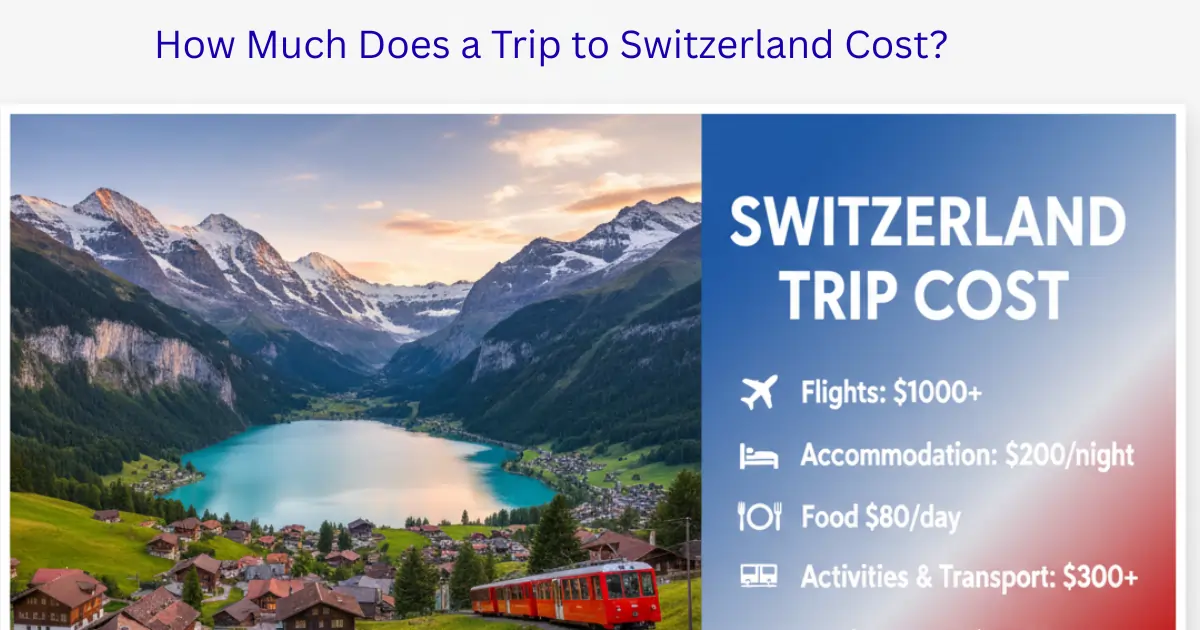
Switzerland just emptied my wallet faster than any country I’ve ever visited. $8 for coffee. $25 for a basic lunch. $300 for a mid-range hotel room.
But here’s the thing—it was absolutely worth every Swiss franc! The pristine Alps, charming villages, efficient trains, and world-class chocolate created memories I’ll treasure forever. The key isn’t avoiding Switzerland because of costs—it’s understanding exactly what you’ll spend and planning accordingly.
I’m breaking down the complete Switzerland trip cost with real numbers from my recent travels and data from hundreds of travelers. No vague estimates or outdated information. Just honest, actionable budget guidance that’ll help you experience Switzerland without financial stress or unpleasant surprises.
Let’s cut straight to it. The average Switzerland trip cost ranges dramatically based on your travel style, but here are realistic daily budgets that actually work in 2025.
Understanding where your money goes helps you make informed decisions about splurges versus savings. Switzerland’s reputation as Europe’s most expensive country is well-earned, but smart planning makes it accessible at various budget levels without sacrificing the essential Swiss experiences.
| Travel Style | Daily Budget Per Person | Who It’s For | What You Get |
|---|---|---|---|
| Budget Backpacker | $80 – $120 | Young travelers, hostels, self-catering | Dorm beds, grocery store meals, free activities, regional trains |
| Mid-Range Traveler | $200 – $350 | Most tourists, comfortable balance | 3-star hotels, restaurant meals, major attractions, Swiss Travel Pass |
| Luxury Traveler | $500 – $1,000+ | Premium seekers, no compromises | 5-star hotels, fine dining, private tours, first-class trains |
| Family of Four | $400 – $700 | Families with children | Apartment rentals, mixed dining, family attractions, flexibility |
These numbers assume you’re staying in cities like Zurich, Lucerne, or Interlaken. Rural areas cost slightly less, while mountain resorts like Zermatt or St. Moritz run 30-50% higher during peak season.
Solution: Determine your travel style realistically before booking anything. Most travelers fall into the mid-range category, which provides excellent Swiss experiences without extreme luxury or uncomfortable budget restrictions. Budget $250-300 daily per person for a balanced, enjoyable trip that includes the iconic experiences Switzerland is famous for.
Understanding where your money actually goes transforms vague worry into concrete planning. I’m breaking down every expense category with real prices from 2025, giving you the exact information needed to build your personalized Switzerland budget.
Swiss accommodation prices vary dramatically by city, season, and property type. Summer (June-August) and winter ski season (December-March) command premium rates, while shoulder seasons offer significant savings without sacrificing weather quality or availability of attractions.
| Accommodation Type | Budget Range | Per Night Cost | Best For | Booking Tips |
|---|---|---|---|---|
| Hostel Dorm Bed | $35 – $65 | Solo/Duo | Budget backpackers, social atmosphere | Book 2-3 months ahead for summer |
| Hostel Private Room | $80 – $140 | Couple | Budget couples wanting privacy | Check if breakfast included |
| Budget Hotel (2-star) | $100 – $160 | Solo/Couple | Basic comfort, central location | Compare Booking.com vs direct |
| Mid-Range Hotel (3-star) | $150 – $250 | Most travelers | Good comfort, amenities, breakfast | Book refundable rates initially |
| Upscale Hotel (4-star) | $250 – $400 | Comfortable trip | Superior rooms, services, location | Join loyalty programs for upgrades |
| Luxury Hotel (5-star) | $400 – $800+ | Premium experience | Exceptional everything | Book directly for best perks |
| Airbnb Apartment | $100 – $300 | Families, groups | Kitchen, space, local experience | Read reviews carefully, check location |
| Mountain Hut | $40 – $80 | Hikers | Authentic Alpine experience, meals included | Book months ahead for popular huts |
Peak season (July-August, December-February) adds 30-50% to these prices. Shoulder seasons (May-June, September-October) offer the best value with pleasant weather and fewer crowds.
Solution: Book accommodation 2-3 months in advance for summer travel to secure better rates and availability. Consider staying in less touristy towns like Bern or Basel instead of Zurich or Geneva, where hotel costs run 20-30% lower. Apartments with kitchens dramatically reduce food costs for families or travelers staying multiple nights in one location.
Swiss restaurant prices will shock you initially, but the quality justifies the cost. Portions are reasonable, ingredients are premium, and service is professional. The secret to managing food costs is mixing restaurant meals with grocery store purchases and taking advantage of lunch specials.
| Meal Type | Budget Option | Mid-Range Option | Upscale Option | Money-Saving Tips |
|---|---|---|---|---|
| Breakfast | $5-8 (grocery store) | $15-25 (hotel/café) | $30-45 (luxury hotel buffet) | Hotel breakfast often included, worth paying for |
| Lunch | $12-18 (takeaway/grocery) | $20-35 (casual restaurant) | $45-70 (nice restaurant) | Lunch specials 20-30% cheaper than dinner |
| Dinner | $15-25 (self-catered) | $35-60 (restaurant) | $80-150+ (fine dining) | Cook in apartment, try fondue once |
| Coffee | $4-6 (café) | $5-7 (tourist area) | $8-10 (luxury hotel) | Bring travel mug, refill at hotel |
| Beer/Wine | $6-8 (supermarket) | $8-12 (restaurant) | $12-18 (upscale bar) | Buy drinks at grocery stores |
| Fast Food Meal | $15-20 (McDonald’s combo) | N/A | N/A | Not actually cheaper than better options |
| Pastry/Snack | $4-6 (bakery) | $6-9 (café) | $10-15 (hotel) | Swiss bakeries are amazing and worth it |
Daily Food Budget Estimates:
Solution: Eat a substantial hotel breakfast if included, making it worth the cost. Have lunch as your main restaurant meal when prices are lower. Buy dinner ingredients at Coop or Migros supermarkets for 50-60% savings compared to restaurants. Splurge on one or two special meals like fondue or raclette rather than eating expensively every night.
Swiss public transportation is legendary for efficiency, cleanliness, and punctuality. The integrated system of trains, buses, and boats makes car rentals unnecessary and often more expensive. Understanding your transport options is crucial for managing your Switzerland trip cost effectively.
| Transport Option | Cost Range | Best For | Coverage Details |
|---|---|---|---|
| Swiss Travel Pass (3 days) | $270-310 (2nd class) | Short trips, flexibility | Unlimited trains/buses/boats, mountain discounts |
| Swiss Travel Pass (4 days) | $330-380 (2nd class) | Week-long trips | Same benefits, better value per day |
| Swiss Travel Pass (8 days) | $430-500 (2nd class) | Extended exploration | Best value for comprehensive travel |
| Swiss Travel Pass (15 days) | $470-550 (2nd class) | Long stays | Maximum coverage period available |
| Half-Fare Card | $120 (1 month) | Selective travelers | 50% off all tickets, pay per journey |
| Single Train Tickets | $30-100+ per journey | Very limited travel | No pass needed, expensive quickly |
| City Transport Day Pass | $8-15 | Urban exploration | Local buses/trams in one city |
| Mountain Railways | $50-150 one-way | Specific excursions | 25-50% off with Swiss Travel Pass |
| Rental Car | $60-120 per day | Remote areas only | Plus parking ($20-40/day), gas, tolls |
The Swiss Travel Pass includes free museum entry, mountain railway discounts, and unlimited travel on the extensive Swiss public transport network. It pays for itself if you’re taking 2-3+ train journeys daily.
Solution: Purchase the Swiss Travel Pass for trips involving multiple destinations or mountain excursions. The pass eliminates ticket-buying stress and encourages spontaneous exploration since transportation is already paid. For stays primarily in one city with limited regional trips, use the Half-Fare Card and pay for individual journeys at 50% discount.
Switzerland’s natural beauty provides countless free activities, but iconic experiences like mountain railways and cable cars require significant investment. Balancing paid attractions with free natural experiences keeps costs manageable while still enjoying Switzerland’s highlights.
| Activity Type | Cost Range | Duration | Worth It? | Booking Advice |
|---|---|---|---|---|
| Jungfraujoch Railway | $220-240 return | Full day | Yes, iconic! | Swiss Travel Pass: 25% off |
| Matterhorn Glacier Paradise | $120-140 return | Half day | Absolutely | Book morning for best views |
| Titlis Rotair Cable Car | $95-110 return | Half day | Very good | Crowds peak 11am-2pm |
| Schilthorn/Piz Gloria | $105-125 return | Half day | James Bond fans! | Check weather forecast first |
| Boat Cruise (Lake Lucerne) | $0-75 | 1-4 hours | Scenic beauty | Free with Swiss Travel Pass |
| Rhine Falls | $0-8 (boat extra) | 2 hours | Impressive! | Free to view, boat ride optional |
| Swiss Museum Entry | $12-25 each | 2-3 hours | Culture lovers | Free with Swiss Travel Pass |
| Paragliding | $150-200 | 1 hour | Thrilling! | Weather-dependent, book flexibly |
| Chocolate Factory Tour | $15-30 | 2 hours | Fun experience | Lindt in Zurich most popular |
| Hiking/Walking | Free | Flexible | Essential! | Get trail maps at tourist offices |
Free/Low-Cost Activities:
Solution: Limit expensive mountain excursions to 2-3 during your trip, choosing based on weather forecasts to maximize value. Fill other days with free hiking, swimming, and town exploration. Purchase the Swiss Travel Pass to access free museum entry and transportation to trailheads, significantly reducing daily activity costs.
Real itineraries with actual costs help you visualize your spending. I’ve created three complete 7-day Switzerland itineraries at different budget levels, showing exactly what your money buys at each tier.
This budget prioritizes experiences over comfort, using hostels, self-catering, and free activities while still seeing Switzerland’s highlights. It requires flexibility, advance planning, and willingness to cook your own meals.
| Expense Category | Daily Cost | 7-Day Total | Details |
|---|---|---|---|
| Accommodation (hostel dorm) | $50 | $350 | Mixed city hostels, shared rooms |
| Food (mostly self-catered) | $35 | $245 | Supermarket groceries, 2 restaurant meals |
| Transportation (Half-Fare Card) | $25 | $175 | Half-Fare Card + discounted tickets |
| Activities (1 mountain, free hiking) | $35 | $245 | Jungfraujoch once, free activities otherwise |
| Miscellaneous | $10 | $70 | Snacks, souvenirs, unexpected costs |
| Total Budget Trip | $155 | $1,085 | Per person for one week |
Budget Traveler Itinerary:
Solution: Book hostel beds 2-3 months ahead during summer. Shop at Coop or Migros supermarkets for breakfast supplies, sandwich ingredients, and dinner items. Cook in hostel kitchens whenever possible. Choose one major mountain excursion for the iconic Alpine experience, spending other days on free hiking trails with equally spectacular views.
This represents the most popular travel style, balancing comfort with cost-consciousness. You’ll stay in nice hotels, eat at restaurants regularly, and experience Switzerland’s major attractions without constant budget stress.
| Expense Category | Daily Cost | 7-Day Total | Details |
|---|---|---|---|
| Accommodation (3-star hotel) | $180 | $1,260 | Comfortable hotels with breakfast included |
| Food (restaurant mix) | $75 | $525 | Breakfast included, lunch/dinner at restaurants |
| Transportation (Swiss Travel Pass) | $70 | $490 | 8-day Swiss Travel Pass, unlimited travel |
| Activities (mountain railways) | $60 | $420 | 2 major mountains, museums, boat cruises |
| Miscellaneous | $20 | $140 | Souvenirs, drinks, incidentals |
| Total Mid-Range Trip | $405 | $2,835 | Per person for one week |
Mid-Range Traveler Itinerary:
Solution: Purchase the Swiss Travel Pass for unlimited trains, buses, boats, and free museum entry—it eliminates transportation stress and encourages spontaneous exploration. Book 3-star hotels with breakfast included, saving $15-20 daily on breakfast costs. Eat lunch at restaurants (cheaper than dinner) and occasionally prepare simple dinners with supermarket ingredients to balance your food budget.
Luxury travel in Switzerland means world-class hotels, Michelin-starred dining, first-class trains, and private experiences. This budget prioritizes comfort, convenience, and premium experiences throughout your journey.
| Expense Category | Daily Cost | 7-Day Total | Details |
|---|---|---|---|
| Accommodation (4-5 star hotel) | $400 | $2,800 | Luxury hotels, suites, spa facilities |
| Food (fine dining) | $150 | $1,050 | Restaurant meals, wine, upscale cafés |
| Transportation (First Class Pass) | $100 | $700 | Swiss Travel Pass First Class, private transfers |
| Activities (premium experiences) | $120 | $840 | Multiple mountains, helicopter tours, private guides |
| Miscellaneous | $40 | $280 | Premium souvenirs, spa treatments, extras |
| Total Luxury Trip | $810 | $5,670 | Per person for one week |
Luxury Traveler Itinerary:
Solution: Book luxury hotels directly for complimentary upgrades, late checkout, and VIP amenities. Invest in first-class Swiss Travel Pass for spacious seats and exclusive panoramic cars on scenic routes. Reserve Michelin-starred restaurants weeks in advance for guaranteed tables. Consider helicopter tours for unique perspectives on the Alps unavailable through standard tourism.
Timing your trip dramatically impacts your Switzerland trip cost. Understanding seasonal price fluctuations helps you maximize value while still enjoying favorable weather and available activities.
| Month | Hotel Cost | Crowd Level | Weather | Best For | Average Savings vs Peak |
|---|---|---|---|---|---|
| January | High | Moderate | Cold, snowy | Skiing, winter sports | -5% (ski season) |
| February | High | High | Cold, snowy | Peak ski season | 0% (peak pricing) |
| March | Moderate-High | Moderate | Transitional | Late skiing, fewer crowds | -15% |
| April | Low-Moderate | Low | Cool, rainy | Budget travelers, cities | -30% |
| May | Moderate | Low-Moderate | Pleasant | Hiking starts, flowers bloom | -20% |
| June | Moderate-High | Moderate | Warm, sunny | Ideal weather, everything open | -10% |
| July | High | Very High | Warm, sunny | Peak summer, festivals | 0% (peak pricing) |
| August | High | Very High | Warm | Peak summer season | 0% (peak pricing) |
| September | Moderate-High | Moderate | Pleasant | Best value month! | -20% |
| October | Moderate | Low-Moderate | Cool, variable | Fall colors, wine harvest | -25% |
| November | Low | Very Low | Cold, rainy | Budget travel, city breaks | -35% |
| December | High | High | Cold, festive | Christmas markets, early skiing | +10% (holiday premium) |
Peak Season: July-August (summer), December-February (ski season) Shoulder Season: May-June, September-October Low Season: November, April
Solution: Visit Switzerland in September for optimal conditions—warm weather, operational mountain railways, manageable crowds, and 20% lower costs than peak summer. May and October also offer excellent value with pleasant weather and significantly reduced accommodation costs. Avoid July-August unless your schedule is inflexible, as you’ll pay premium rates and encounter massive crowds at major attractions.
Different Swiss cities have varying cost structures. Understanding these differences helps you allocate your budget effectively and potentially save hundreds by choosing less expensive base cities.
| City | Accommodation | Food | Transport | Activities | Total Daily (Mid-Range) |
|---|---|---|---|---|---|
| Zurich | $200-280 | $80-110 | $15-25 | $40-70 | $335-485 |
| Geneva | $190-270 | $75-105 | $12-20 | $35-65 | $312-460 |
| Lucerne | $170-240 | $70-95 | $10-18 | $50-90 | $300-443 |
| Interlaken | $180-250 | $65-90 | $15-25 | $60-120 | $320-485 |
| Zermatt | $250-400 | $90-130 | $20-35 | $80-150 | $440-715 |
| Bern | $150-210 | $60-85 | $10-15 | $30-50 | $250-360 |
| Basel | $160-220 | $65-90 | $12-18 | $35-55 | $272-383 |
| Lausanne | $165-230 | $65-90 | $10-16 | $30-60 | $270-396 |
Most Expensive: Zermatt, St. Moritz, Zurich Best Value: Bern, Basel, Lausanne Tourist Hotspots: Lucerne, Interlaken (moderate costs, high crowds)
Solution: Base yourself in more affordable cities like Bern or Lausanne, making day trips to expensive destinations rather than staying overnight. This strategy can save $50-100 daily on accommodation while still accessing all major attractions. Consider spending fewer nights in mountain resorts like Zermatt—visit for a day trip or single night rather than extended stays.
Beyond obvious expenses like hotels and trains, numerous hidden costs catch unprepared travelers off guard. I learned these lessons the expensive way—you can avoid them!
| Hidden Cost | Typical Amount | When It Occurs | How to Minimize |
|---|---|---|---|
| Luggage Storage | $8-12 per day | Train stations, airports | Use hotel luggage hold, even after checkout |
| Public Restrooms | $1-2 per use | Cities, attractions | Use facilities at restaurants where you eat |
| Mountain Railway Supplements | $30-60 | Popular peaks | Swiss Travel Pass provides discounts, not free rides |
| Parking Fees | $25-50 per day | If renting car | Don’t rent car, use public transport instead |
| Hotel Resort Fees | $15-40 per night | Mountain resorts | Ask when booking, sometimes negotiable |
| Tap Water Restaurant Fee | $3-5 | Some restaurants | Request tap water specifically, it’s free by law |
| Laundry Services | $15-30 per load | Extended trips | Hand wash in hotel sink, bring travel clothesline |
| Phone Data | $10-30 | International roaming | Buy local SIM or use hotel WiFi exclusively |
| Tipping | 5-10% optional | Restaurants, services | Service included in prices, tipping optional |
| City Tourist Tax | $2-6 per person/night | All accommodations | Automatically added to hotel bills |
Solution: Budget an additional $15-25 daily for miscellaneous expenses not captured in main categories. These small costs accumulate quickly—that $8 luggage storage, $5 coffee, $3 restroom fee, and $12 cable car supplement total $28 without any major purchases. Having a miscellaneous budget prevents these minor costs from derailing your overall financial plan.
I’ve tested every budget trick recommended online. Here are the strategies that genuinely saved me hundreds without diminishing my Switzerland experience.
| Strategy | Potential Savings | Effort Level | Impact on Experience |
|---|---|---|---|
| Travel September/May Instead of July | 20-30% total cost | Zero | Minimal – great weather still |
| Swiss Travel Pass vs Individual Tickets | $200-400 per person | Low | Positive – more flexibility |
| Supermarket Meals vs All Restaurants | $40-60 daily | Medium | Moderate – miss some dining experiences |
| Stay in Bern vs Zurich | $50-80 daily | Low | None – easy day trips to Zurich |
| Picnic Lunches on Mountain Excursions | $25-40 per day | Low | Positive – scenic eating spots |
| Free Hiking Instead of All Cable Cars | $100-200 total | Medium | Different but equally beautiful |
| Book Accommodation 3 Months Ahead | 15-25% on hotels | Low | None – better availability too |
| Drink Tap Water (It’s Excellent!) | $30-50 total | Zero | None – Swiss tap water is pristine |
| Stay Outside Tourist Centers | 20-35% on lodging | Medium | Slight – need transport time |
| Visit Free Museums with Travel Pass | $80-120 total | Zero | Positive – more cultural exposure |
Solution: Implement the highest-impact, lowest-effort strategies first—travel during shoulder season, purchase Swiss Travel Pass, eat supermarket picnics on mountain days, and drink tap water. These four changes alone can reduce your Switzerland trip cost by 20-30% without significantly compromising your experience. Add moderate-effort strategies like booking early and staying outside tourist centers for even greater savings.
Families face unique budgeting challenges and opportunities. Children receive substantial discounts on transportation and attractions, but accommodation and food costs increase with more people.
| Expense Category | Per Day | 7-Day Total | Family Benefits |
|---|---|---|---|
| Accommodation (family room/apartment) | $220-320 | $1,540-2,240 | Apartment with kitchen saves on meals |
| Food (mixed dining + groceries) | $140-200 | $980-1,400 | Kids menus cheaper, grocery savings significant |
| Transportation (Swiss Family Card) | $100 | $700 | Children under 16 FREE with parents! |
| Activities (family discounts) | $100-160 | $700-1,120 | Many attractions offer family tickets |
| Miscellaneous | $30-50 | $210-350 | Ice cream, souvenirs, unexpected costs |
| Total Family Budget | $590-830 | $4,130-5,810 | For entire family of four |
Per Person Family Cost: $145-200 daily (significantly less than solo travelers!)
Family-Friendly Money Savers:
Solution: Request the free Swiss Family Card when purchasing your Swiss Travel Pass—this gives children unlimited free travel. Rent apartments with kitchens and cook breakfast plus some dinners. Choose hiking days between paid mountain excursions to balance costs. Look for family rooms in hotels instead of booking two separate rooms, saving 25-40% on accommodation expenses.
Strategic packing prevents expensive purchases in Switzerland where even basic items cost 2-3x typical prices. I learned this after buying a $35 travel adapter and $28 sunscreen in Zurich!
| Item Category | Why Pack It | Switzerland Price | Home Price | Savings |
|---|---|---|---|---|
| Universal Power Adapter | Swiss plugs unique | $25-40 | $10-15 | $15-25 |
| Sunscreen (High SPF) | Alpine sun intense | $20-30 | $8-12 | $12-18 |
| Refillable Water Bottle | Tap water excellent | $15-25 | $5-10 | $10-15 |
| Rain Jacket/Windbreaker | Weather changes quickly | $80-150 | $30-60 | $50-90 |
| Travel First Aid Kit | Pharmacy expensive | $40-60 | $15-25 | $25-35 |
| Snack Bars/Trail Mix | Convenient hiking fuel | $3-5 each | $1-2 each | $2-3 each |
| Portable Phone Charger | Long days exploring | $35-50 | $15-25 | $20-25 |
| Hiking Boots (If Hiking) | Quality boots essential | $120-200 | $60-120 | $60-80 |
| Lightweight Day Pack | Daily essentials | $40-70 | $20-35 | $20-35 |
| Reusable Shopping Bag | Groceries, daily use | $5-10 | $2-4 | $3-6 |
Additional Smart Packing:
Solution: Create a detailed packing list two weeks before departure and purchase any missing items at home rather than in Switzerland. Pay special attention to outdoor gear if hiking—breaking in new boots in Switzerland ruins both your feet and your budget. Bring a refillable water bottle to use Switzerland’s abundant free drinking fountains, saving $3-5 daily on bottled water.
Q: How much money do I need for 7 days in Switzerland?
A: Budget travelers need $1,000-1,400 per person for 7 days covering hostels, self-catered meals, and limited activities. Mid-range travelers should budget $2,500-3,500 for comfortable hotels, restaurant dining, and major attractions. Luxury travelers typically spend $5,000-8,000+ per person for premium accommodations and experiences. These amounts include accommodation, food, transportation, activities, and miscellaneous expenses but exclude international flights.
Q: Is Switzerland more expensive than other European countries?
A: Yes, Switzerland is consistently Europe’s most expensive country for travelers, typically costing 50-80% more than popular destinations like Italy, Spain, or France. A mid-range daily budget in Switzerland ($250-350) equals luxury travel budgets in most other European countries. However, Switzerland’s quality, cleanliness, efficiency, and natural beauty justify the premium for many travelers who consider it money well spent.
Q: What’s the cheapest way to travel around Switzerland?
A: Purchase the Swiss Travel Pass for unlimited trains, buses, and boats throughout the country. Despite seeming expensive upfront ($270-550 depending on duration), it costs less than 2-3 individual train journeys while providing unlimited flexibility. The pass also includes free museum entry and 25-50% discounts on mountain railways. Alternatively, the Half-Fare Card ($120 for one month) reduces all ticket prices by 50% for travelers making fewer journeys.
Q: Are meals really that expensive in Switzerland?
A: Yes, restaurant meals in Switzerland cost $25-60 per person for standard lunch or dinner, significantly more than neighboring countries. However, you can manage food costs by eating substantial hotel breakfasts, shopping at Coop or Migros supermarkets for picnic ingredients, and cooking in apartment accommodations. Budget-conscious travelers spending $35-50 daily on food can eat well by mixing occasional restaurant meals with supermarket purchases.
Q: Should I exchange money before arriving in Switzerland?
A: No, avoid airport exchange counters with poor rates. Instead, withdraw Swiss Francs from ATMs upon arrival using a debit card with no foreign transaction fees—you’ll get the best exchange rate. Credit cards are widely accepted throughout Switzerland, so you’ll need minimal cash. Keep 100-200 CHF cash for small purchases, parking, or mountain huts that might not accept cards.
Q: Can I use Euros in Switzerland?
A: Some tourist areas accept Euros, but you’ll receive change in Swiss Francs at unfavorable exchange rates, costing you 10-15% extra. Switzerland isn’t part of the European Union and uses Swiss Francs (CHF) as its official currency. Always pay in Swiss Francs for best value—withdraw from ATMs or pay by credit card, which automatically converts at better rates than manual exchange.
Q: How much does the Jungfraujoch railway cost?
A: The Jungfraujoch “Top of Europe” railway costs CHF 220-240 for a round-trip ticket from Interlaken, making it one of Switzerland’s most expensive tourist activities. Swiss Travel Pass holders receive 25% off, reducing the cost to CHF 165-180. Despite the high price, most travelers consider it a must-do experience for spectacular Alpine views from Europe’s highest railway station at 3,454 meters elevation.
Q: Is it cheaper to visit Switzerland in winter or summer?
A: Neither season is significantly cheaper—both are peak seasons with high accommodation costs. Winter (December-February) is expensive due to ski season, while summer (July-August) commands premium rates for hiking and sightseeing. The cheapest times are shoulder seasons: April-May and September-October, when hotels cost 20-35% less while weather remains pleasant for most activities.
Q: Do I need to tip in Swiss restaurants?
A: No, tipping isn’t required in Switzerland because service charges are included in all prices by law. However, rounding up the bill or leaving 5-10% for exceptional service is appreciated but entirely optional. Unlike in the United States where tipping is expected, Swiss servers receive fair wages and don’t depend on tips for income. Simply say “keep the change” when paying cash if you want to leave a small gratuity.
Q: Are Swiss mountain excursions worth the high cost?
A: Absolutely yes, if you choose wisely! Mountain railways like Jungfraujoch, Matterhorn Glacier Paradise, and Mount Pilatus provide once-in-a-lifetime Alpine experiences impossible to replicate elsewhere. However, you don’t need to do every expensive mountain—choose 1-2 major peaks and supplement with free hiking trails offering equally spectacular views. The key is balancing paid excursions with free natural experiences throughout your trip.
Q: Can I visit Switzerland on a budget under $100 per day?
A: It’s extremely challenging but possible with significant sacrifices. You’d need to stay in hostel dorms ($40-50), prepare all meals from supermarkets ($25-30), use the Half-Fare Card for limited train travel ($15-20), and stick primarily to free hiking and town exploration ($5-10 miscellaneous). This budget eliminates expensive mountain railways, restaurant meals, and comfortable accommodations, making Switzerland feel more like survival than vacation.
Q: What’s included in the Swiss Travel Pass?
A: The Swiss Travel Pass provides unlimited travel on trains, buses, and boats throughout Switzerland’s public transport network. It includes free entry to over 500 museums nationwide, 25-50% discounts on most mountain railways and cable cars, and free transportation on scenic routes like the Glacier Express and Bernina Express (seat reservations extra). Children under 16 travel free with the Swiss Family Card when parents have Travel Passes.
Q: Is travel insurance necessary for Switzerland?
A: Yes, especially for non-European visitors. Switzerland has world-class but extremely expensive healthcare—a simple emergency room visit costs $2,000-5,000, while medical evacuation from mountains can exceed $50,000. Travel insurance covering medical emergencies, trip cancellation, and evacuation typically costs $150-300 for a week-long trip but protects against potentially devastating financial losses from accidents, illness, or trip disruptions.
Q: How much cash should I carry in Switzerland?
A: Carry 100-200 Swiss Francs cash for emergencies, but rely primarily on credit cards which are accepted everywhere except some remote mountain huts. Switzerland is highly cashless with contactless payment widely available. ATMs are readily accessible in all cities and towns for withdrawing additional cash if needed. Never carry large cash amounts—it’s unnecessary and risky.
Q: Are there free activities in Switzerland?
A: Yes, thousands! Switzerland offers world-class free hiking on 65,000+ kilometers of marked trails, swimming in pristine lakes during summer, exploring charming old towns like Bern and Lucerne, visiting free viewpoints and observation decks, attending summer festivals and markets, and enjoying public parks and lakefront promenades. Nature is Switzerland’s greatest attraction, and it’s completely free to access and enjoy.
Q: Should families stay in hotels or rent apartments?
A: Apartments provide significantly better value for families staying 3+ nights in one location. Kitchens allow cooking breakfast and dinner, saving $60-100 daily on restaurant meals. Extra space gives children room to play, and laundry facilities eliminate packing excessive clothing. However, hotels offer convenience and social atmosphere preferred by some families, especially when moving between cities every 1-2 nights.
Q: What’s the best Swiss Travel Pass duration for first-time visitors?
A: The 8-day Swiss Travel Pass offers optimal value for first-time visitors spending 7-10 days in Switzerland. This duration covers typical itineraries visiting 3-4 cities plus mountain excursions without feeling rushed. Shorter 3-4 day passes work for brief city-focused trips, while 15-day passes suit extended exploration but rarely provide proportional value unless you’re genuinely traveling daily for two full weeks.
Q: How much does Swiss chocolate cost?
A: Quality Swiss chocolate costs CHF 3-8 per 100g bar in supermarkets—reasonable and worth buying. Tourist shop prices run CHF 8-15 for identical products, so buy chocolate at Coop or Migros supermarkets instead. Premium chocolatiers like Läderach charge CHF 8-12 per 100g for handmade specialties that justify the splurge. Budget CHF 30-60 for gifts and personal consumption if chocolate is a priority.
Switzerland isn’t uniformly expensive—strategic regional choices significantly impact your total Switzerland trip cost. Understanding these variations helps you optimize your itinerary for better value without sacrificing essential experiences.
| Region | Cost Level | Daily Budget (Mid-Range) | Highlights | Best For |
|---|---|---|---|---|
| German-Speaking (Zurich, Lucerne) | High | $300-400 | Business hub, lakes, mountains | Urban culture, easy transport access |
| French-Speaking (Geneva, Lausanne) | High | $290-380 | Lakeside elegance, wine regions | Sophistication, international atmosphere |
| Italian-Speaking (Lugano, Locarno) | Moderate-High | $250-340 | Mediterranean climate, Italian influence | Warm weather, relaxed vibe |
| Mountain Resorts (Zermatt, St. Moritz) | Very High | $400-700 | Iconic peaks, luxury atmosphere | Premium experiences, serious hiking |
| Rural Areas (Appenzell, Emmental) | Moderate | $200-300 | Authentic Swiss culture, countryside | Escaping crowds, cultural immersion |
| Capital Region (Bern area) | Moderate | $220-320 | UNESCO sites, reasonable prices | Budget-conscious culture lovers |
Solution: Base your trip in moderately-priced cities like Bern, Lausanne, or Basel, making day trips to expensive areas rather than staying overnight. Spend 1-2 nights in mountain resorts for the authentic Alpine experience, then return to more affordable bases for remaining nights. This strategy provides the best of both worlds—iconic experiences without continuously paying premium resort prices.
Understanding Swiss financial practices prevents costly mistakes and maximizes your money’s value throughout your trip. Switzerland’s banking system is efficient, but knowing the details saves substantial amounts.
| Payment Method | Acceptance | Fees to Watch | Best Use Case |
|---|---|---|---|
| Credit Card (Visa/Mastercard) | 95%+ | Foreign transaction fees (0-3%) | Most purchases, best exchange rate |
| Debit Card (ATM withdrawal) | Universal | ATM fees ($3-5), foreign transaction fees | Cash withdrawals as needed |
| Cash (Swiss Francs) | 100% | Poor exchange rates if buying abroad | Small purchases, mountain huts |
| Euros | 50% (tourist areas) | 10-15% loss on exchange rate | Emergency only, avoid if possible |
| Mobile Payment (Apple/Google Pay) | 80%+ | Same as linked card | Convenient contactless payments |
| Traveler’s Checks | Rarely accepted | Exchange fees, inconvenient | Avoid entirely, outdated method |
Credit Card Recommendations:
Solution: Use a no-foreign-transaction-fee credit card for all purchases to get the best exchange rates automatically. Withdraw 100-200 CHF from ATMs upon arrival for cash-only situations. Never exchange currency at airports or exchange bureaus—you’ll lose 10-15% in poor rates and fees. Pay in Swiss Francs when given the option, declining dynamic currency conversion which adds hidden markups.
Your Switzerland trip cost varies not just by season but by which activities are available and operating. Understanding seasonal patterns prevents disappointment and helps budget accurately.
| Activity | Winter (Dec-Feb) | Spring (Mar-May) | Summer (Jun-Aug) | Fall (Sep-Nov) |
|---|---|---|---|---|
| Mountain Railways | Operating, high cost | Limited, moderate cost | Full operation, highest cost | Operating, moderate cost |
| Hiking Trails | Closed/dangerous | Opening gradually | All trails open | Most trails open |
| Lake Activities | Indoor pools only | Too cold for swimming | Perfect swimming weather | Chilly but possible |
| Skiing | Peak season, expensive | Late season, cheaper | Closed except glaciers | Closed |
| City Sightseeing | Year-round, low cost | Year-round, low cost | Year-round, low cost | Year-round, low cost |
| Festivals/Events | Christmas markets | Few events | Major festivals | Harvest festivals |
| Accommodation Costs | High (ski season) | Low-moderate | Highest (peak season) | Moderate |
Solution: Match your visit timing to your priority activities. Summer (June-August) suits hikers and mountain lovers but costs most. Winter (December-February) attracts skiers with high accommodation costs. Shoulder seasons (May, September-October) offer the best balance—pleasant weather, operational facilities, manageable crowds, and 20-30% cost savings compared to peak periods.
Planning an extended Switzerland stay? Costs per day decrease significantly with longer visits due to monthly accommodation rentals, bulk grocery shopping, and reduced tourist activity frequency.
| Expense Category | 1-Week Trip (Daily) | 1-Month Stay (Daily) | Savings | How It Works |
|---|---|---|---|---|
| Accommodation | $180-250 | $80-140 | 45-55% | Monthly apartment rentals vs hotels |
| Food | $75-100 | $50-70 | 30-35% | Cooking all meals, bulk shopping |
| Transportation | $70 (pass) | $25-35 | 50-65% | Local travel only, monthly passes |
| Activities | $60-80 | $15-25 | 70-80% | Tourism fatigue, free daily life |
| Miscellaneous | $20-30 | $15-20 | 25-35% | Settled routine, fewer impulse buys |
| Total Daily | $405-530 | $185-290 | 54-55% | Long-term rates and lifestyle |
One-Month Switzerland Stay Budget:
Solution: For stays exceeding two weeks, rent furnished apartments through Airbnb or local rental sites at monthly rates 40-50% below hotel costs. Establish a local routine with favorite supermarkets, bakeries, and cafes offering loyalty discounts. Purchase monthly transportation passes for your primary city instead of Swiss Travel Passes. Treat yourself to tourist activities occasionally rather than constantly, dramatically reducing activity costs.
Generic budgets help, but your specific circumstances require personalized planning. Use this framework to build a realistic budget matching your travel style, preferences, and financial situation.
| Your Trip Details | Your Numbers | Notes |
|---|---|---|
| Number of travelers | __________ | Solo, couple, family, group |
| Trip duration (days) | __________ | Including arrival/departure days |
| Travel dates | __________ | Peak, shoulder, or low season |
| Accommodation style | __________ | Hostel, hotel, apartment, luxury |
| Dining preference | __________ | Budget, mixed, restaurants, luxury |
| Activity priorities | __________ | Mountains, cities, hiking, culture |
| Transportation needs | __________ | Multi-city, single base, extensive travel |
| Accommodation Total | $__________ | Nights × daily rate |
| Food Total | $__________ | Days × daily food budget |
| Transportation Total | $__________ | Passes, tickets, local transport |
| Activities Total | $__________ | Major attractions, tours, entertainment |
| Miscellaneous (15%) | $__________ | Buffer for unexpected costs |
| TOTAL TRIP BUDGET | $__________ | All expenses except flights |
Solution: Be honest about your travel style rather than aspirational. If you typically stay in 3-star hotels at home, you won’t suddenly enjoy hostel dorms in Switzerland. Build your budget around realistic preferences, then identify specific areas to economize—eating supermarket lunches instead of restaurants, choosing fewer mountain excursions, or traveling during shoulder season instead of peak summer.
After analyzing every aspect of Switzerland trip cost, here are my most important recommendations based on real experience and extensive traveler data.
1. Purchase Swiss Travel Pass Early Buy your pass before arrival to access unlimited transportation from day one. The pass eliminates constant ticket-buying stress and encourages spontaneous exploration since transportation is already paid. For trips involving multiple cities or mountain visits, it always pays for itself while providing valuable flexibility.
2. Visit During Shoulder Season September offers the single best value in Switzerland—warm weather, operational facilities, spectacular fall colors, manageable crowds, and 20-30% lower costs than peak summer. May also provides excellent conditions with blooming wildflowers and reasonable prices.
3. Mix Paid and Free Experiences Limit expensive mountain railways to 1-2 major peaks, filling remaining days with free hiking trails offering equally spectacular views. Switzerland’s natural beauty doesn’t require constant cable car tickets to access—thousands of stunning trails are completely free.
4. Shop Supermarkets Strategically Coop and Migros supermarkets offer quality food at 50-70% less than restaurants. Buy breakfast supplies, sandwich ingredients, snacks, and drinks for substantial savings. Their prepared foods section provides delicious affordable meals superior to fast food options.
5. Stay Outside Major Tourist Centers Bern, Basel, and Lausanne offer 20-35% lower accommodation costs than Zurich or Geneva while providing excellent train connections to all major attractions. You’ll experience more authentic Swiss life away from tourist crowds while maintaining easy access to highlights.
6. Book Accommodation Far Ahead Reserve hotels or apartments 2-3 months before summer travel for best availability and rates. Last-minute bookings pay premium prices with limited options, especially during peak season when desirable properties sell out completely.
7. Leverage Free Swiss Family Card Families traveling with children under 16 receive free child transportation with parent Swiss Travel Passes. This benefit alone saves families $200-400 per week on transportation costs, making Switzerland more affordable for family travel than solo trips.
8. Choose Apartments for Extended Stays Kitchen facilities transform your food budget, enabling breakfast and dinner preparation for fraction of restaurant costs. Apartments also provide laundry, extra space, and local neighborhood experiences hotels can’t match.
9. Drink Tap Water Exclusively Swiss tap water is pristine and safe everywhere in the country. Bring a refillable water bottle and use free public drinking fountains throughout cities and hiking trails. This simple habit saves $5-8 daily while reducing plastic waste.
10. Set Daily Spending Limits Track expenses daily using a budgeting app to stay on target. Knowing your current spending relative to budget prevents end-of-trip financial panic when money runs low unexpectedly. Build in 15% buffer for inevitable surprises.
Switzerland’s reputation for high costs is well-deserved—this is genuinely Europe’s most expensive country for travelers. But understanding exactly what you’ll spend transforms anxiety into empowerment, letting you plan confidently and enjoy your trip without constant financial stress.
The Switzerland trip cost varies tremendously based on choices you control: travel timing, accommodation style, dining preferences, activity selection, and transportation strategy. Smart planning doesn’t mean sacrificing experiences—it means maximizing value while still enjoying Switzerland’s spectacular natural beauty, efficient infrastructure, charming towns, and world-famous chocolate!
I’ve met budget backpackers who fell in love with Switzerland despite tight finances, and luxury travelers who considered it their best trip ever. The common thread? Both planned realistically, made informed choices, and embraced what Switzerland offers at their budget level rather than constantly stressing about costs.
Start planning your Switzerland adventure today with these realistic budgets and money-saving strategies. The pristine Alps, crystal-clear lakes, charming villages, and punctual trains are waiting to create memories you’ll treasure for life. Yes, Switzerland is expensive—but the experiences you’ll gain are absolutely priceless!
Happy travels, and see you in the Swiss Alps!
Posted By : Vinay
Latest Article
2nd Floor, 39, Above Kirti Club, DLF Industrial Area, Kirti Nagar, New Delhi, Delhi 110015



Travel Tourister is a leading Travel portal where we introduce travellers to trusted travel agents to make their journey hasselfree, memorable And happy. Travel Tourister is a platform where travellers get Tour packages ,Hotel packages deals through trusted travel companies And hoteliers who are working with us across the world. We always try to find new and more travel agents and hoteliers from every nook and corners across the world so that you could compare the deals with different travel agents and hoteliers and book your tour or hotel with the one you have chosen according to your taste and budget.
Copyright © Travel Tourister, India. All Rights Reserved

 Call
Call Enquiry